

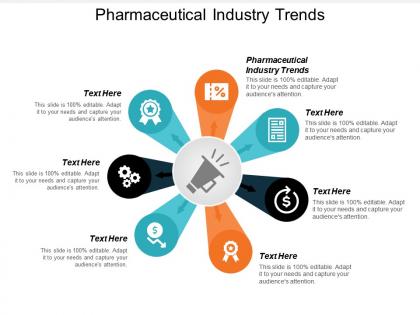
Pharmaceutical industry trends ppt powerpoint presentation pictures summary cpb




Try Before you Buy Download Free Sample Product
 Impress Your
 Audience
 100%
100% Editable
 Save Hours
 of Time


Build your edifice around our Pharmaceutical Industry Trends Ppt Powerpoint Presentation Pictures Summary Cpb. They are great for good architecture.
People who downloaded this PowerPoint presentation also viewed the following :
Pharmaceutical industry trends ppt powerpoint presentation pictures summary cpb with all 5 slides:
Be assured of great architecture with our Pharmaceutical Industry Trends Ppt Powerpoint Presentation Pictures Summary Cpb. They are good for building your edifice.

FAQs for Pharmaceutical industry trends ppt powerpoint presentation
Honestly, AI and machine learning are insane right now - they're cutting drug discovery from years down to months. CRISPR's also huge for creating better disease models and going after proteins we couldn't touch before. There's this crazy thing called digital twins where they basically make virtual patients to test stuff before real trials. Quantum computing is starting to crack molecular problems regular computers can't handle - though that's still pretty early stage. If you're thinking investments, I'd look at companies putting AI into their discovery process. That's where things are really moving fast.
Dude, AI can totally transform how you do drug discovery. It rips through huge datasets to find promising compounds and predicts how molecules will behave - we're talking years of work done in months. The pattern recognition is honestly insane - it catches things in patient data that we'd completely miss. Plus it figures out which patients will actually respond to treatments. Oh, and it handles all that tedious regulatory paperwork too. I'd say start small though - pick your biggest research headache and see where machine learning fits. Clinical trial optimization is usually a good entry point.
So data analytics is huge for clinical trials - it predicts enrollment patterns and helps you pick the right sites. Predictive models show which patients will actually stick around till the end (trust me, dropouts are the worst). Real-time monitoring's where it gets interesting though. You can tweak protocols mid-trial instead of waiting forever to catch problems. Oh, and catching safety issues early is obviously critical. I'd start with recruitment analytics first since that's where you'll see results fastest. The ROI hits pretty quick there.
So pharma companies are totally flipping their R&D game for personalized medicine right now. Instead of those massive blockbuster drugs, they're going after smaller patient groups with biomarkers and diagnostic tests. Way more expensive upfront but the success rates are actually better. Roche has been crushing this approach - honestly their strategy is pretty smart. Higher costs but you can charge premium prices for targeted stuff. Oh and if you're thinking investments, look for companies that don't just have drug pipelines but also build their own diagnostic tools. That's where the money is.
Ugh, the regulation stuff is brutal - you're constantly chasing FDA updates, EMA changes, plus whatever random requirements each country throws at you. Data management for submissions is equally insane. Most companies are throwing money at regulatory tech platforms now that auto-track changes and streamline everything. Building bigger compliance teams too, or just outsourcing to consultancies (honestly probably smarter). Oh, and get integrated systems set up early if you can. Way better than panicking later when you're staring down delays because some obscure rule changed and nobody caught it.
Pharma companies are scrambling to catch up with patients going digital. They're partnering with telehealth platforms and building their own patient support apps. Direct-to-consumer marketing is huge now since the whole doctor-office-pharmacy thing isn't as straightforward anymore. Virtual specialty pharmacies are popping up too - honestly didn't see that coming. Sales reps had to completely change how they pitch to doctors doing virtual visits. My advice? Focus on which telehealth partnerships actually help patients vs the ones that just look good in press releases. There's definitely a difference.
COVID vaccines went from like 10-15 years down to under a year - insane right? Instead of doing clinical trials one by one, companies started running them all at once. Regulators got way less picky too, doing rolling reviews instead of waiting for everything to be perfect. Crazy how fast things moved when lives were actually on the line. Now everyone's trying to keep that same energy for future pandemics. They're basically using COVID as the blueprint for how to do rapid vaccine development. Pretty smart if you ask me - why go back to the slow way?
Yeah, pharma manufacturing is getting a total overhaul because of sustainability pressure. Companies are switching to green chemistry and dumping toxic solvents wherever possible. Continuous manufacturing is huge now - cuts way down on energy use. Honestly, the financial pressure from investors is probably driving this more than environmental concerns, but whatever works I guess. Most facilities are going renewable energy too. Here's the kicker though - a lot of these changes actually end up saving money after the initial investment. If you're doing production planning, definitely check which suppliers have sustainability certs. It's becoming a real differentiator.
Honestly, drug pricing is getting flipped upside down right now. Companies can't just slap whatever price tag they want anymore - they're moving to these outcome-based deals where you only get paid if your drug actually works (which seems obvious but apparently wasn't before?). Biosimilars are finally putting a dent in those crazy biologic prices too. Governments want you to justify every dollar upfront, and patient groups aren't taking overpriced launches lying down. You'll need real-world data backing up your value story from day one, not just clinical trial results. Start working on that narrative early.
So pharma companies are totally outsourcing innovation now - they just wait for biotech startups to do the risky early work, then swoop in with licensing deals or acquisitions. Makes sense honestly, why blow millions on R&D when you can let the scrappy little companies figure it out first? Then pharma brings their regulatory know-how and massive budgets to actually get stuff to market. A lot of them have venture arms too now. Oh and those partnership announcements? Pay attention to those - they're like a crystal ball for what's coming next in the industry.
Dude, gene therapy is about to completely change how pharma works. Instead of just treating symptoms, companies can actually fix stuff at the DNA level - curing cancers and genetic diseases that were basically death sentences before. The money flowing into this space is insane right now. Billion-dollar buyouts of tiny startups left and right. Regulators are fast-tracking approvals too, which is honestly surprising given how slow they usually are. If you're looking at investments, focus on companies with solid gene therapy tech. That's definitely where everything's moving, and the potential returns could be massive.
Honestly, pharma's finally figuring out that amazing drugs mean nothing if people can't actually take them right. Companies are ditching the generic pill-for-everyone thing. Now you've got at-home infusions, smart dispensers, digital apps working alongside meds - stuff that fits real life. Cultural preferences matter too, which should've been obvious ages ago but here we are. Map out your patient journey first. I guarantee you'll spot friction points everywhere - probably way more than you expect. Short version: make it stupid easy for patients or they just won't do it.
Pharma's totally jumped on the social media train now. LinkedIn ads targeting doctors, Facebook patient groups, even influencer collabs (wild, right?). They're building communities around diseases and pushing educational content. But here's the thing - FDA regs are insane, so everything gets scrutinized to death by compliance teams. Companies are constantly walking this tightrope between being helpful and actually promoting their drugs. If you're getting into this space, watch how they package educational stuff. That's where you'll see the real strategy playing out.
So basically blockchain keeps a permanent record of where every drug goes - manufacturer all the way to the patient. Can't be tampered with or deleted, which is the whole point. If there's a recall, you instantly know which batches went where instead of scrambling around for weeks. Counterfeit meds become way harder to slip into the system since everything's tracked in real-time. Regulators love it too because the data's all transparent and verified. Honestly, the biggest win is probably just patient trust - people feel safer knowing their medication isn't some sketchy knockoff from who knows where.
So companies are throwing money at phage therapy now - basically using viruses to kill bacteria. Pretty wild concept. AI drug discovery is huge too for finding new compounds faster. Some are mixing existing antibiotics with these "resistance-breaker" drugs. What's actually smart though? Competitors are finally working together on this since we're all screwed if antibiotics fail completely. Oh, and if you're thinking investments, go for companies with multiple approaches in their pipeline. Don't put everything on one solution - that's risky as hell in this space.
No Reviews