

Planning And Managing Ecommerce Project Powerpoint Ppt Template Bundles






Try Before you Buy Download Free Sample Product
 Impress Your
Audience
 100%
Editable
 Save Hours
of Time


Our Planning And Managing Ecommerce Project Powerpoint Ppt Template Bundles are topically designed to provide an attractive backdrop to any subject. Use them to look like a presentation pro.
People who downloaded this PowerPoint presentation also viewed the following :
Planning And Managing Ecommerce Project Powerpoint Ppt Template Bundles with all 25 slides:
Use our Planning And Managing Ecommerce Project Powerpoint Ppt Template Bundles to effectively help you save your valuable time. They are readymade to fit into any presentation structure.













FAQs for Planning And Managing Ecommerce Project Powerpoint
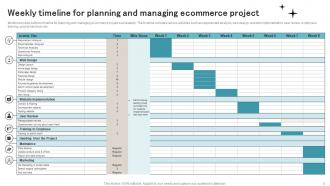
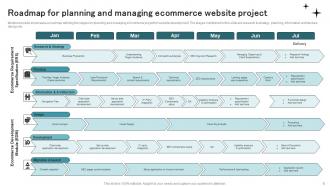
Honestly, it's pretty straightforward - discovery, planning, design/dev, testing, launch, then optimizing forever. First you'll figure out what customers actually want and map out the whole project. Design and development happen at the same time (total chaos but somehow works). Testing is where you'll want to budget extra time because ecommerce sites are weirdly complicated - so many edge cases you didn't think of. Launch day feels amazing for like 5 minutes. Then you're back to tweaking things based on user feedback and performance data. Oh, and test on every device you can get your hands on.
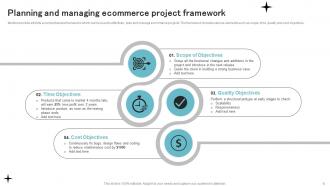
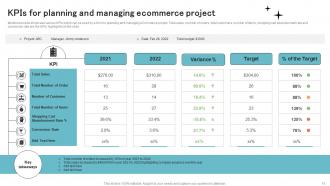
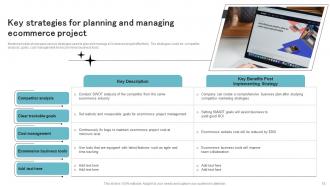
First thing - figure out what actually matters to your business. Revenue? New customers? Better conversions? Whatever it is, that's your north star. From there, pick KPIs that directly tie back to those goals. Think cart abandonment rates, average order value, launch timelines - stuff that actually moves the needle. Honestly, I've watched too many teams get caught up tracking metrics that look impressive but don't change anything meaningful. Keep it simple with 3-5 core KPIs tops. More than that and you'll spread yourself thin. Oh, and write everything down clearly for your stakeholders upfront. Trust me, it saves so many headaches later when everyone's aligned from day one.
Honestly, go with Agile for eCommerce - Waterfall is way too rigid. You'll constantly need to pivot when customer behavior shifts or urgent features pop up. Payment integrations break all the time, seasonal demands hit hard, and don't even get me started on last-minute stakeholder requests (been there, suffered through that). Scrum's perfect for dev sprints. Kanban handles ongoing stuff like content updates and bug fixes really well. Start with 2-week sprints and daily standups - keeps everyone on the same page about what actually matters right now.
Honestly, the biggest thing is just talking to everyone constantly from the start. Map out who needs what info and when, then actually stick to it. Weekly check-ins might feel excessive but trust me, they save your ass later. Always explain WHY you're doing something, not just what's changing. Document everything in writing - seriously, people have selective memory when projects go sideways. When problems come up (and they will), bring solutions too. Don't just dump bad news and run. Being upfront about roadblocks early beats scrambling to explain later why everything's behind schedule.
Dude, UX can make or break your whole eCommerce thing. If people can't figure out how to buy stuff or your checkout sucks, they're gone. I learned this the hard way on a project last year - we had everything working perfectly but nobody could actually use it. Start involving UX people right from the beginning, not when you're almost done. Budget for user testing too. Conversion rates tank when you skip this stuff. My buddy's store saw like 40% better sales after fixing their navigation alone. Don't be the person who builds something technically amazing that nobody wants to actually shop on.
Start with the stuff that actually makes you money - search, checkout, payments. Those break, you're screwed. After that, focus on things that bump conversion like reviews and mobile optimization. I swear, every team I know gets obsessed with some shiny feature that nobody asked for. Stick to the customer journey basics first. Look at your actual user data to see what people care about, not what you think is neat. Build your MVP, ship it, then iterate. Way too many companies try to be everything to everyone right out the gate.
Start with Asana or Monday.com for managing timelines and tasks - they're solid choices. Slack is basically required unless you want email chains to slowly destroy your will to live. Google Analytics and Hotjar will handle your performance tracking needs. Git's the standard for version control too. The real trick though? Pick whatever tools your team will actually stick with. I've seen fancy setups fail because half the team ignored them. Begin with these basics, then add more specialized stuff as things get complicated. Way better than overwhelming everyone from day one.
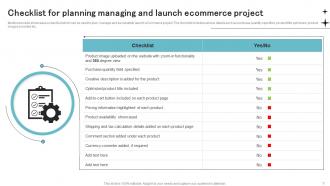
First thing - map out all your data flows and API endpoints before touching anything. Focus on the critical stuff first: inventory, customer data, order processing. Most platforms have connectors for SAP or NetSuite already built in, which honestly will save your sanity. Custom systems though? That's where you'll need middleware or custom APIs. Oh, and definitely test everything in sandbox first - I can't stress this enough. Never go live without testing data sync, especially inventory levels. That's how you end up overselling products that aren't actually in stock. Document each integration point too so you're not totally lost when something inevitably breaks down the road.
Daily standups are clutch for eCommerce - too many moving parts otherwise. I'd definitely grab a project management tool like Asana since you've got dev, design, content, QA all happening at once. Remote teams can't just walk over and ask questions, so yeah, overcommunicate everything. Document stuff as you go. Set up specific hours for urgent questions or you'll get pinged at random times (learned that the hard way). Oh, and start every week reviewing your roadmap together. Everyone needs to know what's actually launching when or you'll have chaos.
Start with stalking your competitors - their pricing, product pages, reviews, the whole deal. I get sucked into their social feeds for hours but honestly it's worth it for the positioning intel. Survey your current customers about what's bugging them and what they want next. Then back that up with Google Trends and keyword tools like SEMrush. Your site analytics will show you how people actually behave vs. what they say they do. The magic happens when you pull insights from all these different angles instead of just going with your gut.
Dude, get everyone aligned on scope and budget before you even touch code - saves so much drama later. Testing always takes longer than you think, so pad that timeline. I learned this the hard way on my last project lol. Document your rollback plans for each release, and honestly? Skip the big launches. Do phased rollouts instead - way less stressful. Weekly check-ins with both dev team and business folks keep everyone sane. Oh, and write everything down as you go because you'll forget the weird edge cases by next month. Trust me on that one.
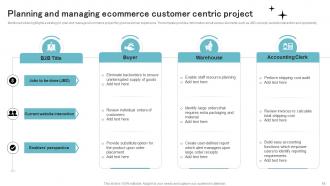
Honestly, good communication saves your sanity when running an eCommerce project. Set up weekly standups so everyone knows what's happening. Use something like Slack or Asana to keep conversations in one spot - trust me, hunting through email chains is the worst. Document your decisions too, otherwise stakeholders will try changing everything last minute. I've seen too many launches go sideways because developers and designers weren't on the same page about specs. Regular check-ins and shared project tools aren't glamorous, but they'll prevent those "wait, what are we building again?" moments that kill timelines.
Scope creep is your biggest enemy - clients will always want "just one more thing." Don't underestimate how messy integrations get, and honestly? Third-party APIs are basically guaranteed to break something initially. Get your dev team involved in timeline planning from day one. I learned this the hard way on my last project. Testing takes way longer than you think, especially payments and mobile stuff. Most launches crash and burn because teams skip proper QA to hit deadlines. Build in at least 20-30% buffer time and lock down scope before anyone writes a single line of code.
Honestly, you've gotta nail down those SLAs from day one and actually track if they're hitting their marks. I do weekly check-ins for complex stuff, bi-weekly for simpler projects - learned this after a payment vendor ghosted us for two weeks straight. Super annoying. Document everything in shared tools so your whole team can see what's up. Red flags? Missed deadlines, scope creep, or just crappy communication. Always have backup vendors ready, especially for critical stuff. Oh and treat it like any other project - real metrics, real accountability. Don't let them slide on anything.
Conversion rates are your main thing to watch - that's what actually tells you if you're making money. Also track average order value and cart abandonment (ugh, so frustrating when people bail). Site speed matters more than most people think. Customer acquisition cost vs lifetime value shows if you're profitable long-term. The boring stuff like bounce rates and mobile performance? Yeah, track those too. Traffic sources are huge - gotta know which channels bring people who actually buy stuff. I'd set up weekly dashboard reviews instead of monthly ones. You catch problems way faster that way.
-
SlideTeam never fails to surprise me with its amazing PPT designs. Thanks team for providing me with your constant support!
-
Great quality product.