

Polyhydramnios Cystic Fibrosis PPT Graphics ACP





Try Before you Buy Download Free Sample Product
 Impress Your
Audience
 100%
Editable
 Save Hours
of Time


Elevate your presentations with our Polyhydramnios Cystic Fibrosis PowerPoint graphics. This comprehensive deck features visually engaging slides, expert insights, and data-driven visuals tailored for healthcare professionals. Perfect for academic, clinical, or research settings, it effectively communicates complex information with clarity and professionalism. Enhance your impact today.
People who downloaded this PowerPoint presentation also viewed the following :
Polyhydramnios Cystic Fibrosis PPT Graphics ACP with all 39 slides:
Use our Polyhydramnios Cystic Fibrosis PPT Graphics ACP to effectively help you save your valuable time. They are readymade to fit into any presentation structure.

















FAQs for Polyhydramnios Cystic Fibrosis
Potential causes of polyhydramnios in cystic fibrosis pregnancies include fetal gastrointestinal obstructions like meconium ileus, impaired fetal swallowing mechanisms, and altered amniotic fluid regulation due to CFTR protein dysfunction. These complications can significantly impact maternal and fetal outcomes, with early detection through advanced ultrasound monitoring enabling timely interventions and improved pregnancy management strategies.
Cystic fibrosis impacts fetal swallowing by causing thick, viscous secretions that obstruct the gastrointestinal tract, particularly creating meconium ileus and reducing normal amniotic fluid absorption. This impaired swallowing mechanism disrupts the natural fluid balance, with many obstetric cases finding that decreased fetal gut motility and compromised digestive function ultimately contribute to polyhydramnios development.
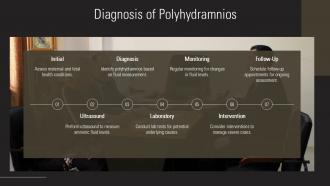
Diagnostic tests for polyhydramnios in cystic fibrosis pregnancies include ultrasound amniotic fluid index measurement, detailed fetal anatomy scans, amniocentesis for genetic analysis, and maternal glucose tolerance testing. These assessments enable healthcare providers to monitor fluid levels, detect fetal abnormalities, and guide treatment decisions, ultimately delivering comprehensive prenatal care and improved outcomes for both mother and baby.
Polyhydramnios symptoms in expectant mothers with cystic fibrosis include excessive abdominal swelling, breathing difficulties, increased back pain, premature contractions, and reduced fetal movement sensation. These symptoms often present more intensely in cystic fibrosis patients due to their existing respiratory challenges, with many obstetricians finding that early monitoring enables better management of both maternal comfort and pregnancy outcomes.
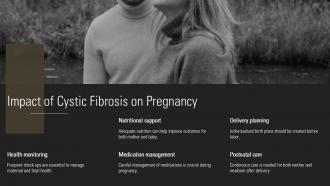
Polyhydramnios complicates cystic fibrosis pregnancies by requiring enhanced maternal monitoring, specialized nutritional support, and coordinated pulmonary care throughout gestation. This condition necessitates multidisciplinary management involving maternal-fetal medicine specialists, pulmonologists, and nutritionists, with many healthcare systems finding that early intervention protocols significantly improve both maternal respiratory function and fetal outcomes.
Polyhydramnios in cystic fibrosis pregnancies can indicate fetal gastrointestinal complications, particularly meconium ileus, while also increasing risks of preterm labor, cord prolapse, and placental abruption. This condition requires enhanced monitoring through serial ultrasounds and amniocentesis, with many maternal-fetal medicine specialists finding that early detection enables coordinated neonatal care planning, ultimately improving outcomes for CF-affected infants.
Genetic counseling helps families understand CF inheritance patterns, assess recurrence risks for future pregnancies, and evaluate the likelihood of polyhydramnios complications based on specific genetic mutations. Through comprehensive risk assessment and family history analysis, counselors enable informed reproductive decisions, facilitate early monitoring protocols, and coordinate multidisciplinary care planning, ultimately delivering personalized management strategies and enhanced pregnancy outcomes.
Maternal hydration in cystic fibrosis patients with polyhydramnios requires careful balance, as adequate fluid intake supports overall maternal health and circulation while avoiding excessive hydration that could worsen amniotic fluid accumulation. Healthcare providers monitor fluid levels closely, with many obstetric teams finding that strategic hydration management, combined with frequent ultrasounds and electrolyte monitoring, ultimately delivers better maternal outcomes and fetal stability.
Recommended monitoring strategies include serial ultrasounds for amniotic fluid assessment, fetal growth tracking, maternal glucose screening, and specialized genetic counseling sessions. These comprehensive approaches enable healthcare teams to detect complications early, adjust treatment protocols promptly, and coordinate multidisciplinary care plans, with many maternal-fetal medicine specialists finding that proactive monitoring significantly improves outcomes for both mother and baby.
Polyhydramnios in mothers with cystic fibrosis often necessitates cesarean delivery due to increased risks of uterine overdistension, preterm labor, and respiratory complications during vaginal birth. These delivery modifications, while presenting additional challenges for mothers already managing compromised lung function, ultimately enable safer outcomes through controlled timing and reduced labor stress, with many maternal-fetal medicine specialists finding that proactive delivery planning significantly improves both maternal respiratory stability and neonatal outcomes.
Managing polyhydramnios in cystic fibrosis requires coordinated care involving maternal-fetal medicine specialists, genetic counselors, neonatologists, pulmonologists, and gastroenterologists. These multidisciplinary teams enhance outcomes by providing comprehensive prenatal monitoring, genetic assessment, and immediate postnatal respiratory support, while ensuring seamless care transitions that ultimately deliver improved maternal safety and optimized newborn management strategies.
Children born to mothers with cystic fibrosis and polyhydramnios face increased risks including potential respiratory complications, gastrointestinal issues, and developmental challenges requiring comprehensive monitoring. These conditions necessitate multidisciplinary care approaches involving pulmonologists, gastroenterologists, and pediatric specialists, with many healthcare institutions finding that early intervention programs and coordinated treatment plans significantly enhance long-term outcomes and quality of life.
Healthcare providers can better support families through comprehensive genetic counseling, multidisciplinary care coordination, early intervention planning, and emotional support resources. By connecting families with CF specialists, nutritionists, and support groups while providing clear communication about treatment options, providers enable informed decision-making and reduce anxiety, ultimately delivering more personalized care experiences.
Current research explores genetic markers, prenatal screening improvements, and fetal swallowing mechanisms that link cystic fibrosis mutations to polyhydramnios development. These studies enhance early detection through advanced ultrasound techniques, genetic counseling protocols, and maternal-fetal medicine approaches, with many medical centers finding that integrated screening delivers earlier interventions, improved pregnancy outcomes, and better family planning strategies.
Psychosocial factors significantly impact expectant mothers facing polyhydramnios and cystic fibrosis through heightened anxiety, emotional stress, relationship strain, and concerns about their child's future quality of life. These psychological challenges can affect maternal mental health, bonding processes, and decision-making capabilities, while comprehensive support systems, counseling services, and peer support groups help mothers navigate this complex journey, ultimately enhancing coping mechanisms and family resilience.
-
Slideteam offers pocket-friendly products. As a college student this is a really necessary thing to look at while paying for something.
-
Excellent Designs.