

Process Design In Operation Management Powerpoint Ppt Template Bundles





Try Before you Buy Download Free Sample Product
 Impress Your
Audience
 100%
Editable
 Save Hours
of Time


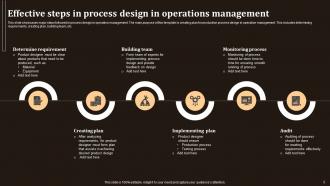
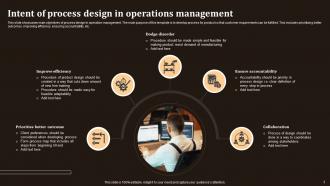
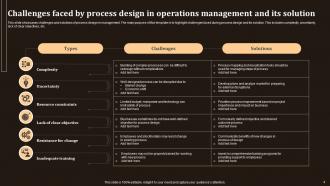
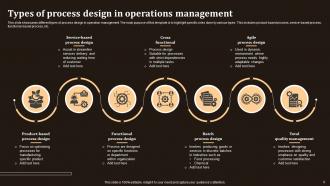
Explore the transformative world of operation management with our comprehensive PPT on Process Design.Delve into the intricacies of workflow design, process analysis, and process mapping, uncovering the core elements that optimize operational efficiency. Discover the art of process automation, revolutionizing traditional workflows and enhancing productivity. Our presentation offers in-depth insights into streamlining operations, identifying bottlenecks, and deploying strategic measures for seamless workflow orchestration. With comprehensive visual aids and strategic guidance, navigate the complexities of process design to propel your business towards enhanced productivity, cost-effectiveness, and operational excellence.
People who downloaded this PowerPoint presentation also viewed the following :
Process Design In Operation Management Powerpoint Ppt Template Bundles with all 28 slides:
Use our Process Design In Operation Management Powerpoint Ppt Template Bundles to effectively help you save your valuable time. They are readymade to fit into any presentation structure.














FAQs for Process Design In Operation Management Powerpoint
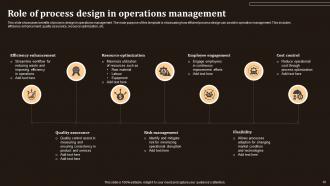
Key elements include process objectives, stakeholder requirements, resource allocation, workflow sequences, performance metrics, risk assessment, and technology integration. These components work together by ensuring alignment with business goals, optimizing resource utilization, and minimizing bottlenecks, with many organizations finding that strategic process design delivers enhanced operational efficiency and competitive advantage.
Process mapping improves operational efficiency by identifying bottlenecks, eliminating redundant steps, and streamlining workflows across departments. Through visual documentation, organizations can reduce processing times, minimize errors, and optimize resource allocation, with many manufacturing and financial services companies finding that standardized processes ultimately deliver faster turnaround times and enhanced customer experiences.
Stakeholder involvement ensures process design addresses real operational needs, identifies potential bottlenecks, and gains organizational buy-in through collaborative input from end-users, managers, and customers. This inclusive approach streamlines implementation, reduces resistance to change, and delivers more practical solutions, with many organizations finding that early stakeholder engagement significantly improves process adoption rates and long-term success.
Technology enhances process design through automation tools, data analytics platforms, simulation software, AI-powered optimization, and digital workflow systems. These technologies streamline operations by identifying bottlenecks, predicting outcomes, and enabling real-time adjustments, with manufacturing and healthcare organizations finding that automated process design reduces costs while improving efficiency and scalability.
Common pitfalls include overcomplicating workflows, failing to involve stakeholders early, neglecting change management, ignoring existing organizational culture, and skipping thorough testing phases. These oversights often result in processes that look good on paper but fail in practice, with many organizations finding that successful process design requires balancing efficiency with user adoption and operational realities.
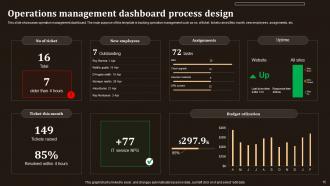
Performance metrics can be integrated into process design by establishing key performance indicators during the planning phase, embedding measurement points at critical process steps, and creating automated data collection systems. Through dashboard technologies and real-time monitoring tools, organizations in manufacturing, healthcare, and financial services streamline operations, reduce bottlenecks, and enhance decision-making capabilities, ultimately delivering measurable improvements in efficiency and competitive advantage.
Continuous improvement techniques in process design include Lean Six Sigma methodologies, value stream mapping, root cause analysis, process automation, and regular performance benchmarking. These approaches streamline operations by eliminating waste, reducing cycle times, and enhancing quality control, with many manufacturing and service organizations finding that systematic implementation delivers measurable cost reductions and competitive advantage.
Cultural factors significantly influence process design through communication styles, decision-making hierarchies, risk tolerance levels, and collaboration preferences within organizations. These cultural elements shape workflow structures, approval mechanisms, and team interactions, with companies in collectivist cultures often favoring consensus-driven processes while individualistic environments streamline autonomous decision-making, ultimately delivering culturally aligned operational efficiency.
Regulatory compliance significantly shapes process design by requiring structured documentation, standardized workflows, and built-in audit trails to meet industry requirements. Organizations in healthcare, financial services, and manufacturing find that compliance-driven designs enhance operational transparency, reduce risk exposure, and streamline regulatory reporting, ultimately delivering competitive advantages through demonstrable governance and stakeholder trust.
Lean principles streamline process design by eliminating waste, reducing cycle times, implementing continuous improvement methodologies, and optimizing resource allocation through value stream mapping. These approaches enable organizations to enhance operational efficiency, minimize redundant activities, and accelerate delivery timelines, with manufacturing and healthcare sectors finding that lean implementation delivers significant cost reductions and improved customer experiences.
Business process reengineering involves radical redesign and complete transformation of existing workflows, while process improvement focuses on incremental enhancements and optimization of current systems. Reengineering typically delivers dramatic cost reductions and efficiency gains through fundamental restructuring, whereas improvement initiatives provide steady, measurable progress, with many organizations finding that strategic combination of both approaches maximizes operational advantage.
Identifying processes for redesign involves analyzing performance metrics, customer feedback, employee input, resource consumption, and compliance gaps to pinpoint inefficiencies and bottlenecks. Organizations prioritize based on business impact, implementation feasibility, and strategic alignment, with many finding that processes affecting customer experience, operational costs, or regulatory compliance deliver the highest returns on redesign investments.
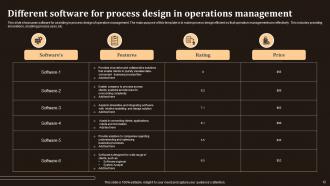
Process design visualization tools include flowchart software like Visio and Lucidchart, business process modeling platforms such as Bizagi and ARIS, and collaborative diagramming solutions like Miro and Draw.io. These technologies streamline workflow mapping, enhance cross-functional communication, and accelerate process optimization, with many organizations finding that visual documentation reduces implementation errors while improving stakeholder alignment and operational efficiency.
Employee feedback shapes better process design initiatives by identifying operational bottlenecks, revealing user experience gaps, and highlighting workflow inefficiencies that leadership might overlook. Through structured feedback mechanisms, organizations streamline processes, enhance employee satisfaction, and reduce execution time, with many companies finding that frontline insights deliver significantly more practical and sustainable process improvements than top-down approaches alone.
Prototyping in process design delivers enhanced visualization, early error detection, stakeholder alignment, reduced implementation costs, and improved user acceptance. Through iterative testing and refinement, organizations across manufacturing, healthcare, and financial services streamline workflows, minimize operational risks, and accelerate time-to-market, ultimately achieving greater efficiency and competitive advantage.
-
Impressive templates. Designing a presentation is fun now!
-
Incredibly beautiful designs that will help you get noticed! These eye-catching templates are perfect for corporate presentations that can be altered to fit any occasion or taste.