


Process for identifying the stakeholder engagement powerpoint presentation slides




Try Before you Buy Download Free Sample Product
 Impress Your
 Audience
 100%
100% Editable
 Save Hours
 of Time


Our Process For Identifying The Stakeholder Engagement Powerpoint Presentation Slides are topically designed to provide an attractive backdrop to any subject. Use them to look like a presentation pro.
People who downloaded this PowerPoint presentation also viewed the following :
Process for identifying the stakeholder engagement powerpoint presentation slides with all 45 slides:
Use our Process For Identifying The Stakeholder Engagement Powerpoint Presentation Slides to effectively help you save your valuable time. They are readymade to fit into any presentation structure.

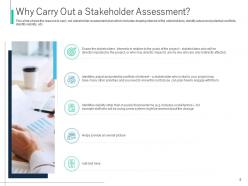
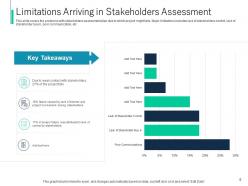
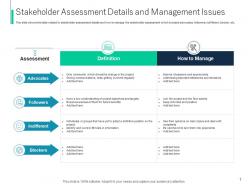
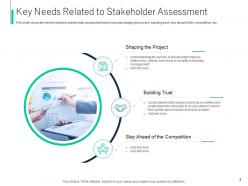


FAQs for Process for identifying the stakeholder engagement
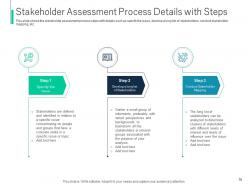
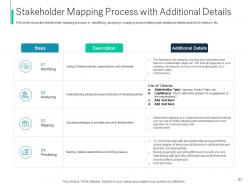
Honestly, stakeholder management is way less complicated than people make it sound. Start by mapping out who's actually involved - you'll always miss someone at first, trust me. Then figure out their influence levels and how much they care about your project. Some people have tons of power but zero interest, which is honestly ideal. Based on that analysis, create your engagement plan. Execute it, but don't just set it and forget it - you've got to keep adjusting based on what's working. The whole thing's more of a cycle than a checklist, so don't stress about getting it perfect upfront.
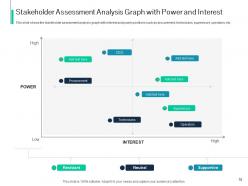
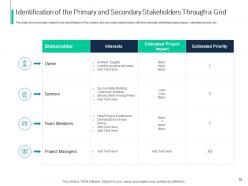
So first thing - list out everyone who's connected to your work. Customers, employees, suppliers, regulators, your local community. Sometimes even competitors matter. I make this grid thing where I plot them by how much power they have vs how much your decisions actually hit them. The people with tons of power AND high stakes? Those are your VIPs - they need constant attention. High power but less invested still deserve regular check-ins because honestly, they can destroy you if they want. Here's the real trick though: be brutally honest about where people actually land on that grid, not where you think they should be. Then just divide up your time based on that.
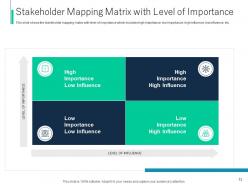
So a stakeholder mapping matrix is probably your best bet - just plot everyone by how much influence they have versus how interested they are in your project. Power/interest grids are crazy popular for good reason. RACI charts work too if you need to map out who's responsible for what. Honestly though? Sometimes I think people overcomplicate this stuff - even a basic spreadsheet can do the trick when you're starting out. There's also the MENDELOW matrix that splits stakeholders into four boxes. Oh, and influence network diagrams help you see how everyone connects. Just don't forget to update whatever you choose because people's roles change constantly.
Look, people just want to feel heard, you know? When you actually respond to their input and keep them in the loop with regular updates, they feel like they're part of the process instead of just... watching from the sidelines. There's a massive difference between being invited to help make decisions versus getting an email afterward saying "here's what we decided." Two-way communication is everything - don't just blast information at them. Ask how they want to receive updates first. Some people love detailed reports, others just want the highlights. Makes such a difference in how invested they'll be.
Look, feedback is literally what makes stakeholder engagement actually work instead of just being a fancy presentation. Without it, you're basically just talking at people - which is pretty pointless if you ask me. You want to collect it so you know what's hitting the mark and what's totally missing. Set up multiple ways for people to give input throughout the whole thing, not just at the very end. Oh, and this is crucial - always circle back to show them how you used their suggestions. Even if you couldn't implement something, explain why. People appreciate that transparency way more than you'd think.
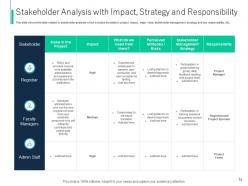
Honestly, start by figuring out what each group actually gives a damn about. Investors? Show them money stuff and ROI. Community folks want to know about environmental impact - that's their thing. Your employees are probably just worried about job security, which makes sense. Match how you talk to each group too. Formal reports work for regulators, but do town halls for community meetings. Some people need the heads up early, others just want the final call. Map out who's got real influence vs who's just affected by everything. Then you can plan specific ways to reach each group. Takes more work upfront but way better results.
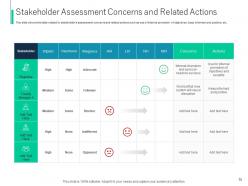
Honestly, the worst part is dealing with everyone's conflicting priorities - like when marketing wants one thing and IT wants something totally different. Map out what each group actually needs upfront so you can find some middle ground. Communication breakdowns are brutal too. Set up regular check-ins from the start, don't wait until things go sideways. And god, people just won't show up to meetings sometimes. Share agendas ahead of time and actually follow through on action items - makes people feel like their time isn't wasted. Oh, and build those relationships early before you desperately need their help later.
Honestly, digital tools are a game changer for getting stakeholders involved. Online surveys and virtual meetings reach way more people than cramming everyone into a conference room. Real-time polls keep folks awake during presentations - trust me on this one. Tools like Miro or Slack work great for collaboration, and dashboards let people check project updates whenever they want. Social media monitoring catches complaints you'd totally miss otherwise. But here's the thing - don't go crazy with platforms. Pick maybe 2-3 that your people actually use. Nobody wants to learn five new apps just to give you feedback.
So you'll want to look at the obvious stuff first - how many people actually show up to meetings, response rates on surveys, that kind of thing. But honestly, the soft metrics are where the real insight lives. Check sentiment in their feedback, whether conflicts are dropping off, if people seem more willing to collaborate. Trust scores from surveys help too. Oh, and definitely baseline everything before you start - otherwise you're just guessing if things are getting better. The "do they feel heard" question is probably the most telling one.
Okay so here's the thing - talking to stakeholders early saves you from nightmare changes later when everything's already built. You'll get way better ideas upfront too. People actually want to help when they feel included, which means long-term support for your project. I learned this the hard way on my last one lol. Early engagement catches problems you'd never think of on your own. Sure, it feels like extra meetings at first, but trust me - the relationships you build carry over to future work. Map out who matters most and set up regular check-ins from day one.
Honestly, just be straight up with people - don't promise stuff you can't actually deliver. Listen to everyone, not just the voices that agree with you (which is harder than it sounds, trust me). Some stakeholders might be scared to push back, especially against big orgs, so make it easy for them to speak up. Follow through when you say you'll do something. Oh and here's the thing - treat them like actual partners instead of just mining them for info. People can smell that fake consultation BS from a mile away. Create spaces where they feel safe being honest with you.
Honestly, just be super clear about your plan from the start - timelines, how you'll use their feedback, the whole thing. Write everything down and make sure people can actually see those notes later. Keep everyone posted regularly, even when stuff goes sideways (and trust me, it will). The biggest thing though? Circle back and show them what happened with their ideas. If you couldn't use something, explain why. I usually just do quick email updates or a basic dashboard showing "here's what we heard, here's what we're doing about it." It's really about keeping that conversation going throughout the whole process.
Honestly, it's all about showing up consistently and actually doing what you say you'll do. Regular check-ins help - not just when you need something from them. Be transparent about project updates, even the messy parts. I've learned that admitting when things go sideways actually builds more trust than acting like everything's perfect. Set up ways for them to give feedback so they feel heard. Oh, and definitely celebrate the wins together - people love recognition. Really though, it's like any relationship. You can't just disappear and expect them to trust you when you randomly pop back up.
Dude, cultural stuff can totally derail your stakeholder meetings if you're not paying attention. Some cultures are super direct, others beat around the bush and want to chat first before any real business happens. Hierarchy matters way more in certain places too - like who speaks when and how you address people. Even basic things like eye contact or meeting structure can come off wrong. I made that mistake big time on a Southeast Asia project a while back, ugh. Just ask your local contacts upfront how they prefer working together. Trust me, it'll save you from looking like an idiot later.
Dude, stakeholder engagement is seriously make-or-break for any change project. I can't stress this enough - people will resist stuff that gets forced on them, but they'll champion changes they actually helped create. You want to get them involved early in the planning, not after you've already decided everything. Map out who your key players are first, then figure out how to engage each group differently. Being transparent helps a ton too. Oh, and actually listen to their feedback instead of just going through the motions - they'll have insights you probably missed. Trust me, engaged stakeholders become your biggest advocates when things get rocky.
-
Thanks for all your great templates they have saved me lots of time and accelerate my presentations. Great product, keep them up!
-
Excellent products for quick understanding.
-
Unique design & color.
-
Unique research projects to present in meeting.
-
Graphics are very appealing to eyes.