

Public Awareness And Education Wildlife Rehabilitation PPT Template ST AI SS





Try Before you Buy Download Free Sample Product
 Impress Your
Audience
 100%
Editable
 Save Hours
of Time


Elevate your wildlife rehabilitation initiatives with our Public Awareness and Education PowerPoint Template. This professionally designed deck features engaging visuals and informative slides, perfect for educating the public on wildlife care. Ideal for workshops, seminars, and outreach programs, it fosters understanding and support for wildlife conservation efforts.
People who downloaded this PowerPoint presentation also viewed the following :
Public Awareness And Education Wildlife Rehabilitation PPT Template ST AI SS with all 9 slides:
Use our Public Awareness And Education Wildlife Rehabilitation PPT Template ST AI SS to effectively help you save your valuable time. They are readymade to fit into any presentation structure.








FAQs for Public Awareness And Education Wildlife Rehabilitation PPT Template
Wildlife rehabilitation's primary goals include rescuing injured or orphaned animals, providing medical treatment and care, preparing them for successful release back into their natural habitats, and supporting conservation efforts. These comprehensive approaches enable wildlife centers to minimize human-wildlife conflicts, restore ecosystem balance, and enhance biodiversity protection, with many rehabilitation facilities finding that their efforts ultimately deliver both immediate animal welfare outcomes and long-term environmental benefits.
Wildlife rehabilitation differs from wildlife rescue by encompassing the complete healing process, including medical treatment, behavioral conditioning, physical therapy, and species-specific care protocols, while rescue focuses primarily on immediate emergency response and animal retrieval. Through comprehensive rehabilitation programs, wildlife centers ultimately deliver successful species reintegration, population conservation, and ecosystem balance restoration, with many facilities finding that long-term care approaches significantly enhance survival rates.
Wildlife rehabilitation centers commonly treat trauma injuries from vehicle strikes, window collisions, and predator attacks, alongside orphaned young animals, poisoning cases, and entanglement wounds from human debris. These facilities increasingly handle urbanization-related injuries and environmental toxin exposure, with many centers finding that habitat loss drives more frequent human-wildlife conflicts, ultimately requiring specialized veterinary care and extended recovery programs.
Local communities serve as wildlife rescuers, volunteer caregivers, educational advocates, funding supporters, and habitat protectors in rehabilitation efforts. Through community-based programs, neighborhoods enhance wildlife recovery by providing immediate rescue response, dedicated volunteer hours, and local funding initiatives, while conservation groups increasingly find that community engagement delivers both successful animal releases and long-term habitat preservation.
Rehabilitation centers ensure optimal outcomes by providing species-appropriate medical care, creating natural habitat conditions, minimizing human contact, and implementing graduated release protocols. Through specialized veterinary treatment and behavioral conditioning, facilities like those treating sea turtles, raptors, and marine mammals achieve higher survival rates while maintaining wild instincts, ultimately delivering successful reintegration with reduced recidivism.
Wildlife rehabilitation involves ethical considerations including animal welfare prioritization, natural behavior preservation, human-wildlife conflict balance, resource allocation decisions, and release versus euthanasia determinations. These considerations guide rehabilitation centers by ensuring species-appropriate care, minimizing human imprinting, and maintaining ecological balance, with many wildlife organizations finding that structured ethical frameworks ultimately deliver better conservation outcomes while respecting both individual animals and ecosystem health.
Success rates are assessed through post-release monitoring using GPS tracking, banding programs, survival analysis, and behavioral assessments that measure adaptation to natural environments. Wildlife rehabilitation centers increasingly combine these methodologies with long-term population studies, enabling organizations to refine treatment protocols, enhance release strategies, and ultimately deliver improved conservation outcomes while demonstrating measurable impact to stakeholders.
Wildlife rehabilitation requires specialized training in animal handling, veterinary care techniques, species-specific nutrition, and wildlife disease management, with many programs offering certification through organizations like the National Wildlife Rehabilitators Association. Professional rehabilitators typically complete hands-on apprenticeships, veterinary science courses, and federal permitting processes, ultimately delivering expert care that enhances animal recovery rates and successful release outcomes.
Wildlife rehabilitation significantly impacts biodiversity conservation by rescuing injured animals, treating diseases, preventing local extinctions, and maintaining genetic diversity within populations. These programs enhance ecosystem stability by returning healthy animals to their habitats, with many conservation organizations finding that rehabilitation efforts, combined with habitat protection and education initiatives, ultimately strengthen species resilience and deliver measurable conservation outcomes across diverse ecosystems.
Wildlife rehabilitators collaborate with veterinarians through medical consultations, treatment protocols, and surgical procedures, while partnering with wildlife biologists for species-specific care guidance, release site assessments, and population monitoring. These partnerships streamline recovery processes by combining clinical expertise, behavioral insights, and ecological knowledge, ultimately delivering higher survival rates and more successful wildlife reintegration outcomes.
Wildlife rehabilitation organizations face funding shortages, limited veterinary resources, inadequate facilities, volunteer recruitment difficulties, and complex regulatory compliance requirements. These challenges often overwhelm smaller facilities, with many organizations finding that strategic partnerships with veterinary schools, corporate sponsors, and government agencies help streamline operations, enhance care quality, and ultimately deliver better wildlife outcomes while building sustainable programs.
Wildlife rehabilitation techniques include gradual habitat conditioning, behavioral enrichment programs, hunting skill development, social group integration, and medical fitness assessments. These methods enhance survival rates by rebuilding natural instincts, minimizing human dependency, and ensuring physical readiness, with many conservation organizations finding that structured pre-release protocols significantly improve long-term reintroduction success.
Legal regulations significantly shape wildlife rehabilitation through licensing requirements, species-specific handling protocols, release guidelines, and facility standards that ensure both animal welfare and public safety. These frameworks enable rehabilitators to operate professionally while maintaining conservation goals, with many facilities finding that compliance ultimately enhances their credibility, funding opportunities, and collaborative relationships with wildlife agencies.
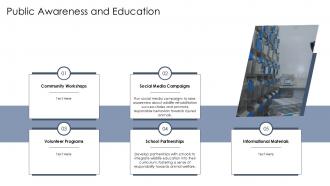
Public awareness and education serve as critical foundations for wildlife rehabilitation by fostering community support, reducing human-wildlife conflicts, and promoting prevention-focused conservation behaviors. Through educational outreach programs, rehabilitation centers build sustainable funding networks, engage volunteers for essential care services, and ultimately create informed communities that minimize wildlife injuries while supporting long-term conservation efforts.
Advancements influencing wildlife rehabilitation include GPS tracking systems, portable ultrasound devices, advanced surgical techniques, telemedicine consultations, and AI-powered diagnostic tools. These technologies streamline patient monitoring, enhance treatment precision, and improve recovery outcomes, with rehabilitation centers finding that remote veterinary support and real-time health tracking ultimately deliver faster recoveries and higher release success rates.
-
Their professional templates are very impressive, even my manager was curious about the source. I am very grateful.
-
I am extremely pleased with these PPT slides that we used for our event. They were easy to modify and came out great in all aspects!