

Real Estate Feasibility Study Powerpoint Ppt Template Bundles





Try Before you Buy Download Free Sample Product
 Impress Your
Audience
 100%
Editable
 Save Hours
of Time


Introducing our comprehensive PowerPoint presentation on Real Estate Feasibility Study, a vital tool for professionals in the real estate dealing and property dealing sectors. Dive into the intricacies of the dynamic real estate market through detailed market studies, analyzing trends, and understanding key factors influencing property values. Uncover the nuances of financial feasibility, enabling informed decision making in real estate ventures. This presentation empowers stakeholders with insights into potential risks and rewards, ensuring a strategic approach to real estate investments. Elevate your understanding of the real estate market with this essential resource, bridging the gap between property dealing and sound financial feasibility studies. Stay ahead in the real estate game with our meticulously crafted PPT, tailored for success in the competitive real estate landscape.
People who downloaded this PowerPoint presentation also viewed the following :
Real Estate Feasibility Study Powerpoint Ppt Template Bundles with all 25 slides:
Use our Real Estate Feasibility Study Powerpoint Ppt Template Bundles to effectively help you save your valuable time. They are readymade to fit into any presentation structure.
-

Real Estate Feasibility Study
-

Components of real estate feasibility study
-

Financial metrics for real estate feasibility study
-

Different levels of real estate feasibility study
-

Real estate dashboard to perform feasibility study
-

Impact of real estate feasibility study on property development
-

Categories of cost involved in real estate feasibility study
-

Various types of real estate development feasibility studies
-

Tools for real estate feasibility study
-

Steps to conduct real estate feasibility study
-

Real estate rental feasibility study
-
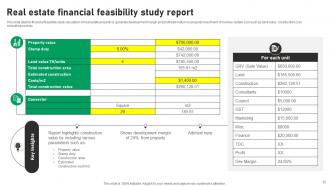
Real estate financial feasibility study report
-
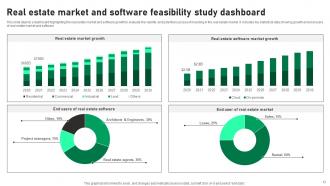
Real estate market and software feasibility study dashboard
-

Real estate market feasibility study icon
-
Feasibility icon to study real estate business deal
-

Real estate financial feasibility study icon
-

Thanks for watching
-

-

-

-

-

-

-

-

FAQs for Real Estate Feasibility Study Powerpoint
Honestly, just hit these main things: check out the market demand and what your competition's doing, crunch the numbers on construction costs and potential profits, and really dive into the location stuff - zoning, accessibility, where the neighborhood's heading. The environmental assessments are super boring but they'll torpedo your whole project if you skip them. Same with permits. I'd make a basic checklist so you don't forget anything important. Oh, and stress-test your projections with worst-case scenarios because things always cost more than you think. Being realistic about the risks upfront will save you tons of headaches later.
Honestly, market trends will make or break your feasibility study. You're planning office space but everyone's working remote? Your occupancy numbers are screwed. Interest rates, buying patterns, gentrification – all that stuff directly hits your demand forecasts. I've watched studies that looked bulletproof completely fall apart when they missed market shifts. Here's what I do: pull at least 3-5 years of trend data and cross-check everything. Build in different scenarios too because markets are weird right now. Don't just assume things'll stay the same – they won't.
Honestly, just nail down these five metrics first: NPV, IRR, and cash-on-cash return are your bread and butter. NPV shows actual dollar value after accounting for time, IRR gives you the percentage return, and cash-on-cash is perfect for comparing different deals. Payback period matters too - plus debt service coverage ratio if you're working with lenders (they eat that stuff up). These five will tell you if your project's worth pursuing. Once the numbers look decent, then maybe dive into sensitivity analysis, but don't overthink it at the start.
So demographic data basically shows you who's gonna live there, which beats wild guessing by miles. Look at age groups, income, household sizes, population trends - all that stuff validates if people actually want your property type. Building fancy condos near a college campus? Yeah, that's not gonna work. This data helps you figure out unit sizes, realistic pricing, what amenities people care about. Census reports and local planning docs are your best bet - they're free and way more detailed than you'd expect. Honestly took me forever to realize how useful that stuff actually is.
Dude, check zoning FIRST before you do anything else. Seriously - I've seen people waste weeks on financial models only to find out they can't even build what they want. Look up height limits, setbacks, parking requirements, all that boring stuff. Your intended use might not even be allowed there. Call the planning department too because sometimes there's weird overlay districts that aren't obvious online. Oh and make sure no zoning changes are coming down the pipeline. Trust me, zoning will either make your project work or completely kill it - no point getting excited about numbers if the city won't let you build.
Oh man, environmental stuff will totally torpedo your project if you're not careful. You could find contaminated soil, wetlands, endangered species - all kinds of nightmare scenarios that'll either cost a fortune to fix or straight up block development. I've seen cleanup costs exceed entire project budgets (painful lesson there). Permits can get held up for months too, which screws your timeline and financing. My advice? Get that Phase I done super early and pad your budget for surprises. Better to know upfront than get blindsided later.
So there's three main things you'll want to look at - market analysis, financial modeling, and site stuff. Start with comparable properties and rental rates in your area. Cash flow projections and NPV calculations come next, though honestly most people just drown in spreadsheets at this point lol. For the site analysis you're checking zoning, environmental issues, development costs - the usual suspects. Some fancy teams do Monte Carlo simulations but that's probably overkill starting out. I'd just build a simple discounted cash flow model first and add complexity later once you don't hate Excel.
Dude, financing can totally make or break your deal. I've watched solid projects crash just because the debt structure was garbage. Your interest rate matters huge - something profitable at 5% might be a disaster at 8%. Different loan types mess with your equity needs and when cash flows during construction too. The timeline gets weird depending on what financing you land. Really, you gotta run the numbers on multiple scenarios super early. Don't wait until you're deep into feasibility to realize your IRR sucks with the actual rates you can get.
Dude, get the feasibility study. Seriously. It's like getting a full checkup on the deal before you write any big checks. You'll see market conditions, financing options, zoning issues - all that stuff that could kill your project later. My cousin skipped this once and got burned hard on some rental property thing. Short sentences work better here. The study shows you if there's actual demand and whether your numbers make sense. Yeah, it costs a few grand upfront, but way better than losing your shirt on a bad investment.
Honestly, the worst mistake is being way too optimistic with your numbers. I've watched people get excited about a deal and basically make the math work however they want. Also avoid using crappy comparables - like comparing your project to something built five years ago or in a totally different area. Oh, and definitely run worst-case scenarios because stuff WILL go wrong. Construction delays are basically guaranteed, and getting permits takes forever. I learned this the hard way on my first project lol. Keep your assumptions conservative and pad your budget/timeline. Better to be pleasantly surprised than scrambling for more money halfway through.
Honestly, stakeholder involvement can totally make or break your study. Get investors, local government, community groups, and potential tenants talking early - they'll catch stuff you'd never think of. Plus you avoid those awful surprises later when everyone's suddenly against the project. I've watched too many studies look amazing on paper then completely crash because nobody bothered asking the right people what they thought. Oh, and start making that stakeholder list now before you get buried in all the number crunching. Those conversations need to happen first.
Honestly, start with CoStar or LoopNet for comps and market data - they're game changers. For demographic stuff, ArcGIS is solid but pricey if you're just getting started. Excel works fine for financial modeling, or go fancy with Argus if you've got the budget. Drone surveys are actually pretty cool and way cheaper than hiring surveyors every time. Oh, and if you're doing presentations to investors or city councils, VR stuff makes them pay attention way more than boring spreadsheets. I'd build your toolkit gradually though - don't blow your budget on everything at once.
Look, a feasibility study is basically your insurance policy against throwing money at a bad idea. You get the real numbers on costs, revenue potential, market demand - all that stuff that matters when you're not just dreaming about a project. Honestly, I've watched too many people get starry-eyed over some "amazing" opportunity that turned into a nightmare. The study shows you the deal-breakers upfront so you can either walk away or fix problems before they kill you. Banks love seeing them too. Bottom line: it's way cheaper than learning you're screwed after you've already spent everything.
Dude, don't skip community feedback - I've literally watched projects crash and burn because developers ignored this. Angry neighbors showing up to city council meetings? Total nightmare. Start with some informal chats with local leaders, maybe throw together a survey. Residents can mess with your zoning approvals and permits if they're pissed off. But here's the thing - their concerns about traffic or whatever might actually save you from bigger headaches later. When people are on board, it becomes a huge selling point too. Get ahead of this early, trust me.
Look, you gotta bake flexibility right into your feasibility study from day one. Run multiple scenarios - best case, worst case, plus those weird "black swan" events that keep blindsiding everyone lately. Don't just update your comps once a year like most people do. Check them quarterly and keep an eye on leading indicators: employment, interest rates, demographic shifts. Honestly, treating feasibility as a one-time thing is asking for trouble. Make it a living document with regular check-ins so you can adjust before the market makes you scramble.
-
These stunning templates can help you create a presentation like a pro.
-
Stunning collection! With a wide variety of options available, I was able to find a perfect slide for my presentation. Thank you, SlideTeam!