

Realtor Action Plan Powerpoint Ppt Template Bundles





Try Before you Buy Download Free Sample Product
 Impress Your
Audience
 100%
Editable
 Save Hours
of Time


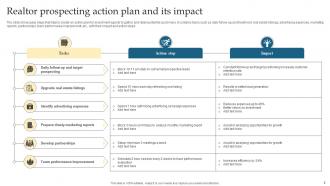
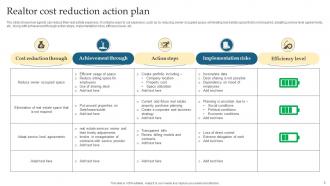
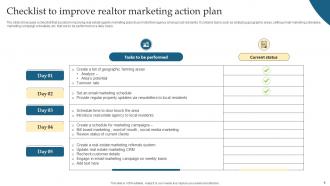
Introducing our comprehensive Realtor Action Plan PowerPoint PPT presentation, designed to empower real estate professionals with effective strategies for success. This professionally crafted PPT offers valuable insights and step-by-step guidance on Realtor Prospecting, helping you identify potential clients and expand your network. Additionally, our presentation covers the Cost Reduction Action Plan, providing practical tips and techniques to optimize your expenses and maximize profitability. Moreover, we delve into the realm of Social Media Marketing, exploring innovative approaches to boost your online presence and engage with your target audience. With visually appealing slides and concise content, our Realtor Action Plan PPT is an essential tool for real estate agents seeking growth, efficiency, and market success.
People who downloaded this PowerPoint presentation also viewed the following :
Realtor Action Plan Powerpoint Ppt Template Bundles with all 18 slides:
Use our Realtor Action Plan Powerpoint Ppt Template Bundles to effectively help you save your valuable time. They are readymade to fit into any presentation structure.










FAQs for Realtor Action Plan Powerpoint
Honestly, start with super clear goals and know exactly who you're targeting. Map out your daily stuff - cold calls, social media outreach, asking for referrals, whatever feels right for you. Here's the thing most people mess up: they don't track anything. You need metrics like calls per day, meetings booked, conversion rates. That's how you figure out what's actually working versus what's just busywork. Oh, and do quarterly check-ins to tweak your approach. Keep it realistic though - the perfect plan you won't follow is useless.
Look at your numbers from the past year first - where deals are coming from, average sale prices, all that stuff. Compare yourself to the top agents in your area (this part honestly stings sometimes, but whatever). Your online presence matters too. How's your website? Social media game strong? Check your referral network - are past clients actually sending people your way? I'd also think about whether you're spread too thin geographically or if there's a niche you should focus on more. Once you see where the gaps are, you'll know what to tackle first. It's like a business checkup basically.
Honestly, I'd start with just 2-3 things you can actually stick with. Social media is huge - Instagram and Facebook work really well for real estate. Google Ads for your area are solid too, plus some basic SEO blog stuff. Email campaigns still crush it for following up with leads, which people forget about. But here's the thing - referrals from past clients are where the real money is. Most successful agents I know get like 70% of their business that way. Oh, and network with mortgage brokers if you can. They're sitting on tons of potential clients. Don't try everything at once though, you'll burn out.
Honestly, tech tools are game-changers for staying on top of your action plan. I'd start with a solid CRM - it'll track your leads and automate follow-ups so you're not constantly playing catch-up. Scheduling apps are clutch too, no more texting back and forth just to book a showing. Automated email sequences have been my lifesaver lately, and transaction management platforms keep all your docs organized (trust me, you'll forget deadlines otherwise). Oh, and social media schedulers keep your posts consistent without the daily stress. Don't go crazy downloading everything though - pick maybe 2-3 tools that fix your biggest headaches first.
Honestly, client feedback is everything - it's like having GPS instead of just guessing which way to go. Ask for it regularly, don't wait until they're annoyed. After big stuff happens, do quick check-ins and actually listen. Maybe they hate all those showings you scheduled, or they want more market info. Sometimes it's random stuff too - like they prefer texts over calls. The whole point is pivoting when needed instead of sticking to your original plan no matter what. It saves everyone headaches later.
Focus on what actually puts money in your pocket first - close those deals sitting in your pipeline, then hunt for new clients. Everything else can wait, honestly. Real estate's built on relationships though, so don't completely ignore the networking stuff since that's where your referrals come from. I'd say write down your top 3 money-making activities and knock those out before you even think about checking Instagram or whatever. Admin work and brand building? Sure, they matter, but they won't pay your bills this month. Just be ruthless about cutting the busy work that feels productive but doesn't actually move anything forward.
Honestly, just focus on four things: how many leads you're getting, how many actually become clients, how fast your listings sell, and your total commission. I used to hate tracking this stuff - felt like homework. But pick maybe 3-4 metrics and check them once a month, not obsessively every day. Marketing ROI is huge too since some channels just drain money without bringing quality people. Simple spreadsheet works fine. First week of each month, look at the numbers and tweak what's not working. Way easier than you'd think.
Honestly, just block out 30 minutes a day for posting and engaging - way better to be consistent than perfect. Share market stuff, behind-the-scenes content, client wins on Instagram, Facebook, and LinkedIn. Videos crush it compared to photos but whatever works for you. Don't just spam listings though - actually build relationships. Comment on local businesses, share community events, hit back everyone who DMs you. Oh and stick to like 2-3 platforms max or you'll burn out trying to keep up everywhere.
Okay so first thing - split your fixed costs (MLS, licensing, insurance) from your marketing budget so you know what you can actually play with. I waste way too much tracking cost-per-lead but honestly it's saved me from throwing money into Facebook ads that do nothing. Start with like 10-15% of commission for marketing but test small amounts on new stuff first. You'll need random money for staging things, client gifts, all that gas driving around. Real estate income is so unpredictable so build in extra cushion. I check what's working every few months and switch things up.
Here's what I'd do - make a "community network" section in your action plan with quarterly goals. Target maybe 2-3 new business partnerships monthly. Mortgage brokers are obvious, but don't forget contractors, home inspectors, even random coffee shops for business cards. Honestly, some of my best referral sources came from just casual conversations with shop owners. Track which relationships actually bring leads though - not all networking is worth your time. Schedule regular check-ins so it stays systematic instead of random. Start simple: list 10 businesses you want to connect with this month and go from there.
Grab some coffee and block out a whole morning for this - don't rush it. First thing: check your actual lead numbers and conversion rates. Which channels brought in real deals? Not just website clicks or whatever. Be brutal about cutting the stuff that flopped. Honestly, making excuses just wastes more time. Double down on what's actually working instead. You can test one new thing per quarter, but that's it. Your target market might've shifted too - buyer behavior changes fast these days. Set measurable 90-day goals and do monthly check-ins. Trust me, quarterly reviews are way more useful than you'd think.
Track your local inventory levels, median prices, and days on market religiously. I check MLS reports monthly - probably too often but whatever. Those numbers tell you if it's a buyer's or seller's market, which completely changes how you price homes and set client expectations. Hot neighborhoods show up in the price trends first, so that's where I focus my prospecting. Honestly, the best part is using this stuff in conversations with clients. Makes you sound like you actually know what's happening instead of just winging it.
Start with your MLS and CRM - I know, they update constantly and it's such a pain. Next, hit up some negotiation classes and market analysis stuff. Social media marketing is huge for leads now. Your state compliance training is boring but mandatory, obviously. For resources, try Inman or NAR's learning center. YouTube actually has decent content too if you dig around. Shadowing successful agents in your area beats most formal training though - you'll learn way more practical stuff. Oh, and pick maybe 2-3 weak spots to work on first instead of trying to do everything at once.
Honestly, just spend 10 minutes doing a "what could go wrong" session for each big goal. Market tanks, clients ghost you, summer gets dead quiet, your CRM crashes - you know the drill. Then figure out plan B for each scenario beforehand. Your main lead source disappears? Better have 2-3 backup options already mapped out instead of panicking later. I learned this the hard way lol. Build some buffer time into your deadlines too. Murphy's Law is basically the unofficial motto of real estate, so having those backup plans sitting in your back pocket will save your sanity when everything inevitably goes sideways.
Oh man, there's so much cool stuff you could try! Virtual neighborhood tours on social are huge right now. Some agents I know do personalized video messages for past clients - works really well. Partner up with local businesses too, that cross-promotion thing is smart. Moving day survival kits are genius honestly. Get your clients sharing their home stories, maybe start a neighborhood newsletter? Instagram takeovers of listings are fun but kinda time-consuming. Pick like 2-3 things max though. Don't go crazy trying everything at once - you'll burn out super fast.
-
I have just started downloading templates for my presentations and I must say this is a great design. It helped accelerate my presentation design process and made it more visually appealing.
-
I faced no difficulty while searching for the slide I wanted. Honestly, the website’s interface is easy to use and can be navigated easily!