


Record Label Marketing Plan To Enhance Brand Image Powerpoint Presentation Slides Strategy CD




Try Before you Buy Download Free Sample Product
 Impress Your
 Audience
 100%
100% Editable
 Save Hours
 of Time


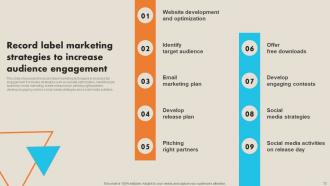
Check out our professionally designed Record Label Marketing Plan to Enhance Brand Image PowerPoint Presentation. Record label marketing encompasses the strategic planning, execution, and implementation of diverse marketing endeavors and campaigns by a record label company to promote its artists, releases, and overall brand. This PPT features an array of record label marketing strategies, including website creation and optimization, target audience identification, email marketing, release planning, and free download tactics. Additionally, the Music Label Promotion PPT templates include contest strategies for meticulously planning social media channels, including Twitter, Facebook, Instagram, Pinterest, TikTok, YouTube, and LinkedIn. Furthermore, the presentations pivotal slides include a budget breakdown for the record label marketing plan, and an examination of the tangible impact that implementing these marketing strategies can have on the business. For further insights into cutting edge record label marketing strategies, we invite you to download our 100 percentage editable and customizable template, compatible with Google Slides, and stay at the forefront of the industrys evolving landscape.
People who downloaded this PowerPoint presentation also viewed the following :
Content of this Powerpoint Presentation
Slide 1: This slide introduces Record Label Marketing Plan to Enhance Brand Image. State your company name and begin.
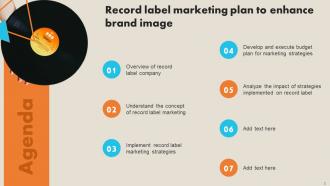
Slide 2: This is an Agenda slide. State your agendas here.
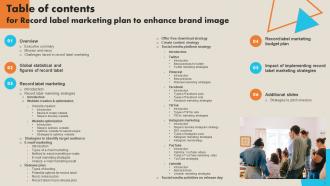
Slide 3: This slide shows Table of Content for the presentation.
Slide 4: This slide shows title for topics that are to be covered next in the template.
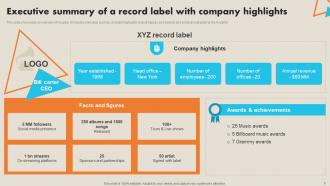
Slide 5: This slide showcases an overview of hospital. It includes elements such as company highlights, facts & figures and awards and achievement given to the hospital.
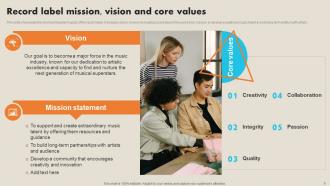
Slide 6: This slide presents the short and long term goals of the record label. It includes mission, vision and core values.
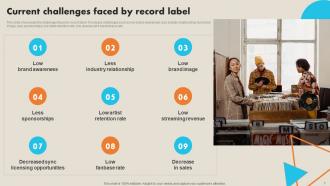
Slide 7: This slide showcases the challenges faced by record label. It includes challenges such as low brand awareness, less industry relationship etc.
Slide 8: This slide shows title for topics that are to be covered next in the template.
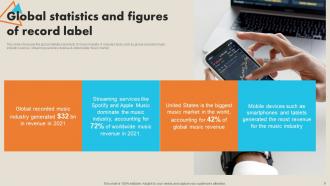
Slide 9: This slide showcase the global statistics and facts of music industry.
Slide 10: This slide shows title for topics that are to be covered next in the template.
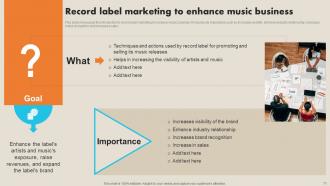
Slide 11: This slide displays the introduction to record label marketing to increase music business.
Slide 12: This slide presents the record label marketing techniques to increase fan engagement.
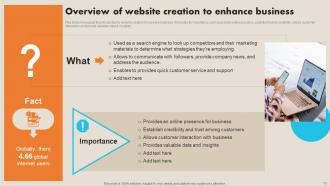
Slide 13: This slide showcases the introduction to website creation to increase business.
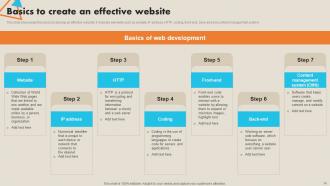
Slide 14: This slide displays the basics to develop an effective website. It includes elements such as website, IP address, HTTP, coding, front-end etc.
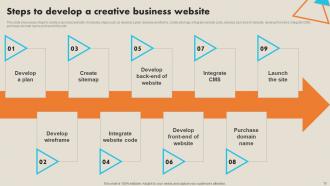
Slide 15: This slide showcases steps to create a business website. It includes steps such as develop a plan, develop wireframe, create sitemap etc.
Slide 16: This slide shows title for topics that are to be covered next in the template.
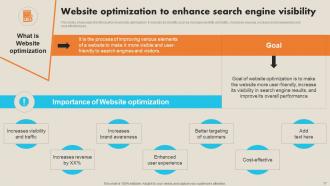
Slide 17: This slides showcases the introduction to website optimization. It includes its benefits such as increases visibility and traffic, increases revenue etc.
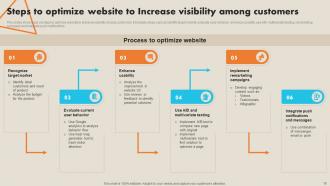
Slide 18: This slides displays six steps to optimize website to enhance visibility among customers.
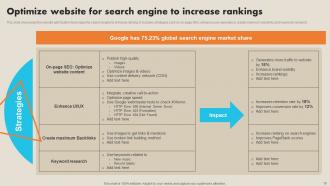
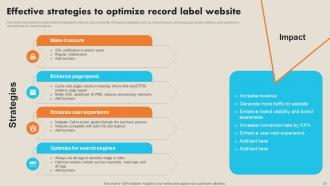
Slide 19: This slide showcases the website optimization techniques for search engine to enhance ranking.
Slide 20: This slide presents the optimization strategies to improve school website.
Slide 21: This slide shows title for topics that are to be covered next in the template.
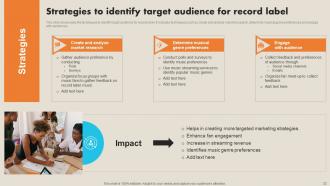
Slide 22: This slide showcases the techniques to identify target audience for record label.
Slide 23: This slide shows title for topics that are to be covered next in the template.
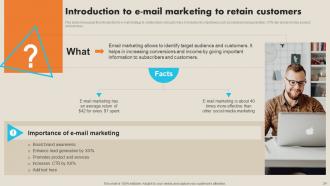
Slide 24: This slide displays the introduction to e-mail strategy to create retain old customers.
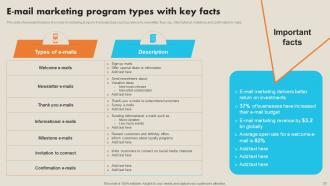
Slide 25: This slide showcases the types of e-mails in marketing program. It includes types such as welcome, newsletter etc.
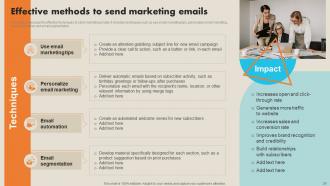
Slide 26: This slide presents the effective techniques to send marketing emails.
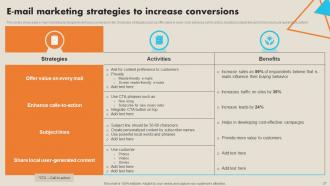
Slide 27: This slides showcases e-mail marketing techniques to enhance conversion rate.
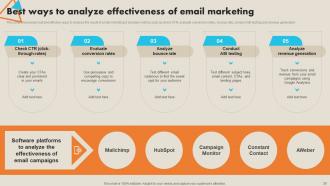
Slide 28: This slide presents the best and effective ways to analyse the result of email marketing.
Slide 29: This slide shows title for topics that are to be covered next in the template.
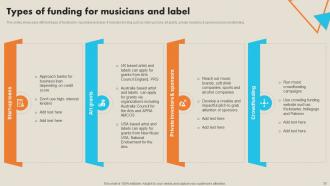
Slide 30: This slides showcases different types of funding for musicians and label.
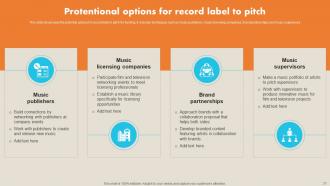
Slide 31: This slide presents the potential options for record label to pitch for funding.
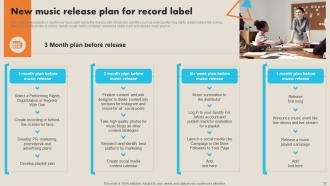
Slide 32: This slide showcases the 3 month new music plan before the release date. It includes activities such as select performing rights etc.
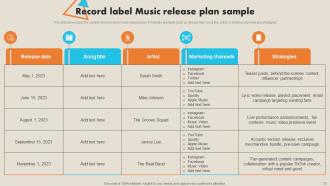
Slide 33: This slide displays the sample of record label music release plan. It includes elements such as release date, song title, artist etc.
Slide 34: This slide shows title for topics that are to be covered next in the template.
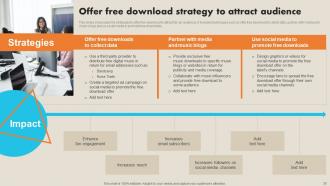
Slide 35: This slides showcases the strategies to offer free download to attract fan an audience.
Slide 36: This slide shows title for topics that are to be covered next in the template.
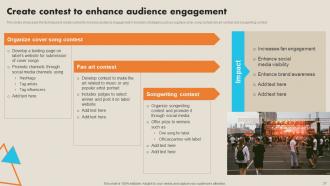
Slide 37: This slides displays the techniques to create contest to increase audience engagement.
Slide 38: This slide shows title for topics that are to be covered next in the template.
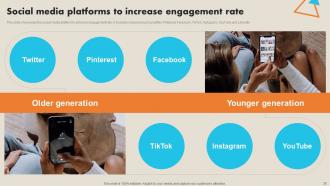
Slide 39: This slide showcases the social media platform to enhance engagement rate. It includes channels such as twitter, Pinterest, Facebook etc.
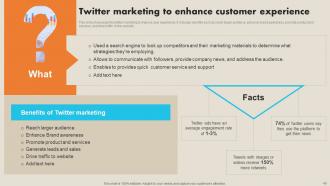
Slide 40: This slide presents the twitter marketing to improve user experience. It includes benefits such as reach larger audience, enhance brand awareness etc.
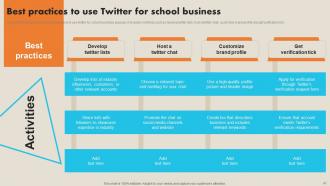
Slide 41: This slide showcases the best practices how to use twitter for school business purpose.
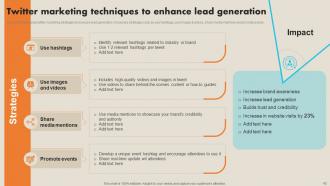
Slide 42: This slide displays twitter marketing strategies to increase lead generation.
Slide 43: This slide shows title for topics that are to be covered next in the template.
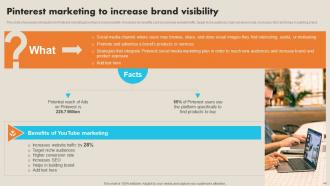
Slide 44: This slide showcases introduction to Pinterest marketing to enhance brand visibility.
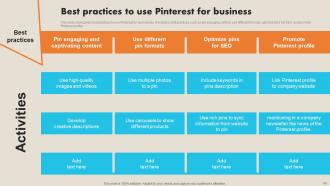
Slide 45: This slide displays the best practices to use Pinterest for businesses including pin engaging content, use different formats etc.
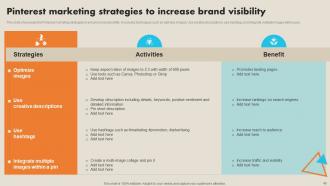
Slide 46: This slide showcases the Pinterest marketing strategies to enhance brand visibility. It includes techniques such as optimize images.
Slide 47: This slide shows title for topics that are to be covered next in the template.
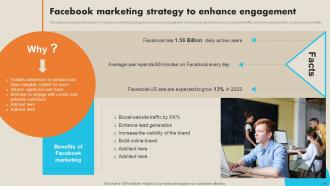
Slide 48: This slides showcases introduction to Facebook marketing strategy to increase user engagement.
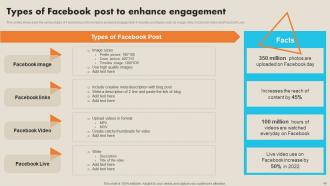
Slide 49: This slides presents various types of Facebook post to increase audience engagement.
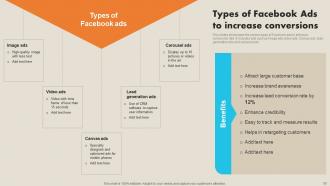
Slide 50: This slides displays the various types of Facebook ads to enhance conversion rate.
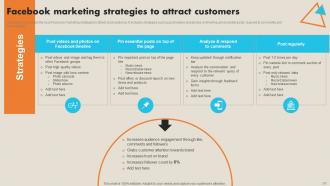
Slide 51: This slides presents the local Facebook marketing strategies to attract local audience.
Slide 52: This slide shows title for topics that are to be covered next in the template.
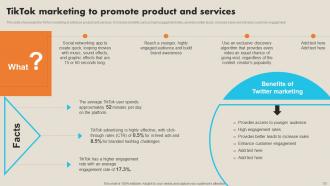
Slide 53: This slide showcases the TikTok marketing to enhance product and services.
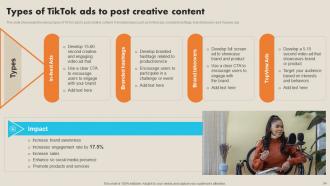
Slide 54: This slide presents the various types of TikTok ads to post creative content. It includes types such as In-feed ads, branded hashtags etc.
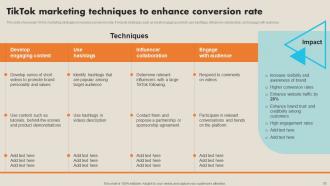
Slide 55: This slide showcases TikTok marketing strategies to increase conversion rate.
Slide 56: This slide shows title for topics that are to be covered next in the template.
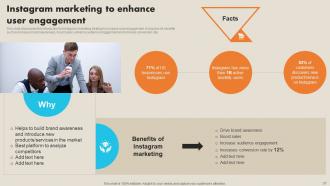
Slide 57: This slide showcases the introduction to Instagram marketing strategy to increase user engagement.
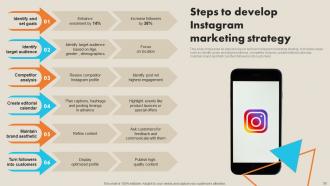
Slide 58: This slide presents a six step process to build an Instagram marketing strategy.
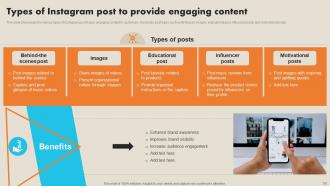
Slide 59: This slide showcases various types of Instagram post to give engaging content to customers.
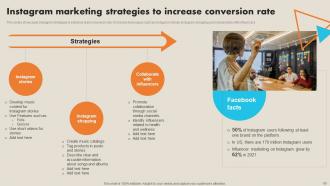
Slide 60: This slides describes Instagram strategies to enhance lead conversion rate.
Slide 61: This slide showcases the website optimization tools to evaluate and analyze website.
Slide 62: This slide shows title for topics that are to be covered next in the template.
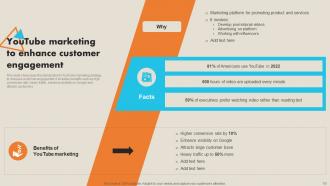
Slide 63: This slide showcases the introduction to YouTube marketing strategy to increase customer engagement.
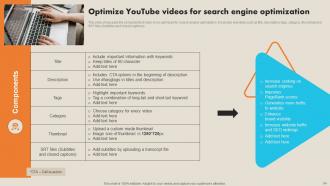
Slide 64: This slide displays the components of video to be optimized for search engine optimization.
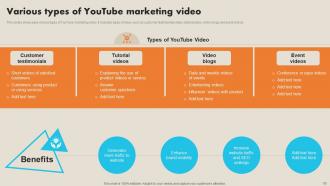
Slide 65: This slides presents various types of YouTube marketing video. It includes types of video such as customer testimonials video, tutorial video etc.
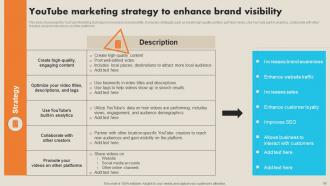
Slide 66: This slide showcases the YouTube Marketing techniques to increase brand visibility.
Slide 67: This slide shows title for topics that are to be covered next in the template.
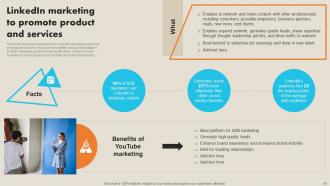
Slide 68: This slide presents introduction to LinkedIn marketing to promote product and services.
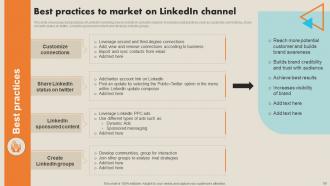
Slide 69: This slide showcases best practices of LinkedIn marketing how to market on LinkedIn channel.
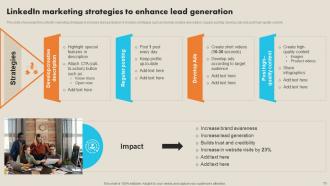
Slide 70: This slide displays the LinkedIn marketing strategies to increase lead generation.
Slide 71: This slide shows title for topics that are to be covered next in the template.
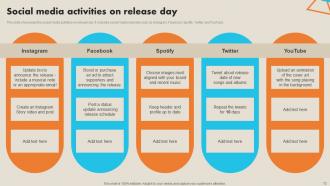
Slide 72: This slide showcases the social media activities on release day. It includes social media channels such as Instagram, Facebook, Spotify, Twitter and YouTube.
Slide 73: This slide shows title for topics that are to be covered next in the template.
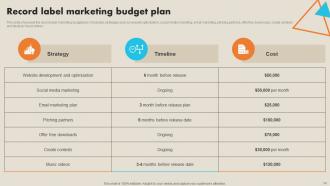
Slide 74: This slide showcase the record label marketing budget plan. It includes strategies such as website optimization, social media marketing etc.
Slide 75: This slide shows title for topics that are to be covered next in the template.
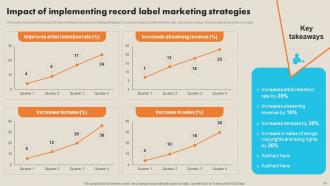
Slide 76: This slide presents the impact of implementing record label marketing strategies.
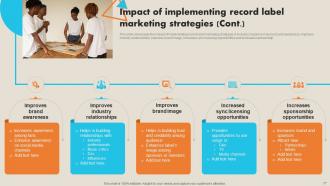
Slide 77: This slide also presents the impact of implementing record label marketing strategies.
Slide 78: This slide shows title for topics that are to be covered next in the template.
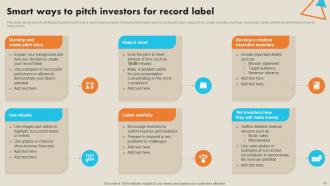
Slide 79: This slides showcases the strategies to pitch investors for a record label company.
Slide 80: This slide shows all the icons included in the presentation.
Slide 81: This slide is titled as Additional Slides for moving forward.
Slide 82: This slide shows Post It Notes for reminders and deadlines. Post your important notes here.
Slide 83: This slide shows SWOT analysis describing- Strength, Weakness, Opportunity, and Threat.
Slide 84: This slide showcases Magnifying Glass to highlight, minute details, information, specifications etc.
Slide 85: This is a Timeline slide. Show data related to time intervals here.
Slide 86: This is an Idea Generation slide to state a new idea or highlight information, specifications etc.
Slide 87: This slide contains Puzzle with related icons and text.
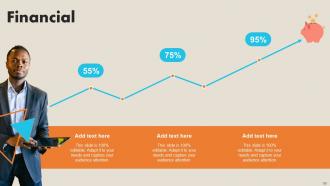
Slide 88: This is a financial slide. Show your finance related stuff here.
Slide 89: This is a Thank You slide with address, contact numbers and email address.
Record Label Marketing Plan To Enhance Brand Image Powerpoint Presentation Slides Strategy CD with all 97 slides:
Use our Record Label Marketing Plan To Enhance Brand Image Powerpoint Presentation Slides Strategy CD to effectively help you save your valuable time. They are readymade to fit into any presentation structure.









FAQs for Record Label Marketing Plan To Enhance Brand Image Powerpoint Presentation
Honestly, start with figuring out who your audience actually is - that's like 80% of the battle right there. Then you gotta nail down your budget, timeline, and where you're gonna promote. Social media and streaming are obvious, but don't sleep on radio and old-school PR stuff. Live shows are still massive for new artists, maybe even more important than people think. Set some actual goals you can measure so you're not just throwing money into the void. Oh, and have backup plans because music marketing always gets weird. Build everything around that target audience though - makes all the other decisions way easier.
Start teasing stuff 2-3 weeks out - behind-the-scenes clips work great, maybe some mysterious posts to get people guessing. TikTok and IG Stories eat this up. Don't drop your whole track at once though, just give little snippets across platforms. Keep them hungry, you know? User-generated content is honestly where you'll see the biggest impact - get fans making their own videos with your sound. Contests are solid too. Oh and definitely work with influencers who actually match the vibe, not just whoever has followers. Set up that content calendar early and actually stick to it.
Data analytics is everything for record label marketing - shows you exactly where your money should go. Track streaming patterns and figure out which demographics actually care about your artists. See what platforms convert best. No more guessing games, you know? Analytics help optimize ad spend and nail release timing. You can even predict potential singles before they blow up. Honestly, labels that ignore this stuff are just burning cash. Set up proper tracking on every campaign first - that way you're working with real fan data instead of random hunches. Makes all the difference.
Look at who's already streaming your artist's stuff - their age, where they live, what else they listen to. Then check out similar artists and see who follows them on socials and shows up to their shows. Data beats guessing every time, trust me. Build some listener profiles from all that info, then run small test ads on Instagram or TikTok to see if you're right. Oh and be super specific with targeting - like "indie rock fans 22-35 in college towns" crushes generic "music lovers" every time. Facebook's audience insights are pretty solid for this too if you haven't tried those yet.
First thing - get their visual identity locked down. Like, everything should feel cohesive across Instagram, TikTok, streaming platforms, all of it. I've literally watched artists take off just because their aesthetic was so recognizable. Show their actual personality through content, not just the glossy performance stuff. Behind-the-scenes videos are gold for building that fan connection. Oh, and definitely collab with similar artists - borrowing each other's audiences works crazy well. Document everything from the start too. You never know what'll become content later, and fans eat up that authentic storytelling vibe.
Honestly, I'd go like 70/30 digital vs traditional. Digital's just so much cheaper and you can actually see what's working. Social media ads, Spotify placements, email lists - that stuff's your bread and butter. But don't totally ignore radio and print because they still give you credibility with certain crowds. My cousin's band got way more traction after some local radio play, weirdly enough. Start heavy on digital foundation then sprinkle in traditional where it makes sense. Test everything though - what works for one artist might flop for another. Move your budget around based on actual streams and sales data.
Honestly, start with social media - Instagram, TikTok, Twitter. Post consistently and actually engage with people, don't just dump content. Email lists are seriously underrated, way better ROI than most people realize. Pitch to playlists (costs nothing but time) and hit up local radio stations - they're always looking for fresh stuff. Oh, and collaborate with other indie labels! You can split costs on events or cross-promote each other's artists. Pick one platform first though, get really good at it, then branch out. Your genuine voice will crush generic big-budget campaigns any day.
Honestly, just go where your fans already hang out - social media, streaming sites, live shows. Behind-the-scenes stuff works great, and actually reply to comments yourself. Instagram Stories and TikTok are huge right now. Do some live streams and Q&As instead of just posting random stuff. Email lists are still solid too - way more personal than social posts. Fans can totally tell when you're being fake, so just be real about it. Pick like 2-3 platforms max and show up consistently. Don't spread yourself too thin or you'll burn out.
Honestly, focus on the stuff that actually matters - streaming numbers, how people engage with your posts, and getting on good playlists. Website visits and email opens are solid too. Follower count? Meh, don't stress about it. I'd rather have 100 people who actually care than 1000 who scroll past everything. Track your ad spend vs what you're getting back - that one's huge. Oh, and set up something simple to check this stuff regularly. I've seen too many artists create these crazy spreadsheets they never look at again.
Honestly, cross-promotion is where the magic happens with collabs. You're literally sharing fan bases - double the reach for the same budget. Fans go crazy for behind-the-scenes stuff too, so milk that content. The trick is finding artists whose audiences actually make sense with yours, not just whoever's available. Plan your marketing moves before you even finish the song - joint livestreams, shared posts, all that good stuff. I've seen too many people just drop a collab and wonder why it flopped. Oh, and make sure it works musically first... obvious but you'd be surprised how often people skip that part!
Honestly, music videos are like the backbone of your whole campaign. You can chop up that footage into tons of short clips for TikTok and Instagram - saves you so much money later. The visual style from your video becomes the template for everything else too: merch designs, tour graphics, all that stuff. Here's what I learned though - you gotta plan for this from the start. Shoot extra random footage, get weird angles, film some behind-the-scenes stuff. I know it sounds like more work, but you'll thank yourself when you need content three months later and don't have to organize another shoot.
Dude, segment your email lists first - split hardcore fans from casual listeners. Send the diehards exclusive previews and behind-the-scenes stuff. Casual fans get lighter content. Most labels just spam everyone with the same boring newsletter, which is why nobody opens them anymore. Interactive stuff works great too - polls about setlists, letting fans vote on artwork, meet-and-greet contests. Makes them feel special instead of just another email address. Oh, and definitely audit who's actually engaging with your current emails before you change everything up. Those are your goldmine subscribers right there.
Dude, live events are where it's at for connecting with fans. Streaming's cool but nothing beats that in-person energy, you know? Fans go nuts on social media after good shows, which is basically free marketing. Virtual concerts are pretty smart too - you can hit audiences worldwide without burning cash on tour buses and hotels. Multiple revenue streams are nice: tickets, merch, VIP stuff. Just make sure whatever you do feels genuine to your artist's vibe. Give people something they can't just get on Spotify. Oh, and definitely start small - no need to go Madison Square Garden right away.
Look for influencers who actually vibe with your artist's sound - don't just chase big numbers. Micro-influencers with 10K-100K followers are honestly your sweet spot. Better engagement and they won't destroy your budget. I've watched so many artists blow cash on huge influencers who obviously couldn't care less about the music they're posting. Build actual relationships instead of just paying for random posts. Hook them up with exclusive stuff - early tracks, behind-the-scenes content, whatever. Oh and track engagement, not just how many people saw it. Let them do their thing creatively too, their audience will spot fake enthusiasm from miles away.
Honestly, music licensing is where most people get screwed over - get those rights locked down first. Copyright claims will destroy your budget faster than anything else. Also grab clearances for samples and covers before you launch anything. Don't forget about advertising rules, especially with younger audiences. Your contracts should cover who can use promotional stuff and how. Trademark your band names too, trust me on that one. Oh and if you're doing contests or collecting emails, privacy laws are a thing now. Basically run everything past a lawyer first - learned that the hard way!
-
Editable, diversified, compatible with MS PPT and Google Slides, and on top of that finest graphics!! I mean in the words of the famous Ross Geller, “What more do you want!”
-
The service is fast, and I could access any presentation after buying the subscription. I don’t think I’ll ever have to worry about a presentation in my life.