


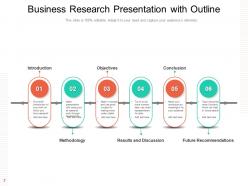
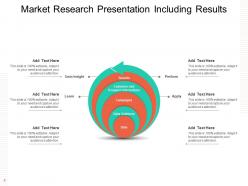
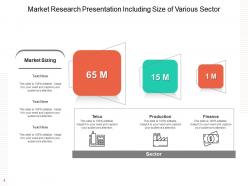
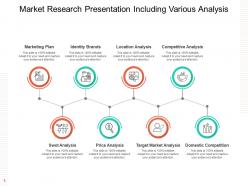
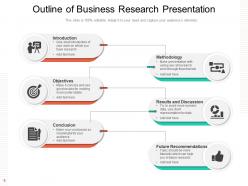
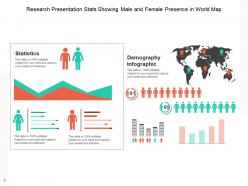
Research presentation business methodology introduction analysis marketing magnifying glass





Try Before you Buy Download Free Sample Product
 Impress Your
 Audience
 100%
100% Editable
 Save Hours
 of Time


Our Research Presentation Business Methodology Introduction Analysis Marketing Magnifying Glass are topically designed to provide an attractive backdrop to any subject. Use them to look like a presentation pro.
People who downloaded this PowerPoint presentation also viewed the following :
Research presentation business methodology introduction analysis marketing magnifying glass with all 12 slides:
Use our Research Presentation Business Methodology Introduction Analysis Marketing Magnifying Glass to effectively help you save your valuable time. They are readymade to fit into any presentation structure.


FAQs for Research presentation business methodology introduction analysis
**INPUT**: What are the key components of an effective business methodology? **OUTPUT**: Effective business methodologies include standardized processes, clear performance metrics, defined roles and responsibilities, systematic documentation, and continuous improvement mechanisms. These components work together by streamlining operations, enhancing accountability, and enabling scalability, with many organizations finding that structured methodologies ultimately deliver improved efficiency, reduced costs, and sustainable competitive advantage across departments. **Word count: 52 words**
Different business methodologies significantly influence project management success by providing structured frameworks, standardized processes, and clear accountability measures that enhance team coordination and resource allocation. Agile methodologies enable faster adaptation and iterative improvements, while traditional approaches like Waterfall deliver predictable timelines, and Lean principles streamline operations by eliminating waste, ultimately helping organizations achieve higher completion rates and better stakeholder satisfaction.
A specific methodology drives innovation by establishing structured frameworks for idea generation, creating systematic evaluation processes, and fostering cross-functional collaboration through defined workflows. Through methodologies like Design Thinking or Lean Startup, companies streamline creative processes, reduce time-to-market for new products, and enhance team alignment, with many organizations finding that structured innovation approaches deliver measurable competitive advantages.
Small businesses can choose the right methodology by assessing their project complexity, team size, timeline constraints, budget limitations, and industry requirements. By evaluating factors like available resources, client involvement preferences, and growth objectives, companies can select frameworks like Agile for flexibility, Waterfall for structured projects, or Lean for efficiency, ultimately enabling streamlined operations and competitive advantage.
Stakeholder engagement ensures business methodologies align with diverse organizational needs, user requirements, and operational realities through collaborative input, feedback integration, and buy-in cultivation. Through structured consultation processes, organizations enhance methodology adoption, minimize implementation resistance, and deliver frameworks that address real-world challenges, with many finding that engaged stakeholders become methodology champions, ultimately driving sustainable organizational change.
Business methodologies align with organizational culture by incorporating existing values, communication styles, and decision-making processes into their frameworks and implementation approaches. Successful alignment requires adapting methodologies to reflect cultural priorities, whether emphasizing collaboration in team-oriented environments or efficiency in results-driven organizations, ultimately ensuring sustainable adoption and enhanced organizational effectiveness.
Key metrics for measuring business methodology effectiveness include process efficiency rates, cost reduction percentages, time-to-completion improvements, quality scores, and employee adoption rates. These measurements enable organizations to track operational performance, resource optimization, and strategic outcomes, with many companies finding that combining quantitative data with qualitative feedback delivers the most comprehensive assessment of methodology success.
Businesses can adapt their methodologies by implementing agile frameworks, conducting regular market analysis, diversifying revenue streams, investing in digital transformation, and fostering flexible organizational structures. Through continuous monitoring and iterative planning, companies in retail, manufacturing, and financial services enhance responsiveness to market shifts, ultimately delivering sustained competitive advantage and operational resilience.
Agile methodology revolutionizes traditional business practices by replacing rigid hierarchies with collaborative teams, lengthy planning cycles with iterative sprints, and delayed feedback with continuous customer input. Through cross-functional collaboration and rapid prototyping, organizations streamline product development, enhance responsiveness to market changes, and deliver faster innovation cycles, ultimately achieving greater competitive advantage in increasingly dynamic business environments.
Businesses ensure methodology consistency through standardized documentation, comprehensive cross-departmental training, and regular monitoring systems that track implementation progress. Creating centralized resource hubs, establishing methodology champions in each department, and conducting periodic alignment reviews enables organizations to maintain uniformity while adapting to departmental nuances, ultimately delivering seamless integration and improved operational efficiency.
Common challenges include employee resistance to change, inadequate training and support systems, misalignment between existing processes and new requirements, insufficient leadership commitment, and unrealistic timeline expectations. Organizations often find that successful transitions require comprehensive change management strategies, phased implementation approaches, and continuous communication, with many companies discovering that early stakeholder engagement and proper resource allocation significantly minimize disruption while accelerating adoption.
Lean focuses on eliminating waste and streamlining workflows to accelerate delivery times, while Six Sigma emphasizes reducing variability and defects through statistical analysis and data-driven improvements. These methodologies complement each other strategically, with manufacturing companies, healthcare systems, and financial services increasingly combining both approaches to achieve operational excellence, enhance customer satisfaction, and deliver sustainable competitive advantages.
Business methodology implementation is enhanced through project management platforms like Asana and Trello, data analytics tools such as Tableau and Power BI, automation software, collaboration platforms, and process mapping applications. These technologies streamline workflow optimization, improve team coordination, and enable real-time performance tracking, with many organizations finding that strategic integration of these tools accelerates methodology adoption and delivers measurable operational efficiency gains.
Organizations balance flexibility and structure by adopting hybrid approaches that combine rigid frameworks with adaptable elements, establishing core non-negotiable processes while allowing customization in execution methods. Through modular methodology design, companies in sectors like financial services and healthcare maintain compliance requirements while enabling teams to adjust workflows, timelines, and collaboration styles, ultimately delivering both operational consistency and innovative responsiveness.
Successful business methodology implementations include Toyota's Lean Manufacturing reducing waste by 30%, Amazon's customer-centric approach driving global expansion, and General Electric's Six Sigma eliminating defects while saving billions annually. These methodologies streamline operations, enhance quality control, and accelerate decision-making processes, with organizations across manufacturing, retail, and technology sectors finding that strategic implementation ultimately delivers sustainable competitive advantage and measurable operational efficiency.
-
Designs have enough space to add content.
-
Informative design.
-
Graphics are very appealing to eyes.
-
Easily Editable.