


Revenue Model Powerpoint Ppt Template Bundles




Try Before you Buy Download Free Sample Product
 Impress Your
 Audience
 100%
100% Editable
 Save Hours
 of Time


Our Revenue Model Powerpoint Ppt Template Bundles are topically designed to provide an attractive backdrop to any subject. Use them to look like a presentation pro.
People who downloaded this PowerPoint presentation also viewed the following :
Revenue Model Powerpoint Ppt Template Bundles with all 28 slides:
Use our Revenue Model Powerpoint Ppt Template Bundles to effectively help you save your valuable time. They are readymade to fit into any presentation structure.
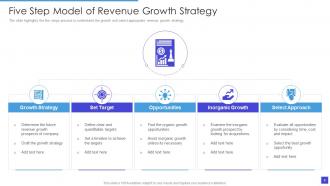
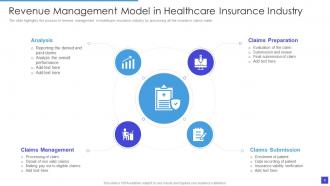
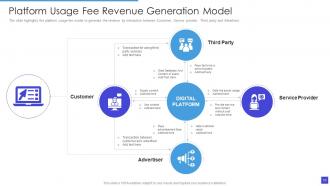
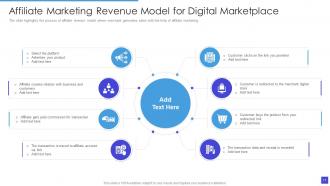





FAQs for Revenue Model Powerpoint
Honestly, start with subscription tiers - basic for limited downloads, premium for everything. One-time packs work too since tons of people refuse monthly fees. Enterprise licensing is where the real money is though - companies drop serious cash for exclusive stuff their teams can use. Oh, and don't sleep on affiliate partnerships with design platforms or course creators. I'd test different pricing first to see what clicks with your audience. Some will love subscriptions, others want to buy once and be done. Just go all-in on whatever converts best for you.
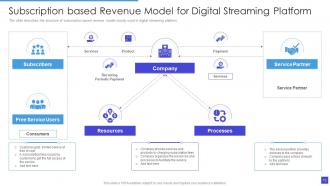
Subscription models work because people get hooked on the convenience. Think Netflix - once you're used to having everything at your fingertips, canceling hurts. With presentation templates, you're giving them fresh stuff monthly instead of one-time purchases. Regular updates, exclusive content, new designs - it all makes users dependent on your service. The predictable pricing is nice too since they don't have to think about costs each time they download something. Honestly, most people just stop shopping around once they have access to everything. Just make sure your monthly drops are actually worth the recurring fee or they'll bail.
Honestly, tiered pricing is your best bet here. Individual templates around $10-25, then bump up to packs for $30-60. Monthly subscriptions work great too - maybe $15-30 for unlimited access. Most people gravitate toward that middle option anyway, it's weird but predictable. Some creators do crazy well with "pay what you want" but that's kinda risky if you ask me. Think about what you're actually selling - busy professionals who'll pay good money to look polished without spending hours on design. I'd start pricing higher than feels comfortable and work down if you're not getting bites. You can always lower prices but raising them later is awkward.
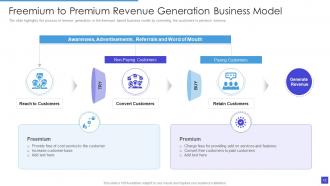
Give your free users just enough to taste the good stuff - like 3-5 solid templates that actually solve their problems. Then make your premium ones way more polished with better designs and features they can't find anywhere else. The "taste test" thing totally works. Show them your quality first, then hit them with what premium looks like. I'd throw in some watermarked previews or those "upgrade to unlock" buttons throughout the free version. Nothing too pushy though - you want the upgrade to feel natural, not like you're being greedy. Oh, and don't make your free tier suck on purpose. That always backfires.
Your customers are literally telling you how to make more money - you just need to listen. Survey them about pricing and watch which templates sell best. They'll say stuff like "I'd totally pay extra for more customization" or point out what's missing from your basic plan. So many creators just wing their pricing (huge mistake honestly). Think of feedback as your roadmap for figuring out what should be free vs premium. You might discover you're undercharging for certain features or that your templates are priced way too high. Just ask and adjust accordingly.
Partnerships are honestly where the real money is. Schools will pay recurring fees for subscription packages, and you can license your stuff for curriculum use - that's steady cash flow. Companies love white-labeling templates for their teams too. Way more profitable than selling one-off to individuals, trust me. Cross-promotion helps since you tap into their customer base. Oh, and industry-specific collections do really well with businesses. I'd start hitting up corporate training folks or educational tech coordinators - they're always looking for decent presentation resources. B2B partnerships just make more sense financially.
So it really depends on what kind of business you're running. Subscription stuff? You'll want to watch MRR, churn, and lifetime value. One-time sales are different - conversion rates and average order value matter more. Freemium is honestly a pain because you need to track free-to-paid conversions plus how people actually use your product. Here's the thing though - don't get caught up tracking templates that just look good but don't make money. Focus on what actually drives cash flow. I'd start with maybe 3-4 key metrics and check them weekly. Customer acquisition cost is crucial for everything too.
Dude, the template business is so cyclical it's crazy. August to October is your goldmine - everyone's scrambling for Q4 pitch decks. January's solid too when companies start fresh budgets. December? Total wasteland. People are mentally on vacation already. Summer's pretty meh since nobody's doing major presentations while they're at the beach. Here's what works: time your launches for late summer and go heavy on business templates. December's tricky but holiday discounts can grab leftover budget money. I learned this the hard way my first year - launched everything in July like an idiot.
Look, digital marketing is a game-changer for template sales - it gets the right people seeing your stuff and actually buying it. SEO's huge because people are literally searching for what you're making. Social media is perfect for templates since they're so visual (Instagram stories work surprisingly well for this). Email lists are gold for launching new designs or seasonal stuff to people who already bought from you. But here's the thing - track what actually makes sales, not just clicks. I'd focus your money on whatever channels bring in real customers. Oh, and definitely try different content styles to see what clicks with your audience.
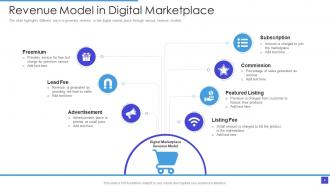
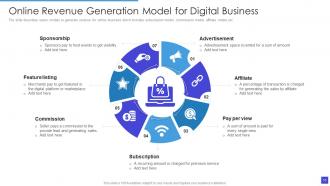
So there's actually a bunch of ways to make money off this. First thought - set up a marketplace like Etsy but for PowerPoints, where creators get maybe 70% and you keep 30%. Premium creator accounts could work too, charge them monthly for better visibility and stats. Oh, and freemium is solid here - free uploads but paid features for the fancy stuff. Honestly the coolest part is users basically build your entire product catalog. I'd probably test that 70/30 split first and adjust from there. Way easier than creating everything yourself!
Honestly, it depends on how much you'll actually use it. One-time purchases are great - you own it forever, no monthly headaches. But you're stuck with whatever version you bought, no new templates or fixes later. Subscriptions are annoying (I hate recurring charges too) but you get all the updates and support. Worth it if you're making presentations constantly or working with a team. For occasional use? Just buy it outright. Some one-time deals even throw in a year of updates anyway, which is pretty sweet. Check what's actually included before deciding.
Honestly, customization can be a game-changer for revenue. People will pay way more for something that feels made just for them. The margins are usually better since you're selling your expertise, not just regular products. Takes more time upfront though - you've got to really dig into what each client wants. But that's where the magic happens. Once you figure out their needs, they stick around longer and tell their friends. Oh, and churn drops big time because they can't just switch to a competitor easily. I'd say start with one simple customization option first, see how it goes.
AI tools like Gamma and Tome are letting people build presentations from scratch now - kinda scary for template sellers, right? Also, subscription fatigue is real. My own credit card looks ridiculous with all these monthly charges. People want one-time purchases again. Smart companies are doing hybrid pricing: subscriptions for heavy users, single template packs for everyone else. You'd be wise to test different pricing models soon. The market's shifting fast and you don't want to get caught scrambling to adapt later.
So you're basically hitting different customer types when you branch out into infographics and video stuff. Content creators want video assets, marketers need quick visuals, businesses want branded materials - suddenly you're not just selling to one crowd anymore. People love buying bundles too (seriously, it's like the Target effect where you go in for toothpaste and leave with half the store). Your existing customers will probably grab the new formats as upsells. Oh, and your revenue per user goes up since you've got more to offer. I'd start by asking your current users what they're having trouble creating themselves.
Honestly, transparency is huge - people need to know exactly what they're paying and when it'll hit their card. Don't be that company that buries fees in tiny print or makes canceling impossible (ugh, we've all dealt with those). Also think about whether your pricing accidentally locks out certain groups, especially for stuff people actually need. Oh, and if you're making money off user data, just say so upfront. I'm always surprised how many companies try to hide that. Design it like you're the customer. Would you be annoyed? Then change it.
-
SlideTeam’s readymade presentations have landed my unique images with my bosses in the past and it continues to reward me.
-
Innovative and creative templates with high-quality designs. Helped me with my presentation as the slides were easy to edit.