


Risk Assessment And Management Plan For Information Security Powerpoint Presentation Slides
Risk assessment and management plan can help the organization identify the cybersecurity threats and implement a plan to mitigate the risks. Here is an efficiently designed template on Risk Assessment and Management Plan for Information Security. It will help a company to safeguard information and critical data of organizational assets. This presentation covers different types of cybersecurity threats faced by firms worldwide and the process of managing the information security risks. A major chunk of the presentation covers an information security risk management plan that can help to identify assets vulnerable to information security risks. It also covers the assessment of information security risks through vulnerability rating and risk assessment matrix. It also showcases mitigation plans that can help an organization resolve information security risks promptly and strategies to avoid information breaches. This presentation also shows training that can help the organization train employees to respond and manage the information security threat. This presentation also covers the roles and responsibilities of the risk management team and budget allocation for managing cybersecurity risks. At last, this presentation highlights the impact of a risk management plan on the information security capabilities of the organization. Get access to this powerful template now.
Risk assessment and management plan can help the organization identify the cybersecurity threats and implement a plan to mi..
















-

- Google Slides is a new FREE Presentation software from Google.
- All our content is 100% compatible with Google Slides.
- Just download our designs, and upload them to Google Slides and they will work automatically.
- Amaze your audience with SlideTeam and Google Slides.
-

Want Changes to This PPT Slide? Check out our Presentation Design Services
-

- WideScreen Aspect ratio is becoming a very popular format. When you download this product, the downloaded ZIP will contain this product in both standard and widescreen format.
-

- Some older products that we have may only be in standard format, but they can easily be converted to widescreen.
- To do this, please open the SlideTeam product in Powerpoint, and go to
- Design ( On the top bar) -> Page Setup -> and select "On-screen Show (16:9)” in the drop down for "Slides Sized for".
- The slide or theme will change to widescreen, and all graphics will adjust automatically. You can similarly convert our content to any other desired screen aspect ratio.
Compatible With Google Slides

Get This In WideScreen
You must be logged in to download this presentation.


Do you want to remove this product from your favourites?
PowerPoint presentation slides
This complete presentation has PPT slides on wide range of topics highlighting the core areas of your business needs. It has professionally designed templates with relevant visuals and subject driven content. This presentation deck has total of seventy one slides. Get access to the customizable templates. Our designers have created editable templates for your convenience. You can edit the color, text and font size as per your need. You can add or delete the content if required. You are just a click to away to have this ready-made presentation. Click the download button now.

People who downloaded this PowerPoint presentation also viewed the following :
Content of this Powerpoint Presentation
Slide 1: This slide introduces Risk Assessment and Management Plan for Information Security.
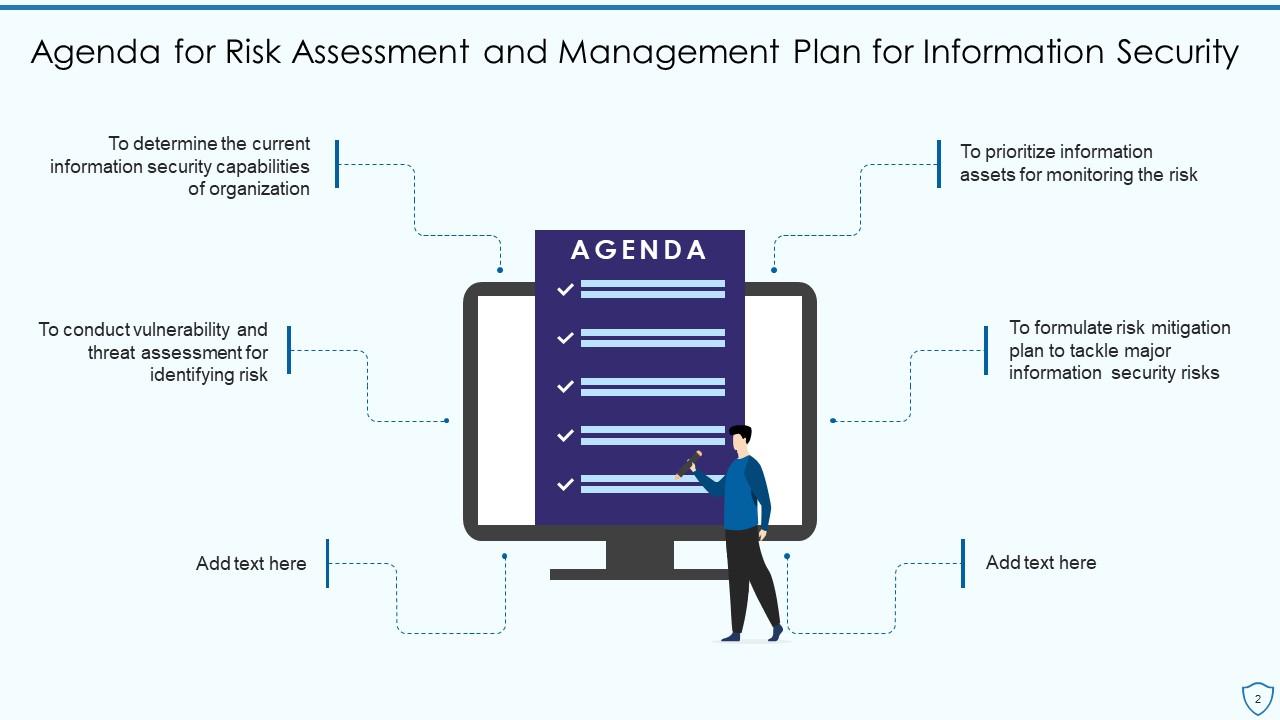
Slide 2: This slide states Agenda of the presentation.
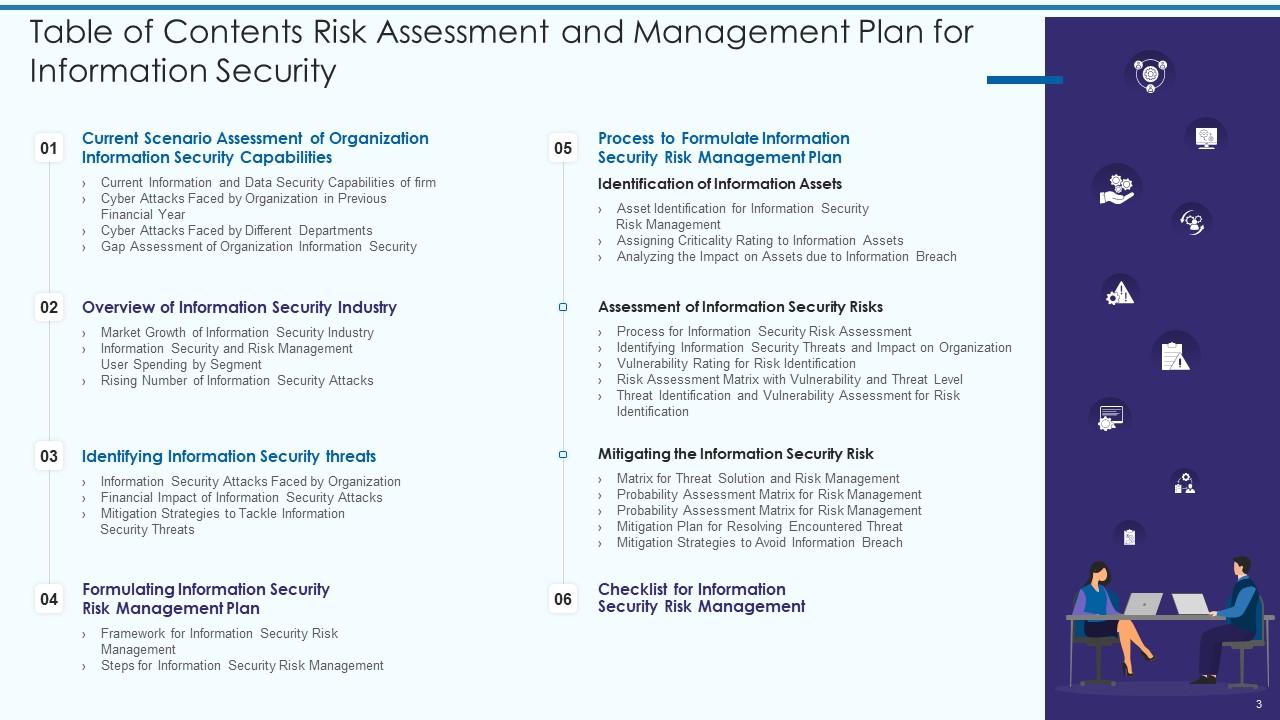
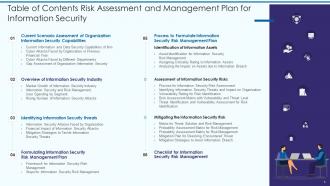
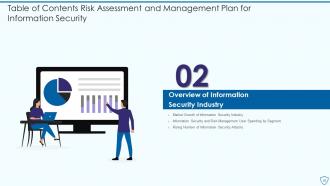
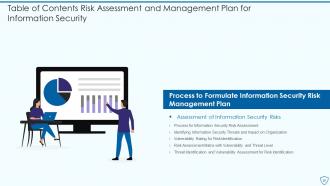
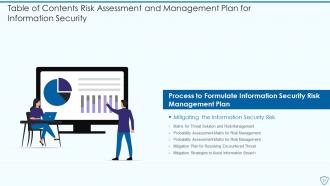
Slide 3: This slide presents Table of Content for the presentation.
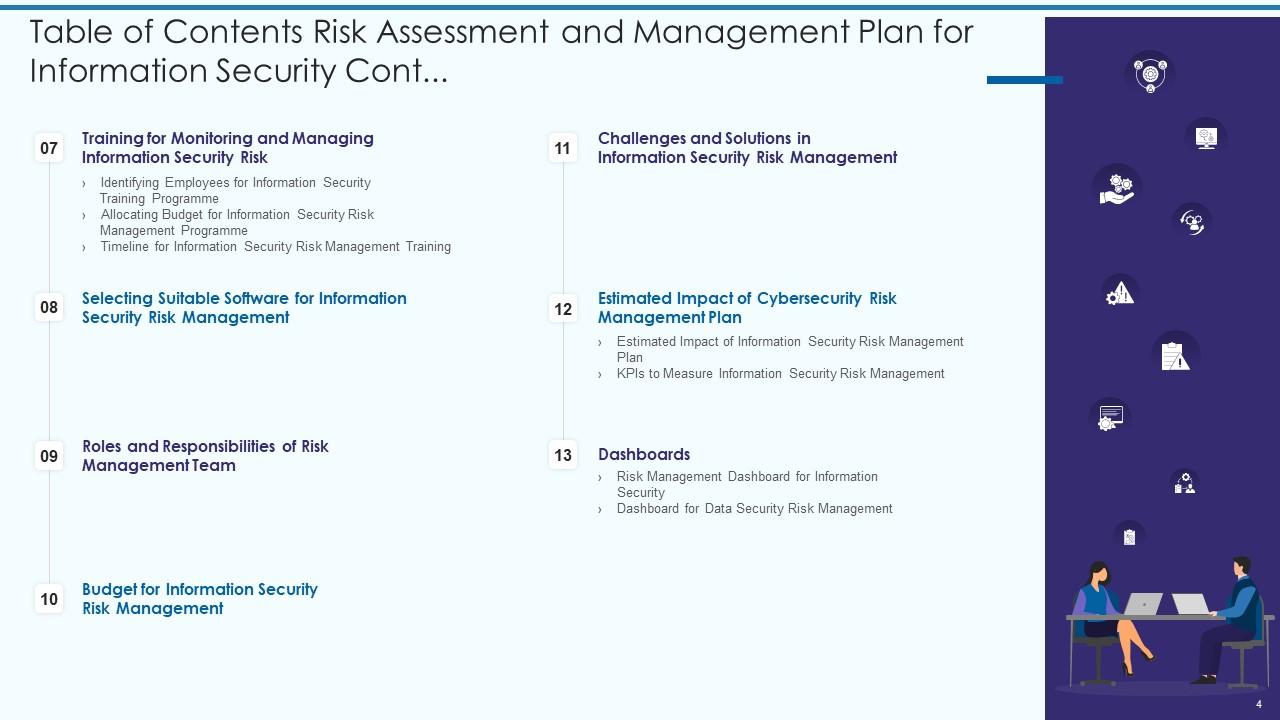
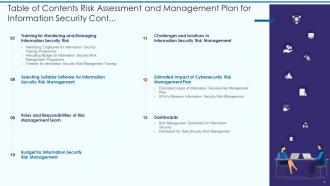
Slide 4: This is another slide continuing Table of Content for the presentation.
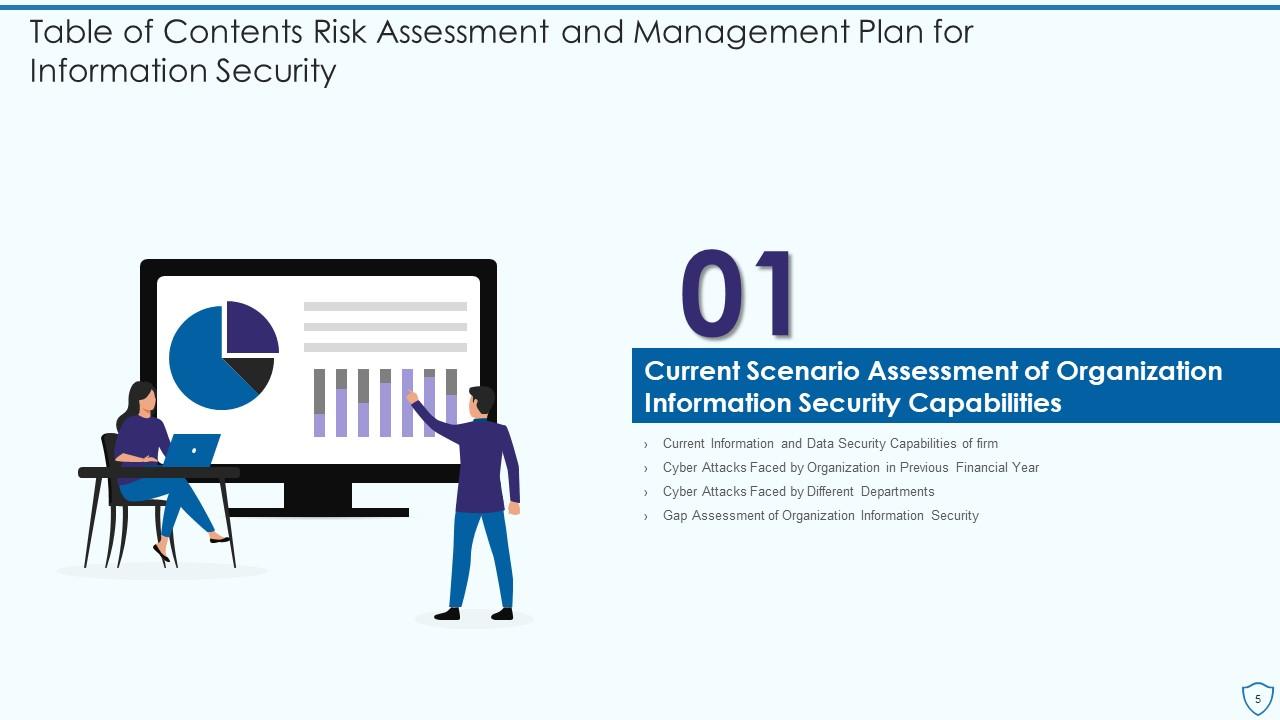
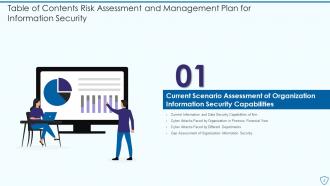
Slide 5: This slide highlights title for topics that are to be covered next in the template.
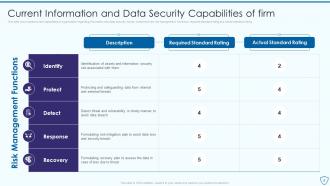
Slide 6: This slide shows Current Information and Data Security Capabilities of firm.
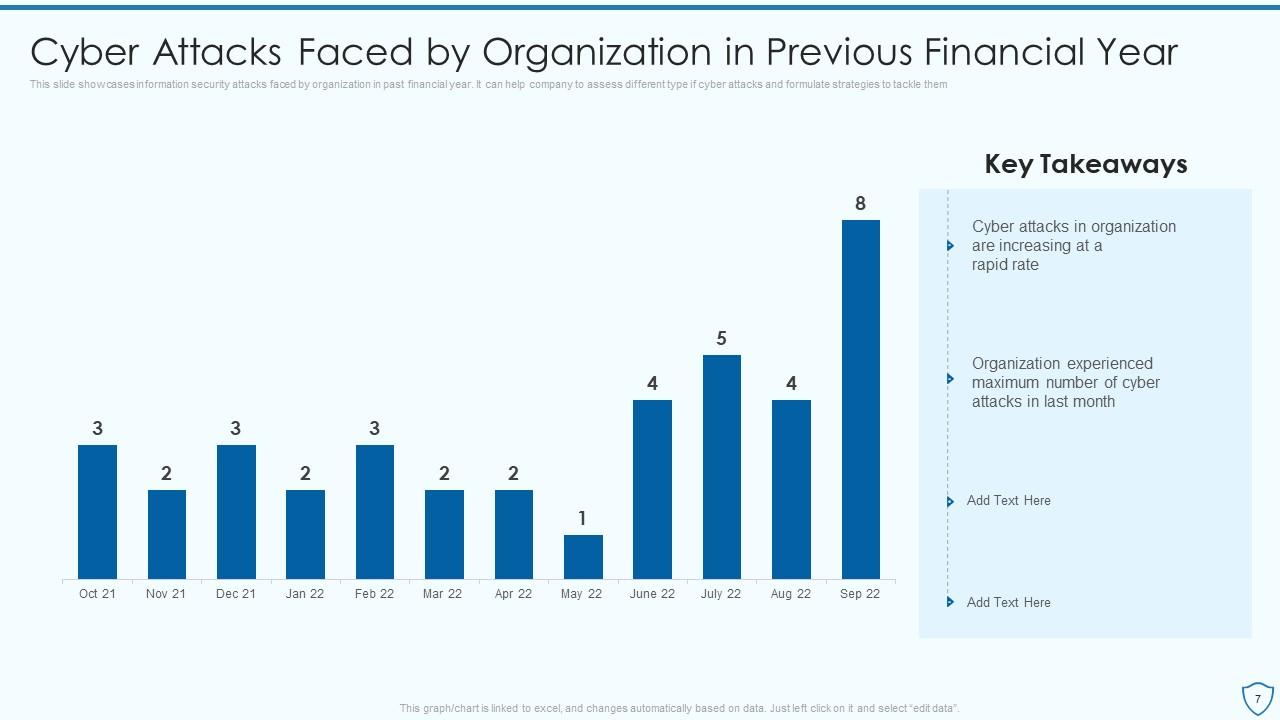
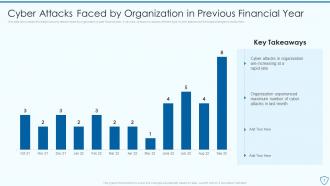
Slide 7: This slide presents Cyber Attacks Faced by Organization in Previous Financial Year.
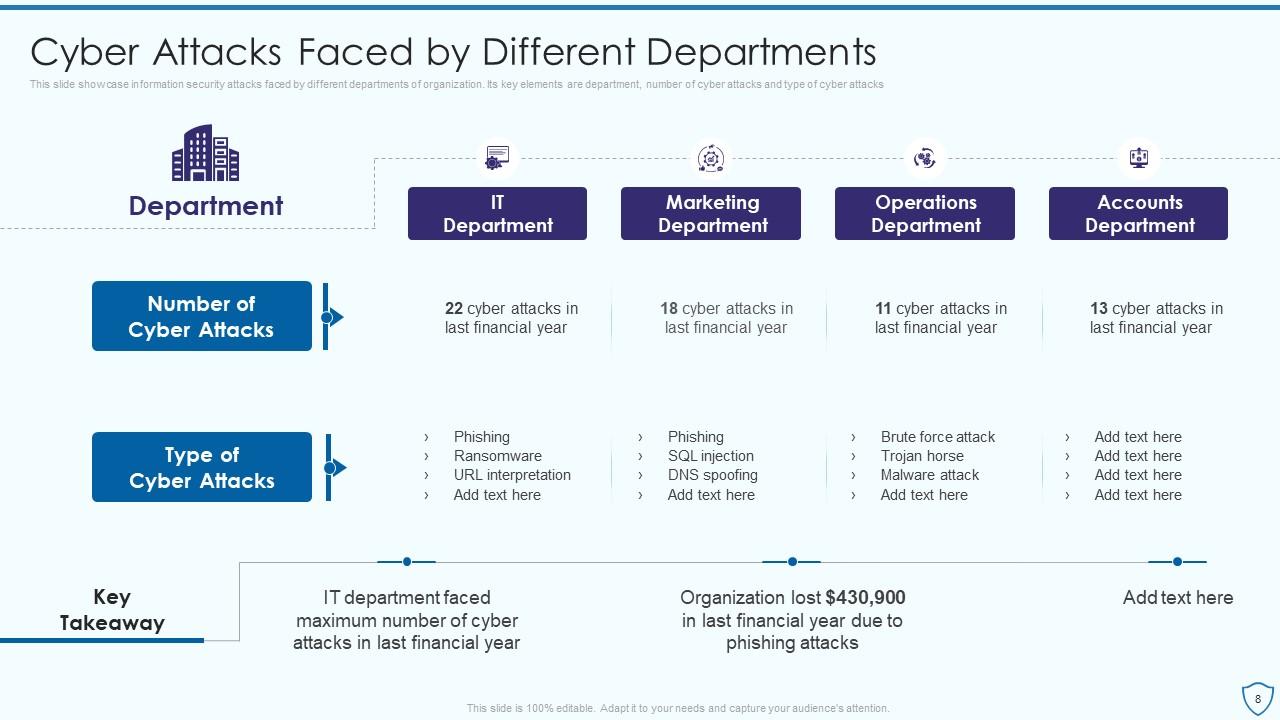
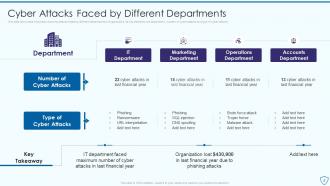
Slide 8: This slide displays Cyber Attacks Faced by Different Departments.
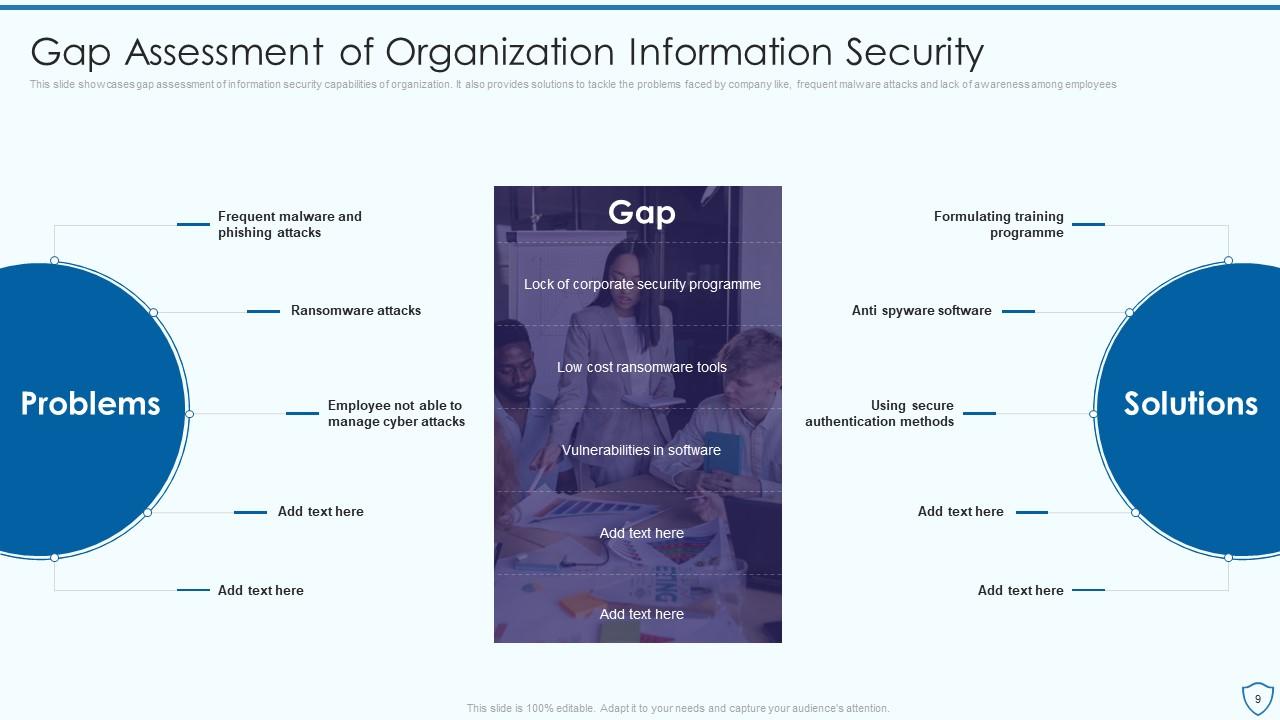
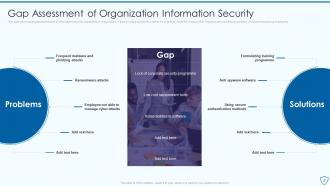
Slide 9: This slide represents Gap Assessment of Organization Information Security.
Slide 10: This slide highlights title for topics that are to be covered next in the template.
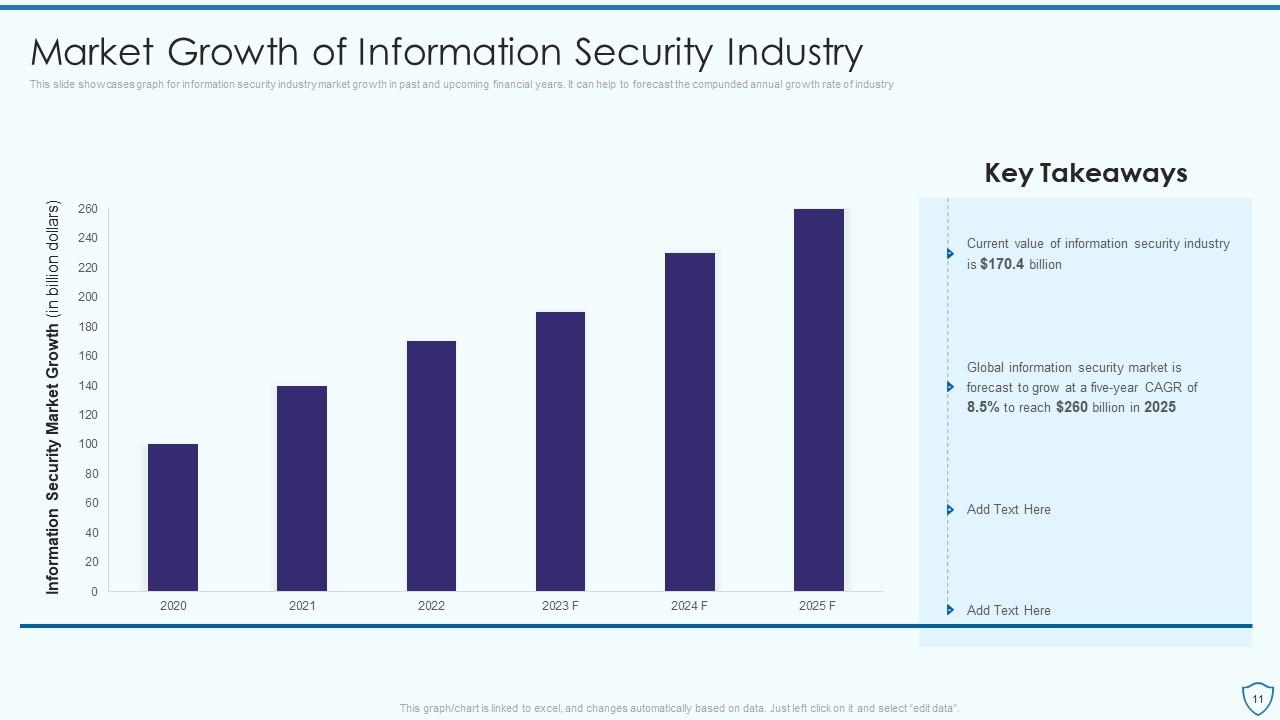
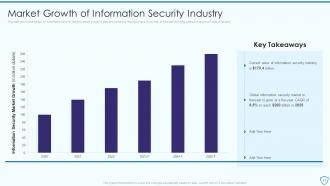
Slide 11: This slide showcases Market Growth of Information Security Industry.
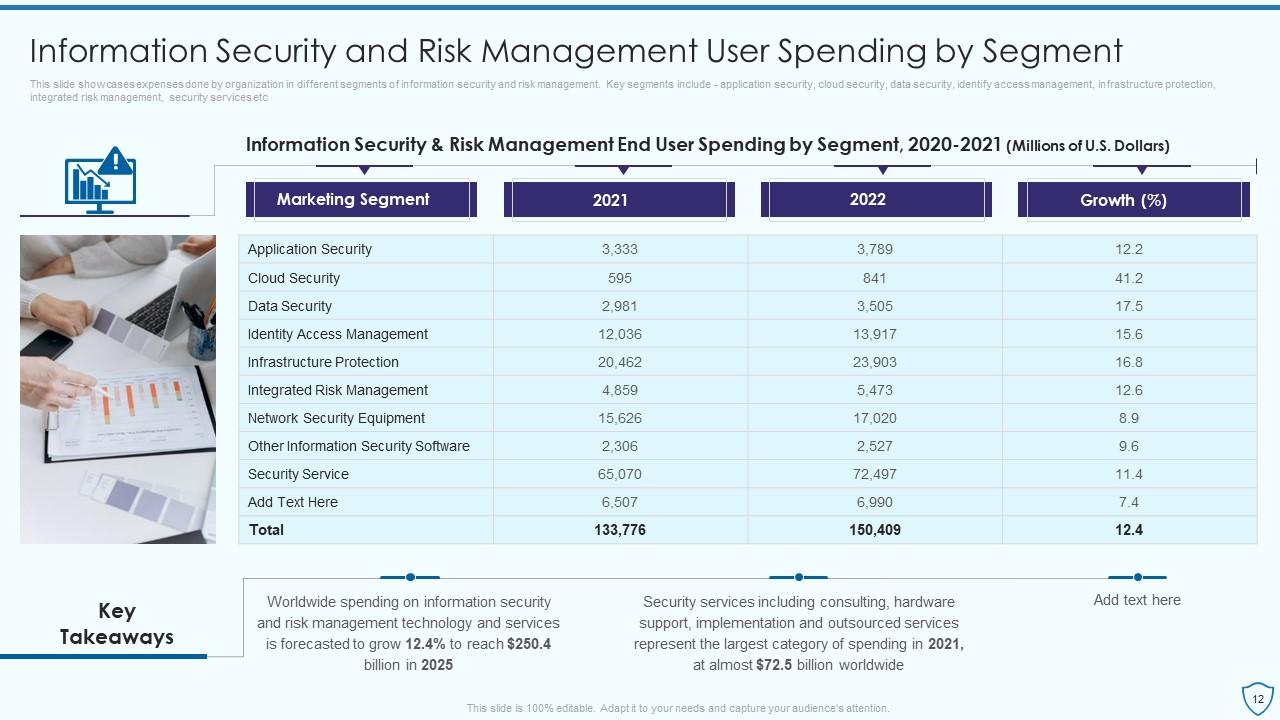
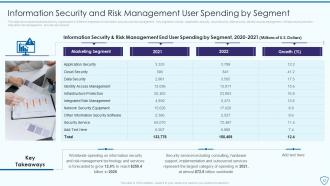
Slide 12: This slide shows Information Security and Risk Management User Spending by Segment.
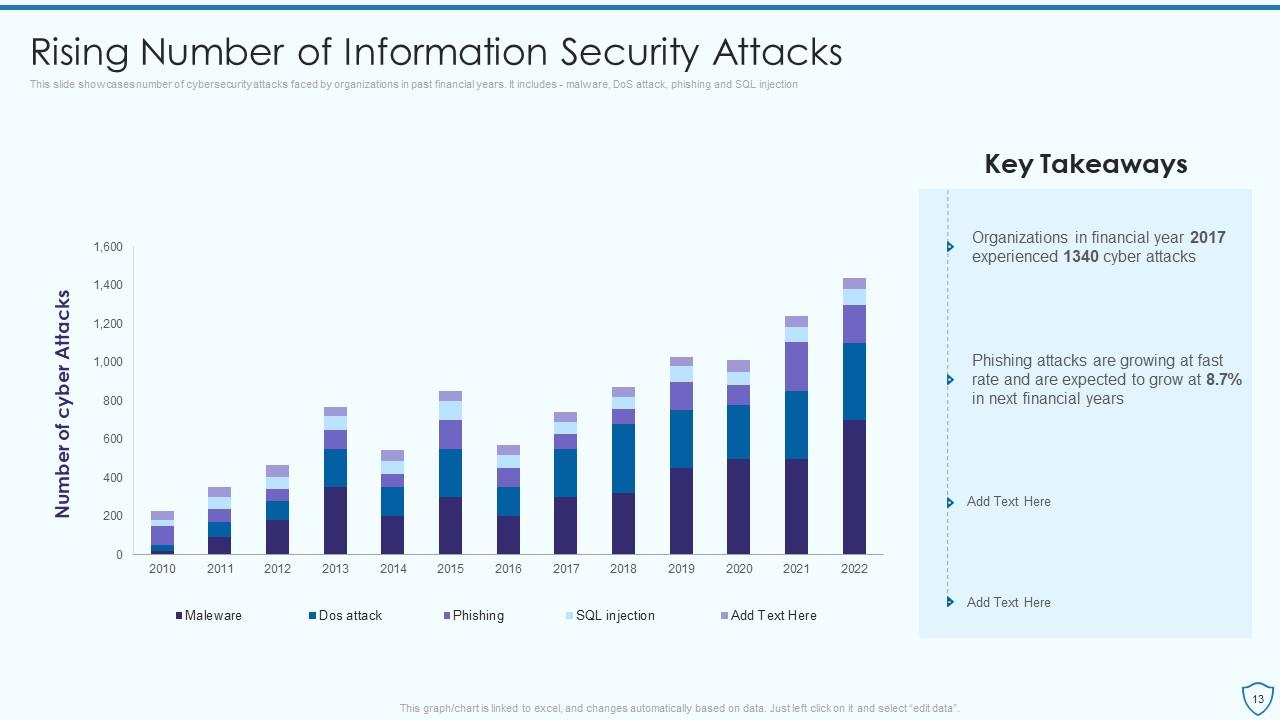
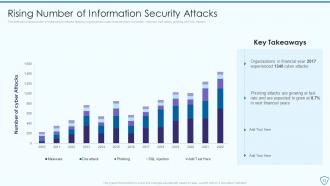
Slide 13: This slide presents Rising Number of Information Security Attacks.
Slide 14: This slide highlights title for topics that are to be covered next in the template.
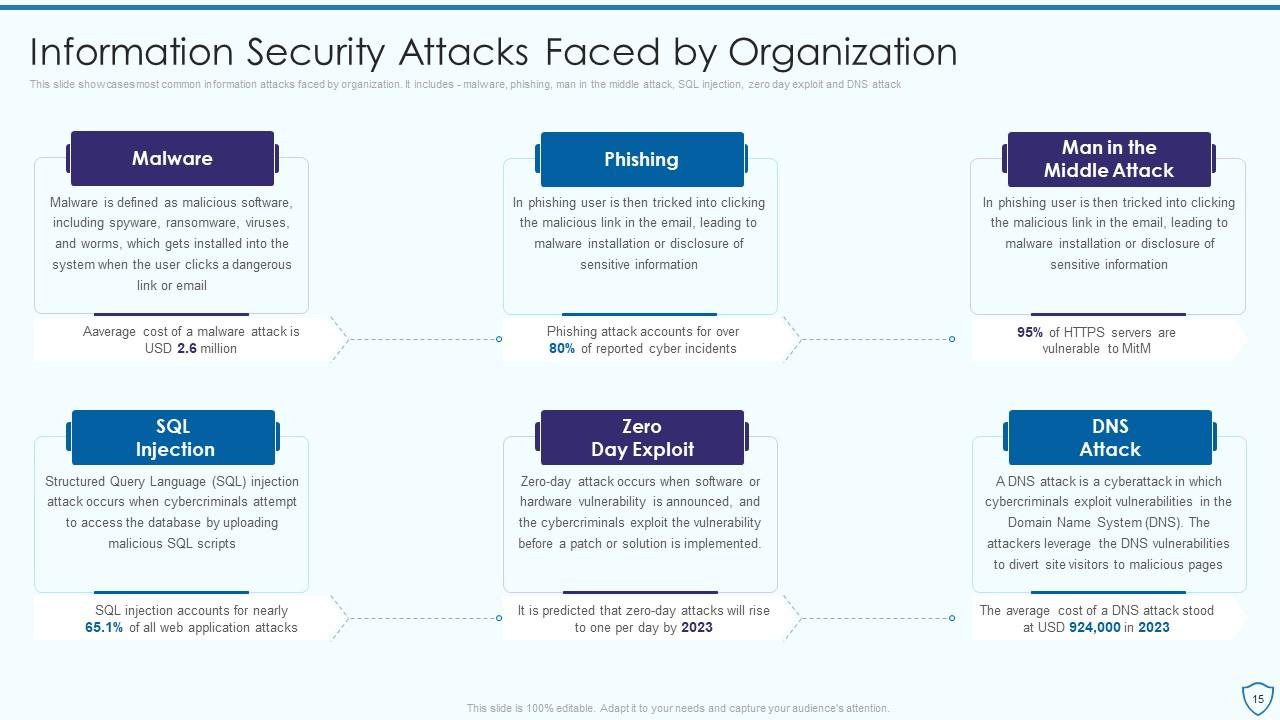
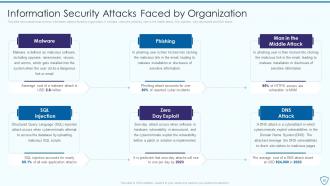
Slide 15: This slide displays Information Security Attacks Faced by Organization.
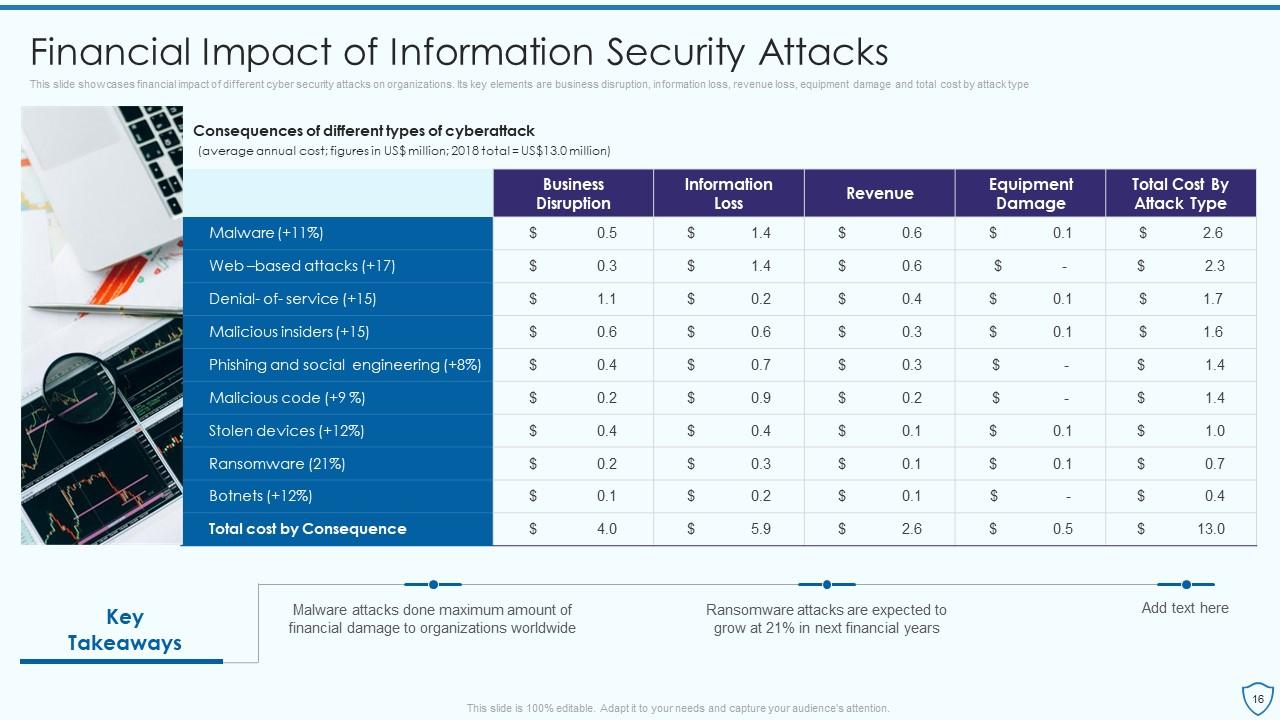
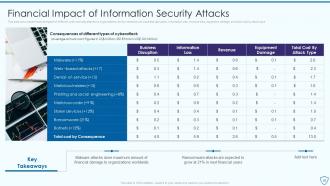
Slide 16: This slide represents Financial Impact of Information Security Attacks.
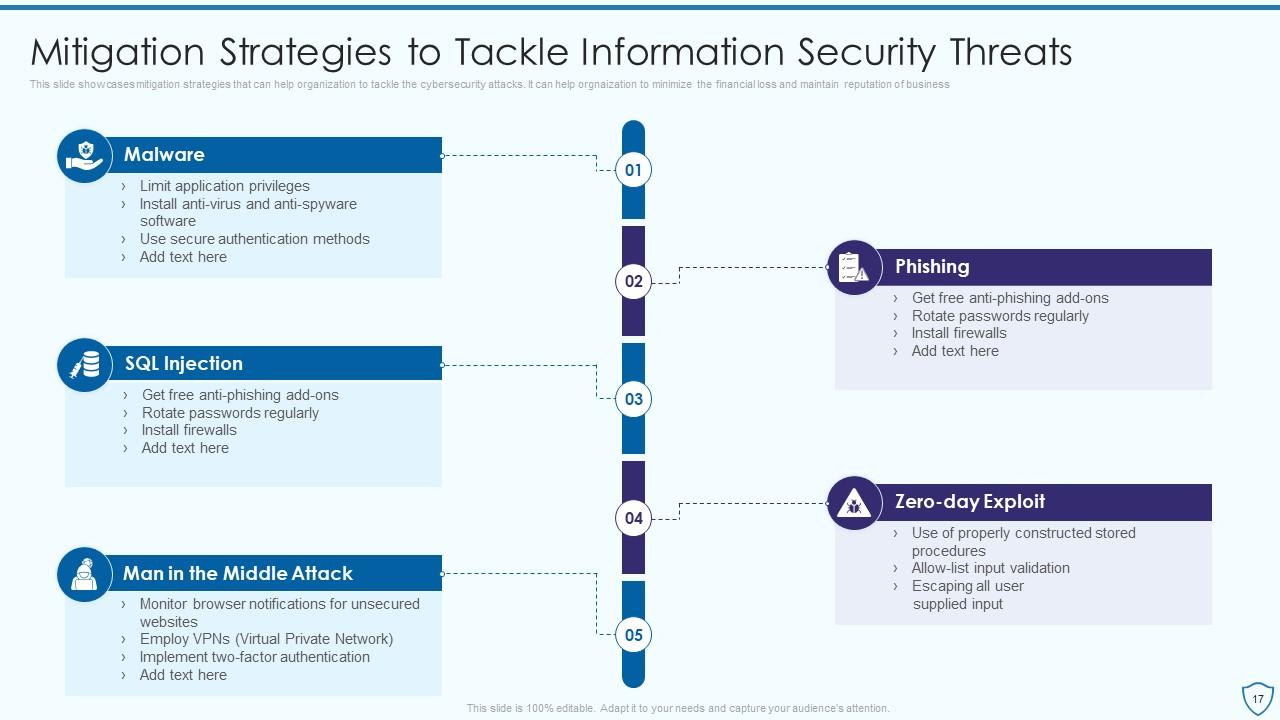
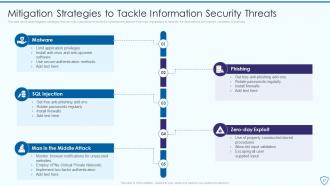
Slide 17: This slide showcases Mitigation Strategies to Tackle Information Security Threats.
Slide 18: This slide highlights title for topics that are to be covered next in the template.
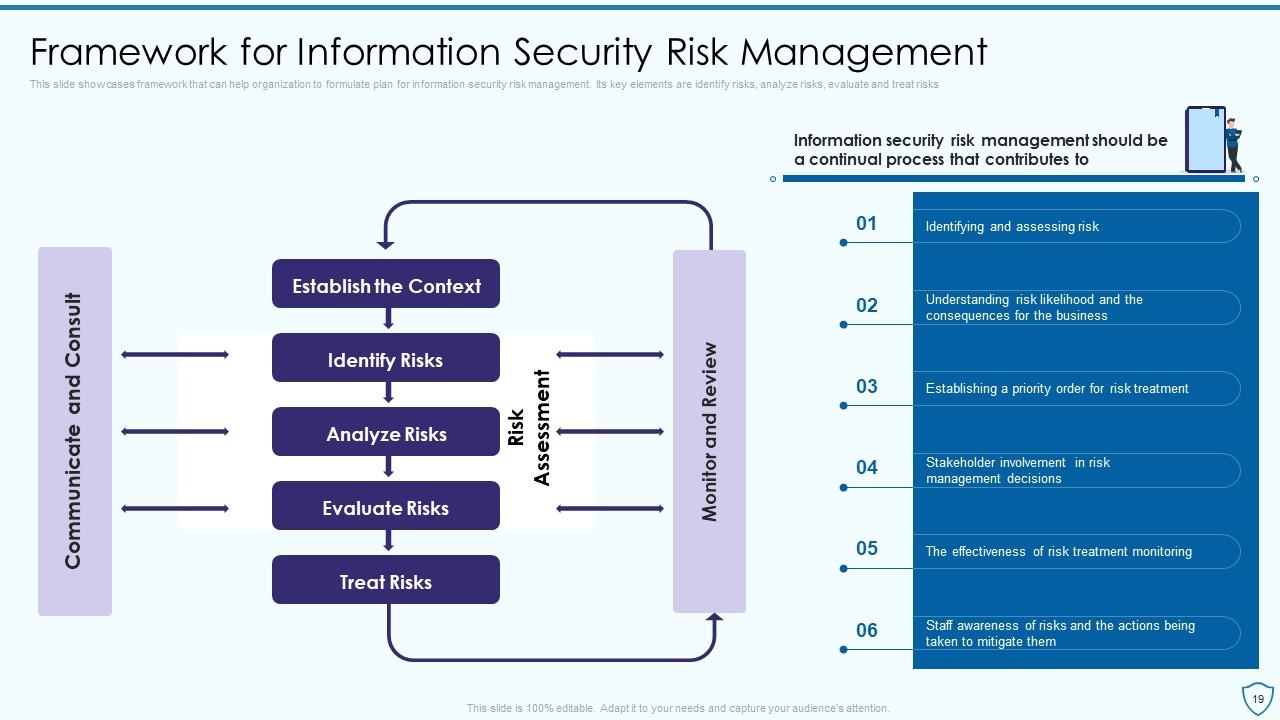
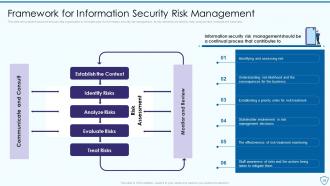
Slide 19: This slide shows Framework for Information Security Risk Management.
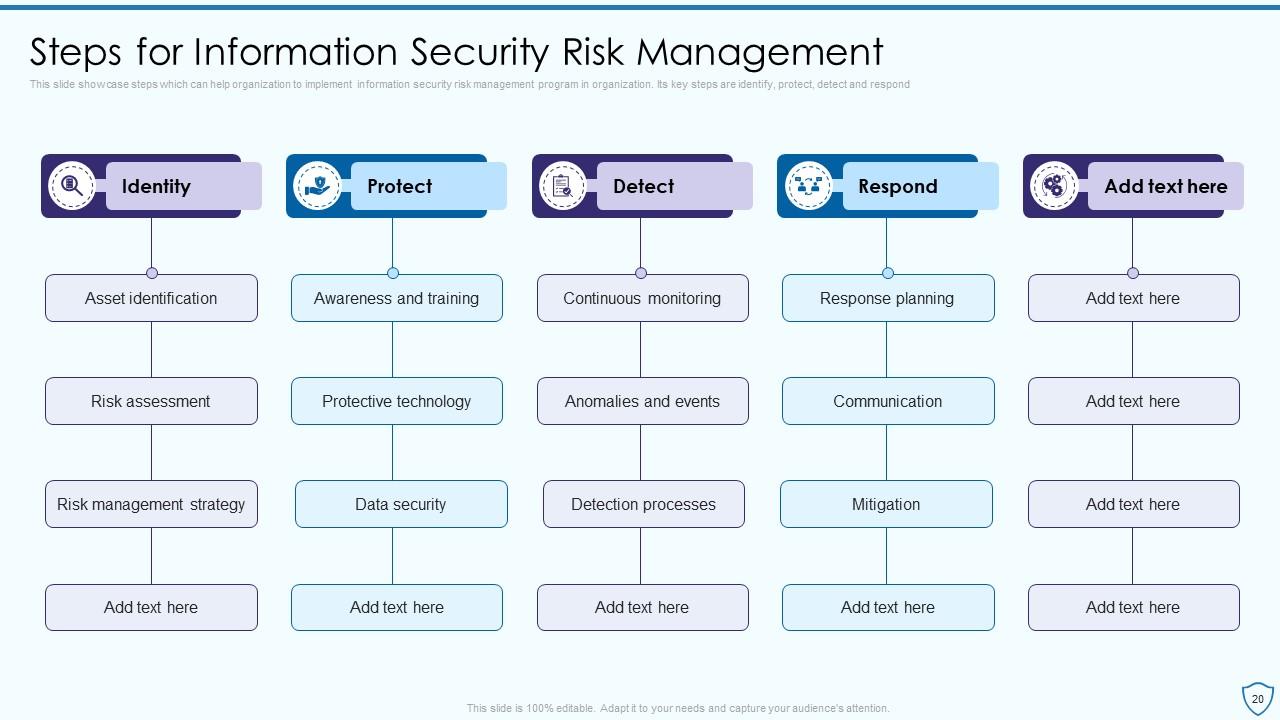
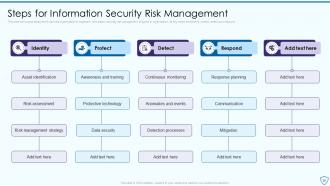
Slide 20: This slide presents Steps for Information Security Risk Management.
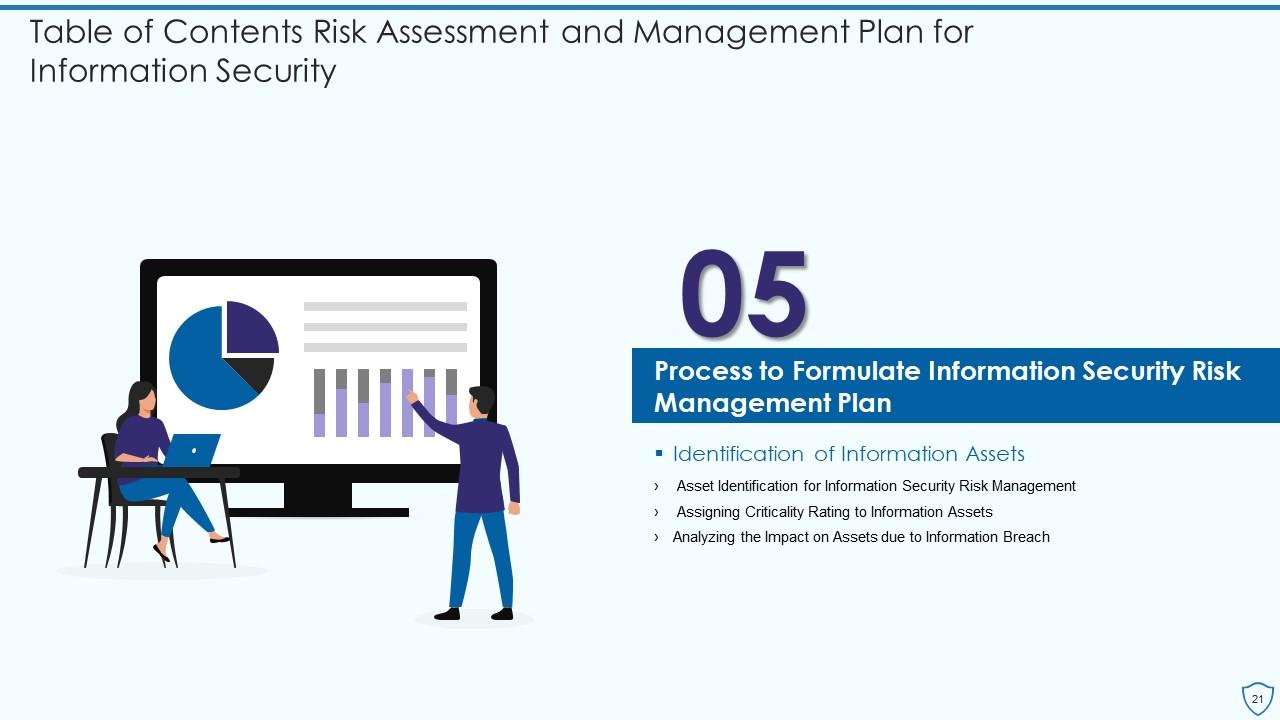
Slide 21: This slide highlights title for topics that are to be covered next in the template.
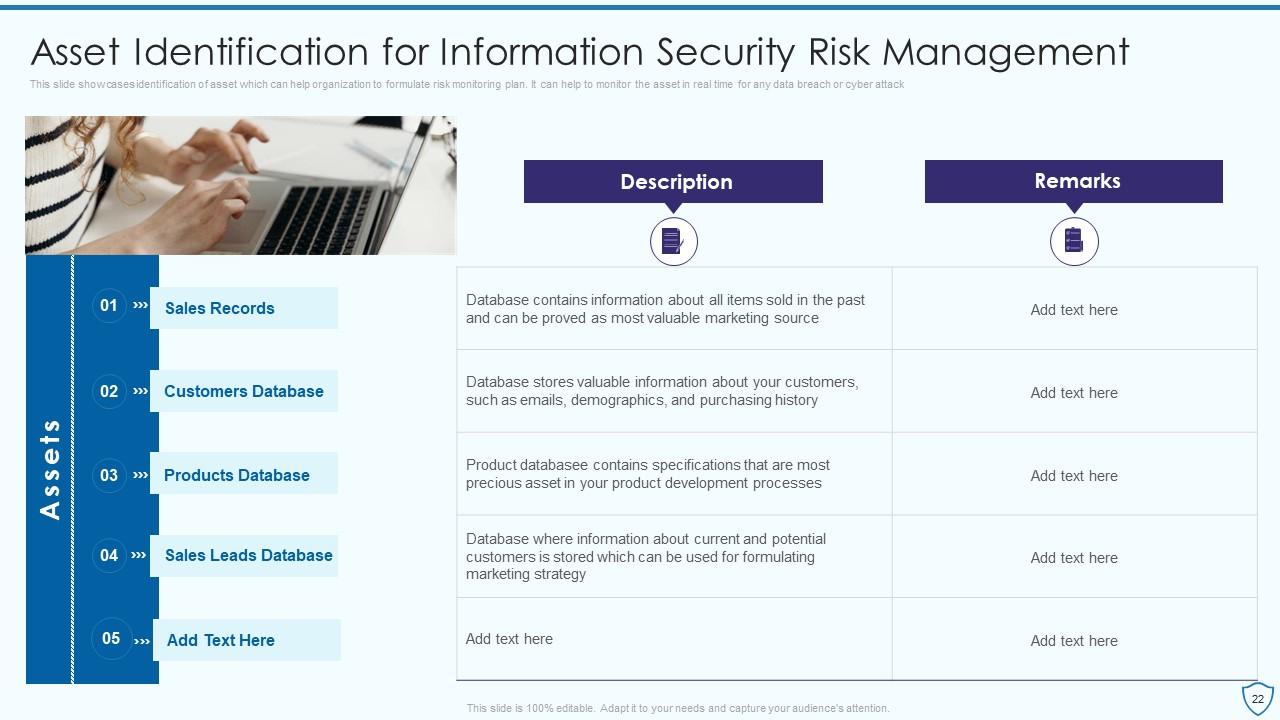
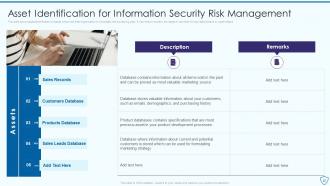
Slide 22: This slide displays Asset Identification for Information Security Risk Management.
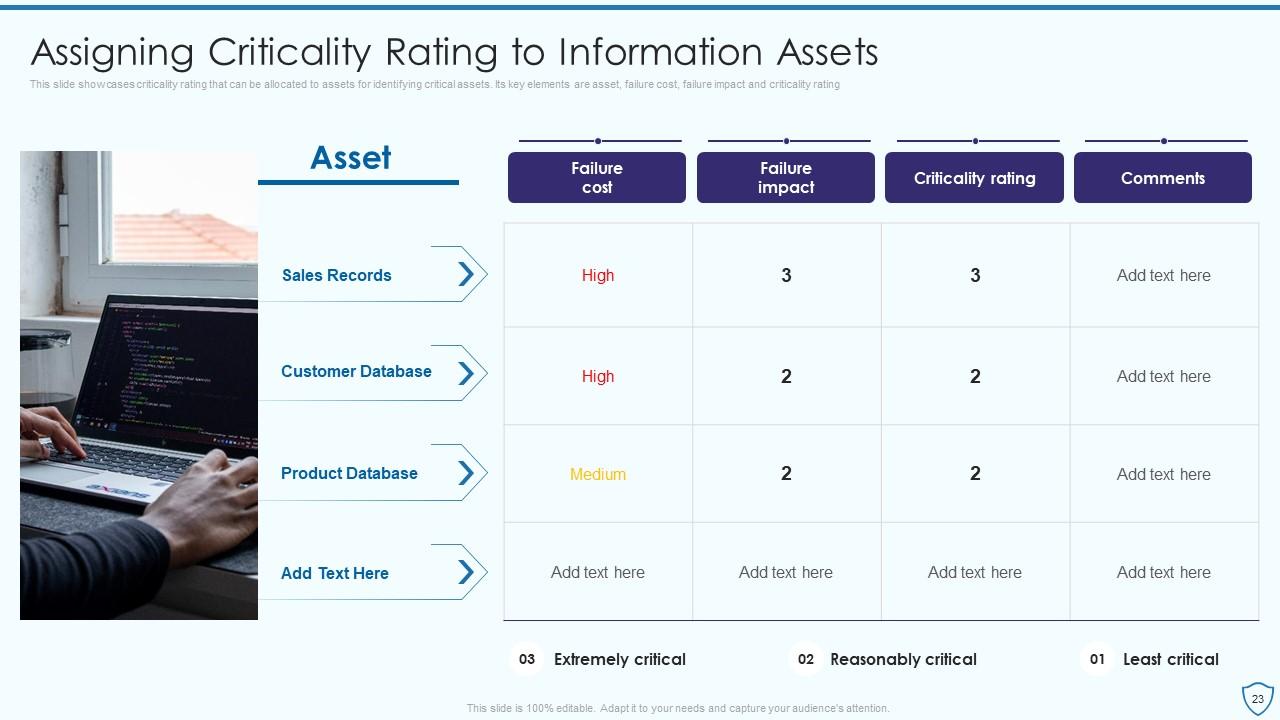
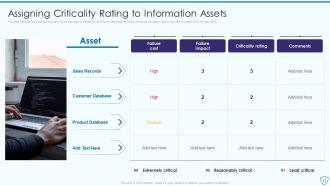
Slide 23: This slide represents Assigning Criticality Rating to Information Assets.
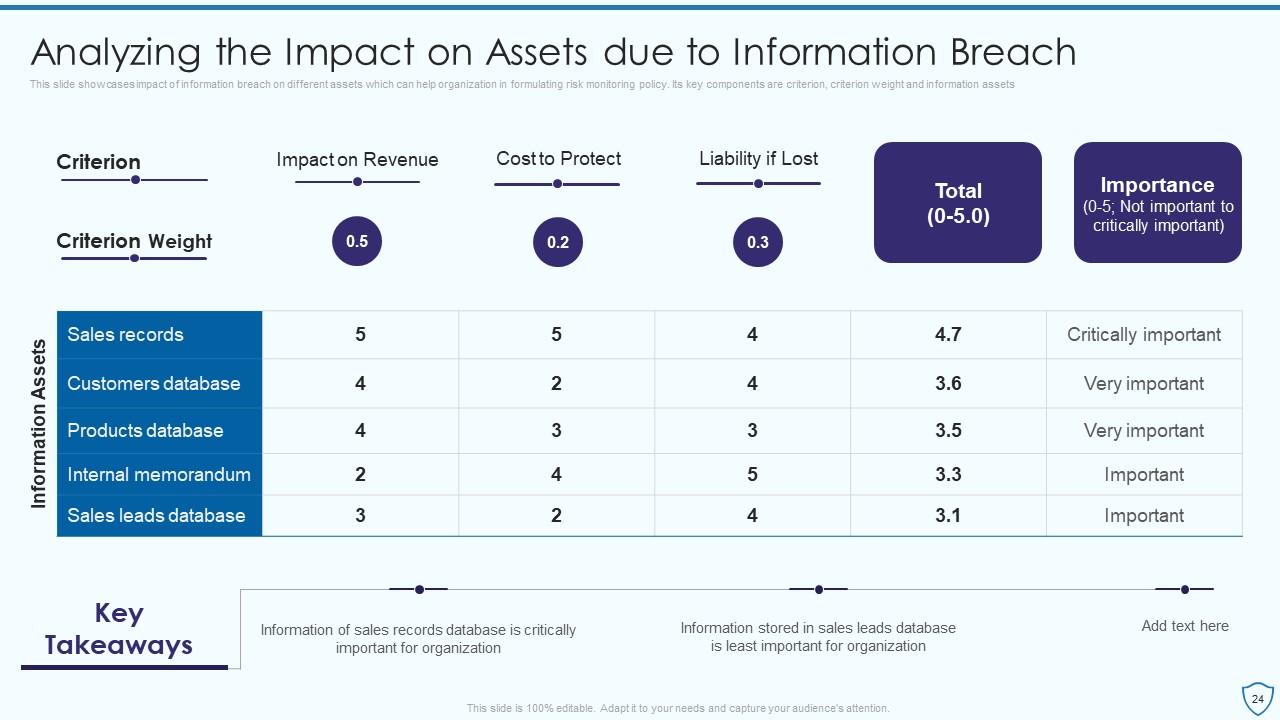
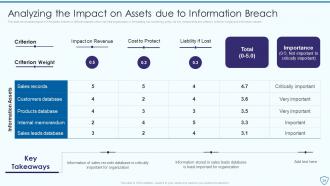
Slide 24: This slide showcases Analyzing the Impact on Assets due to Information Breach.
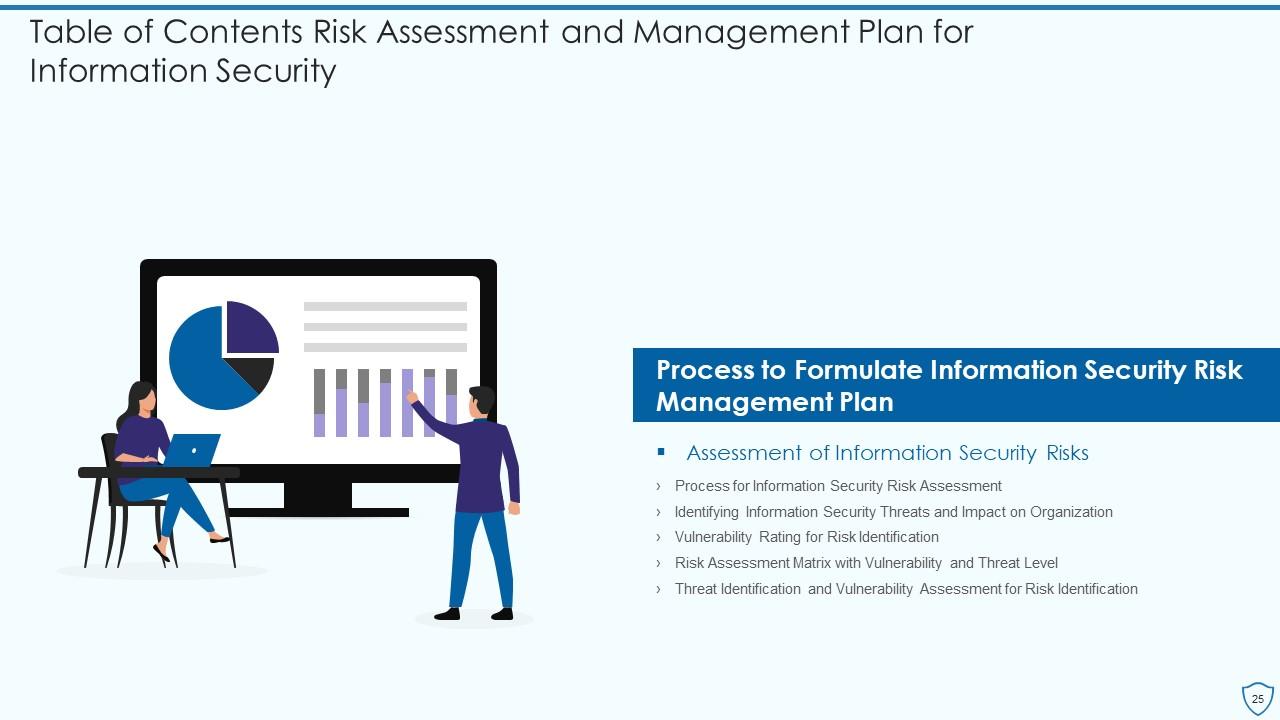
Slide 25: This slide highlights title for topics that are to be covered next in the template.
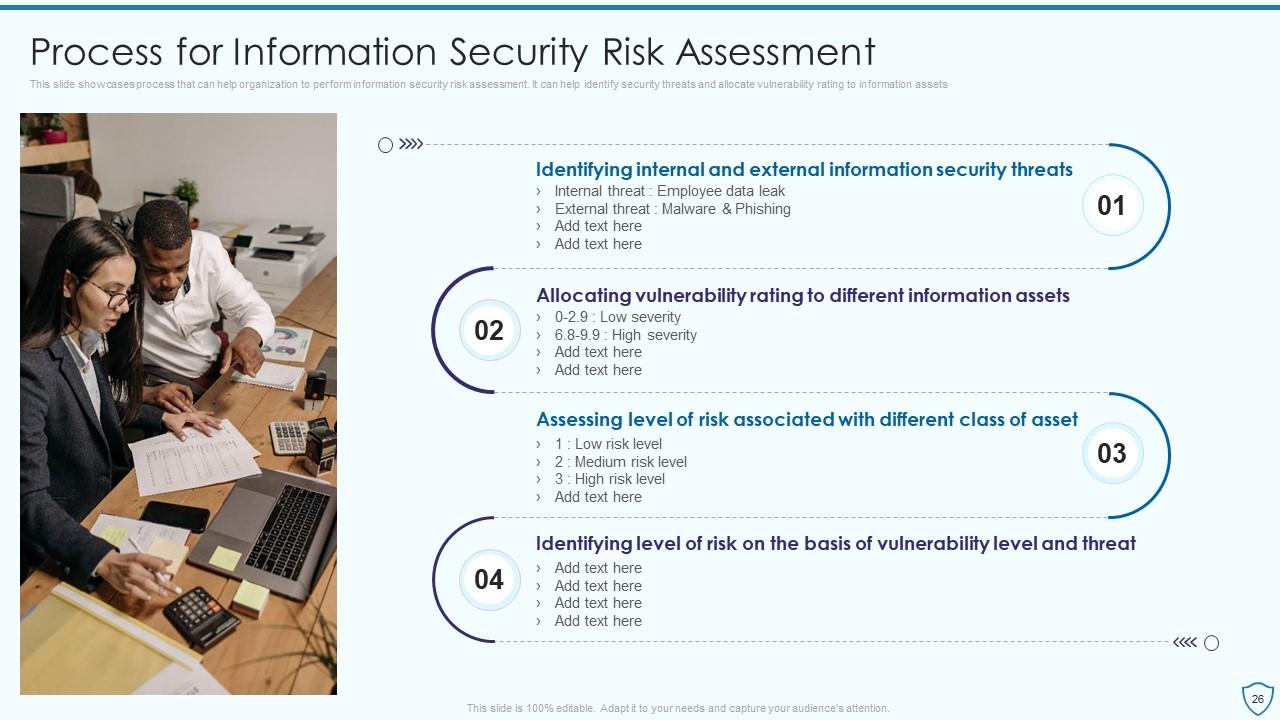
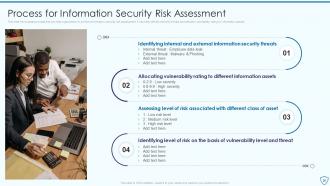
Slide 26: This slide shows Process for Information Security Risk Assessment.
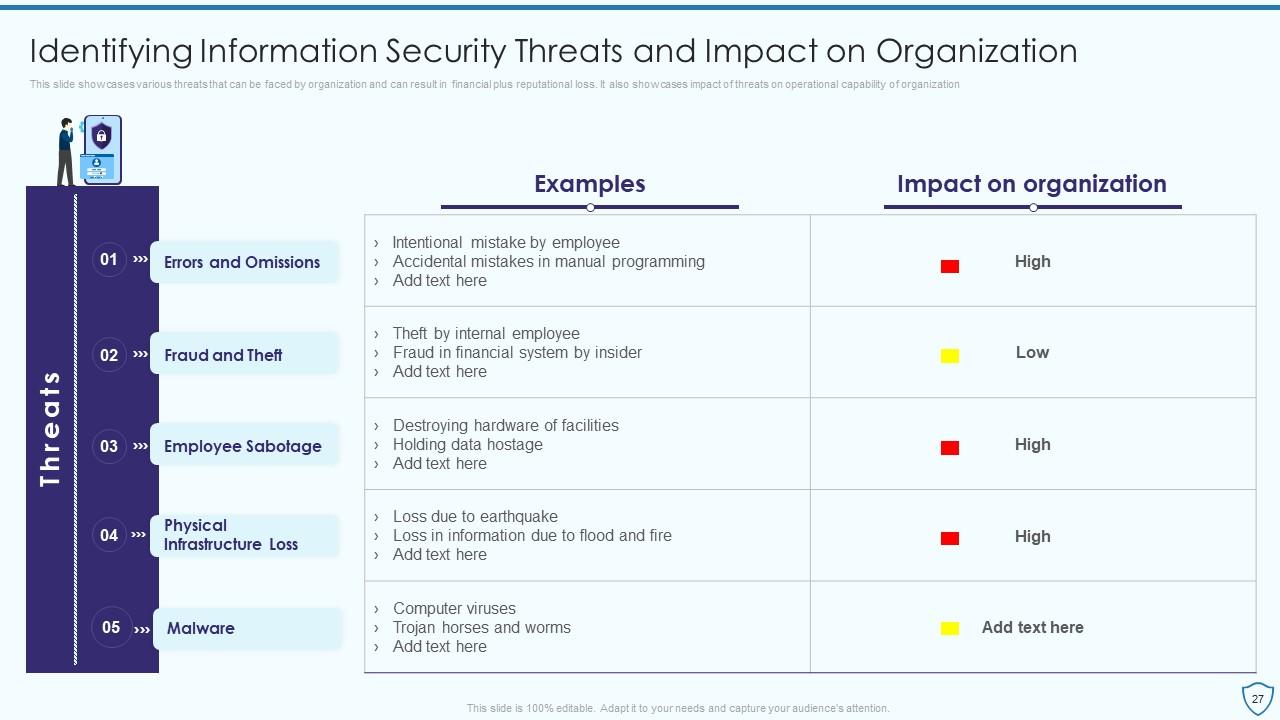
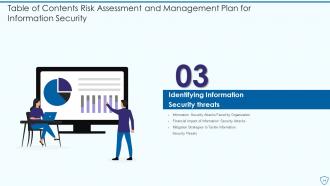
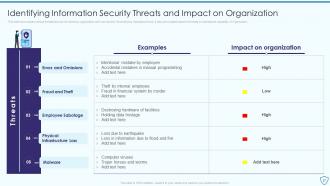
Slide 27: This slide presents Identifying Information Security Threats and Impact on Organization.
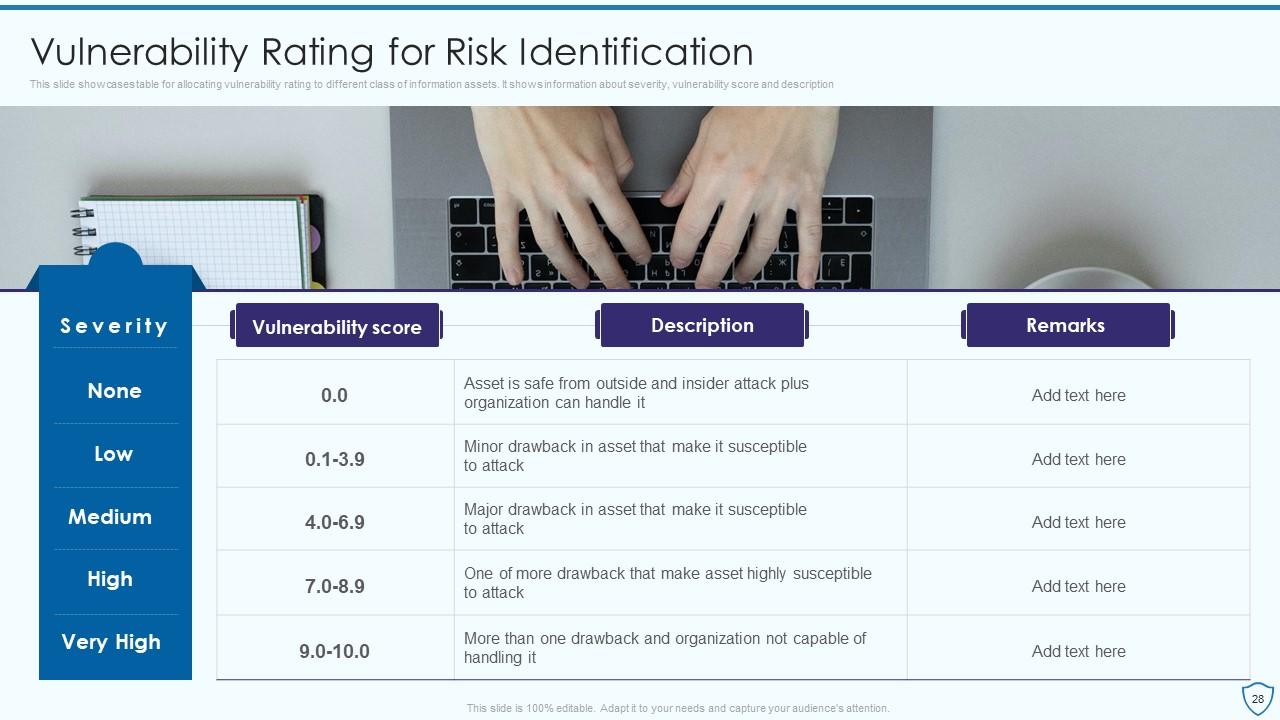
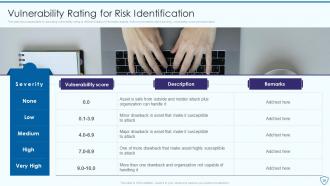
Slide 28: This slide displays Vulnerability Rating for Risk Identification.
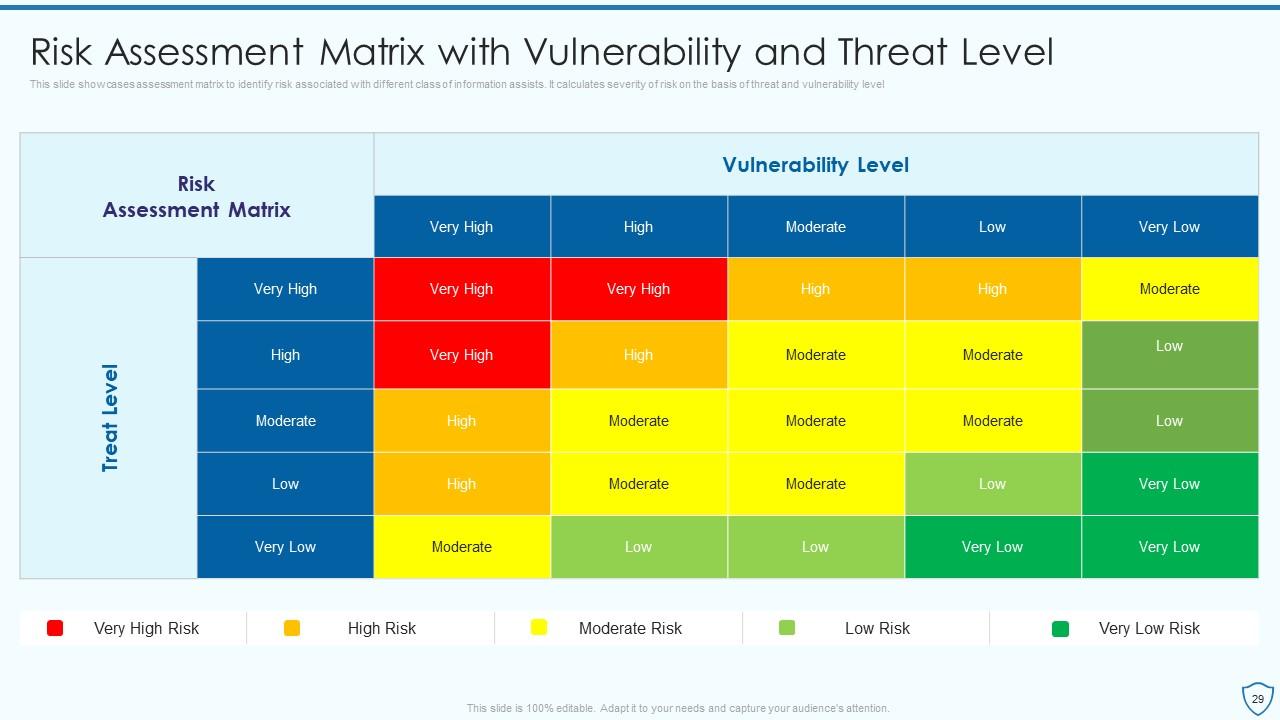
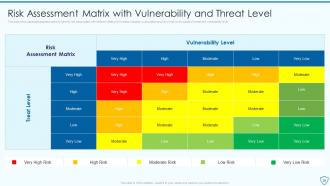
Slide 29: This slide represents Risk Assessment Matrix with Vulnerability and Threat Level.
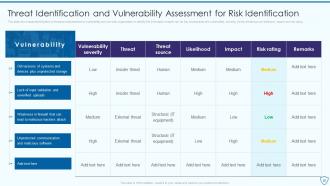
Slide 30: This slide showcases Threat Identification and Vulnerability Assessment for Risk Identification.
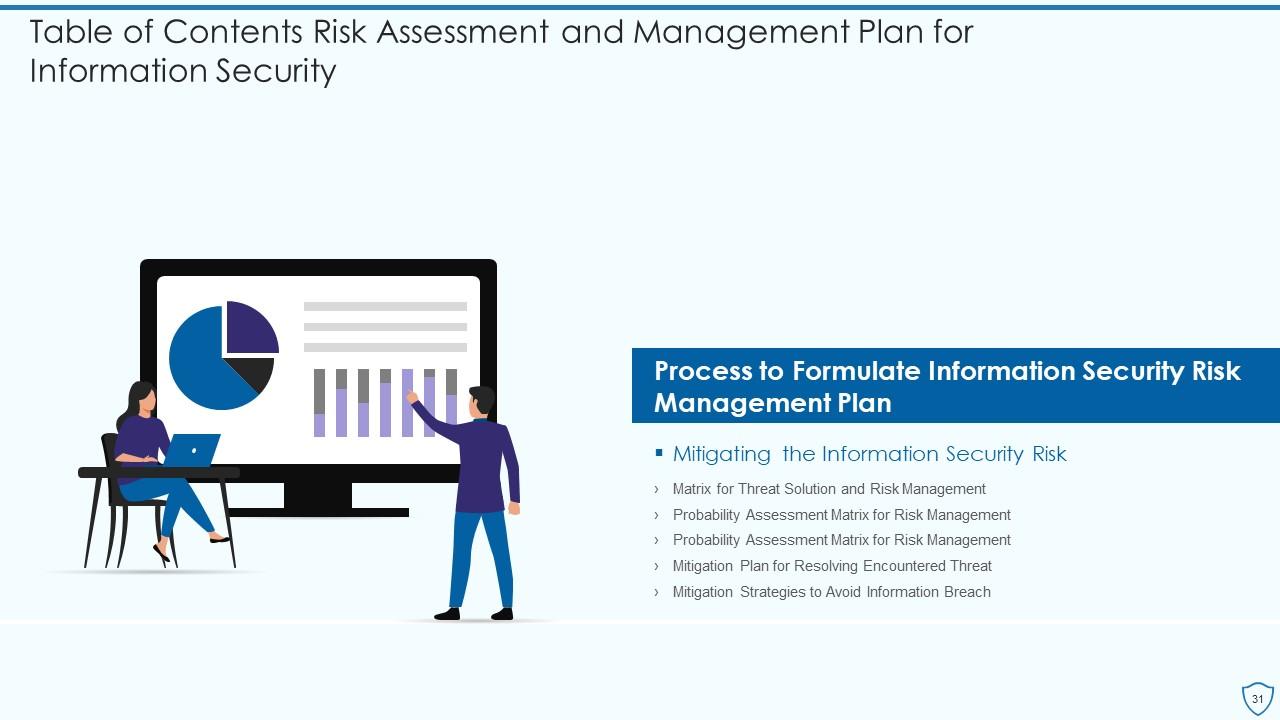
Slide 31: This slide highlights title for topics that are to be covered next in the template.
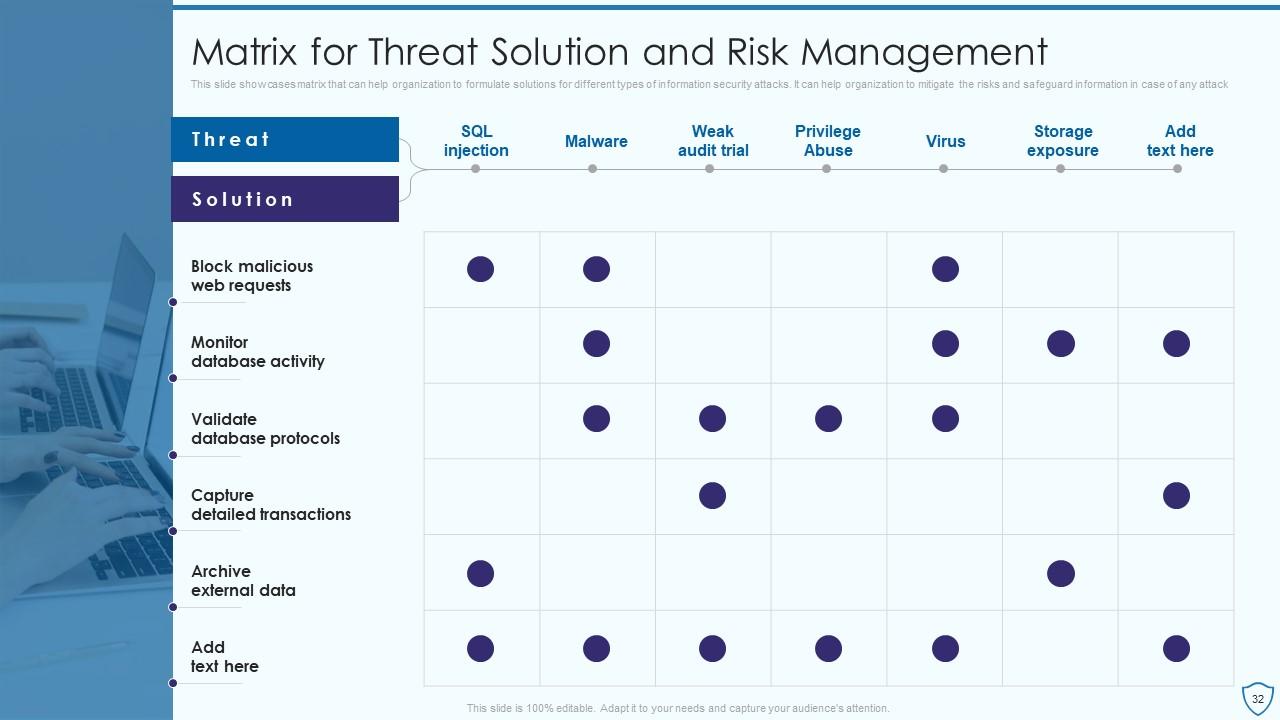
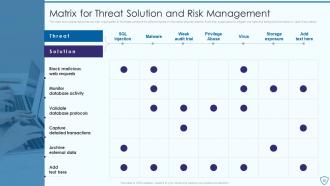
Slide 32: This slide shows Matrix for Threat Solution and Risk Management.
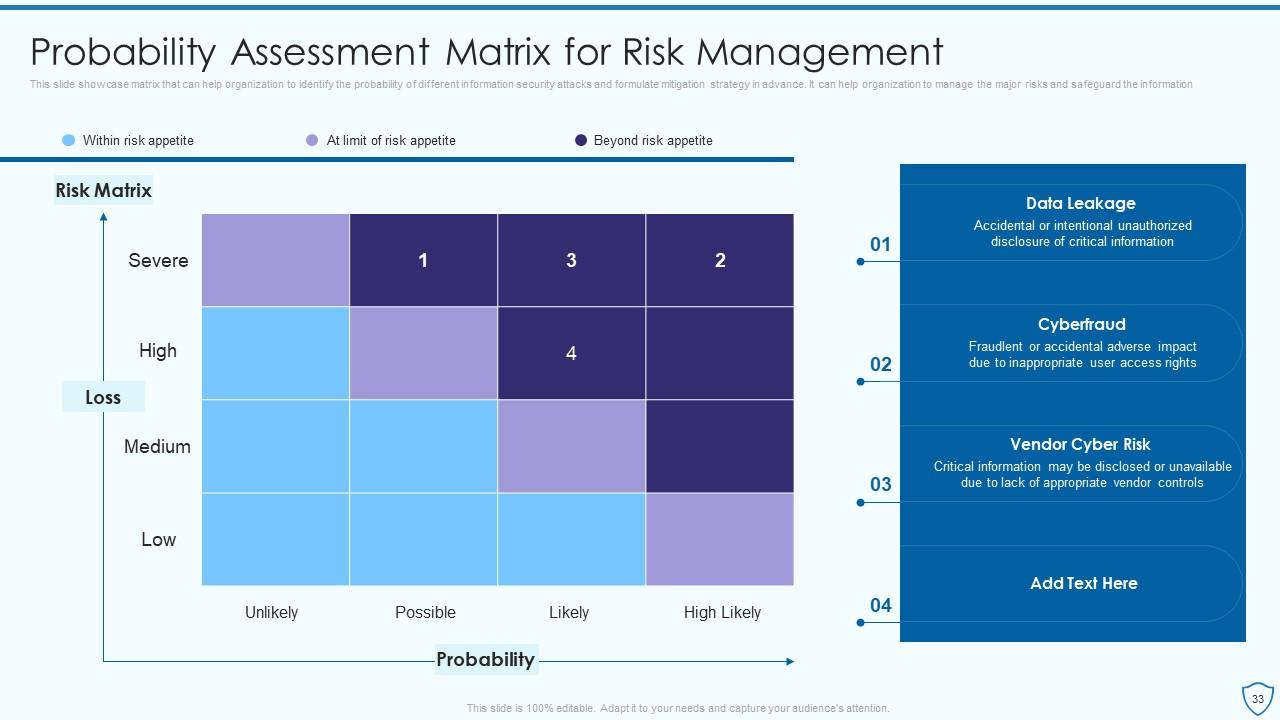
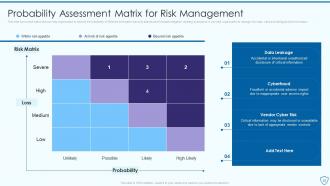
Slide 33: This slide presents Probability Assessment Matrix for Risk Management.
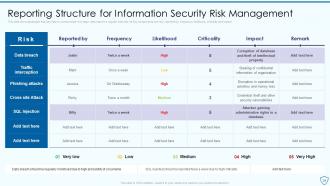
Slide 34: This slide displays Reporting Structure for Information Security Risk Management.
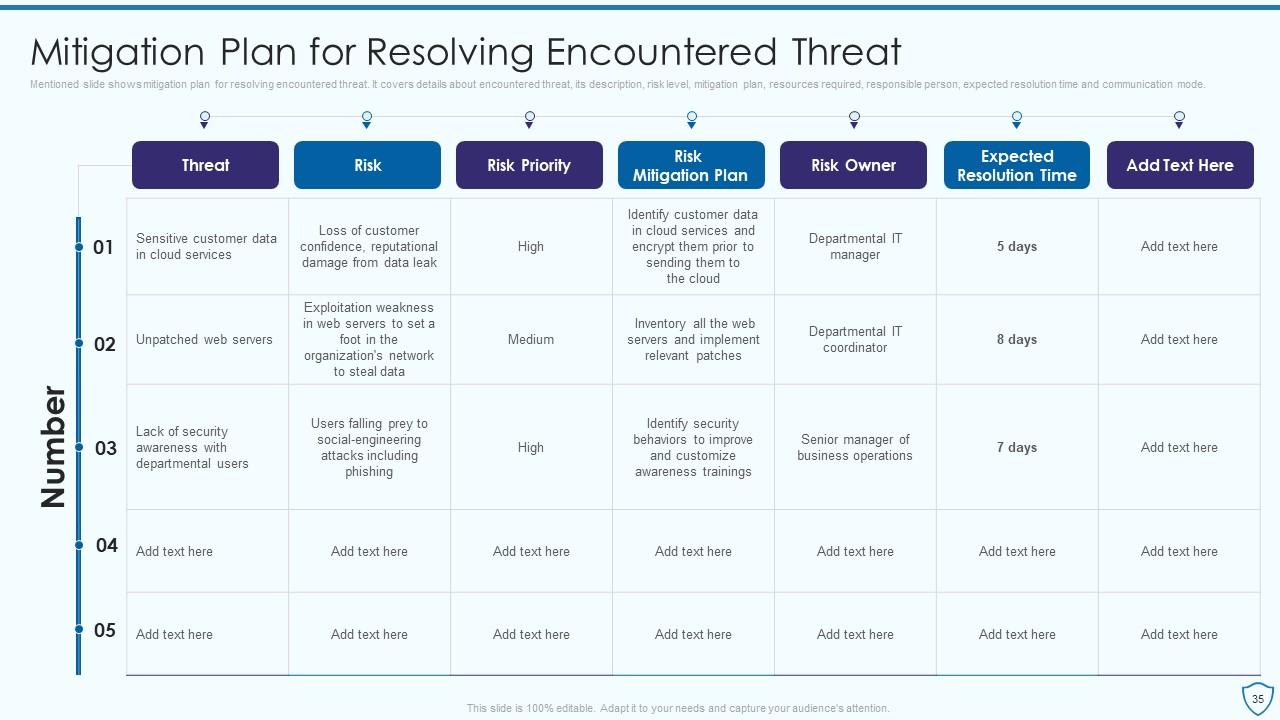
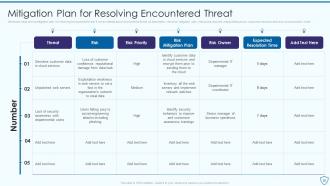
Slide 35: This slide represents Mitigation Plan for Resolving Encountered Threat.
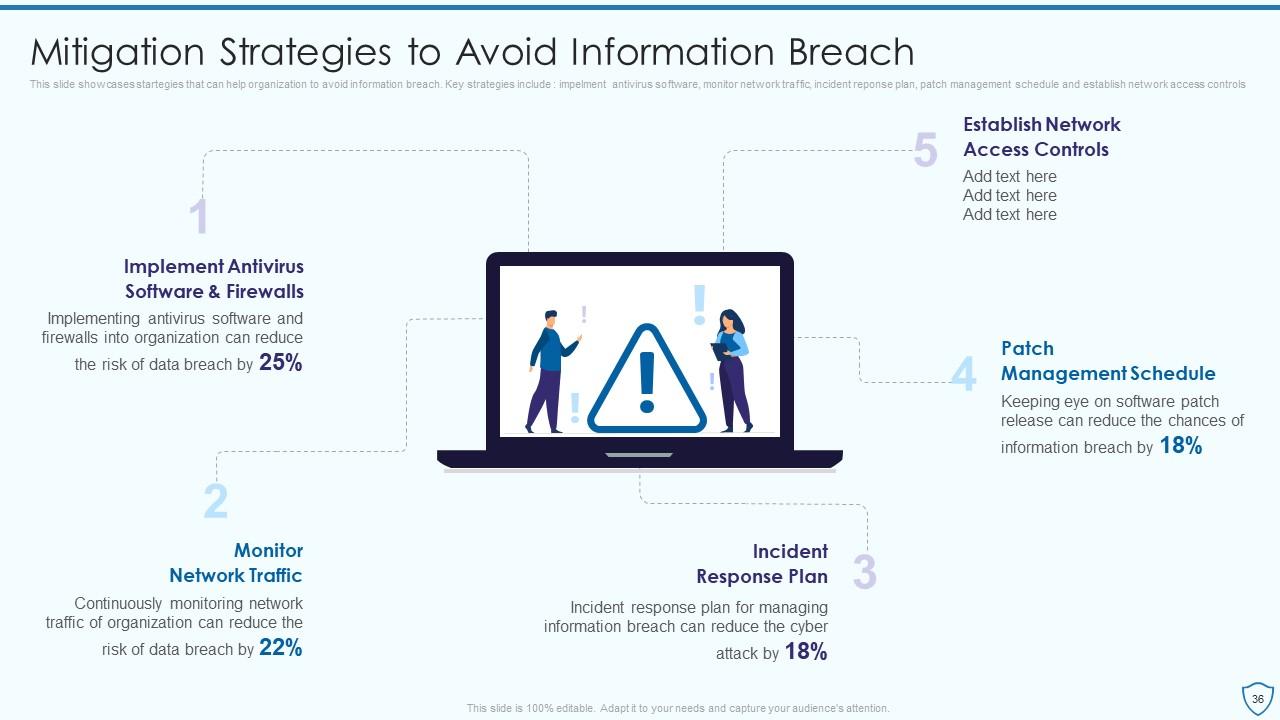
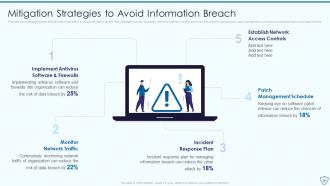
Slide 36: This slide showcases Mitigation Strategies to Avoid Information Breach.
Slide 37: This slide highlights title for topics that are to be covered next in the template.
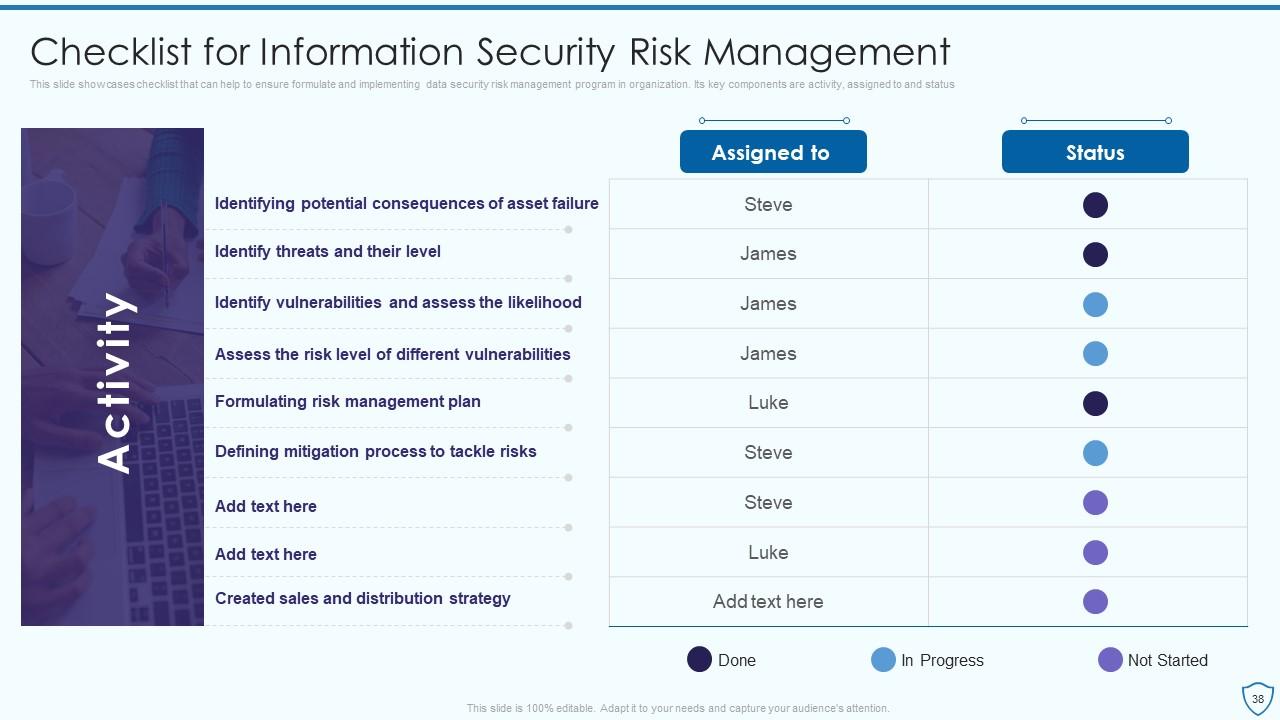
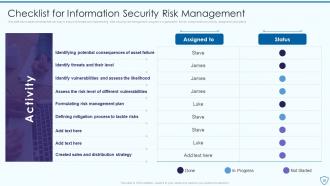
Slide 38: This slide shows Checklist for Information Security Risk Management.
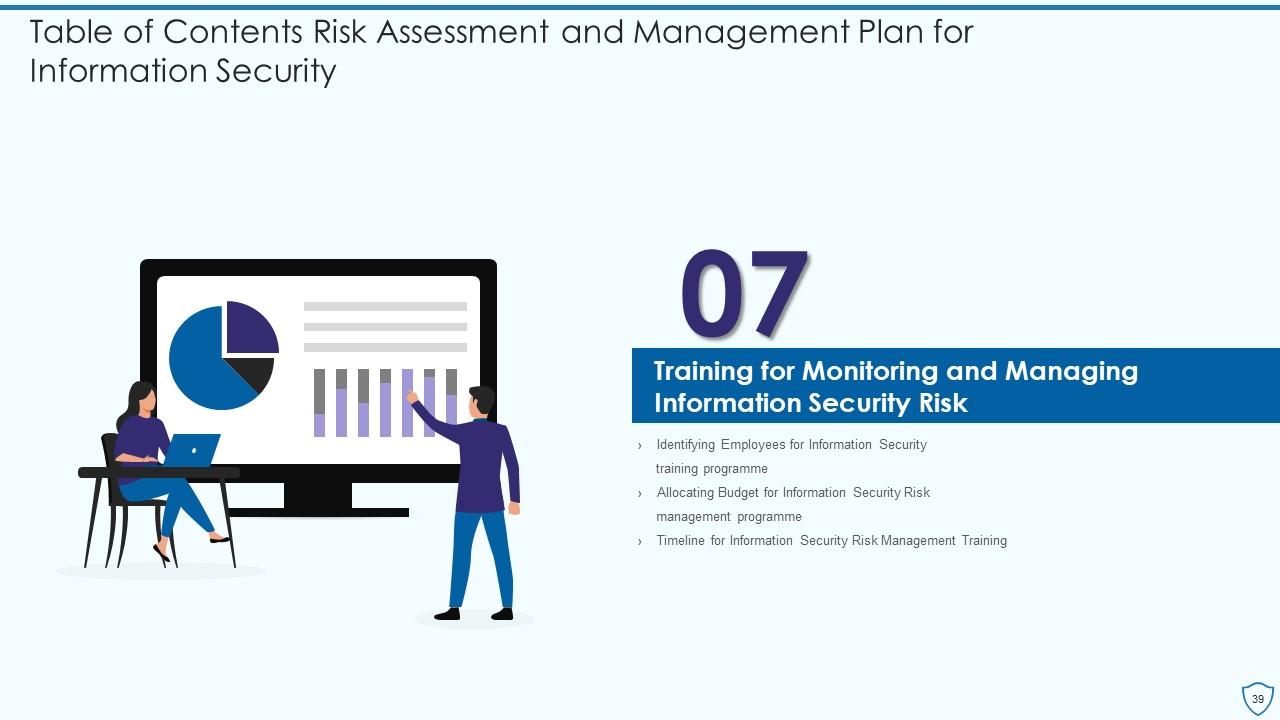
Slide 39: This slide highlights title for topics that are to be covered next in the template.
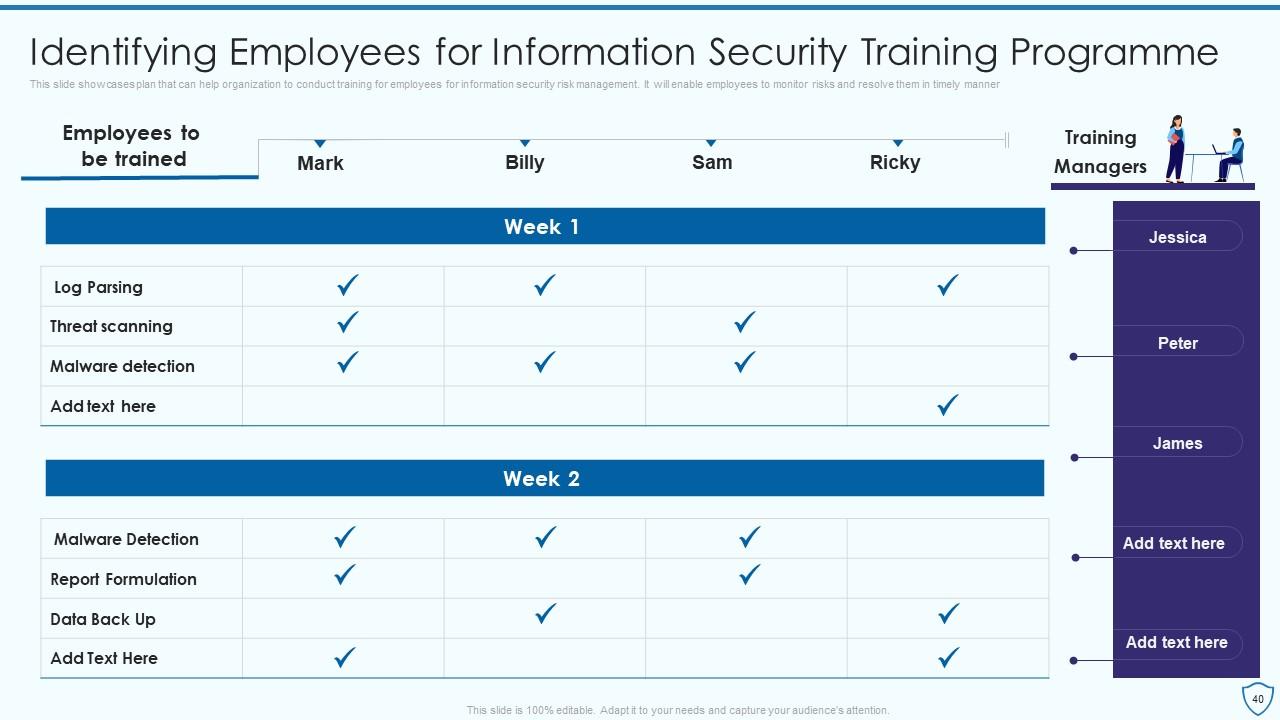
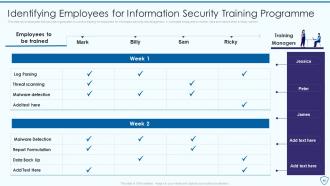
Slide 40: This slide presents Identifying Employees for Information Security Training Programme.
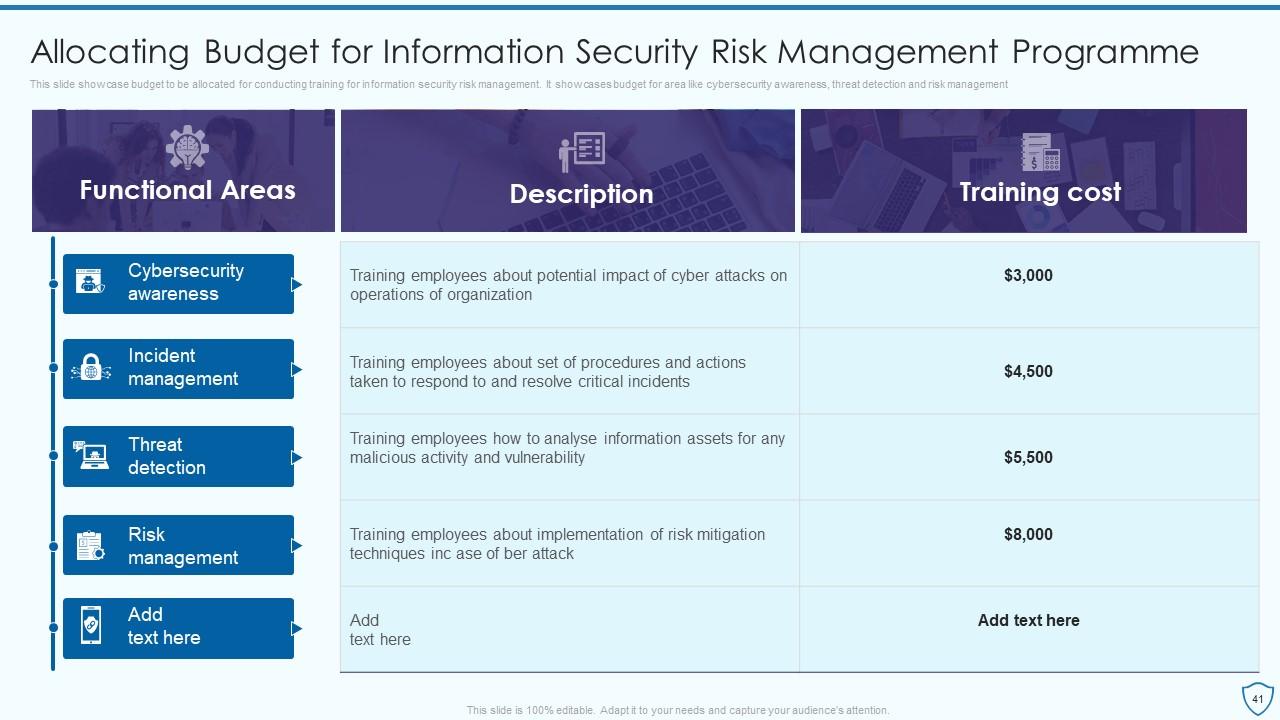
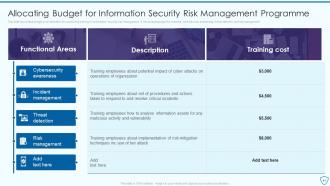
Slide 41: This slide displays Allocating Budget for Information Security Risk Management Programme.
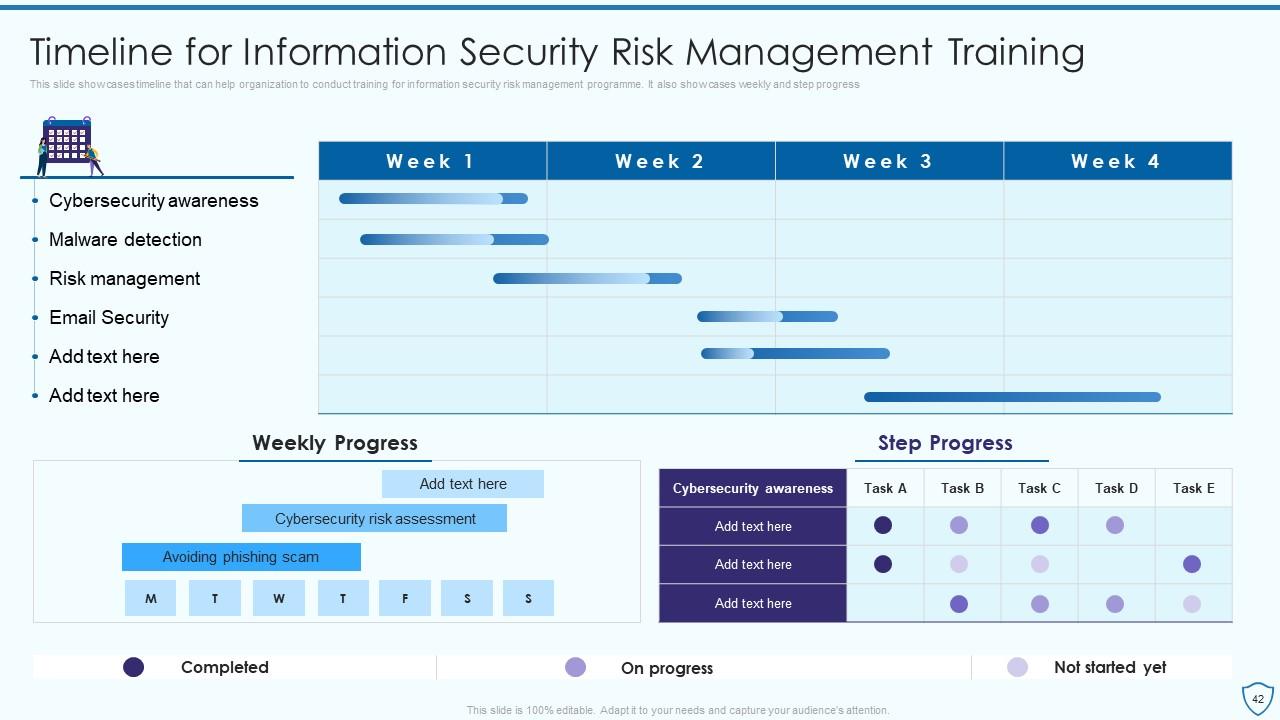
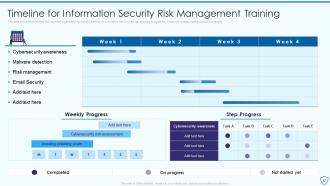
Slide 42: This slide represents Timeline for Information Security Risk Management Training.
Slide 43: This slide highlights title for topics that are to be covered next in the template.
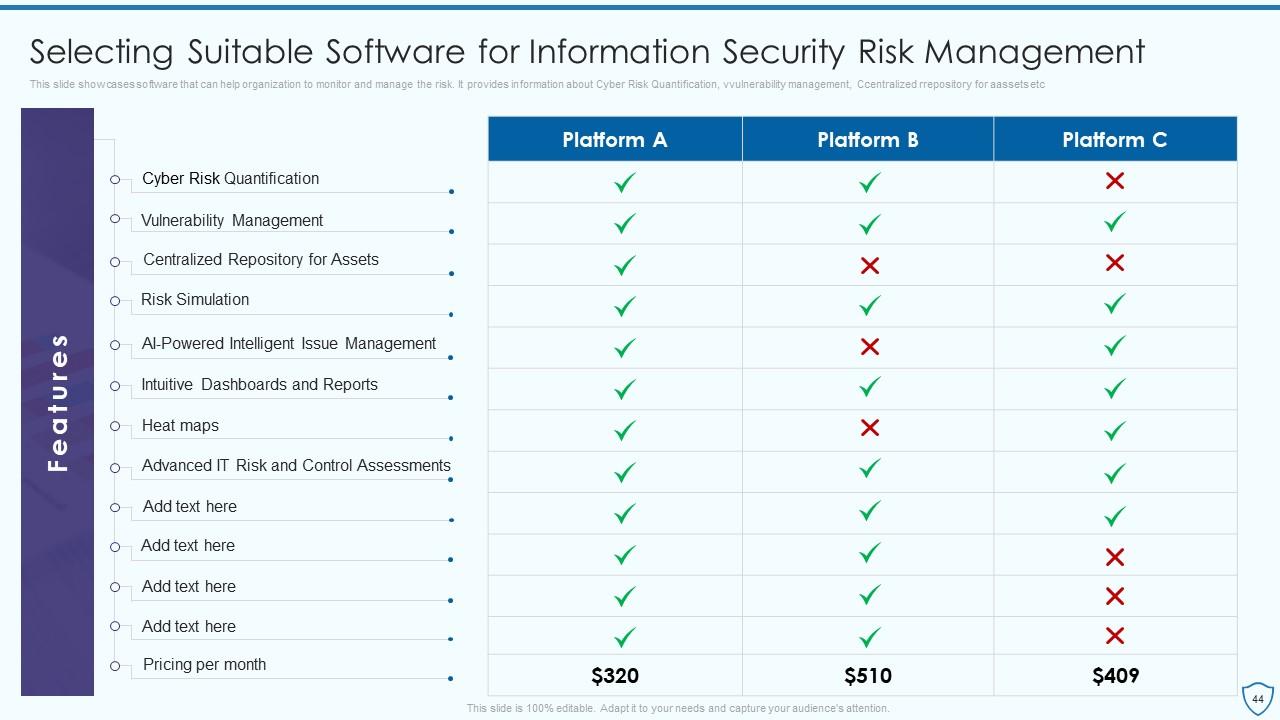
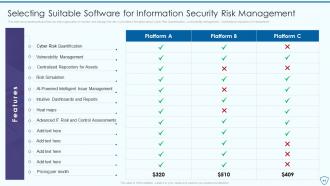
Slide 44: This slide showcases Selecting Suitable Software for Information Security Risk Management.
Slide 45: This slide highlights title for topics that are to be covered next in the template.
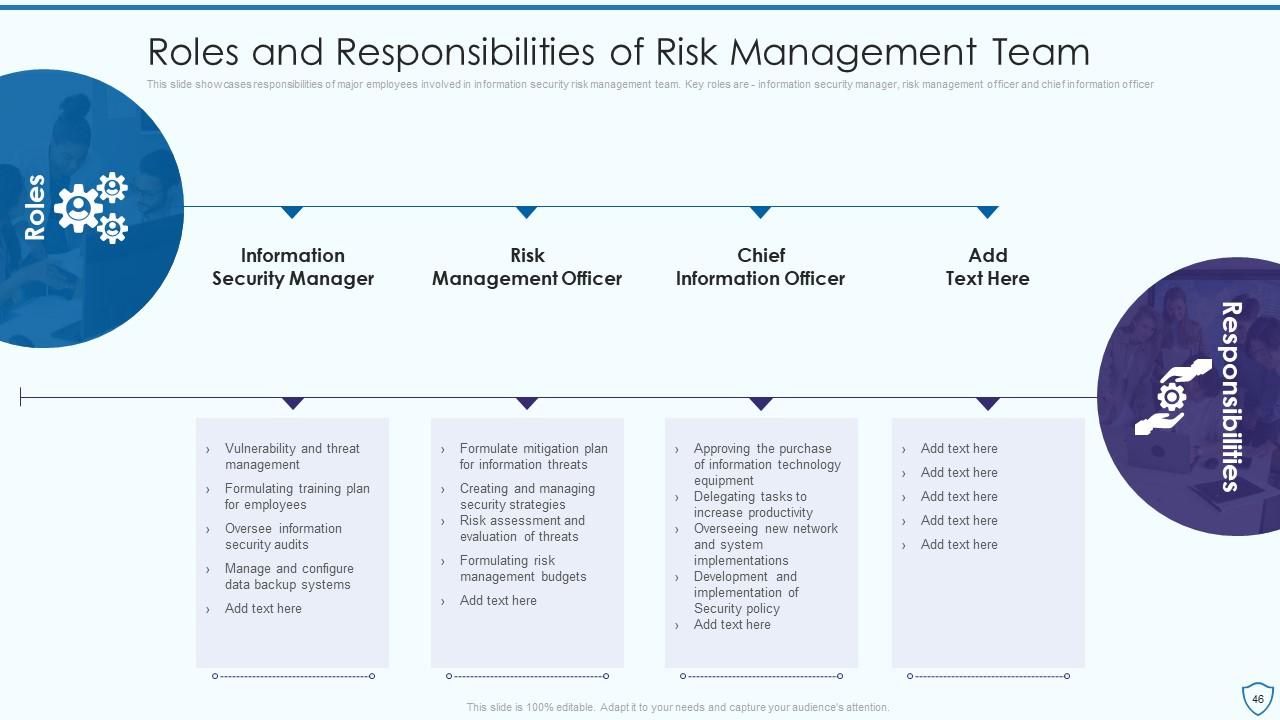
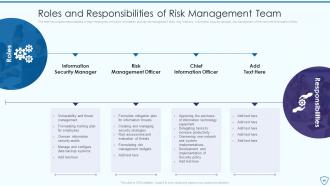
Slide 46: This slide shows Roles and Responsibilities of Risk Management Team.
Slide 47: This slide highlights title for topics that are to be covered next in the template.
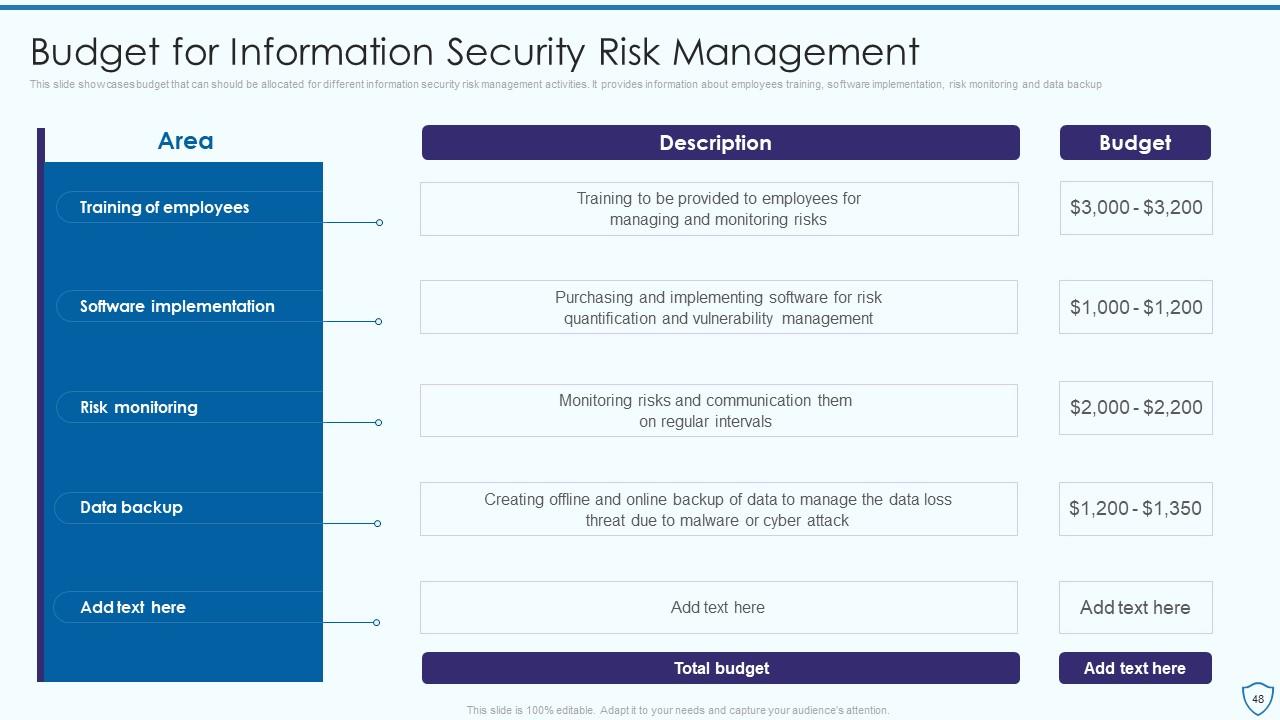
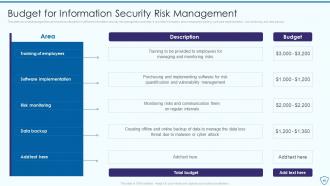
Slide 48: This slide presents Budget for Information Security Risk Management.
Slide 49: This slide highlights title for topics that are to be covered next in the template.
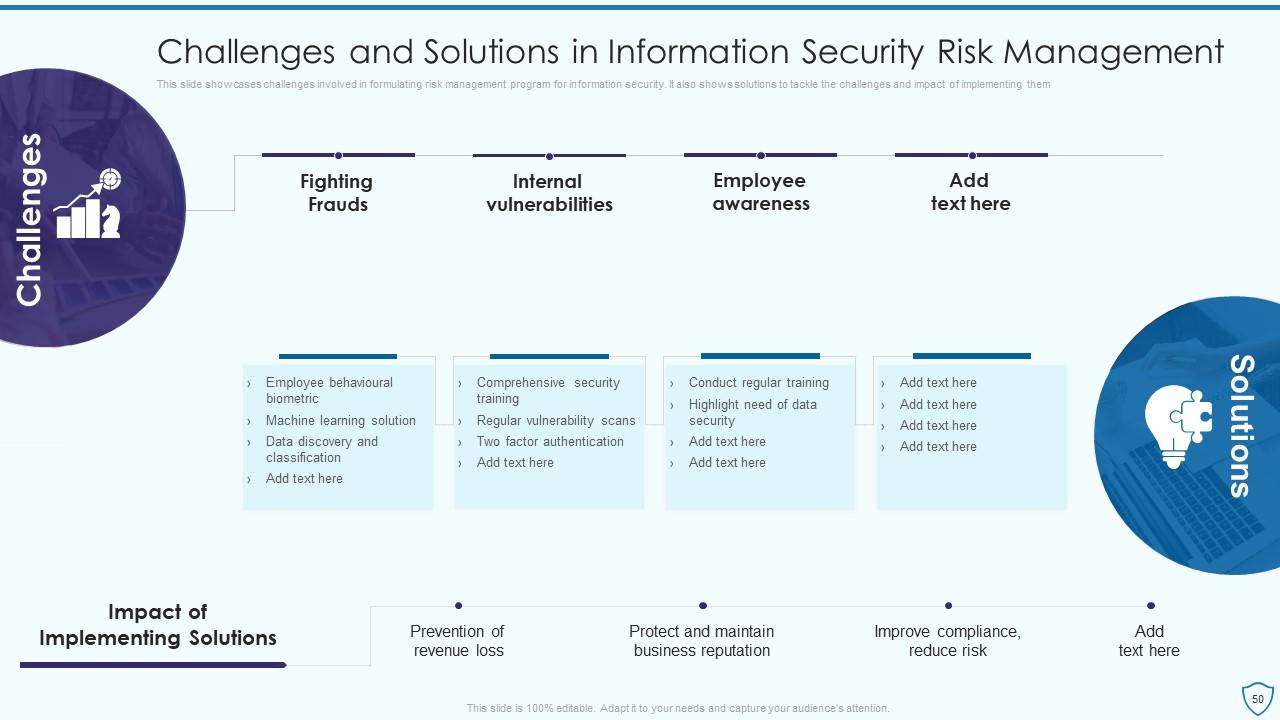
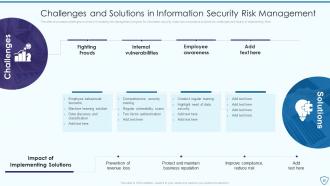
Slide 50: This slide displays Challenges and Solutions in Information Security Risk Management.
Slide 51: This slide highlights title for topics that are to be covered next in the template.
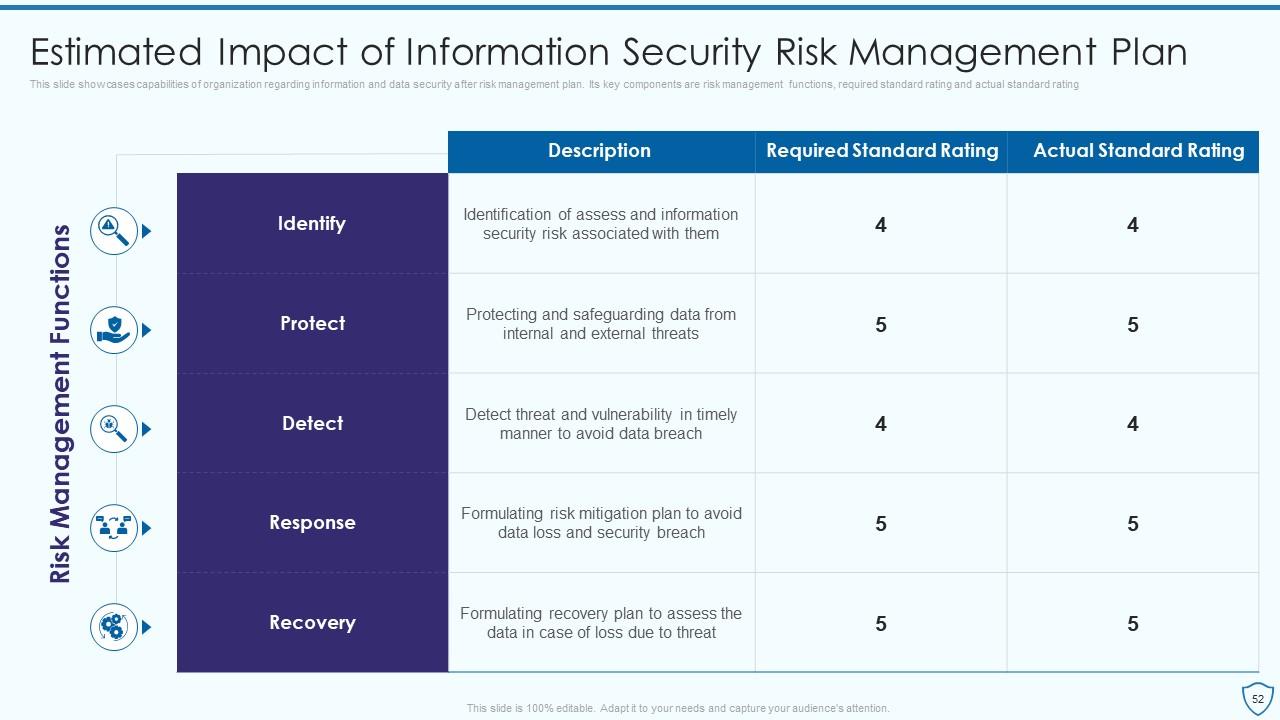
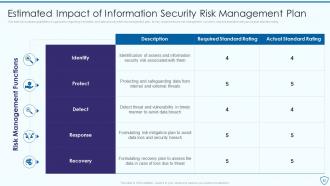
Slide 52: This slide represents Estimated Impact of Information Security Risk Management Plan.
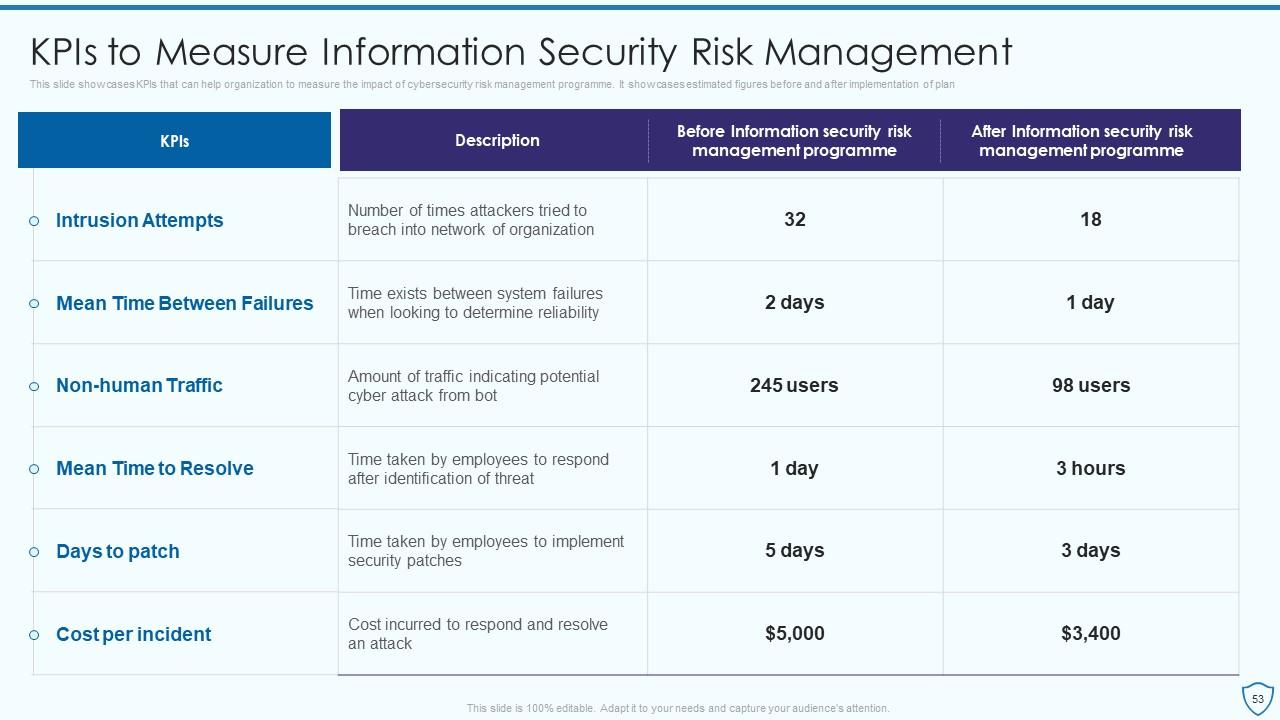
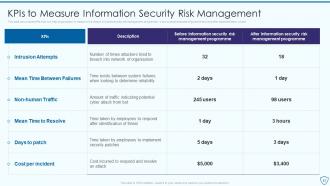
Slide 53: This slide showcases KPIs to Measure Information Security Risk Management.
Slide 54: This slide highlights title for topics that are to be covered next in the template.
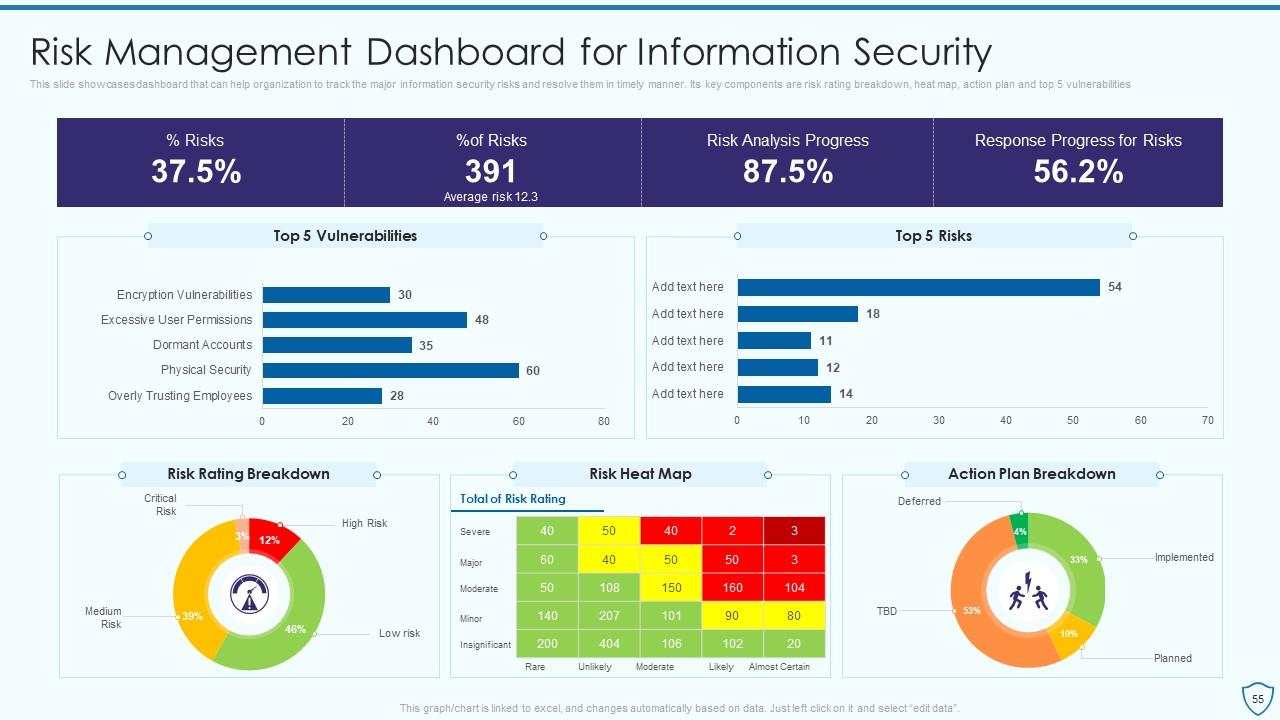
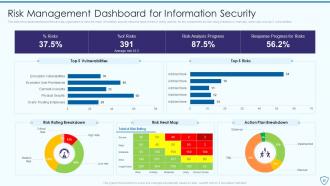
Slide 55: This slide shows Risk Management Dashboard for Information Security.
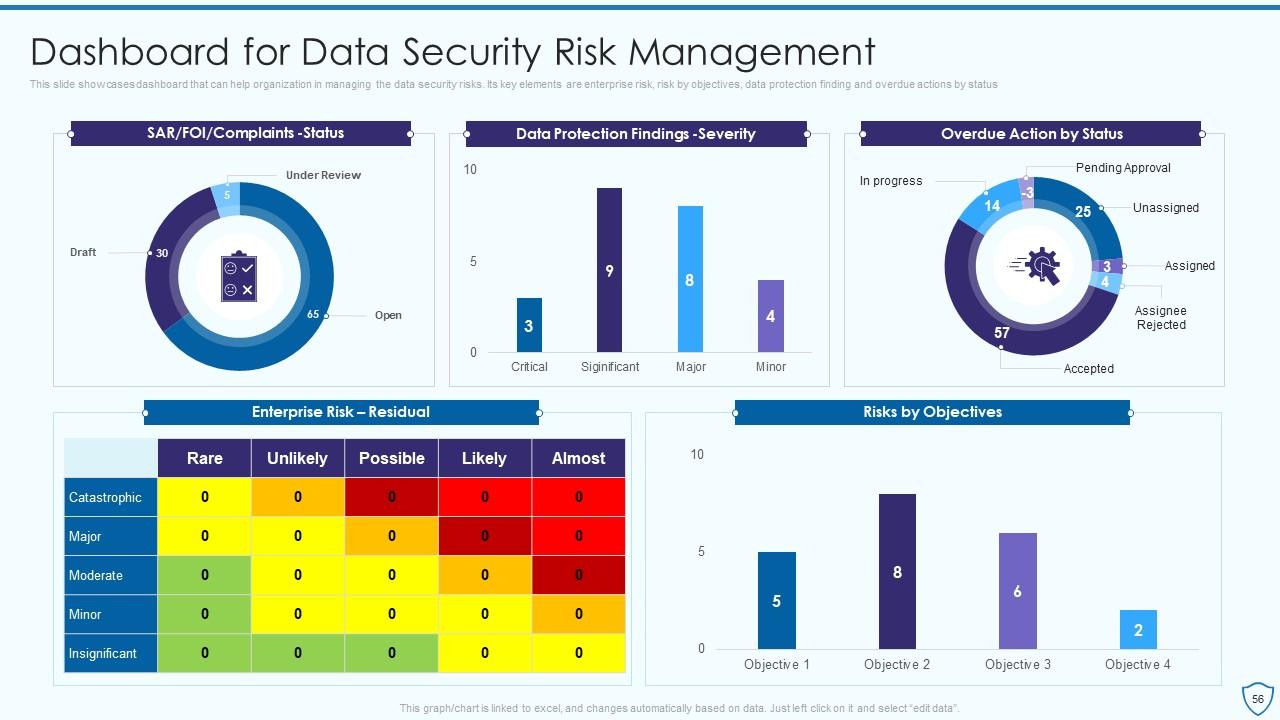
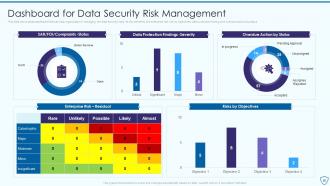
Slide 56: This slide presents Dashboard for Data Security Risk Management.
Slide 57: This slide highlights title for topics that are to be covered next in the template.
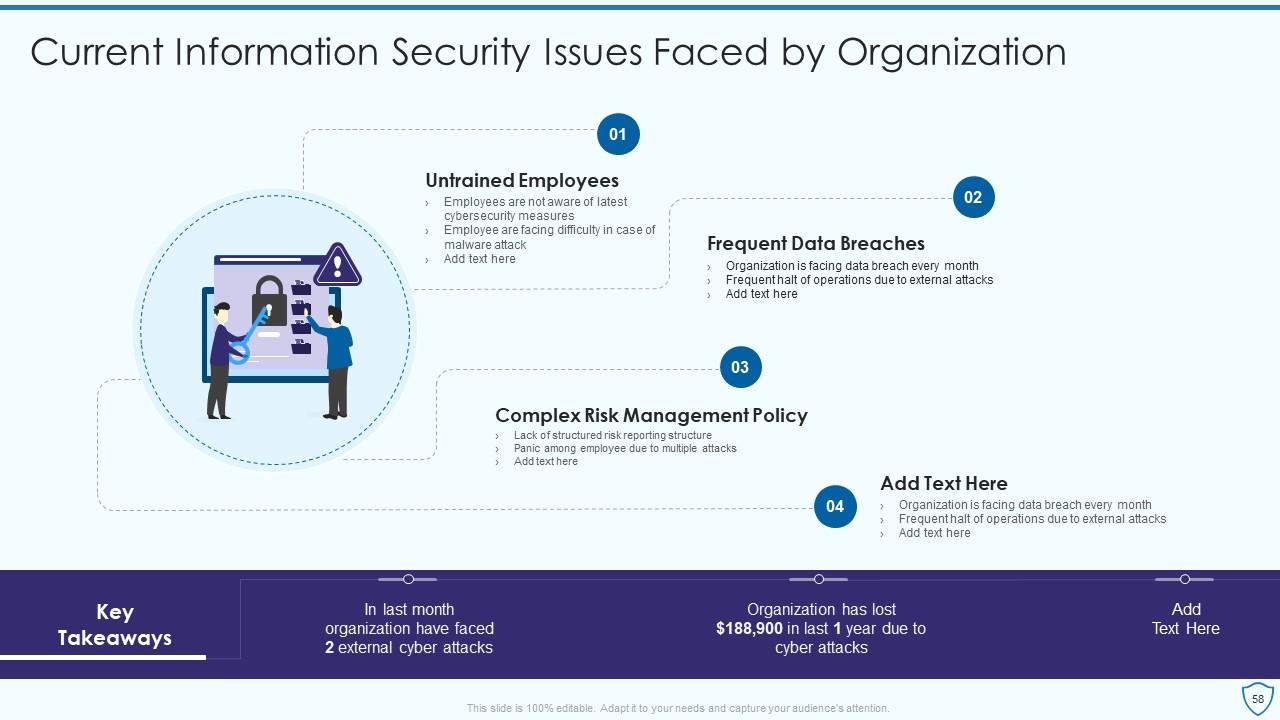
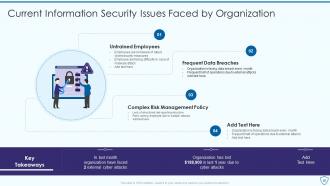
Slide 58: This slide displays Current Information Security Issues Faced by Organization.
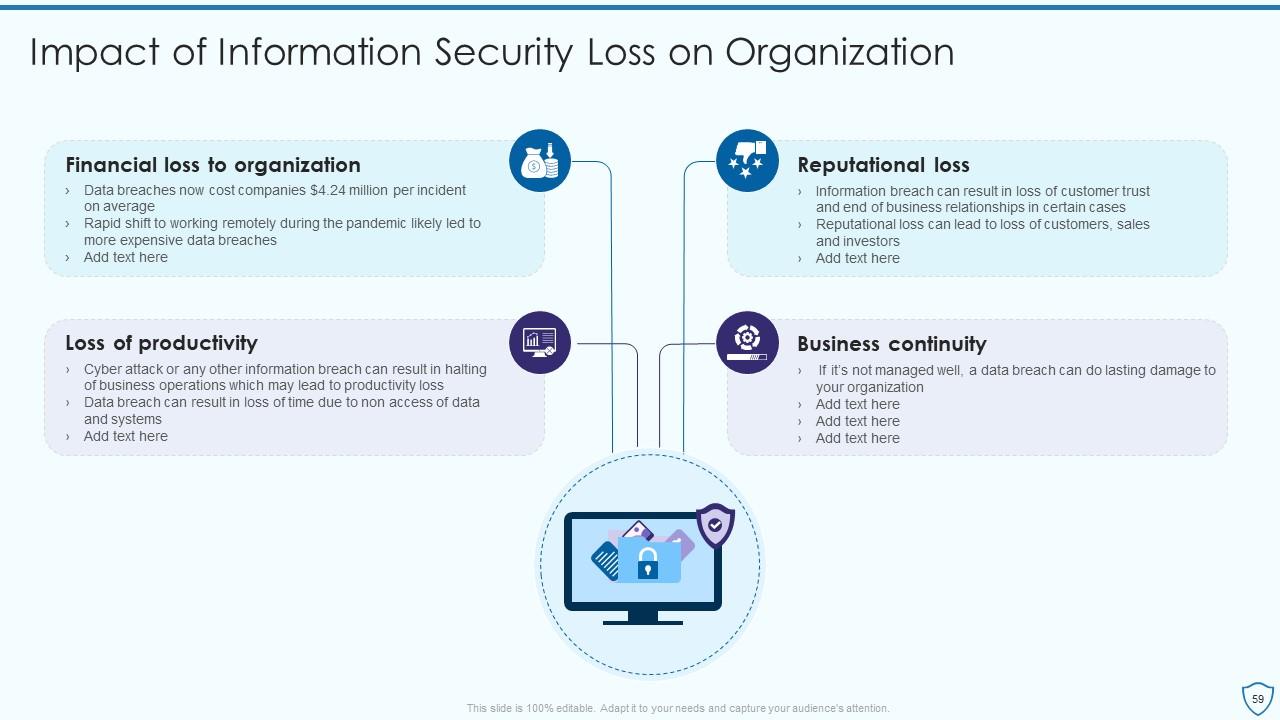
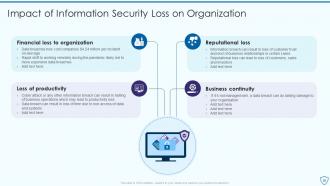
Slide 59: This slide represents Impact of Information Security Loss on Organization.
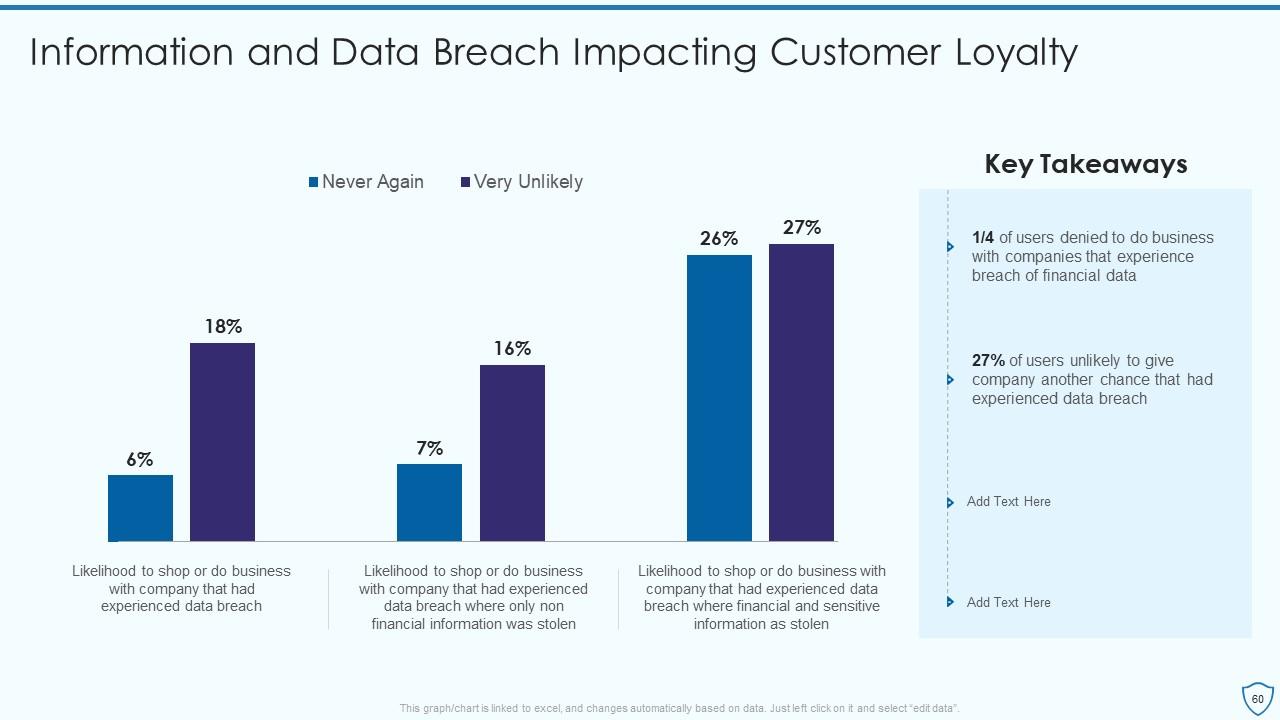
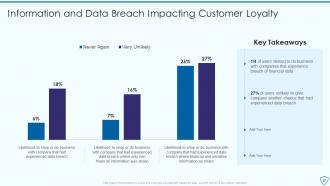
Slide 60: This slide showcases Information and Data Breach Impacting Customer Loyalty.
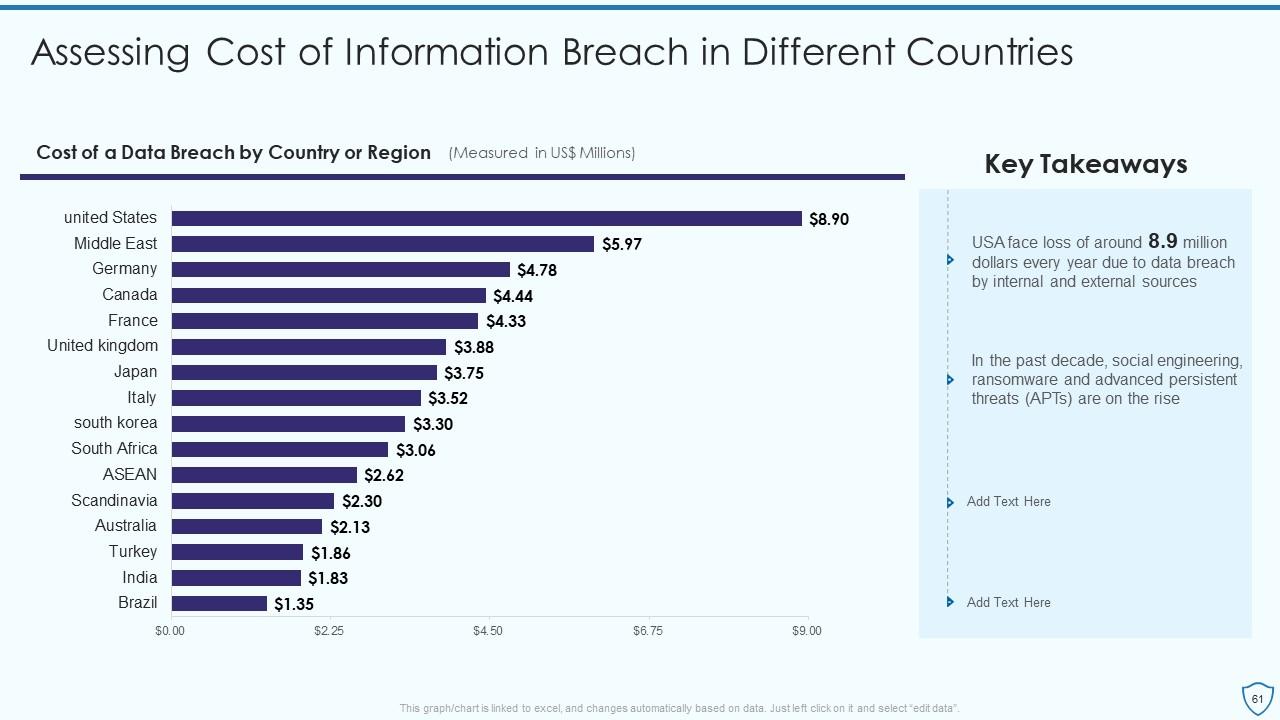
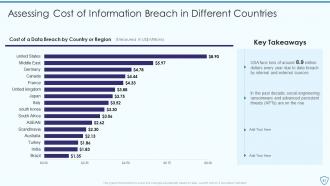
Slide 61: This slide shows Assessing Cost of Information Breach in Different Countries.
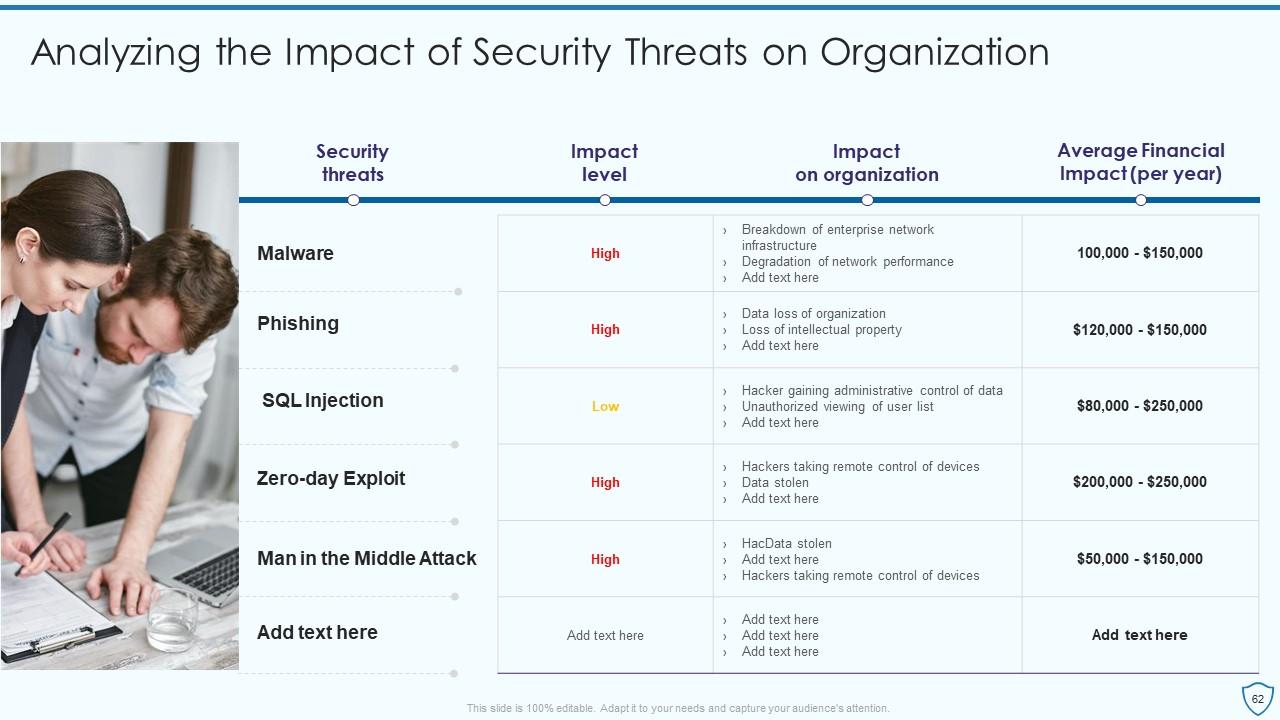
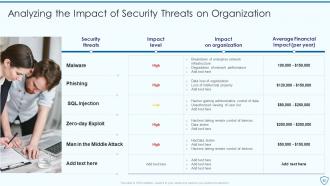
Slide 62: This slide presents Analyzing the Impact of Security Threats on Organization.
Slide 63: This slide displays Icons for Risk Assessment and Management Plan for Information Security.
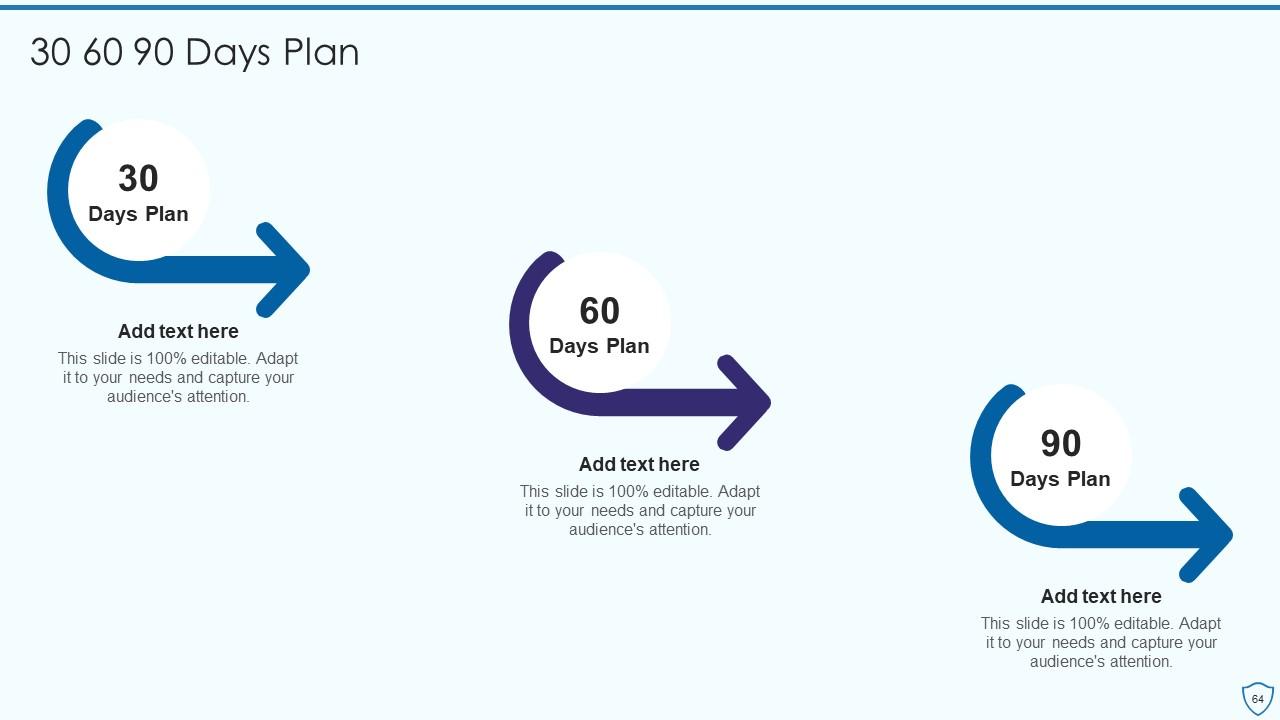
Slide 64: This slide provides 30 60 90 Days Plan with text boxes.
Slide 65: This slide showcases Magnifying Glass to highlight information, specifications, etc.
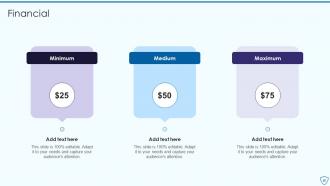
Slide 66: This is a Financial slide. Show your finance related stuff here.
Slide 67: This slide contains Puzzle with related icons and text.
Slide 68: This slide depicts Venn diagram with text boxes.
Slide 69: This slide shows Post It Notes. Post your important notes here.
Slide 70: This slide presents Roadmap with additional textboxes.
Slide 71: This is a Thank You slide with address, contact numbers and email address.
Risk Assessment And Management Plan For Information Security Powerpoint Presentation Slides with all 76 slides:
Use our Risk Assessment And Management Plan For Information Security Powerpoint Presentation Slides to effectively help you save your valuable time. They are readymade to fit into any presentation structure.
-
“I really like the convenient operation and professionalism I saw on the SlideTeam website. I want to express my regards and appreciation to the team.”
-
If you are looking for satisfactory PowerPoint services, SlideTeam is your go-to place. I am fully contented with their research and development team.
