

SaaS Business Model Powerpoint Ppt Template Bundles





Try Before you Buy Download Free Sample Product
 Impress Your
Audience
 100%
Editable
 Save Hours
of Time


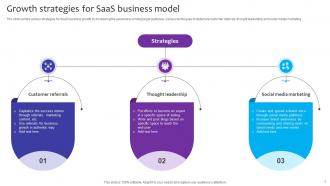
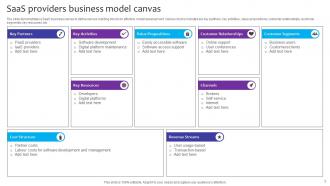
Introducing our comprehensive PPT on the SaaS Business Model your ultimate guide to mastering the world of Software as a Service This power-packed presentation offers an in-depth exploration of growth strategies and comparative analysis, empowering you to stay ahead of the competition. Discover a wide array of essential tools and gain insights into crafting a robust business model canvas, ensuring your SaaS ventures success. Explore innovative monetization strategies, while uncovering the secrets of effective sales and marketing tactics to drive user acquisition and retention. Delve into the intricacies of development levels and processes, identifying challenges and best practices for seamless implementation. Learn to evaluate Monthly Recurring Revenue MRR and crucial factors influencing profitability. Embrace the lifecycle of SaaS products and harness their long-term benefits.
People who downloaded this PowerPoint presentation also viewed the following :
SaaS Business Model Powerpoint Ppt Template Bundles with all 29 slides:
Use our SaaS Business Model Powerpoint Ppt Template Bundles to effectively help you save your valuable time. They are readymade to fit into any presentation structure.










FAQs for SaaS Business Model Powerpoint
So instead of selling software once, you're charging monthly or yearly subscriptions. People access it through their browser - no more burning CDs (thank god). You handle all the hosting and updates automatically rather than customers installing stuff themselves. The tricky part? You've got to keep customers happy long-term since that's where your money comes from. Lost customers = lost revenue. I'd honestly start by figuring out your customer journey first. Where do people typically bail out? That's where you'll want to focus your efforts on keeping them around.
Look at your customer data first - company size, industry, how they actually use your product. Most people go crazy here and make like 15 segments that don't mean anything. Big mistake. Stick to 3-4 max using firmographics (revenue, employees) or behavioral stuff (usage patterns). Your highest LTV customers? Study them hard. Survey people, interview your power users - that's where you'll find the real patterns. Then build messaging around each segment. Way easier said than done but honestly the data doesn't lie if you're looking at the right metrics.
Honestly, just go with tiered pricing - maybe 3 levels max. Make it obvious why someone would want the next tier up (better features, not just "more users allowed" or whatever). Usage-based works well if your product scales with their business. Freemium's solid for getting people hooked initially. Annual discounts are a no-brainer since you get better cash flow and they stick around longer. Don't overthink it though - I see way too many founders obsessing over the perfect pricing strategy when they should just pick something and test it. Talk to actual prospects first. Their reactions will tell you if you're in the ballpark or completely off.
Honestly, you gotta think about scaling from the start - don't wait until you're drowning in traffic. Break everything into microservices so you can scale the pieces that actually need it. Cloud auto-scaling is your friend here, plus load balancing obviously. Database sharding might sound scary but trust me, way better than watching your app die during a traffic spike lol. Get monitoring tools set up early so you'll spot bottlenecks before they wreck you. Oh and load test constantly, even with like 10 users. Finding your breaking points in testing beats learning about them at 2am when everything's on fire.
Dude, UX can make or break your SaaS. Your users are basically married to your product - if it sucks to use, they're gone. Good design cuts down support headaches and gets people actually using your features. When renewal time hits? They'll stay because they don't hate logging in every day. Honestly, I'd rather have fewer features that work perfectly than a ton of clunky ones. Two things to nail: smooth onboarding and making your main workflows dead simple. Get those right and your retention will thank you later.
Dude, security stuff will totally make or break your SaaS deals. Healthcare and finance companies? They're super strict about SOC 2, HIPAA, all that compliance paperwork. But honestly, even regular companies are way more paranoid now - can't really blame them with all the hacks lately. I've seen deals fall apart just because the security wasn't there during buying discussions. The flip side is that solid certifications actually help you stand out from competitors. Get those certs done early though, don't try to bolt security on later. Make it part of your pitch from day one.
Start with MRR and churn rate - they'll give you the clearest picture right away. Customer Acquisition Cost and Lifetime Value matter too, but honestly those can wait until you get the basics down. Your LTV:CAC ratio should hit 3:1 or higher, otherwise your unit economics are pretty much broken. Churn rate sucks to look at but it's brutally honest about whether customers actually like what you're doing. Oh, and don't sleep on Net Revenue Retention - shows if existing customers are growing with you. Set up something simple to track these weekly instead of getting lost in fancy dashboards.
Dude, support is HUGE for keeping customers around. When people get stuck with your product, how fast you help them basically decides if they stay or bounce to someone else. Good support transforms angry users into people who'll recommend you to everyone they know. I've literally watched crappy products win just because their support team was amazing - meanwhile some really solid platforms tanked because they treated customers like garbage. Response time matters, but so does actually solving their problems and not making them feel stupid. Your support folks are pretty much running your whole retention game.
Honestly, start with your onboarding - that's where people bail most often. Get users to actually understand your product's value in week one. When someone's usage drops or they're coming up on renewal, reach out before they disappear. Also, call your churned customers. I know it sucks, but they'll tell you exactly what broke. Set up alerts for when usage tanks so you can jump in early. Track how many people finish onboarding too - you'd be surprised how many don't. Do that this week if you haven't already.
Here's the thing - you don't want to dump everything on users right away. Good onboarding is about getting them to that "holy shit, this actually works" moment as fast as possible. Map out what your users really need to accomplish first, then build the flow around that. Show the core stuff that delivers value immediately, save the fancy features for later. Short sentences work here. Users who see quick wins stick around way longer, especially in those make-or-break first 30 days. I always think of it like teaching someone to drive - you don't start with parallel parking, you know?
Look, integrations are game-changers because they make your SaaS feel native to how people already work. Nobody wants another random tool cluttering their day. Connect with Slack, Salesforce, Google Workspace - whatever your users are already obsessed with. Here's the thing though: once people set up those automations, they're basically locked in. Who wants to rebuild all that stuff somewhere else? The more you integrate, the stickier you become. I'd honestly just pick the 3-5 tools your audience can't function without and nail those first.
Dude, with SaaS you literally never stop working on it - there's no "ship it and we're done" moment like regular software. You're constantly tweaking stuff based on what users tell you, which is exhausting but kinda addictive too. Traditional products? Build, ship, maybe a patch or two, then move on. SaaS is this whole ongoing relationship thing where you're obsessed with keeping people from canceling. Oh and you'll be pushing updates like... all the time. Honestly once you get into that mindset of never being "finished," it clicks.
Oof, freemium is tricky - most people never convert, like 2-5% tops. Supporting all those free users gets expensive fast, which is honestly annoying when you're bleeding money. Here's what works: give away enough to show real value but not everything. Think appetizer, not the whole dinner. Set usage limits that make sense. Then focus hard on moving free users to paid - you need a solid nurturing system for that. Track your costs obsessively. If your free tier isn't driving conversions after a few months, don't be stubborn about changing it up.
Definitely set up a bunch of feedback channels - in-app surveys, customer interviews, support tickets, usage data. The real magic happens when you close the loop though. Tell customers when their ideas actually become features (seriously, they get so excited about this). Focus on your best customers first and look for patterns, not random one-off complaints. I'd create some simple scoring system that weighs how often you hear something, which customers are saying it, and business impact. Oh and monthly reviews with your product team are clutch - keeps you building what people actually want instead of guessing.
So globalization means you can't just copy-paste your US strategy everywhere. Each market needs its own pricing, messaging, the whole thing. I learned this the hard way - translating your site literally doesn't cut it. Price sensitivity is totally different in Europe vs Asia, plus there's compliance stuff to deal with. Time zones become a nightmare for support calls too. But honestly? SaaS makes it way easier since everything's cloud-based already. Pick one market first and really dig into what they actually need. Don't try to go everywhere at once - that's a recipe for disaster.
-
Graphics are very appealing to eyes.
-
The best part about SlideTeam is their meticulously prepared presentations (complete-decks and single-slides both), infused with high-quality graphics and easy to edit. All-in-all worthy products.