

Perfil de la empresa SAP Diapositivas de presentación de PowerPoint CP CD





Try Before you Buy Download Free Sample Product
 Impress Your
Audience
 100%
Editable
 Save Hours
of Time


Un perfil de empresa proporciona una descripción general de los puntos más esenciales sobre una organización, lo que ayuda a los inversores y partes interesadas a evaluar el valor y el desempeño del negocio. Echa un vistazo a nuestra presentación de PowerPoint del perfil de la empresa SAP diseñada profesionalmente. En primer lugar, el perfil de Soluciones de Negocio cubre el resumen ejecutivo, la introducción de la empresa, el propósito, los valores fundamentales, la línea de tiempo, los productos y servicios ofrecidos. Además, la presentación de PowerPoint de Software incluye las principales industrias atendidas, innovaciones, presencia global, base de empleados y análisis de la competencia. Además, esta Presentación de Herramientas Empresariales describe los estados financieros del negocio, como los ingresos, las estadísticas de ganancias y pérdidas, los activos y pasivos, los gastos de investigación y desarrollo, el flujo de efectivo, etc. También describe las estrategias empresariales adoptadas con planes futuros. Además, este Deck de CRM ilustra la evaluación del desempeño empresarial con análisis de la competencia y análisis FODA. Por último, nuestro Módulo de Gestión Financiera muestra varios ejemplos de la vida real del trabajo de SAP. Descarga nuestra plantilla 100% editable y personalizable, que también es compatible con Google Slides.
People who downloaded this PowerPoint presentation also viewed the following :
Contenido de esta presentación de Powerpoint
Diapositiva 1: Esta diapositiva presenta el perfil de la empresa SAP. Indique el nombre de su empresa y comience.
Diapositiva 2: Esta diapositiva muestra un índice para la presentación.
Diapositiva 3: Esta diapositiva continúa con la diapositiva anterior.
Diapositiva 4: Esta diapositiva proporciona un resumen ejecutivo del negocio.
Diapositiva 5: Esta diapositiva incluye información sobre la empresa.
Diapositiva 6: Esta diapositiva contiene información sobre los principios rectores y valores fundamentales de la empresa. Incluye valores como nuestro propósito, visión y valores fundamentales.
Diapositiva 7: Esta diapositiva proporciona información sobre las estadísticas clave de la empresa.
Diapositiva 8: Esta diapositiva incluye información sobre el recorrido de crecimiento de la empresa.
Diapositiva 9: Esta diapositiva contiene información sobre los productos que ofrece la empresa de soluciones SAP a los clientes.
Diapositiva 10: Esta diapositiva detalla la información sobre los servicios proporcionados por la empresa, que comprenden soporte básico, plan y servicios de éxito, compromiso premium y otros servicios adicionales.
Diapositiva 11: Esta diapositiva describe las diversas industrias a las que sirve la empresa.
Diapositiva 12: Esta diapositiva muestra información detallada sobre el modelo de negocio de la empresa.
Diapositiva 13: Esta diapositiva detalla las ubicaciones de las oficinas comerciales en todo el mundo.
Diapositiva 14: Esta diapositiva destaca los centros de experiencia ubicados en todo el mundo.
Diapositiva 15: Esta diapositiva contiene información sobre el equipo de liderazgo de la empresa.
Diapositiva 16: Esta diapositiva muestra el organigrama de la empresa SAP.
Diapositiva 17: Esta diapositiva incluye información sobre las empresas y marcas adquiridas por la empresa SAP a lo largo de los años.
Diapositiva 18: Esta diapositiva proporciona información sobre los socios clave de la empresa.
Diapositiva 19: Esta diapositiva contiene asociaciones comerciales por tecnología global.
Diapositiva 20: Esta diapositiva muestra información sobre los principales accionistas de la empresa.
Diapositiva 21: Esta diapositiva proyecta información sobre los negocios subsidiarios de la empresa.
Diapositiva 22: Esta diapositiva destaca información sobre las innovaciones de productos de la empresa.
Diapositiva 23: Esta diapositiva ilustra información sobre los patrocinios globales proporcionados por la empresa para expandir las relaciones en la industria deportiva y de medios.
Diapositiva 24: Esta diapositiva explica la información sobre la base anual de empleados de la empresa a lo largo de los años.
Diapositiva 25: Esta diapositiva muestra la división de la base de empleados por regiones.
Diapositiva 26: Esta diapositiva destaca la distribución de la base de empleados de la empresa por operaciones funcionales.
Diapositiva 27: Esta diapositiva presenta información sobre la base de clientes de SAP.
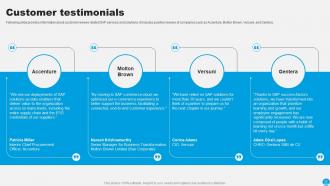
Diapositiva 28: Esta diapositiva incluye información sobre las reseñas de los clientes relacionadas con los servicios y soluciones de SAP.
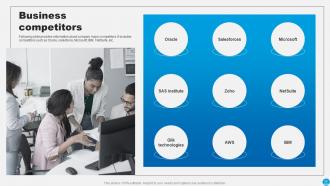
Diapositiva 29: Esta diapositiva incluye información sobre los principales competidores de la empresa.
Diapositiva 30: Esta diapositiva proporciona información sobre los principales competidores de la empresa.
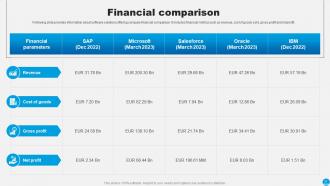
Diapositiva 31: Esta diapositiva explica la información sobre la comparación financiera de la oferta de soluciones de software de la empresa.
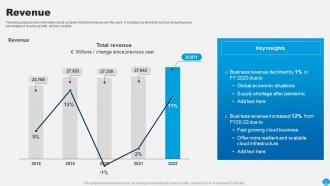
Diapositiva 32: Esta diapositiva incluye información sobre los ingresos históricos de la empresa a lo largo de los años.
Diapositiva 33: Esta diapositiva contiene información sobre la división de ingresos por varias fuentes de ingresos.
Diapositiva 34: Esta diapositiva muestra la distribución de ingresos por varias regiones.
Diapositiva 35: Esta diapositiva denota información sobre el costo actual de la empresa para generar ingresos.
Diapositiva 36: Esta diapositiva contiene información sobre las ganancias brutas obtenidas por la empresa a lo largo de los años.
Diapositiva 37: Esta diapositiva detalla la información sobre el gasto de la empresa en investigación y desarrollo de productos.
Diapositiva 38: Esta diapositiva proporciona información sobre las ganancias operativas de la empresa a lo largo de los años.
Diapositiva 39: Esta diapositiva menciona información sobre las ganancias obtenidas por la empresa después de pagar impuestos.
Diapositiva 40: Esta diapositiva proyecta información sobre el crecimiento y la disminución de las ganancias netas del negocio a lo largo del año.
Diapositiva 41: Esta diapositiva se refiere a la información sobre las ganancias por acción de la empresa a lo largo del año.
Diapositiva 42: Esta diapositiva muestra información sobre los activos de la empresa.
Diapositiva 43: Esta diapositiva destaca los pasivos del negocio a lo largo de los años.
Diapositiva 44: Esta diapositiva muestra información sobre el flujo de efectivo de varias actividades comerciales.
Diapositiva 45: Esta diapositiva muestra información sobre los objetivos estratégicos alcanzados por la empresa en 2022.
Diapositiva 46: Esta diapositiva proporciona información sobre lo que la empresa debe lograr en el año futuro.
Diapositiva 47: Esta diapositiva se refiere a la información sobre las estrategias de la empresa.
Diapositiva 48: Esta diapositiva describe las soluciones comerciales ofrecidas por la empresa para respaldar la iniciativa estratégica de la Industria 4.0.
Diapositiva 49: Esta diapositiva proporciona información sobre el análisis interno de la empresa basado en los siguientes parámetros: fortalezas y debilidades.
Diapositiva 50: Esta diapositiva incluye información sobre el análisis externo de la empresa basado en los siguientes parámetros: oportunidades y amenazas.
Diapositiva 51: Esta diapositiva se refiere a la información sobre las innovaciones planificadas de la empresa.
Diapositiva 52: Esta diapositiva incluye información sobre las iniciativas de responsabilidad social corporativa de la empresa.
Diapositiva 53: Esta diapositiva incluye información sobre el compromiso de responsabilidad social corporativa de la empresa y su impacto en los empleados, las empresas y la sociedad.
Diapositiva 54: Esta diapositiva explica la información sobre los socios de Responsabilidad Social Corporativa de la empresa en todo el mundo.
Diapositiva 55: Esta diapositiva describe un caso de estudio de la empresa cosmética Molton Brown.
Diapositiva 56: Esta diapositiva proporciona información sobre un caso de estudio de Accenture.
Diapositiva 57: Esta es una diapositiva de Contáctenos. Agregue su dirección de correo electrónico, contacto, redes sociales y dirección.
Diapositiva 58: Esta diapositiva muestra todos los iconos incluidos en la presentación.
Diapositiva 59: Esta diapositiva se titula Diapositivas adicionales para avanzar.
Diapositiva 60: Esta diapositiva es una diapositiva de Línea de tiempo. Muestre datos relacionados con intervalos de tiempo aquí.
Diapositiva 61: Esta diapositiva es Nuestro objetivo. Indique sus objetivos aquí.
Diapositiva 62: Esta diapositiva muestra un diagrama de Venn con cuadros de texto.
Diapositiva 63: Esta diapositiva muestra un Mapa mental con imágenes relacionadas.
Diapositiva 64: Esta diapositiva presenta una Hoja de ruta con cuadros de texto adicionales.
Diapositiva 65: Esta diapositiva es una diapositiva de Citas para transmitir mensajes, creencias, etc.
Diapositiva 66: Esta diapositiva muestra Notas adhesivas. Publique sus notas importantes aquí.
Diapositiva 67: Esta diapositiva es una diapositiva de Generación de ideas para expresar una nueva idea o destacar información, especificaciones, etc.
Diapositiva 68: Esta diapositiva es una diapositiva de agradecimiento con dirección, números de contacto y dirección de correo electrónico.
Perfil de la empresa SAP Diapositivas de presentación de PowerPoint CD con las 77 diapositivas
Utilice nuestras Diapositivas de Presentación del Perfil de la Empresa SAP CP CD para ahorrar eficazmente su valioso tiempo. Están listas para encajar en cualquier estructura de presentación.
-

SAP Company Profile
-
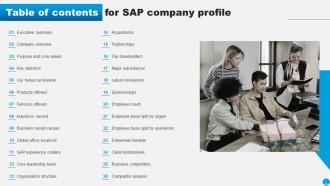
Table of contents for SAP company profile
-
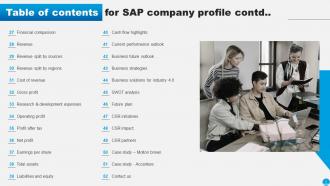
Table of contents for SAP company profile contd
-

Executive summary
-
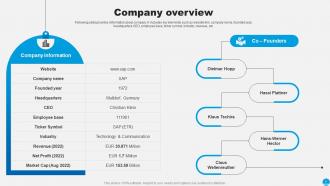
Company overview
-
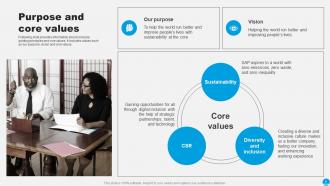
Purpose and core values
-
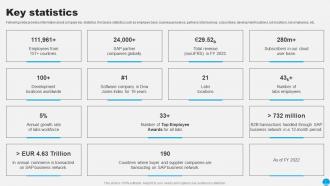
Key statistics
-
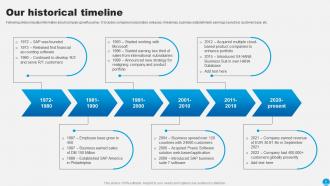
Our historical timeline
-

Products offered
-

Services offered
-
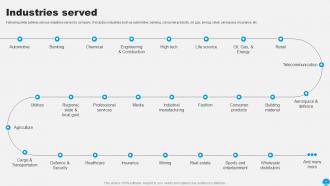
Industries served
-
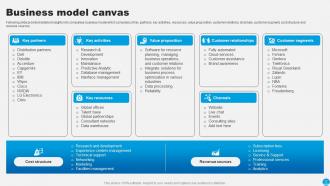
Business model canvas
-
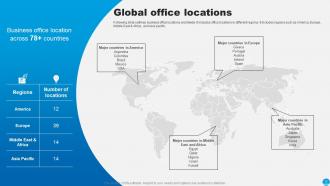
Global office locations
-

SAP experience centers
-
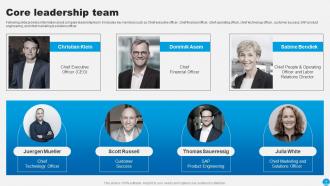
Core leadership team
-
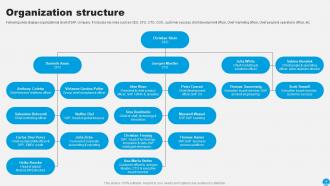
Organization structure
-

Major acquisitions
-
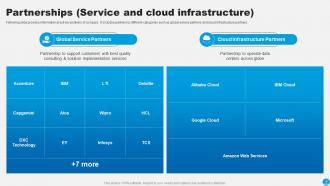
Partnerships Service and cloud infrastructure
-
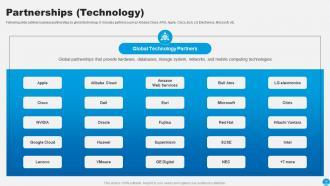
Partnerships Technology
-
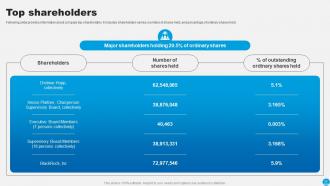
Top shareholders
-
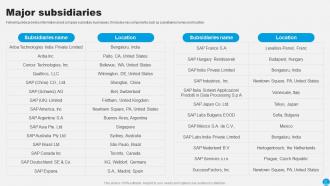
Major subsidiaries
-
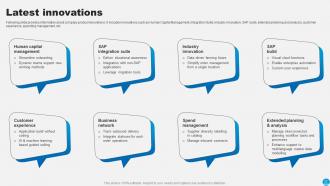
Latest innovations
-
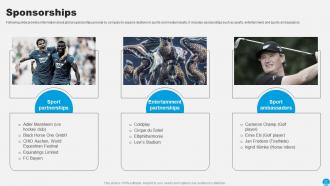
Sponsorships
-
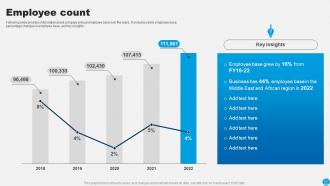
Employee count
-
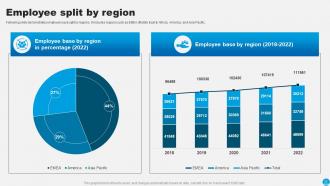
Employee split by region
-
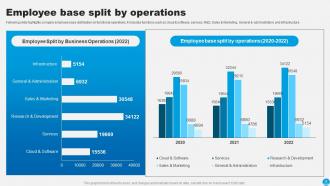
Employee base split by operations
-

Esteemed clientele
-
Customer testimonials
-
Business competitors
-

Competitor analysis
-
Financial comparison
-
Revenue
-

Revenue split by sources
-
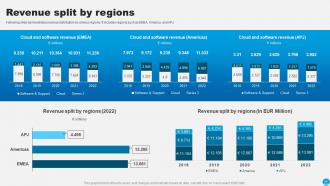
Revenue split by regions
-
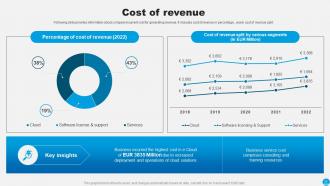
Cost of revenue
-

Gross Profit
-
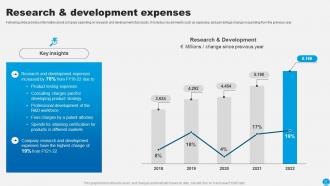
Research development expenses
-
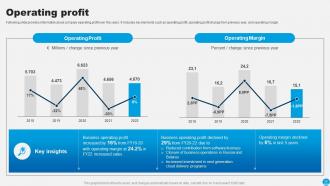
Operating Profit
-
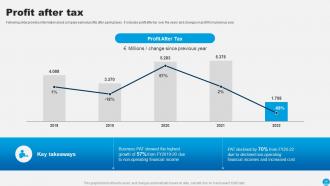
Profit after tax
-
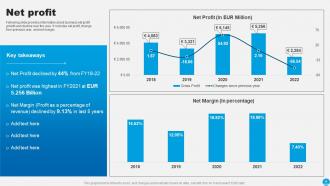
Net Profit
-

Earning per share
-
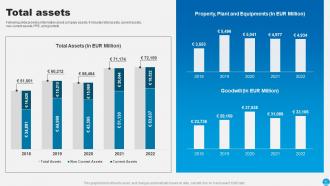
Total assets
-
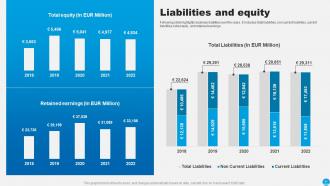
Liabilities and equity
-
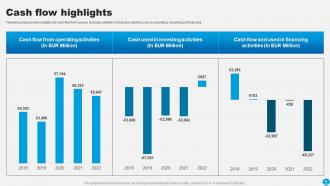
Cash flow highlights
-

Current performance outlook
-
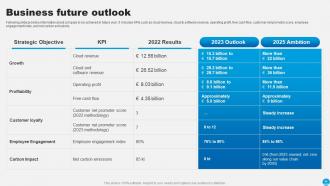
Business future outlook
-

Business strategies
-

Business solutions for industry 4 0
-
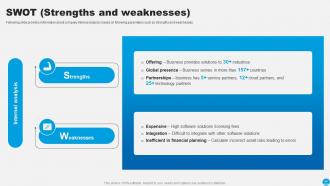
SWOT Strengths and weaknesses
-
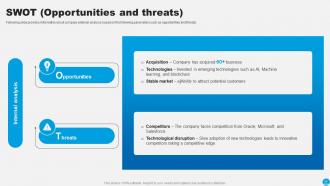
SWOT Opportunities and threats
-
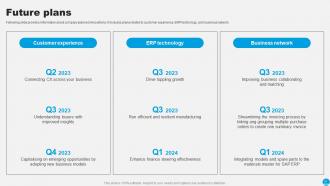
Future plans
-
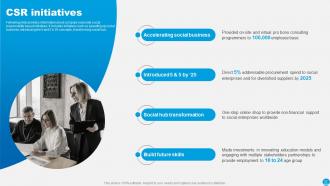
CSR initiatives
-
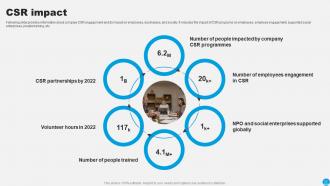
CSR impact
-

CSR partners
-
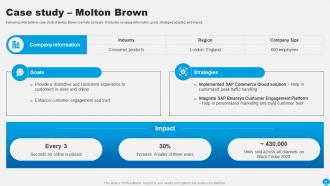
Case study Molton Brown
-

Case study Accenture
-

Contact us
-
Icons slide SAP company profile
-

Additional slides
-
Timeline
-
Our target
-
Venn diagram
-
Mind map
-

Roadmap
-

Quotes
-

Post it notes
-
Idea generation
-
Thanks for watching
-

-

-

-

-

-

-

-

FAQs for SAP Company Profile Powerpoint Presentation
So SAP basically invented modern ERP back in the '70s with their R/1 system. What made them huge was getting all your business stuff to actually talk to each other - finance, HR, supply chain, the works. No more data silos everywhere. Their newer S/4HANA runs on this crazy fast in-memory database that processes tons of data instantly. Plus they've got AI features now through Leonardo (weird name, I know). The cloud migration has been pretty smooth too. Honestly, if you're shopping for ERP, SAP's integration game is still unmatched. Worth checking out how other systems stack up against that.
So SAP basically built AI right into their main stuff - S/4HANA, SuccessFactors, all that through their Leonardo platform. Pretty smart move honestly. Your ERP can now predict when machines need maintenance or forecast demand without you doing anything. The HANA database makes everything run crazy fast too. Finance gets automated, HR gets smart recommendations, supply chain gets predictive analytics. Oh and you don't need separate AI tools since it's already in whatever SAP products you're using. Makes things way simpler than buying a bunch of different solutions.
So SAP is basically the digital backbone for companies trying to modernize. They make cloud platforms and enterprise software that moves your business processes online and automates everything. All your departments get connected - sales talks to finance talks to HR, data flows everywhere. It's like plumbing but for tech (sounds boring, I know, but it actually works). Their AI tools and analytics help you make smarter decisions instead of just winging it. Honestly, if you're looking to upgrade systems, S/4HANA is probably where you'd want to start.
So SAP's doing the whole three-tier thing - SaaS, PaaS, IaaS. SuccessFactors and Ariba are their big SaaS wins, then there's the Cloud Platform for development stuff. They won't shut up about "intelligent enterprise" lately, which honestly just means they're cramming AI into everything. You can go public, private, or hybrid depending on what compliance headaches you're dealing with. The Business Technology Platform ties it all together so your on-premise and cloud data actually talks to each other. My advice? Figure out what you want to move first before diving in.
Yeah, SAP's actually pretty solid on security. They do end-to-end encryption and regular audits, plus they're compliant with all the big standards - GDPR, SOX, ISO 27001. Your data sits in certified centers with backup layers and access controls. What's cool is their Trust Center lets you see real-time compliance reports and certifications. Most enterprise companies aren't that transparent about it. You can set up role-based permissions too, so only the right people access stuff. Definitely worth checking out their Trust Center dashboard - you'll find whatever compliance frameworks your industry needs.
Honestly, SAP works best for big complicated industries - manufacturing, retail, healthcare, finance. Manufacturing companies use it for supply chain stuff and production planning. Retail? Inventory and customer data mostly. Healthcare organizations are obsessed with it because of all the compliance headaches they deal with (regulations are brutal in that field). Banks and financial services need it for risk management. The thing is, all these industries have the same problem - their systems don't talk to each other. That's where SAP really helps. If you're thinking about it, just look at what systems you have that can't communicate. Start there.
So SAP's actually going pretty hard on sustainability - they want carbon neutrality by 2030. What's cool is they're not just talking about their own emissions, they want to help customers cut way more than SAP even produces. Their cloud tools let you track environmental impact, which honestly makes a huge difference since you can't improve what you can't measure, right? They're also into circular economy stuff and responsible AI development. Oh and definitely ask about their sustainability reporting features when you're shopping around - that's where they can actually help you hit those green targets your company's probably stressing about.
So S/4HANA is SAP's complete rewrite that runs in-memory - your reports actually load fast now instead of taking forever like the old ECC days. Everything's real-time rather than waiting around for overnight batch jobs. The interface got a major upgrade too with Fiori, though honestly it took them long enough to make it look decent. You can run it cloud, on-premise, whatever works for your setup. Finance teams love seeing actual live numbers instead of stale data from yesterday. Just make sure your current processes will play nice with S/4HANA before you migrate - that part can get messy if you're not prepared.
So SAP basically connects all your supply chain stuff in one place - procurement, inventory, logistics, the whole mess. You'll get real-time visibility from raw materials to delivery, which is clutch when disasters hit. Their AI predicts demand and spots problems before they become your problem. Honestly, the automation alone saves so much time your team will thank you. I know it sounds like typical enterprise software BS, but their SCM tools actually show you where things are breaking down. Worth checking out if you're constantly putting out supply chain fires.
So SAP BTP is like having all your development tools in one place - you can build apps, connect systems, and even throw in some AI stuff without dealing with ancient legacy nightmares. What's cool is you're not stuck learning weird proprietary languages either. You can use frameworks you already know and tap into SAP's APIs for data access. Honestly, it beats switching between different platforms constantly. You can either extend what you've got or build something totally fresh. Oh, and they have a free tier if you want to mess around with it first.
So basically SAP takes all your messy business data and makes it actually useful. Real-time dashboards show what's happening right now, plus their predictive stuff helps you see what's coming. You can track your KPIs without bugging IT every time you need a report - which is honestly such a relief. The cool part? It connects everything - finance, sales, operations - so you're not working with random disconnected spreadsheets anymore. You'll get automated suggestions for inventory, customer targeting, all that good stuff. Makes decision-making way faster and you're actually basing choices on real data instead of gut feelings.
Oh man, SAP implementations are brutal. Cost overruns and delays happen constantly - I've watched projects meant for 6 months stretch into 2+ years. People absolutely hate learning new workflows, so getting buy-in is rough. Data migration from your old messy systems? Total headache. Then you'll realize SAP's default setup doesn't match how you actually work, so customization costs explode. I'm probably being pessimistic but honestly, add 30% to whatever timeline and budget you're thinking. The whole thing's just more complex than anyone expects going in.
So SAP basically gives you this complete picture of every customer - what they've bought, how they behave, all their touchpoints. Pretty cool actually. Real-time personalization is where it shines though. Your sales, marketing, and service teams all work from the same data, so customers get consistent experiences whether they're browsing your site or calling support. I'd honestly start by looking at your current customer journey first - figure out where you're losing people or where things feel disconnected. That'll show you exactly where SAP's tools would make the biggest difference. Usually leads to way better retention rates.
Yeah so SAP's got this huge partner network - they work with all the big cloud players like Microsoft, AWS, Google. Plus tons of consulting firms like Accenture and Deloitte who do the actual implementations. There's literally thousands of software vendors making add-ons too, which is cool but also kinda messy to navigate. You'll find resellers, tech companies, industry specialists - the whole nine yards. My advice? Hit up their partner finder tool first. Find someone local who's done work in your industry before. Way better than going in blind and hoping for the best.
So SAP totally stepped up their game after COVID hit. Their SuccessFactors platform handles everything now - onboarding, reviews, the whole deal. Before 2020? Honestly wasn't that great. But they've integrated way better collaboration tools and analytics that actually help managers without being weird surveillance-y about it. The cool part is they switched focus from boring HR admin stuff to employee experience. Oh and their Employee Central features are surprisingly user-friendly now - like, actually intuitive for once. If you're looking at workforce tools, definitely worth checking out.
-
I'm happy to discover your PowerPoint presentations and templates. They met my expectations precisely. Very innovative!
-
SlideTeam makes creating presentations easy. Unlimited products, premium quality designs and affordable.