


Service delivery model infographics
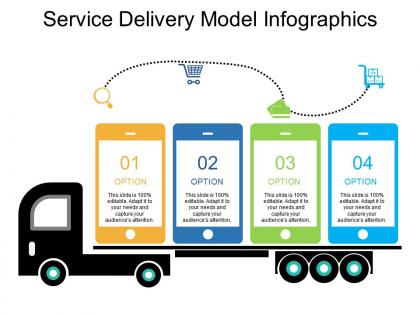




Try Before you Buy Download Free Sample Product
 Impress Your
 Audience
 100%
100% Editable
 Save Hours
 of Time


Ensure the best available exposure for your brand. Our Service Delivery Model Infographics are an excellent advertisement device.
People who downloaded this PowerPoint presentation also viewed the following :
Service delivery model infographics with all 5 slides:
Issue instructions for compliance with our Service Delivery Model Infographics. Be able to implement the judgement.



FAQs for Service
You need clear processes and defined roles first - that's your foundation. Performance metrics matter too, but honestly the tech infrastructure piece is where I've seen people mess up the most. Great models just crash when the system can't handle the load, it's frustrating to watch. Communication channels between everyone involved are crucial. Oh, and build in feedback loops so you're not just guessing what works. Governance keeps it all tied to your actual business goals. Map your current situation first though - way easier to spot the big gaps that way.
Track the obvious stuff first - customer satisfaction, response times, resolution rates, cost per service. Hard numbers matter. But honestly? The conversations tell you way more than spreadsheets sometimes. Regular check-ins with customers and your team will catch things metrics miss completely. Don't forget about employee satisfaction either - miserable staff equals miserable customers, every single time. Monthly dashboards work great if you actually look at them consistently. Oh, and mix in some qualitative feedback sessions. That's where you'll find the real gold about what's working and what isn't.
Look, tech just makes whatever you're doing way faster and less prone to screw-ups. Automate the boring stuff your team hates anyway. Analytics help you catch problems early - which honestly saves so much drama later. Customers want self-service options now too, so that cuts down on support tickets. The trick is figuring out where you're getting stuck most. Those manual handoffs between departments? Perfect place to start. Oh, and don't try to fix everything at once - I learned that the hard way. Pick your worst bottleneck first.
So you'll want to figure out what each industry actually cares about first. Healthcare's all about HIPAA compliance and being available 24/7. Manufacturing? They hate downtime and want predictive maintenance. Finance clients are honestly the most paranoid - they want crazy security and audit trails for everything. Talk to people in each sector to understand their must-haves, then build specific playbooks around that. Map your whole service framework to their pain points and whatever regulations they're stuck dealing with. Different delivery channels, different SLAs - the works.
Don't just wait for complaints to roll in - be proactive about it. Start with surveys after service calls, maybe some regular check-ins with your biggest clients. Social media monitoring is huge too because people definitely complain there first. You need the official feedback AND the messy, brutally honest stuff that shows you what's really broken. Here's what most companies mess up though - they never tell customers what actually changed. Set up monthly team reviews to spot patterns and tweak your processes. Honestly, just pick one method and get good at it before adding more.
Honestly, when you focus on specific sectors, clients feel like you actually get their world. You're not explaining basic industry stuff every meeting - you already know their compliance headaches and typical workflows. It's way easier to build trust when you can jump straight into real solutions instead of starting from zero each time. Plus you can speak their language without sounding like you googled everything five minutes ago. Clients love feeling understood, and you'll hit better results since you can compare them against actual industry benchmarks. I'd start by mapping out key workflows for your main sectors first.
Honestly, the biggest pain points are usually people hating change and nobody explaining why you're doing this in the first place. Teams will fight you because they like their current setup - can't really blame them though. Budget issues always come out of nowhere, plus you'll get hit with integration nightmares when trying to connect everything. Oh, and good luck finding enough people who actually know what they're doing to help with the transition. My advice? Get the higher-ups on board early and build out a proper change plan that tackles these headaches before they blow up.
Honestly, you've gotta stay flexible with how you deliver your service - customers change their minds constantly. I'd start by figuring out where you're being too rigid right now, then work on loosening those areas up. Regular feedback is huge - surveys, social media monitoring, just talking to people directly. Companies get blindsided all the time by stuff they totally could've seen coming, which is frustrating to watch. Build some agility into your operations so when you need to pivot (new tech, different communication style, whatever), you can actually do it fast. Being customer-focused obviously matters, but adaptability is what'll save you.
Honestly, data analytics is a game-changer for spotting stuff you'd never notice otherwise - like where things get stuck or why certain processes drag on forever. You can actually predict when you'll get slammed with requests and figure out which team members are drowning while others are bored. The cool part? When you match up customer complaints with your operational data, you'll see exactly what's pissing people off. Don't go crazy though - just pick that one process everyone complains about at meetings and start there. Way less overwhelming.
So remote work completely changes how you deliver services - no more being stuck in one location or dealing with set hours. Your team can now cover customers around the clock across different time zones, which sounds great but coordination becomes a real pain sometimes. You'll have to go all-in on digital tools and async communication since meeting face-to-face isn't happening. The biggest change? Moving from those relationship-heavy interactions to documented processes that anyone can handle remotely. Map out what services actually need you there in person - honestly, you might find it's way less than you think.
Honestly, good collaboration tools just stop all those annoying "wait what's happening with this?" messages that clog up your day. Real-time updates show you who's doing what, handoffs happen automatically, and everything stays in one thread instead of scattered across random emails. The decent ones play nice with whatever you're already using too - nobody wants to toggle between a million apps. Here's the thing though: don't just grab the flashiest option. Map out where your team actually gets stuck communication-wise first, then pick something that fixes those specific headaches. Way better than forcing everyone to learn some overly complicated system that doesn't match how you actually work.
Start with automation - seriously, it's the biggest bang for your buck when you're drowning in repetitive stuff. Map out what you're actually doing right now so you can spot where things get stuck or bounce between too many people. Standardize your workflows so everyone isn't just winging it differently every time. Self-service portals are amazing for cutting down on those "how do I reset my password" type requests that drive you nuts. Oh, and get some decent tracking tools so you can see where stuff actually slows down instead of just guessing. Pick one messy process, fix it, then copy what worked everywhere else.
Dude, training is everything. Your whole service model lives or dies based on whether your team actually knows what they're doing. Staff who get the processes and quality standards? They'll nail the customer experience every time. But skip the training and watch everything crumble at every customer touchpoint - I've literally seen this happen so many times it's painful. Companies spend months perfecting their strategy then completely blow it because nobody taught their people how to execute. Oh, and map out what skills each role needs first - saves you tons of headaches later.
So right now everyone's going crazy for AI automation - and honestly, it's actually getting pretty decent at handling stuff that used to need real people. Companies are mixing self-service with human support because people want options. Hyper-personalization is huge too. But here's what's cool: instead of just fixing problems, businesses are focusing on actual outcomes for customers. You should map out your customer journey first - figure out where bots work and where you still need humans. Don't go nuts though, just pick one area to test.
Start by looking at where you're wasting the most resources - that's your biggest win. Switch to virtual meetings and cloud tools first. Honestly, some companies cut their carbon footprint by 40% just doing that. Digital processes beat paper every time, and remote delivery saves tons on travel costs. Set up shared service centers if you can swing it. Don't forget to actually measure this stuff though. Track energy use and waste alongside your regular metrics. Otherwise you're just guessing if it's working. Most processes have way more environmental impact than you'd think once you dig into it.
-
The Designed Graphic are very professional and classic.
-
Awesomely designed templates, Easy to understand.