

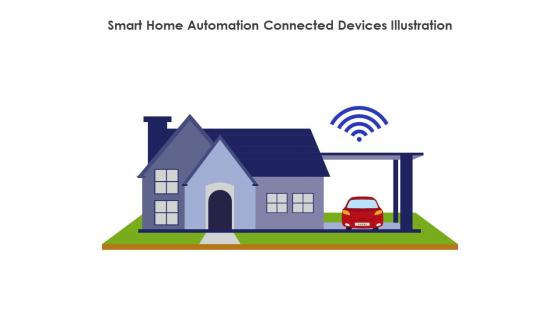
Smart Home Automation Connected Devices Illustration




Try Before you Buy Download Free Sample Product
 Impress Your
 Audience
 100%
100% Editable
 Save Hours
 of Time


This Smart home automation connected devices illustration is a 100 percent editable Illustration. The downloaded file will have this Illustration in EPS, PNG and Powerpoint pptx format and is perfect for your next project. It has a simple yet stylish design.
People who downloaded this PowerPoint presentation also viewed the following :
Smart Home Automation Connected Devices Illustration with all 9 slides:
Use our Smart Home Automation Connected Devices Illustration to effectively help you save your valuable time. They are readymade to fit into any presentation structure.








FAQs for Smart Home Automation
Smart home automation systems include smart hubs, sensors, connected devices, mobile applications, and network infrastructure. These components work together by enabling centralized control, real-time monitoring, and automated responses, with many homeowners finding that integrated systems streamline energy management, enhance security protocols, and deliver personalized comfort experiences while reducing operational costs.
Smart home technology enhances energy efficiency through automated thermostats, smart lighting systems, energy monitoring devices, and intelligent appliances that optimize consumption patterns. These systems streamline energy usage by learning household routines, adjusting temperatures automatically, and identifying energy-wasting devices, with many homeowners finding reductions of 10-23% in monthly utility costs.
Smart home security measures include strong password protocols, regular firmware updates, network segmentation, two-factor authentication, and encrypted communication channels. These practices streamline protection by minimizing unauthorized access, enhancing data privacy, and ensuring device integrity, with many homeowners finding that strategic security implementation ultimately delivers peace of mind while maintaining seamless automation functionality.
Voice control integrates with smart home automation systems through natural language processing, cloud-based AI platforms, wireless communication protocols, and centralized hub connectivity. These technologies enable users to command lighting, temperature, security, and entertainment systems through simple voice commands, while smart assistants like Alexa and Google Assistant streamline daily routines, ultimately delivering enhanced convenience and operational efficiency.
A centralized smart home hub delivers unified control, enhanced security protocols, improved device compatibility, reduced network congestion, and simplified automation workflows compared to individual devices. Through centralized management, homeowners streamline operations, minimize connectivity issues, and create sophisticated automation sequences, with many finding that integrated systems provide better long-term scalability and cost efficiency.
Automation enhances home security through smart cameras, motion sensors, automated lighting, door locks, and real-time alert systems that monitor properties continuously. These technologies streamline threat detection by providing instant notifications, recording suspicious activity, and enabling remote access control, with many homeowners finding that integrated systems deliver faster emergency response and significantly improved peace of mind.
Common smart home protocols include Wi-Fi, Zigbee, Z-Wave, Bluetooth, and Thread, each offering distinct advantages for device connectivity and network management. Wi-Fi delivers high bandwidth for data-rich devices, while Zigbee and Z-Wave create mesh networks with lower power consumption, and Thread enables seamless interoperability, with many homeowners finding that combining protocols optimizes both performance and coverage.
Smart home technology assists individuals with disabilities and aging populations by enabling voice-controlled devices, automated lighting systems, smart medication reminders, fall detection sensors, and remote health monitoring capabilities. These solutions streamline daily activities, enhance safety protocols, and provide independence while reducing caregiver burden, with many healthcare facilities and assisted living communities finding that integrated smart systems ultimately deliver improved quality of life and peace of mind.
AI and machine learning enhance smart home automation by enabling predictive analytics, adaptive learning from user behaviors, voice recognition, anomaly detection, and automated decision-making. These technologies streamline energy management, security monitoring, and personalized experiences, with many homeowners finding that intelligent systems ultimately deliver greater convenience, cost savings, and operational efficiency.
New users should consider device compatibility with existing systems, ease of installation and setup, privacy and security features, scalability for future expansion, and budget constraints. These factors help streamline the smart home journey by ensuring seamless integration, minimizing technical frustrations, and delivering long-term value, with many homeowners finding that starting with basic lighting and security systems provides the most immediate benefits.
Smart home devices communicate through wireless protocols like Wi-Fi, Zigbee, Z-Wave, Bluetooth, and Thread, creating interconnected networks that enable seamless automation and control. This communication enhances performance by streamlining energy management, accelerating response times, and delivering personalized experiences, with many homeowners finding that integrated systems ultimately reduce utility costs while providing greater convenience and security.
Emerging smart home trends include AI-driven predictive automation, voice-first interfaces, enhanced cybersecurity protocols, energy management integration, and seamless device interoperability. These technologies streamline household operations by anticipating user needs, reducing energy consumption, and creating unified ecosystems, with many homeowners finding that strategic automation delivers significant cost savings, improved security, and enhanced convenience in an increasingly connected residential landscape.
Homeowners can effectively troubleshoot smart home systems by checking network connectivity, restarting devices, updating firmware, verifying compatibility settings, and reviewing app configurations. These systematic approaches streamline resolution by addressing connectivity issues, software conflicts, and integration problems, with many households finding that regular maintenance and staying current with updates ultimately delivers more reliable automation and enhanced user experiences.
Smart home automation's environmental considerations include energy-efficient devices, renewable energy integration, sustainable materials in manufacturing, proper e-waste disposal, and lifecycle assessment planning. These sustainable approaches enable reduced carbon footprints, lower utility costs, and enhanced resource optimization, with many homeowners finding that strategic eco-friendly automation delivers both environmental benefits and long-term operational savings.
Smart home automation significantly enhances real estate value by increasing energy efficiency, security, and convenience features that modern buyers prioritize. Properties with integrated smart systems command higher prices and sell faster, with many real estate professionals finding that automated lighting, climate control, and security systems create competitive advantages, ultimately delivering increased marketability and long-term investment returns.
-
The service is fast, and I could access any presentation after buying the subscription. I don’t think I’ll ever have to worry about a presentation in my life.
-
Great product with highly impressive and engaging designs.