

Social Media Presence Powerpoint Ppt Template Bundles





Try Before you Buy Download Free Sample Product
 Impress Your
Audience
 100%
Editable
 Save Hours
of Time


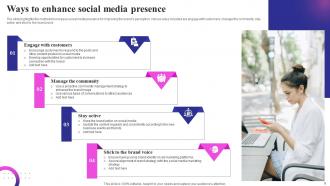
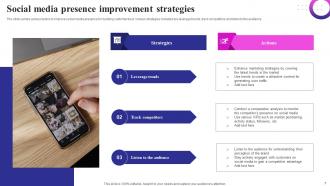
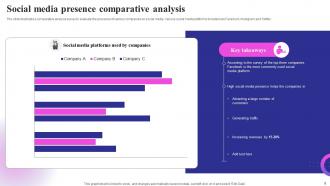
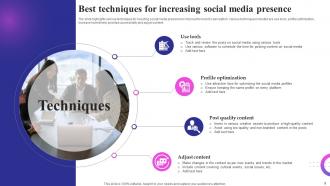
Introducing our comprehensive PowerPoint presentation PPT on Social Media Presence, designed to elevate your digital marketing strategies. This informative presentation covers the best practices, benefits, and techniques to enhance your social media presence. Discover proven tips to engage your target audience, increase brand visibility, and drive conversions. Delve into a comparative analysis of various platforms, enabling you to make informed decisions for your social media strategy. Learn how to create an effective content calendar, ensuring consistent and engaging posts. Furthermore, explore the importance of leveraging analytical data to optimize your campaigns and track performance. With our PPT, unlock the secrets to establishing a strong social media presence and staying ahead in todays competitive digital landscape.
People who downloaded this PowerPoint presentation also viewed the following :
Social Media Presence Powerpoint Ppt Template Bundles with all 25 slides:
Use our Social Media Presence Powerpoint Ppt Template Bundles to effectively help you save your valuable time. They are readymade to fit into any presentation structure.

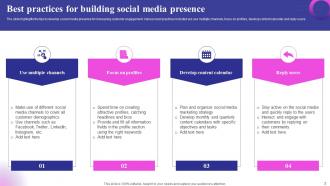
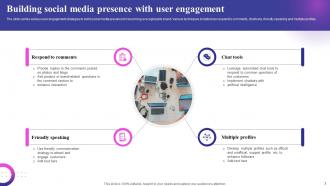
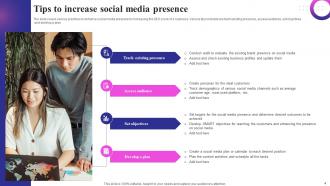
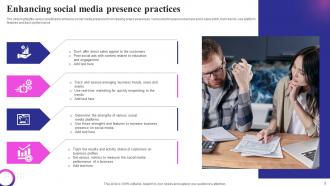






FAQs for Social Media Presence Powerpoint
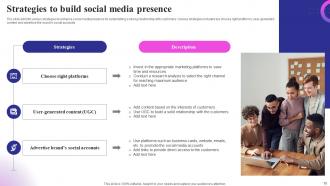
Key components of an effective social media strategy include clear audience targeting, consistent brand messaging, engaging content creation, strategic platform selection, and performance analytics tracking. These elements work together by building authentic relationships, driving customer engagement, and measuring ROI, with many businesses finding that strategic social media presence ultimately delivers enhanced brand visibility and competitive market positioning.
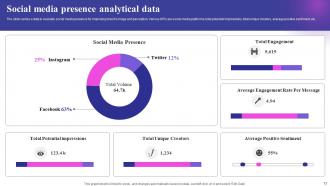
Businesses can measure social media success through engagement rates, reach and impressions, conversion tracking, follower growth, and brand sentiment analysis. These metrics enable companies to evaluate content performance, audience expansion, and ROI across platforms, with many organizations finding that combining quantitative data with qualitative insights delivers comprehensive understanding of their digital marketing effectiveness and competitive positioning.
Audience engagement serves as the foundation of social media success, driving algorithm visibility, brand loyalty, customer insights, and organic reach expansion. Through meaningful interactions like comments, shares, and user-generated content, businesses cultivate authentic relationships that translate into increased brand awareness, higher conversion rates, and sustained competitive advantage in increasingly crowded digital markets.
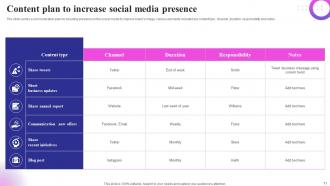
Companies should post 3-5 times weekly on platforms like LinkedIn and Facebook, while Twitter and Instagram can handle daily content. This strategic frequency maintains engagement through consistent value delivery, audience relationship building, and brand awareness enhancement, with many organizations finding that quality-focused posting schedules ultimately deliver higher engagement rates and stronger customer connections than overwhelming followers with excessive content.
Visual content enhances a brand's social media presence by increasing engagement rates, improving message retention, building brand recognition, and driving higher conversion rates. Through strategic use of infographics, videos, and branded graphics, companies across retail, hospitality, and tech sectors streamline communication while delivering memorable experiences, ultimately establishing stronger competitive positioning in increasingly crowded digital markets.
Best practices for responding to negative comments include acknowledging concerns promptly, responding professionally and publicly, taking detailed discussions private when necessary, and demonstrating genuine commitment to resolution. Through transparent communication, businesses streamline reputation management while building customer trust, with many organizations finding that thoughtful responses to criticism ultimately enhance brand credibility and customer loyalty.
Businesses can leverage user-generated content by encouraging customer reviews, showcasing customer photos and testimonials, creating branded hashtag campaigns, reposting customer stories, and featuring user submissions in marketing materials. This approach enhances authenticity and trust while reducing content creation costs, with many retail and hospitality brands finding that customer-created content drives significantly higher engagement and conversions.
Common social media mistakes include inconsistent posting schedules, ignoring audience engagement, over-promoting products without value-added content, using identical content across all platforms, and failing to monitor brand mentions. These missteps often result in reduced follower engagement, weakened brand credibility, and missed opportunities for customer connection, with many brands finding that strategic consistency and authentic interaction ultimately deliver stronger community building and enhanced customer loyalty.
Social media analytics tools enhance marketing decision-making by providing real-time performance metrics, audience demographic insights, competitor analysis, and content engagement patterns. These platforms enable marketers to optimize campaign timing, refine targeting strategies, and allocate budgets more effectively, with retail brands and financial services finding that data-driven approaches deliver significantly higher ROI and customer engagement rates.
Emerging social media trends include short-form video content, social commerce integration, AI-powered personalization, authentic micro-influencer partnerships, and interactive live streaming experiences. These approaches enhance brand visibility by creating immersive customer touchpoints, streamlining purchase journeys, and building genuine community connections, with many organizations finding that authentic engagement ultimately delivers stronger customer loyalty and competitive advantage.
Storytelling can be incorporated through authentic brand narratives, customer success stories, behind-the-scenes content, user-generated testimonials, and values-driven messaging that resonates emotionally with audiences. These approaches enable organizations to build trust, enhance engagement, and create memorable brand experiences, with many companies finding that storytelling significantly increases audience loyalty and conversion rates.
Influencer marketing significantly amplifies brand visibility, credibility, and engagement by leveraging established audiences, authentic content creation, and targeted reach across multiple platforms. Through strategic partnerships, brands achieve enhanced follower growth, improved brand awareness, and higher conversion rates, while reaching specific demographics more effectively, ultimately delivering greater social media impact and competitive market positioning.
LinkedIn, Twitter, and YouTube dominate B2B effectiveness through professional networking, industry insights, and thought leadership content, while Facebook, Instagram, TikTok, and Snapchat excel for B2C engagement through visual storytelling and community building. However, successful businesses increasingly adopt cross-platform strategies, with many B2B companies finding Instagram effective for brand humanization and B2C brands leveraging LinkedIn for corporate communications, ultimately delivering broader reach and enhanced customer relationships.
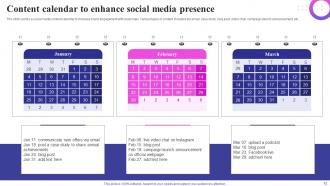
Businesses can ensure social media alignment by developing comprehensive brand guidelines covering voice, tone, visual elements, and messaging frameworks, then training all team members on consistent application. Through centralized content calendars, approval workflows, and regular audits across platforms, organizations maintain cohesive brand experiences while adapting content for each channel's unique audience expectations and engagement patterns.
Brands should consider copyright compliance, disclosure requirements for sponsored content, data privacy regulations like GDPR, trademark protection, and employment law implications for employee posts. These legal frameworks help companies navigate advertising standards, user-generated content rights, and regulatory compliance across platforms, with many organizations finding that proactive legal guidance ultimately delivers brand protection and competitive advantage.
-
Amazing slides! Unique, attractive, and easy to understand.
-
The ease of modifying templates is just superb! Also, the vast collection offers plenty of options to choose from.