

Software Product Marketing Plan Powerpoint Ppt Template Bundles





Try Before you Buy Download Free Sample Product
 Impress Your
Audience
 100%
Editable
 Save Hours
of Time


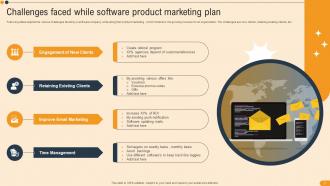
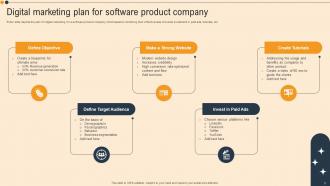
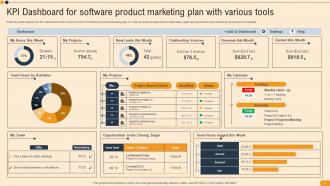
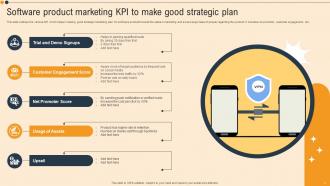
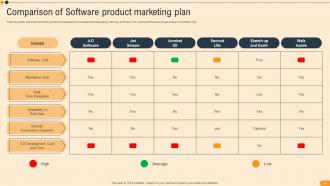
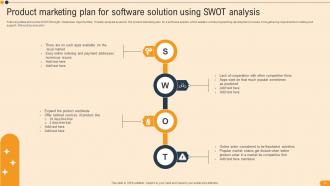
Introducing our comprehensive Software Product Marketing Plan PowerPoint PPT presentation, designed to help you strategize and execute effective software marketing campaigns. This visually appealing and informative presentation is packed with valuable insights and actionable steps to enhance your products visibility and drive sales. Our PPT covers crucial elements like product advertisement, advertisement plan, promotional plan, and software marketing techniques. From defining target audiences and conducting market research to crafting compelling messages and selecting appropriate marketing channels, this presentation provides a step-by-step guide for successful software product promotion. Whether you are a seasoned marketer or a beginner, this PPT will equip you with the knowledge and tools needed to create an impactful software marketing plan and maximize your products potential
People who downloaded this PowerPoint presentation also viewed the following :
Software Product Marketing Plan Powerpoint Ppt Template Bundles with all 19 slides:
Use our Software Product Marketing Plan Powerpoint Ppt Template Bundles to effectively help you save your valuable time. They are readymade to fit into any presentation structure.







FAQs for Software Product Marketing Plan Powerpoint
Focus on five things: who's actually buying this, how you stack up against competitors, your value prop, go-to-market plan, and how you'll measure success. Honestly, the audience research is where most people mess up - you need real personas, not just "millennials who like coffee" or whatever. Figure out what problems actually make them lose sleep. Your positioning needs to show why you're different (not better, different). GTM covers pricing, where you'll sell, timing, all that stuff. Oh and set actual numbers you can track from day one. I'd start with really understanding your buyers first since everything else kinda builds from there.
Dude, you gotta do market research or you're basically shooting blindfolded. Talk to actual people who'd use your software - find out what's driving them crazy and what they'd pay to fix it. Check out your competition too (some will surprise you with how bad they are). This stuff completely changes your whole approach. Like, how you price things, where you spend your marketing budget, even which features you lead with. I learned this the hard way on my last project - should've done customer interviews way earlier. Don't make my mistake and skip the research phase.
Honestly, buyer personas are like the GPS for your whole marketing strategy. Without them, you're just guessing who to target and how. Interview your current customers first - they'll tell you way more than any survey. Figure out who's actually signing the checks, what problems are driving them crazy, and how they like getting info. Then use all that to write content that actually speaks to them instead of using boring tech speak. I mean, nobody wants to read another "innovative solution" headline, right? Your sales team probably has good insights too since they talk to prospects daily.
Honestly, competitive analysis is where you'll find the best gaps. Check out their pricing, messaging, features - see what they're screwing up or just ignoring completely. I did this for our Q4 thing last week and found some really good stuff. Customer reviews are goldmines too - people literally spell out what's broken on review sites and social. Map those pain points they're missing, then build your messaging around fixing exactly those problems. Don't overthink it though. Just turn what you find into campaign angles that make you stand out from the pack.
Look, you gotta track both ends - stuff like website traffic and lead gen, plus the money metrics like trial-to-paid conversion and CAC vs LTV. Monthly recurring revenue is obviously the big one for software. But don't sleep on organic search rankings and social engagement either, those usually show what's coming down the pipe. Honestly, the attribution setup is where most people mess up - you need to know which channels bring your *good* customers, not just random traffic. Start with maybe 5-7 solid metrics instead of going crazy with data. Way easier to actually act on.
Honestly, it's all about where your people actually hang out. Blog content + SEO is solid for long-term growth. LinkedIn works great if you're B2B. Email's still king for nurturing - don't let anyone tell you it's dead. Product Hunt launches can be huge momentum boosters when you time them right. I'd also look into partnering with other software companies that complement yours. Google Ads work well for those high-intent searches too. But here's the thing - don't try everything at once. Pick 2-3 channels max and actually do them well. Way better than half-assing six different strategies.
Honestly, digital marketing is your best bet for getting more eyes on your software. Blog posts with good SEO will help people find you organically. Social media and PPC ads work well too if you target the right users. Email marketing is super underrated - everyone's chasing TikTok but newsletters still convert like crazy. Here's the thing though: don't just spam features at people. Create stuff that actually solves their problems first. Pick maybe 2-3 platforms where your audience already hangs out, then go all-in on those before trying to be everywhere at once.
SEO is huge for software marketing - it's literally how people discover your product when they're hunting for solutions. Someone needs project management software? They're googling it, not stumbling across your site by accident. Organic search results feel way more trustworthy than ads too (I basically ignore most ads these days). Once you rank well, that traffic doesn't cost you anything ongoing. The trick is nailing keywords your actual customers use. Don't go after "enterprise solutions" - target what they'd really type, like "team collaboration tools" or whatever.
Don't try to beat them at their own game - find where they're not even playing. Big competitors usually have blind spots, like focusing only on enterprise while ignoring small businesses, or building feature-packed tools that are way too complex. Skip the "we're faster and cheaper" pitch. Those giants can just throw money at the problem or slash prices overnight. Instead, pick a specific type of user or problem where your whole approach actually makes more sense than theirs. Write down your positioning in one sentence that anyone on your team could explain at a coffee shop. Then - and this part's crucial - test it with real prospects to see if they get it.
Honestly, just make stuff that actually helps people with their real problems. Tutorials and case studies work way better than rambling about product features. Blog posts are solid, but video demos hit different - people want to see the software doing its thing. I'd probably start by figuring out 3-4 main headaches your customers deal with, then create content around those. Be helpful first, then worry about selling later. Oh and definitely keep posting regularly! People notice when you go MIA for weeks. Interactive demos are pretty clutch too if you can swing it.
Pull feedback from surveys, reviews, support tickets - basically anywhere customers are talking. The language they actually use? Pure gold for copy. I've watched teams completely flip their positioning once they realized customers cared about totally different features than they thought. Map last quarter's feedback against your current messaging first - you'll probably find some obvious gaps. Test new messaging based on what you discover. Oh, and get marketing and customer success in a room monthly to compare notes. Different channels hit differently too, so pay attention to where stuff actually resonates.
Honestly, the sales cycles will drive you nuts - we're talking months instead of those quick B2C purchases. You've got like 5 different people making decisions, and they all want totally different information. Plus everything needs way more technical detail than I expected when I started. The pressure's intense too because you're usually selling expensive stuff that could seriously impact someone's quarterly goals. Oh, and your audience is tiny compared to consumer markets, so forget about casting a wide net. Really focus on relationships and create content for each specific role on their buying team. It's a completely different game.
Honestly, partnerships are a game-changer for getting your name out there. You tap into their audience, they tap into yours - basically trading customer bases. Joint webinars and co-created stuff makes you look way more legit than you probably are (in a good way lol). I've watched tiny startups suddenly seem huge just by teaming up with the right people. Find companies where your audiences overlap but you're not competing directly. Map out maybe 5-10 possibilities and pitch them actual ideas, not some vague "we should work together" nonsense. Be specific about what you'll do together.
Your pricing literally shapes everything else in your marketing strategy. It decides if you're chasing big enterprise deals or smaller businesses. Changes your whole sales pitch too. Short cycles vs long ones, you know? Look, most people check your pricing page first anyway - I always do that when I'm researching tools. Getting it wrong early means you'll confuse the hell out of customers later when you try to pivot. Start by seeing what competitors charge, then test a few models with your first users. Don't overthink it initially, but get it roughly right from the start.
Honestly, you've got to stop trying to talk to everyone at once - it never works. Map out who's actually using your product and what keeps them up at night. Developers care about totally different stuff than executives do, so why would you pitch them the same way? I used to just swap out job titles in email templates (lazy, I know), but that's garbage. Each group needs messaging that hits their specific pain points. Survey some real users or hop on calls with them. Figure out what makes each segment tick, then test different approaches. The A/B testing part is where you'll actually see what converts vs what sounds good in your head.
-
Delighted to see unique and eye-catching PowerPoint designs that are so easy to customize.
-
The best part about SlideTeam is their meticulously prepared presentations (complete-decks and single-slides both), infused with high-quality graphics and easy to edit. All-in-all worthy products.