


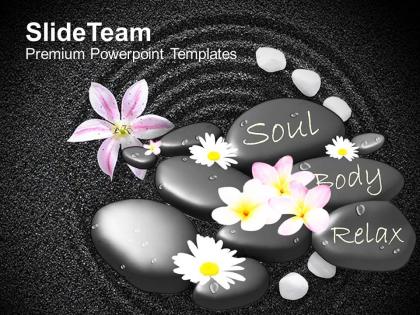
Spa massage stones with flowers on beautiful powerpoint templates ppt themes and graphics 0113




Try Before you Buy Download Free Sample Product
 Impress Your
 Audience
 100%
100% Editable
 Save Hours
 of Time


Address the committee with our Spa Massage Stones With Flowers On Beautiful Powerpoint Templates Ppt Themes And Graphics 0113. You will recieve approving looks.
People who downloaded this PowerPoint presentation also viewed the following :
Spa massage stones with flowers on beautiful powerpoint templates ppt themes and graphics 0113 with all 3 slides:
Elucidate on your views on any subject. Our Spa Massage Stones With Flowers On Beautiful Powerpoint Templates Ppt Themes And Graphics 0113 will put the spotlight on all.


FAQs for Spa massage stones with flowers on beautiful powerpoint templates ppt themes
**INPUT**: What are the different types of stones commonly used in spa massages, and what are their specific benefits? **OUTPUT**: Common spa massage stones include basalt for hot stone therapy, marble for cooling treatments, jade for balancing energy, river rocks for smooth gliding, and volcanic stones for heat retention. These therapeutic tools enhance relaxation by improving circulation, reducing muscle tension, and promoting stress relief, with many wellness centers finding that strategic stone selection delivers deeper therapeutic outcomes and elevated client experiences.
Stone temperature significantly influences muscle relaxation, blood circulation, and therapeutic outcomes, with heated stones typically ranging from 120-150°F to penetrate deeper into tissues and enhance flexibility. Through controlled thermal therapy, spas deliver improved pain relief, stress reduction, and circulation enhancement, while cooler stones reduce inflammation and invigorate clients, ultimately creating customized experiences that maximize therapeutic benefits.
Hot stone massage originated from ancient civilizations including Native American, Chinese, and Hawaiian cultures, who used heated stones for healing, spiritual ceremonies, and muscle relief thousands of years ago. Modern therapeutic hot stone massage was revived in the 1990s by American massage therapist Mary Nelson, combining traditional techniques with contemporary spa practices, ultimately delivering enhanced muscle relaxation and stress relief that many wellness centers now offer.
Spa professionals select stones based on client preferences, treatment goals, skin sensitivity, medical conditions, and desired therapeutic outcomes. Through careful consultation and assessment, therapists match stone types, temperatures, and sizes to individual needs, with many wellness centers finding that personalized stone selection enhances relaxation, improves circulation, and ultimately delivers more effective, customized therapeutic experiences.
Best practices for sanitizing massage stones include thorough cleaning with antimicrobial soap, disinfecting with EPA-approved solutions, complete air drying, and UV sterilization when available. Professional spas streamline operations by implementing systematic rotation schedules, temperature-controlled storage environments, and dedicated sanitization stations, ultimately delivering enhanced client safety and regulatory compliance while maintaining operational efficiency.
Cold stones can absolutely be used in therapeutic treatments, offering unique benefits through contrast therapy, reduced inflammation, improved circulation, and enhanced muscle recovery. While hot stones relax muscles and increase blood flow, cold stones energize the body, reduce swelling, and tighten skin, with many spas combining both temperatures strategically to deliver comprehensive therapeutic experiences and optimized healing outcomes.
Therapists use techniques including stone placement on energy points, gliding heated stones along muscle groups, alternating hot and cold stones for circulation, deep tissue work with warmed stones, and rhythmic tapping motions. These methods enhance muscle relaxation, improve blood flow, and reduce tension more effectively than traditional massage, with many wellness centers finding that stone therapy delivers deeper therapeutic results and longer-lasting client satisfaction.
Stone therapy enhances relaxation by combining therapeutic heat with deep tissue work, promoting muscle tension release, improved circulation, and extended warmth retention that traditional massage alone cannot achieve. The heated stones penetrate deeper into muscle layers while maintaining consistent temperature throughout the session, with many wellness centers and medical spas finding that clients experience longer-lasting stress relief and enhanced therapeutic outcomes.
Stone size and weight directly influence massage pressure, heat retention, and treatment versatility, with larger stones delivering deeper muscle penetration and smaller stones enabling precision work on facial areas and trigger points. Professional spas strategically combine various stone weights to customize treatments, with heavier stones maintaining therapeutic temperatures longer and lighter stones allowing therapists greater control during delicate procedures, ultimately enhancing client comfort and treatment outcomes.
Stone massage therapy presents contraindications including pregnancy, cardiovascular conditions, diabetes, skin infections, recent injuries, and certain medications that affect circulation or sensation. While generally safe when performed by trained therapists, proper temperature testing and client screening are essential, with many spas finding that thorough consultations and gradual heat application ultimately deliver therapeutic benefits while minimizing risks.
Combining stones with essential oils creates a multi-sensory therapeutic experience that enhances relaxation through complementary aromatherapy and thermotherapy benefits, deeper muscle tension release, and improved circulation. This strategic pairing enables spas to deliver premium wellness services that command higher pricing, increase client satisfaction, and build stronger customer loyalty, with many luxury wellness centers finding that integrated treatments significantly boost repeat bookings.
Massage therapists typically require foundational massage therapy licensure, specialized hot stone massage certification, anatomy and physiology training, temperature safety protocols, and hands-on practice with stone placement techniques. Many states mandate continuing education in specialty modalities, with professional organizations offering comprehensive stone massage courses that cover contraindications, proper heating methods, and client safety procedures, ultimately enabling therapists to deliver therapeutic treatments while maintaining professional standards.
Clients typically respond to stone massage therapy with deeper relaxation and stress relief compared to traditional techniques, often reporting enhanced muscle tension release and improved circulation. The heated stones create a uniquely soothing experience that many find more therapeutic than standard massages, with spas increasingly noting higher client satisfaction and repeat bookings for stone treatments.
Emerging trends in stone massage therapy include heated basalt paired with cooling jade stones, aromatherapy-infused volcanic rocks, crystal healing integration with chakra-aligned gemstones, and temperature-contrast treatments. These innovative approaches enhance traditional hot stone techniques by delivering deeper muscle relaxation, improved energy flow, and personalized wellness experiences, with many luxury spas finding that multi-stone therapies significantly increase client satisfaction and retention.
Cultural perspectives significantly shape stone massage practices through varying stone selections, temperature preferences, ritual integrations, and therapeutic philosophies across different regions. While Western spas often emphasize relaxation and stress relief, traditional practices in Asia incorporate energy meridians and chakra balancing, with many wellness centers finding that blending these cultural approaches delivers more comprehensive healing experiences and broader client appeal.
-
Best way of representation of the topic.
-
Graphics are very appealing to eyes.