

Staff Performance Evaluation Powerpoint Presentation Slides





Try Before you Buy Download Free Sample Product
 Impress Your
 Audience
 100%
100% Editable
 Save Hours
 of Time


Discuss the importance of employee performance management with our ready to use Staff Performance Evaluation PowerPoint Presentation Slides. The assessment of employee skills and competencies PPT presentation comprises of content ready slides including employee assessment criteria table, employee assessment form, review card, scorecard, evaluation form, self-assessment form, employee performance analysis template, performance review table, cross-training analysis chart, employee competency analysis table to name a few. Furthermore, to cover all the important concepts our designers have included additional templates like meet our team, mission and vision, our goal, Venn, puzzle, timeline, target thank you, etc. Outline all the important concepts without any hassle. Since all our slides are fully editable, you can easily customize it as per your needs. Educate your audience about the dynamics involved in employee assessment system using performance appraisal PowerPoint templates. Make a unique and professional PowerPoint Presentation in the shortest possible time.
People who downloaded this PowerPoint presentation also viewed the following :
Content of this Powerpoint Presentation
Slide 1: This slide introduces Staff Performance Evaluation. State Your Company Name and begin.
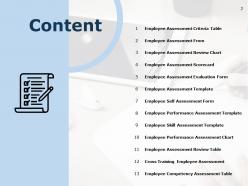
Slide 2: This slide shows Content of the presentation.
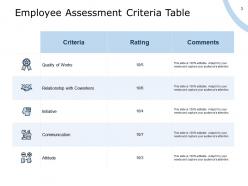
Slide 3: This slide presents Employee Assessment Criteria Table describing quality of works, relationship with coworkers, initiative, communication and attitude.
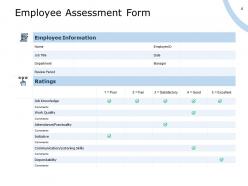
Slide 4: This slide displays Employee Assessment Form with employee information and ratings.
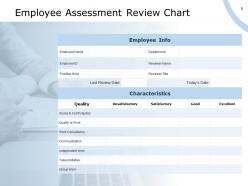
Slide 5: This slide represents Employee Assessment Review Chart with employee information and characteristics.
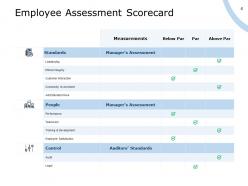
Slide 6: This slide showcases Employee Assessment Scorecard in a tabular form with categories as measurements, below par, par and above par.
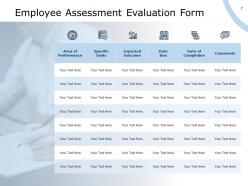
Slide 7: This slide shows Employee Assessment Evaluation Form with categories as- area of performance, specific tasks, expected outcome, date due, date of completion and comments.
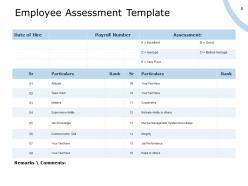
Slide 8: This slide presents Employee Assessment Template with date of hire, payroll number and assessment.
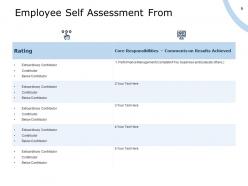
Slide 9: This slide displays Employee Self Assessment Form describing ratings.
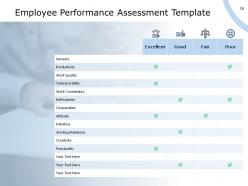
Slide 10: This slide represents Employee Performance Assessment Template.
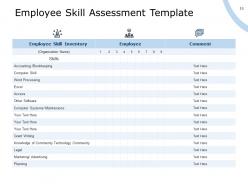
Slide 11: This slide showcases Employee Skill Assessment Template with categories as employee skill inventory, employee and comments.
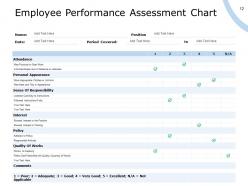
Slide 12: This slide shows Employee Performance Assessment Chart with attendance, personal appearance, sense of responsibility, interest, policy, quality of works and comments.
Slide 13: This slide presents Employee Assessment Review Table. You can add or edit data as per requirements.
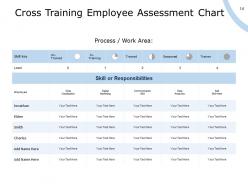
Slide 14: This slide displays Cross Training Employee Assessment Chart with process/work area and skills/responsibilities.
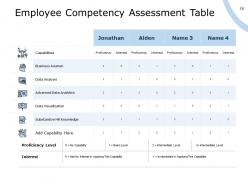
Slide 15: This slide represents Employee Competency Assessment Table with categories as- capabilities, business acumen, data analysis, advanced data analysis, data visualization and substantive Hr knowledge.
Slide 16: This slide showcases Staff Performance Evaluation Icons.
Slide 17: This slide is titled as Additional Slides for moving forward.
Slide 18: This is Our Vision slide with related imagery.
Slide 19: This slide displays Team Introduction with related imagery and additional text boxes to go with.
Slide 20: This is Our Target slide. State your targets here.
Slide 21: This is About Us slide to show company specifications etc.
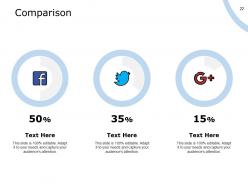
Slide 22: This is a Comparison slide to state comparison between commodities, entities etc.
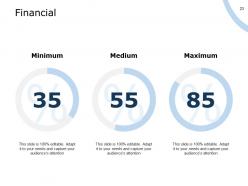
Slide 23: This is a Financial slide. Show your finance related stuff here.
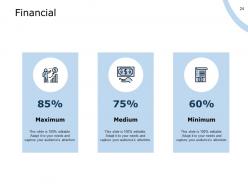
Slide 24: This is another slide to show your Financial stuff.
Slide 25: This is a Quotes slide to convey message, beliefs etc.
Slide 26: This is Our Main Goal slide. State your goals here.
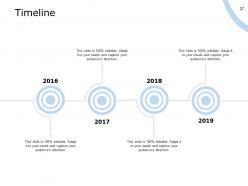
Slide 27: This is a Timeline slide to show data related with time period.
Slide 28: This is Bulb or Idea slide to state a new idea or highlight information, specifications etc.
Slide 29: This slide is titled as Post it. Post your important notes here.
Slide 30: This is a Thank you slide with address, contact numbers and email address.
Staff Performance Evaluation Powerpoint Presentation Slides with all 30 slides:
Our Staff Performance Evaluation Powerpoint Presentation Slides are fairly broad based. Discover an array of available choices.







FAQs for Staff Performance Evaluation
Key performance indicators for staff evaluation include productivity metrics, quality standards, goal achievement, collaboration effectiveness, and professional development progress. These KPIs enable organizations to assess employee contributions through measurable outcomes, behavioral assessments, and growth trajectories, with many companies finding that balanced scorecards combining quantitative and qualitative metrics deliver comprehensive performance insights and strategic workforce optimization.
Regular feedback significantly enhances employee motivation and productivity by providing clear performance expectations, recognizing achievements, and identifying development opportunities early. Through consistent communication, organizations streamline goal alignment, reduce uncertainty, and accelerate skill development, with many companies finding that employees receiving weekly feedback deliver 23% higher productivity and demonstrate greater engagement in their roles.
Self-assessment enables employees to reflect on their achievements, identify growth areas, and take ownership of their professional development while providing managers valuable insights into employee perspectives. This collaborative approach streamlines the evaluation process by encouraging honest dialogue, reducing evaluation biases, and ultimately delivering more comprehensive performance reviews, with many organizations finding that self-assessments enhance employee engagement and accountability.
Organizations ensure objectivity in staff performance evaluations through standardized criteria, multiple evaluator perspectives, documented evidence-based assessments, regular calibration sessions, and structured feedback frameworks. These approaches streamline evaluation processes by minimizing personal bias, enhancing consistency across departments, and establishing clear performance metrics, with many companies finding that systematic evaluation methods ultimately deliver fairer outcomes and improved employee development.
Performance evaluation tools include applicant tracking systems with review modules, specialized software like BambooHR and Workday, 360-degree feedback platforms, goal-tracking applications, and integrated HR management suites. These technologies streamline assessment processes by automating review cycles, centralizing feedback collection, and generating comprehensive performance analytics, with many organizations finding that digital platforms enhance evaluation consistency, reduce administrative burden, and ultimately deliver more objective, data-driven performance insights.
Performance evaluation criteria should reflect each department's unique objectives, responsibilities, and success metrics, with sales teams measured on revenue targets while HR focuses on employee satisfaction and retention rates. This tailored approach enables organizations to accurately assess contributions across diverse functions, ultimately delivering more meaningful feedback, improved job satisfaction, and strategic alignment between individual performance and departmental goals.
Strategies include targeted training programs, mentorship pairings, clear development plans with measurable goals, regular check-ins, and skill-specific workshops. These approaches enhance performance by providing structured support, personalized guidance, and continuous feedback loops, with many organizations finding that combining formal coaching with peer mentorship delivers sustained improvement and stronger employee engagement.
Cultural factors significantly influence performance evaluations through communication styles, feedback acceptance, individual versus collective achievement emphasis, and power distance dynamics. These variations affect employee comfort with direct feedback, self-assessment accuracy, and goal-setting preferences, with many multinational organizations finding that culturally adapted evaluation frameworks enhance employee engagement, reduce misunderstandings, and ultimately deliver more effective performance management across diverse teams.
Best practices for conducting performance review meetings include preparing with specific examples, creating a two-way dialogue, focusing on both achievements and development areas, setting clear future goals, and documenting outcomes thoroughly. These approaches enhance employee engagement by fostering transparency, building trust, and providing actionable feedback, with many organizations finding that structured conversations ultimately deliver improved performance and stronger manager-employee relationships.
Team performance measurement focuses on collective outcomes, shared goals, cross-functional collaboration, communication effectiveness, and overall project success rates rather than individual metrics. While individual assessments examine personal productivity and skill development, team evaluations analyze group dynamics, collaborative problem-solving capabilities, and how well members support shared objectives, ultimately delivering enhanced organizational efficiency and stronger collective results.
When employees consistently score low, organizations should implement targeted improvement plans including skills training, mentoring programs, clearer goal-setting, regular feedback sessions, and additional supervision. These interventions streamline performance recovery by addressing specific skill gaps, enhancing communication, and providing structured support, with many companies finding that comprehensive development approaches ultimately deliver improved productivity and employee retention.
Performance evaluations align with organizational goals through strategic objective mapping, competency frameworks that reflect company values, goal cascading from leadership to individual contributors, and regular progress reviews. This alignment ensures employees understand how their contributions drive organizational success, with many companies finding that structured evaluation processes enhance productivity, improve talent retention, and ultimately deliver stronger business outcomes across departments.
Common pitfalls in performance evaluation include recency bias, halo effects, unclear criteria, infrequent feedback, and lack of documentation consistency. These challenges can be minimized by establishing standardized evaluation frameworks, conducting regular check-ins throughout review periods, and training managers on objective assessment techniques, ultimately delivering fairer evaluations and improved employee development outcomes.
Managers can be trained through role-playing exercises, communication workshops, feedback frameworks like the SBI model, and active listening techniques. These approaches enable leaders to focus on specific behaviors rather than personal traits, deliver balanced assessments with actionable improvement plans, and create supportive evaluation environments, ultimately enhancing employee development and organizational performance.
Regular performance evaluations significantly enhance employee satisfaction by providing consistent feedback, clear goal alignment, recognition opportunities, and professional development guidance. With frequent touchpoints, employees experience reduced anxiety about their standing, improved manager relationships, and accelerated career growth, while organizations benefit from higher retention rates and increased engagement across teams.
No Reviews