


Stakeholder engagement process methods and strategy powerpoint presentation slides




Try Before you Buy Download Free Sample Product
 Impress Your
 Audience
 100%
100% Editable
 Save Hours
 of Time


Our Stakeholder Engagement Process Methods And Strategy Powerpoint Presentation Slides are topically designed to provide an attractive backdrop to any subject. Use them to look like a presentation pro.
People who downloaded this PowerPoint presentation also viewed the following :
Stakeholder engagement process methods and strategy powerpoint presentation slides with all 59 slides:
Use our Stakeholder Engagement Process Methods And Strategy Powerpoint Presentation Slides to effectively help you save your valuable time. They are readymade to fit into any presentation structure.


FAQs for Stakeholder engagement process methods and strategy
Okay so first thing - figure out who your stakeholders are and how much power they actually have. I've watched so many projects crash because people just... didn't talk to the right folks? Map everyone out early. Then you gotta stay in touch regularly, but here's the thing - executives want the big picture stuff while your tech people need all the nitty gritty details. Don't just talk at them either. Listen to what they're saying back because trust me, their feedback will save you from some seriously expensive mistakes down the road. Start with a simple stakeholder list and set up regular check-ins.
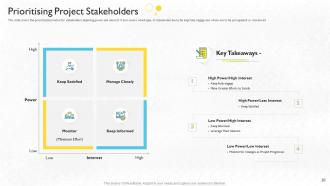
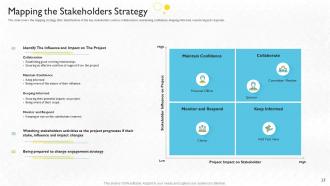
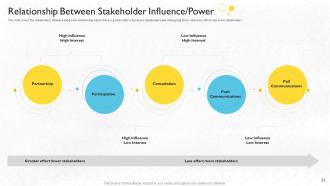
First thing - just list out everyone who touches your work. Customers, employees, suppliers, all that. Then do this simple grid thing where you plot them by how much influence they have vs how much they care. The high influence/high interest people? Those are your VIPs - stay close to them. Medium ones you can check in with occasionally. I know it sounds like business school nonsense, but it actually works pretty well once you get the hang of it. Main thing is being real about who can actually make or break your stuff. Then don't waste time sending the same boring updates to everyone - actually talk to people and adjust based on what they tell you.
Honestly, you've gotta figure out what each group actually wants first. Like, some people love getting those detailed reports with all the data, but others just want the quick visual stuff or to chat face-to-face. I totally bombed this once - sent a massive 10-page technical thing to our community reps and they were NOT having it lol. Start by mapping everyone out: what do they care about, how do they prefer getting info? Then mix up your approach. Emails work for some folks, town halls for others. Coffee chats are surprisingly effective for the key players. But here's the thing - listen way more than you talk and pivot based on what they tell you.
Dude, get your stakeholders involved early - it's a game changer. They'll spot risks you totally missed and make sure you're building something people actually want. When they feel heard, they become your biggest supporters instead of fighting you every step. The feedback is gold too - catches problems before they blow up your budget. Oh, and here's the thing nobody talks about enough: if they're not bought in, your project dies the second you walk away. Trust me on this one. Map out who matters most and set up regular coffee chats or whatever works.
Honestly, the stakeholder matrix is your best starting point - just plot people by influence vs. interest in your project. Super straightforward. Surveys and interviews help you figure out what everyone actually wants (which is usually different than you'd expect). Network mapping is clutch too because it shows who talks to who. I've seen "unimportant" people who turned out to be way more connected than the org chart suggested. Power-interest grids are solid for deciding how much time to spend on each group. Don't overthink it though - pick like 2-3 methods and stick with them consistently.
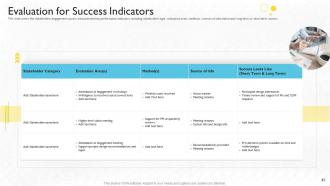
Honestly, most people get caught up in tracking engagement frequency and satisfaction scores, but that stuff's pretty surface-level. What actually matters is whether you're seeing real business results - like are projects getting approved faster? Less drama between teams? People sticking around longer? I'd say pick maybe 3-4 metrics that connect directly to what your company cares about most. Get your baseline numbers first, then check in quarterly. The good stuff shows up in time-to-market improvements and money saved from avoiding messy conflicts. Way more telling than survey responses, if you ask me.
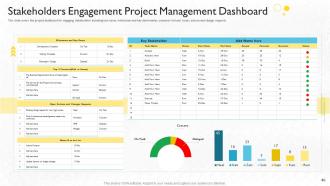
Honestly, tech makes stakeholder stuff so much easier. Real-time tools like Slack beat endless email chains any day. Survey platforms get you actual feedback fast, and social media helps you reach people where they already hang out. Oh, and dashboard tools are clutch for seeing what's working - no more throwing stuff at the wall hoping it sticks. The trick is figuring out where your people actually are online instead of assuming everyone checks email regularly (spoiler: they don't). Pick a few channels that make sense rather than trying everything at once.
Honestly, treat your stakeholder mapping like a risk radar from day one. Figure out who might become problems later - we've all seen that one community group that loves shutting things down. But also ID the people who'll actually give you a heads up when stuff's going wrong. Don't just do those boring status updates in meetings. Make risk chat a regular thing so people feel comfortable flagging issues early. I learned this the hard way on my last project - by the time someone finally spoke up about their concerns, we were already scrambling to fix everything.
Honestly, getting people to actually care and show up is the hardest part. Everyone's got different priorities and they're all competing for attention. Plus half the time stakeholders don't even get why you need their input in the first place. Figure out who you actually need involved and what makes them tick. Some people want emails, others need face-to-face time - mix it up. Be super clear about how you'll use their feedback and then actually do it. Nothing kills engagement faster than asking for opinions then ignoring them. Oh, and show examples of past wins where stakeholder input made a real difference.
Honestly, stakeholder feedback is like having a bunch of extra eyes on your blind spots. Get their input early when you're still figuring out your options - that's when it actually matters. Later on, use it to polish the details. But here's the thing: don't just collect feedback and shove it in a drawer somewhere. Schedule regular check-ins where you straight-up ask "what are we missing?" and "how's this gonna mess with your day-to-day?" You want to build decisions WITH people, not just run your brilliant ideas past them after you've already decided everything.
Honestly, you've gotta stop treating stakeholder engagement like some boring checklist item. Mix up who you're actually talking to - get younger people involved, plus groups that usually get ignored. Ditch the endless surveys for once. Try social listening instead, or even pop-up sessions where people actually are (TikTok included, I'm serious). Build feedback that's ongoing, not just some annual thing everyone dreads. Oh, and be real about what you're learning - like, actually show how you're changing based on input. People instantly know when you're just going through the motions.
Honestly, the biggest thing is being genuinely transparent about what people can actually change vs. what's already decided. Don't just pick stakeholders who'll rubber-stamp your ideas - that's basically performative BS and everyone can tell. Really listen to marginalized voices since they're usually hit hardest by corporate decisions. Oh, and map out who's truly affected by your CSR stuff, not just who's convenient to work with. I've seen too many companies do fake consultation that destroys trust. Include diverse perspectives but make it real inclusion, not tokenism.
Oh man, this is SO important and I wish someone had told me earlier. Some cultures want you to chat about family and life before any business talk - others think that's a waste of time. Germans appreciate direct feedback, but try that in Japan and you'll probably offend everyone. Also hierarchy stuff varies wildly. I bombed a presentation once in Thailand because I didn't realize how formal their protocols were. My advice? Do your homework on cultural norms first. It'll save you from looking like an idiot later.
Honestly, check out Patagonia and Unilever - they're crushing it with real stakeholder engagement. Patagonia actually tells customers not to buy their products unless they really need them, which sounds crazy but builds massive trust. For Unilever's Sustainable Living Plan, they got stakeholders involved from the very beginning, not as an afterthought. Interface Inc. did something similar - they brought employees, suppliers, and environmental groups right into their Mission Zero sustainability thing. What's smart about all these companies is they treat stakeholders like actual partners making decisions together, not just people to send updates to.
Get your stakeholders involved from the start - don't wait until you've got everything figured out. I made this mistake once and someone brought up a major issue literally two weeks before launch. Such a nightmare. Map out who matters and who'll be affected, then actually include them in planning conversations. Set up feedback loops throughout the whole process. Could be surveys, working groups, or just grabbing coffee with key people. Make it feel collaborative, not like you're going through the motions. Let them weigh in on timing, format, big decisions. Way easier than scrambling to fix problems later.
-
Attractive design and informative presentation.
-
Nice and innovative design.
-
Innovative and Colorful designs.
-
Colors used are bright and distinctive.
-
Excellent Designs.
-
The Designed Graphic are very professional and classic.
-
The content is very helpful from business point of view.
-
Designs have enough space to add content.
-
Good research work and creative work done on every template.