

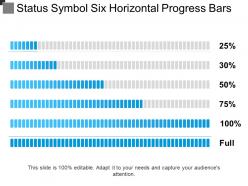
Status symbol six horizontal progress bars






Try Before you Buy Download Free Sample Product
 Impress Your
Audience
 100%
Editable
 Save Hours
of Time


Conquer your demons with our Status Symbol Six Horizontal Progress Bars. Gain control of doubts and dilemmas.
People who downloaded this PowerPoint presentation also viewed the following :
Status symbol six horizontal progress bars with all 5 slides:
The apparent becomes actual with our Status Symbol Six Horizontal Progress Bars. Everything takes on a definite form.


FAQs for Status symbol six
Contemporary status symbols include luxury brands, premium technology, exclusive experiences, high-end real estate, and professional achievements that communicate social position and success. While traditional markers like expensive cars remain relevant, increasingly sophisticated consumers value authentic experiences, sustainable luxury, and personal brand cultivation, with many finding that strategic lifestyle choices ultimately deliver both social recognition and genuine personal fulfillment in today's aspirational marketplace.
Cultural differences significantly influence status symbols through varying social hierarchies, religious beliefs, economic priorities, and historical contexts that shape what communities value most. While luxury cars might signal success in Western cultures, educational achievements, family reputation, or spiritual accomplishments often carry greater prestige in other societies, with many organizations finding that understanding these cultural nuances enhances their global market positioning and customer engagement strategies.
Status symbols vary significantly across social classes, reflecting different values, resources, and cultural priorities within each group. While luxury cars and designer goods often represent wealth in upper classes, middle-class symbols might emphasize education credentials or home ownership, and working-class communities may value craftsmanship skills or community recognition, with many finding that authentic status increasingly transcends traditional material displays.
Luxury brands create status symbols by offering exclusive products, premium craftsmanship, limited availability, heritage storytelling, and aspirational marketing that signals wealth and social position. These brands enable consumers to communicate success and belonging within affluent circles, with fashion houses, automotive manufacturers, and luxury retailers finding that scarcity and prestige ultimately deliver differentiation and customer loyalty.
The digital age has transformed traditional status symbols by shifting from physical luxury goods to digital influence, online presence, and technological sophistication. While expensive cars and designer items remain relevant, modern status increasingly centers on social media following, digital expertise, and access to cutting-edge technology, with many professionals finding that online authority and digital literacy deliver greater competitive advantage in today's interconnected business landscape.
Status symbols can significantly influence personal relationships by creating perceived hierarchies, affecting social acceptance, and shaping group dynamics within communities and workplaces. These visible markers of success often enhance networking opportunities and professional connections, while also presenting challenges around authenticity and relationship motivations, with many individuals finding that strategic choices about status displays ultimately help balance personal expression with meaningful social integration.
The psychological drive for status symbols stems from social validation needs, identity formation, self-esteem enhancement, competitive positioning, and belonging desires. These motivations enable individuals to communicate success, establish social hierarchies, and gain recognition within their communities, with many finding that strategic status signaling ultimately delivers increased confidence and professional opportunities in increasingly competitive environments.
Environmental concerns significantly reshape status symbol preferences by making sustainable luxury increasingly desirable while diminishing appeal of environmentally harmful products like gas-guzzling vehicles or fast fashion. Many affluent consumers now favor electric luxury cars, sustainable fashion brands, and eco-friendly technologies, with organizations finding that environmental responsibility enhances rather than compromises their premium positioning, ultimately delivering both prestige and sustainability credentials.
Status symbols and consumerism share a symbiotic relationship, where consumer spending drives demand for luxury goods, branded products, and exclusive services that signal social position and success. This dynamic fuels entire industries, from luxury automotive to high-end fashion, with many retailers leveraging aspirational marketing to enhance brand perception, ultimately delivering increased consumer engagement and premium pricing power.
Status symbols evolve within cultures through technological advancement, generational shifts, economic changes, and social value transformations. What once represented prestige, like landline phones or formal dining sets, gives way to new markers such as sustainable products, digital assets, or experiences over material goods, with many societies finding that authenticity and social consciousness increasingly define modern status.
Social media platforms amplify status symbols by providing global visibility, instant validation through likes and shares, and curated lifestyle showcasing that reaches massive audiences. However, they also democratize access to luxury aesthetics through filters and affordable alternatives, with many brands finding that authentic engagement increasingly outweighs material displays in building genuine influence and competitive advantage.
Global economic shifts significantly reshape wealthy individuals' status symbols by driving transitions from traditional luxury goods to alternative assets, sustainable investments, and technology-focused acquisitions. During market volatility, many affluent individuals pivot toward art collections, rare wines, and experiential luxury while increasingly emphasizing ESG-compliant investments, ultimately reflecting changing values around responsible wealth display and long-term strategic positioning.
The pursuit of status symbols presents both ethical challenges and opportunities for conscious consumption. While excessive materialism can perpetuate inequality and environmental concerns, it also drives innovation and economic growth, with many organizations finding that responsible luxury practices, sustainable manufacturing, and ethical sourcing enable businesses to deliver meaningful status while addressing social responsibility, ultimately creating competitive advantage in an increasingly values-driven marketplace.
Artists and designers challenge traditional status symbols by subverting luxury materials, creating accessible art that questions exclusivity, and developing conceptual pieces that critique consumer culture. Through provocative installations, sustainable fashion alternatives, and digital art platforms, they democratize prestige while encouraging audiences to reconsider what truly represents value, ultimately shifting cultural perceptions toward creativity and social impact over material wealth.
Innovation drives status symbol evolution by introducing new technologies, materials, and experiences that redefine luxury and exclusivity, while simultaneously making previous symbols more accessible to broader audiences. Through emerging technologies like electric vehicles, smart home systems, and digital art, innovators create fresh markers of sophistication and early adoption, with many luxury brands finding that technological advancement becomes the new currency of prestige.
-
Unique design & color.
-
Nice and innovative design.