

Step By Step Guide For Social Enterprise Startup Powerpoint Presentation Slides




Try Before you Buy Download Free Sample Product
 Impress Your
 Audience
 100%
100% Editable
 Save Hours
 of Time


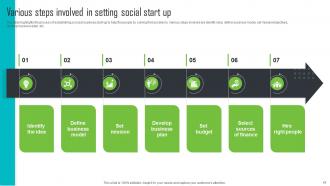
Embark on your social enterprise startup journey with our comprehensive Step by Step Guide for Social Enterprise Startup PowerPoint Presentation. This step by step guide is designed to assist entrepreneurs in establishing a for profit social business startup that addresses the needs of people and the community. The Social Enterprise Startup PPT deck provides a thorough overview of social startups, including their types, objectives, and key statistics relevant to social business startups. It outlines the essential steps involved in setting up a social startup, such as identifying a viable idea, defining a business model, establishing a mission, developing a robust business plan, setting a budget, securing financing, and assembling the right team. Furthermore, the Social Enterprise PPT module covers the fundamentals of social startup marketing, including conducting market research, staking claims to your business territory, and developing an effective marketing plan. Lastly, it also addresses the challenges entrepreneurs commonly face when launching a social business startup. Download our 100 percentage editable and customizable template, compatible with Google Slides, and embark on your journey to create a successful social enterprise startup.
People who downloaded this PowerPoint presentation also viewed the following :
Content of this Powerpoint Presentation
Slide 1: This slide introduces Step by Step Guide for Social Enterprise Startup. State your company name and begin.
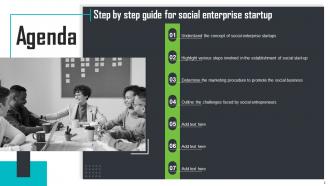
Slide 2: This is an Agenda slide. State your agendas here.
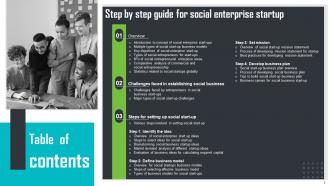
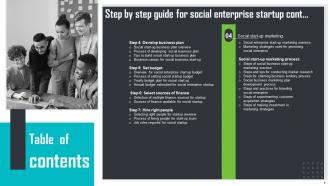
Slide 3: This slide shows Table of Content for the presentation.
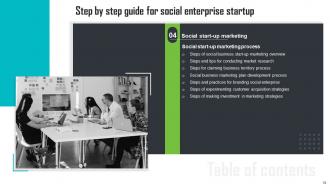
Slide 4: This slide continues showing Table of Content for the presentation.
Slide 5: This slide shows title for topics that are to be covered next in the template.
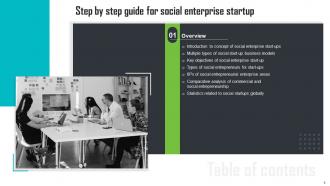
Slide 6: This slide covers the overview of social start-ups established to benefit people by solving their problems.
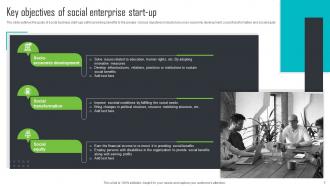
Slide 7: This slide outlines the goals of social business start-ups set for providing benefits to the people.
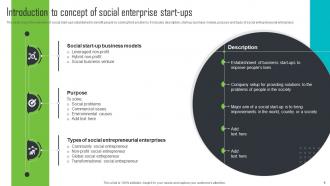
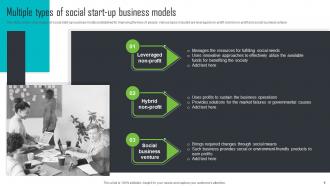
Slide 8: This slide presents various types of social start-up business models established for improving the lives of people.
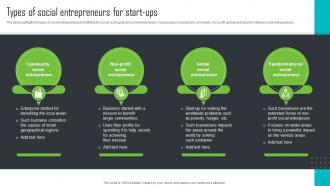
Slide 9: This slide highlights types of social entrepreneurs for fulfilling the social, ecological and commercial needs.
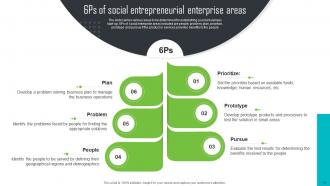
Slide 10: This slide presents various areas to be determined for establishing a social business start-up.
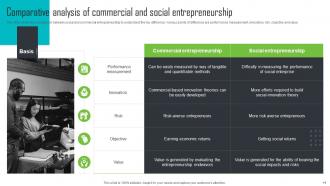
Slide 11: This slide displays the comparison between social and commercial entrepreneurship to understand the key difference.
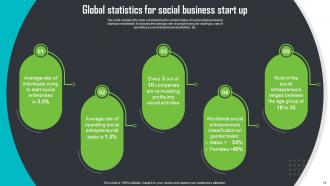
Slide 12: This slide contains the stats summarizing the current status of social entrepreneurial start-ups worldwide.
Slide 13: This slide shows title for topics that are to be covered next in the template.
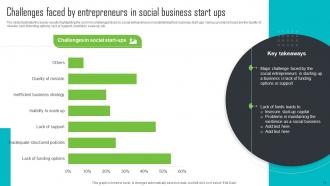
Slide 14: This slide illustrates the survey results highlighting the common challenges faced by social entrepreneurs in establishing their business start-ups.
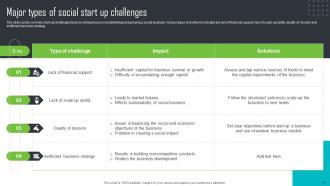
Slide 15: This slide presents common start-up challenges faced by entrepreneurs in establishing and growing a social business.
Slide 16: This slide shows title for topics that are to be covered next in the template.
Slide 17: This slide highlights the process of establishing a social business start-up to help the people by solving their problems.
Slide 18: This slide shows title for topics that are to be covered next in the template.
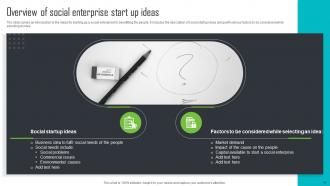
Slide 19: This slide presents an introduction to the ideas for starting up a social enterprise for benefitting the people.
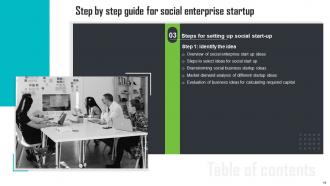
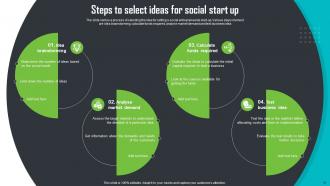
Slide 20: This slide displays a process of selecting the idea for setting a social entrepreneurial start-up.
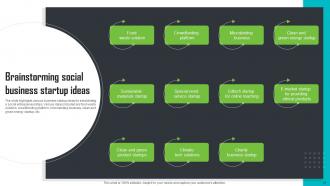
Slide 21: This slide highlights various business startup ideas for establishing a social entrepreneurships.
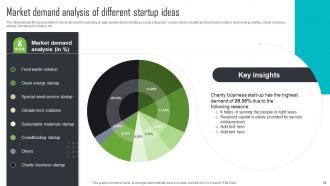
Slide 22: This slide exhibits the assessment of market demand for selecting an appropriate idea for starting a social enterprise.
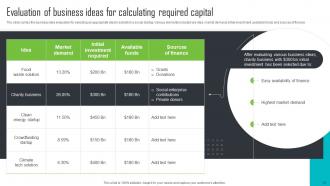
Slide 23: This slide presents the business idea evaluation for selecting an appropriate idea to establish a social startup.
Slide 24: This slide shows title for topics that are to be covered next in the template.
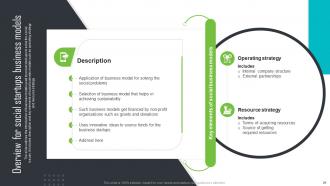
Slide 25: This slide outlines the introduction of business models used by social start-ups to solve the social issues.
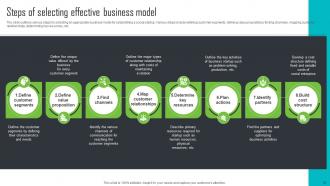
Slide 26: This slide presents various steps for selecting an appropriate business model for establishing a social startup.
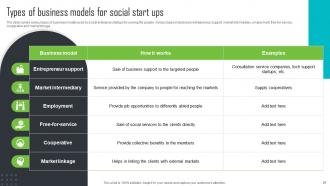
Slide 27: This slide describes various types of business models used by social enterprise startups for serving the people.
Slide 28: This slide shows title for topics that are to be covered next in the template.
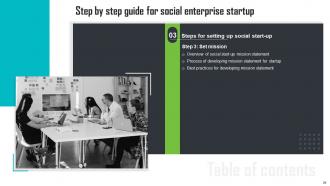
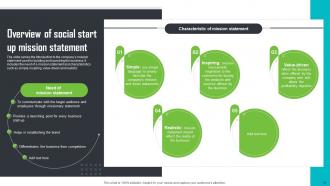
Slide 29: This slide presents the introduction to the company’s mission statement used for building and launching the business.
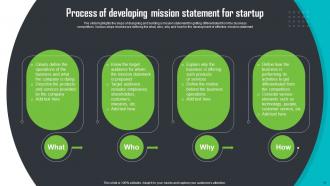
Slide 30: This slide highlights the steps of designing and building a mission statement for getting differentiated from the business competitors.
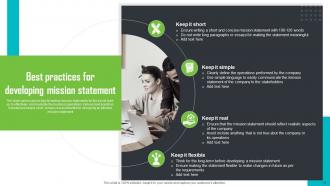
Slide 31: This slide presents various tips for writing mission statements for the social start-up to effectively communicate the business operations.
Slide 32: This slide shows title for topics that are to be covered next in the template.
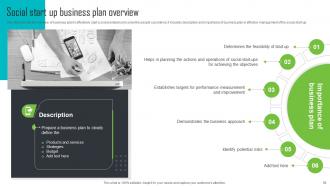
Slide 33: This slide exhibits the overview of business plan to effectively start a social enterprise to solve the people’s problems.
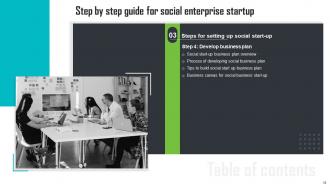
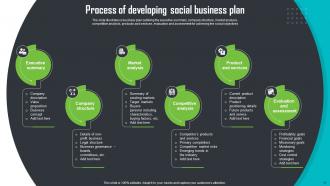
Slide 34: This slide illustrates a business plan outlining the executive summary, company structure, market analysis, competitive analysis etc.
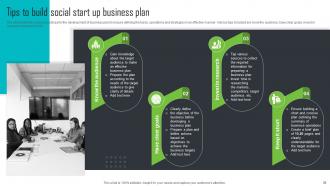
Slide 35: This slide displays various practices for the development of business plan to ensure defining the tasks, operations and strategies.
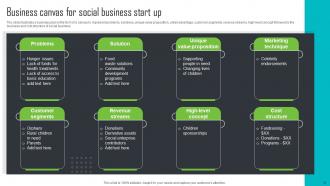
Slide 36: This slide illustrates a business plan in the form of a canvas to represent problems, solutions, unique value proposition etc.
Slide 37: This slide shows title for topics that are to be covered next in the template.
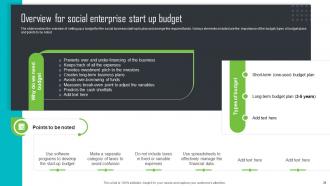
Slide 38: This slide involves the overview of setting up a budget for the social business start-up to plan and arrange the required funds.
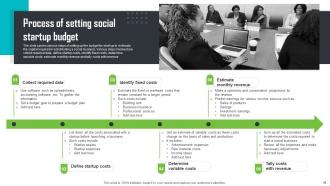
Slide 39: This slide presents various steps of setting up the budget for start-up to estimate the capital required in establishing a social business.
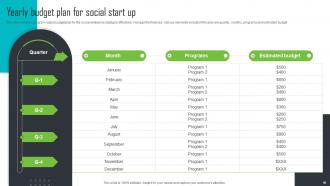
Slide 40: This slide displays a program-based budget plan for the social enterprise startup to effectively manage the finances.
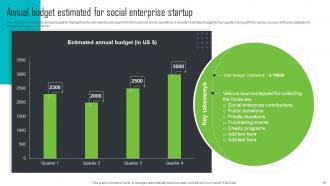
Slide 41: This slide demonstrates an annual budget for highlighting the estimated funds required for the business and its operations.
Slide 42: This slide shows title for topics that are to be covered next in the template.
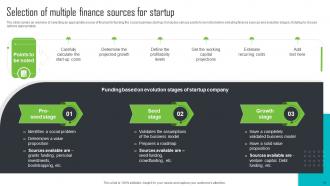
Slide 43: This slide presents an overview of selecting an appropriate source of finance for funding the social business start-up.
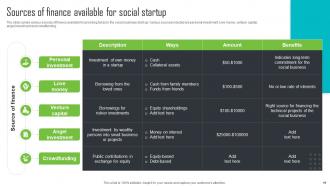
Slide 44: This slide displays various sources of finance available for providing funds to the social business start-up.
Slide 45: This slide shows title for topics that are to be covered next in the template.
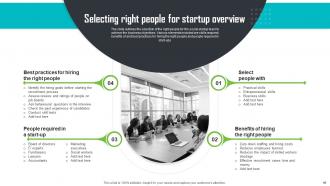
Slide 46: This slide outlines the selection of the right people for the social startup team to achieve the business objectives.
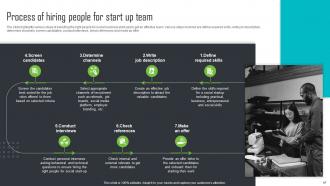
Slide 47: This slide highlights various steps of selecting the right people for social business start-ups to get an effective team.
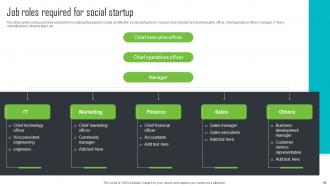
Slide 48: This slide presents various job roles available for recruiting the people to create an effective social start up team.
Slide 49: This slide shows title for topics that are to be covered next in the template.
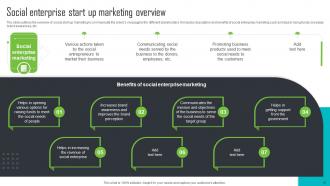
Slide 50: This slide outlines the overview of social start-up marketing to communicate the brand’s message to the different stakeholders.
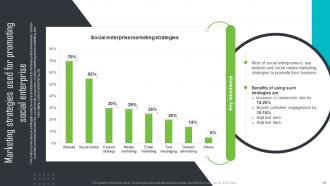
Slide 51: This slide presents various strategies used by social entrepreneurs to increase brand awareness.
Slide 52: This slide shows title for topics that are to be covered next in the template.
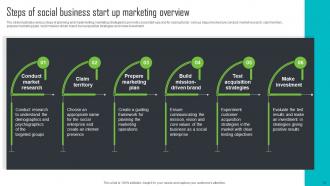
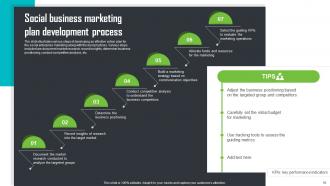
Slide 53: This slide illustrates various steps of planning and implementing marketing strategies to promote social start-ups and for raising funds.
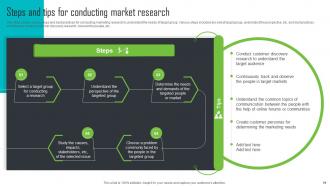
Slide 54: This slide presents various steps and best practices for conducting marketing research to understand the needs of target group.
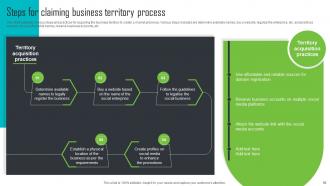
Slide 55: This slide highlights various steps and practices for acquiring the business territory to create a market presence.
Slide 56: This slide illustrates various steps of developing an effective action plan for the social enterprise marketing along with the best practices.
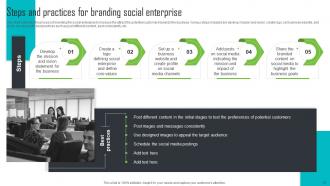
Slide 57: This slide displays the process of branding the social enterprise to increase the attract the potential customers towards the business.
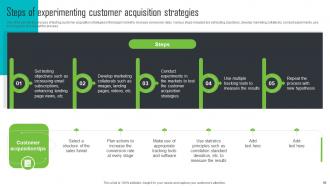
Slide 58: This slide exhibits the process of testing customer acquisition strategies in the target market to increase conversion rates.
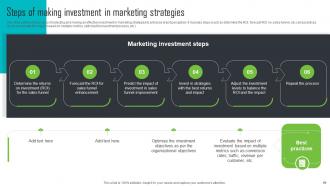
Slide 59: This slide outlines the process of selecting and making an effective investment in marketing strategies to enhance brand perception.
Slide 60: This slide shows all the icons included in the presentation.
Slide 61: This slide is titled as Additional Slides for moving forward.
Slide 62: This is Our Vision, Mission & Goal slide.
Slide 63: This slide shows Post It Notes for reminders and deadlines. Post your important notes here.
Slide 64: This is About Us slide to show company specifications etc.
Slide 65: This slide describes Line chart with two products comparison.
Slide 66: This slide depicts Venn diagram with text boxes.
Slide 67: This is an Idea Generation slide to state a new idea or highlight information, specifications etc.
Slide 68: This slide presents Roadmap with additional textboxes.
Slide 69: This is a Thank You slide with address, contact numbers and email address.
Step By Step Guide For Social Enterprise Startup Powerpoint Presentation Slides with all 74 slides:
Use our Step By Step Guide For Social Enterprise Startup Powerpoint Presentation Slides to effectively help you save your valuable time. They are readymade to fit into any presentation structure.








FAQs for Step By Step Guide For Social Enterprise Startup
So basically a social enterprise is when you run a business but your main goal is fixing some social or environmental problem - not just making bank. Regular companies only care about profit (which honestly, fair enough I guess), but you'd be measuring success by actual impact. Like helping homeless people, creating jobs for folks who need them, climate stuff, whatever. The big difference is that your mission isn't just some nice marketing thing on the side. It's literally how your whole business works. Just pick a problem that actually gets you fired up, then figure out how to make money while solving it.
Okay so you need three things: clear social impact, solid financials, and operations that can actually scale. Don't just say you're "helping people" - get specific about what you're measuring. The money part is honestly the hardest because you're trying to do good AND stay profitable, which feels weird at first. Your business model has to work without you constantly babysitting it. Here's the thing though - most social enterprises totally nail the mission part but completely bomb on basic business stuff. I'd say test all three areas early, not just the inspiring vision. Otherwise you'll burn out fast.
Honestly, just pay attention to what pisses you off day-to-day - like when you're stuck dealing with some annoying process and think "why is this so stupid?" Chat with different types of people about their biggest headaches. Check out local news and community groups online too. You'll start noticing the same complaints pop up everywhere. Don't go after those massive world problems that every startup is already trying to fix - that's way too crowded. Find something smaller that people actually ignore. The entrepreneurs I know who've succeeded usually built something around a problem they personally dealt with or saw their neighbors struggling with constantly.
Honestly, you really need to do market research first. Don't just assume you know what people want - even with the best intentions, you could totally miss the mark. Talk to your target community directly through surveys and interviews before you start planning anything else. That way you'll figure out if there's actually demand for your idea and who your potential partners or competitors might be. I mean, nobody wants to waste months building something that flops. Plus it helps validate whether your impact goals are realistic or just wishful thinking. Trust me, skipping this step is like driving blindfolded.
Start with 3-5 metrics that actually matter - like "families out of poverty" or "waste diverted." Don't try tracking everything, trust me on this one. Get your data collection going from day one, even if it's just a basic spreadsheet. Numbers are great, but stories hit different - funders eat up both the hard data and the personal testimonials. Oh, and consistency is huge here. You need that baseline to show real progress and figure out what's working versus what needs tweaking along the way.
Dude, social enterprises actually have way more funding options than regular startups. Impact investors are your best bet - they want both profit and social good. There are tons of accelerators just for social ventures too. Don't sleep on grants either, foundations throw money at missions like yours. I always tell people the revenue-based financing route works great here since you've got that compelling story. Crowdfunding's solid too. Oh, and map out your impact metrics early - funders eat that stuff up. They need proof you're actually changing things, not just talking about it.
Honestly, don't separate profit from your mission - build them together from the start. Make money in ways that actually boost your impact, like hiring people who need jobs or selling stuff that fixes real problems. Too many founders act like profit is evil, but it's literally what keeps your cause running. Track both your revenue and your social results obsessively. The whole "doing good vs making money" thing is such BS when you do it right. Start simple: find one way your income can directly feed back into your social goals.
Okay so first thing - figure out who actually matters for your project. Beneficiaries, funders, community people, even the doubters (they can surprise you sometimes). Don't just pitch constantly though, that gets annoying fast. Build real relationships by helping them first - share stuff they'd find useful, connect them with others, whatever. Regular updates beat random mass emails every time. Here's the thing that really matters: listen when they give feedback and actually use it. People become your biggest cheerleaders when they feel like you genuinely care about their input, not just their money or support.
Start with figuring out how you'll actually make money - sales, grants, partnerships, whatever works. The whole profit vs purpose thing is a total mindfuck (keeps everyone awake honestly), but here's the deal: no money means no impact. Don't put all your eggs in one basket with just grants or donations. Test your pricing early so you can cover costs but still reach the people who need you. Oh and map out those unit economics before you get too deep - trust me on this one. Get one revenue stream solid before you start chasing others.
Honestly, the funding thing is brutal - regular investors think you're too "do-goody" and impact investors are like unicorns. Plus you can't just measure success with dollar signs anymore, which makes everything messier. People constantly ask me to explain what we actually DO because they expect businesses to be either profit-focused or charitable, not both. Finding good employees is another nightmare since you need someone who actually cares about the mission but isn't completely clueless about business stuff. My biggest tip? Figure out how to measure your impact ASAP - those numbers become your best friend when you're pitching to the right people.
Dude, storytelling is everything for social enterprises. People's brains just connect with stories way better than boring stats - like, instead of "we help homeless youth," tell them about Marcus getting his first apartment through your program. That hits different, you know? Your narrative needs the problem you're solving, why you actually care, and the real impact happening. I'd say craft 2-3 solid stories that show different sides of your work. Then use those everywhere - website, pitches, social media, whatever. Makes your mission feel real instead of just another nonprofit asking for money.
Honestly, you've got a few routes here. LLC or regular corporation, Certified B-Corp, or benefit corporation (though that depends on your state). Most people way overthink this stuff early on - I did the same thing. An LLC gives you solid protection and keeps things flexible while you figure out your actual business. You can always switch to B-Corp status later when you're making money and want that official certification. Benefit corps work great if your state has them and you want legal cover for putting social impact before pure profit. Start with an LLC, build the real business first, then worry about fancy structures once you know what you actually need.
Honestly, tech is like a cheat code for social impact - you'll reach way more people without hiring a massive team. Apps can automate your programs. Data helps you figure out what's actually working (shocking, I know). Build platforms that connect people directly to what they need. Mobile stuff is huge since it hits underserved areas. But here's the thing - pick tech that solves real problems your people face, not whatever's buzzing on TechCrunch. Start with one simple digital fix for your main mission. Test it with actual users first. Then scale up what doesn't suck.
Honestly, transparency is everything here. Show customers exactly what their purchases accomplish - real stories, actual numbers, the whole deal. People don't just want products anymore, they want to feel connected to something meaningful. Social media's obvious, but email updates about your impact hit different. Maybe create a community space where your customers can chat with each other about the cause? That builds something way bigger than just transactions. The tricky part is staying consistent - you can't only talk about impact when you feel like it. Oh, and definitely track which stories get people most excited, then lean into those themes hard.
Working with non-profits is honestly one of the smartest moves you can make. They've already got the community trust and expertise that would take you forever to build from scratch. Grant connections too, which is huge. I'd focus on finding orgs that actually share your values though - not just anyone will do. When business stuff gets crazy (and it will), they help keep you focused on why you started this thing in the first place. Oh, and their volunteer networks are gold. Start small - just reach out to a few non-profits in your space for casual coffee chats and see what happens.
-
Spacious slides, just right to include text. SlideTeam has also helped us focus on the most important points that need to be highlighted for our clients.
-
I'm happy to discover your PowerPoint presentations and templates. They met my expectations precisely. Very innovative!