

Strategic Work Force Planning Powerpoint Presentation Slides




Try Before you Buy Download Free Sample Product
 Impress Your
 Audience
 100%
100% Editable
 Save Hours
 of Time


Our content-ready Strategic Work Force Planning Powerpoint Presentation Slides has pre-made 65 slides that will help you in approaching the topic head on. This PPT presentation sample deck consist of various range of PowerPoint templates on organizational development, types of workforce planning, workforce analysis, employee plan, requirements analysis, vision mission and values, goals and objectives, performance requirements, core skills, external analysis, labour market forecasts, demographic makeup of customers, human resource trends, levels of employee performance, current staff composition, managing future workforce needs, gap analysis, gap closing strategies, and employee action management etc. This PowerPoint sample deck file can inspire your observers and will leave a lasting effect on them. Generate the impact you always wanted to. Downloading this PPT deck will also help you in showcasing succession planning, workforce management, staffing and personnel, human resource management, human capital, capacity building, workload analysis, supply and demand forecasting etc. Our Strategic Workforce Planning Powerpoint Presentation Slides complete deck will surely make you the PPT hero. So, what is holding you back, just download this deck and impress the to management. Our Strategic Work Force Planning Powerpoint Presentation Slides are a road map to grand things. They offer unique ways to project your ideas.
People who downloaded this PowerPoint presentation also viewed the following :
Content of this Powerpoint Presentation
Slide 1: This slide introduces Strategic Work Force Planning. State your company name and begin.
Slide 2: This is Our Agenda slide. You can discuss your company/ business agendas here.
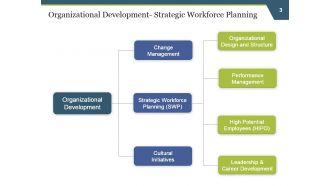
Slide 3: This slide presents Organizational Development- Strategic Workforce Planning in a flow chart form which in divided into the following three categories- Change Management Strategic Workforce Planning (SWP) Cultural Initiatives
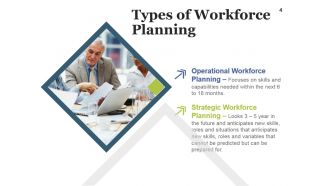
Slide 4: This slide states the two Types of Workforce Planning- Operational Workforce Planning, Strategic Workforce Planning.
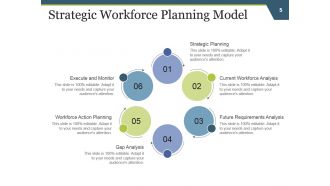
Slide 5: This slide presents the Strategic Workforce Planning Model with 6 of its components- Strategic Planning, Gap Analysis, Future Requirements Analysis, Workforce Action Planning, Current Workforce Analysis, Execute and Monitor.
Slide 6: This slide shows Step 1- Define Organization's Strategic Plan.
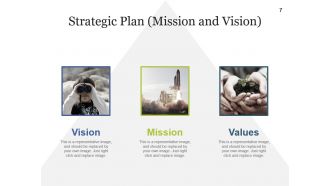
Slide 7: This slide showcases Strategic Plan (Mission and Vision). You can easily make use of this slide to add your company's mission, vision and values.
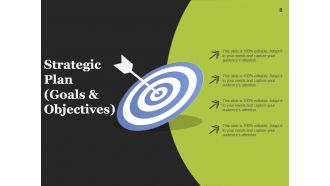
Slide 8: This slide shows Strategic Plan (Goals & Objectives) with arrow and target imagery.
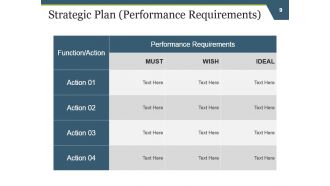
Slide 9: This slide presents Strategic Plan (Performance Requirements) in a tabular form. You can add your Performance Requirements in this table as per these three categories- Must, Wish, Ideal.
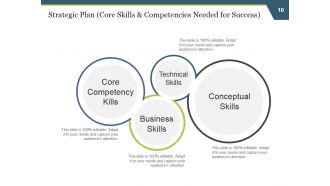
Slide 10: This slide shows Strategic Plan (Core Skills & Competencies Needed for Success). You can mention the following aspects here- Core Competency Kills, Business Skills, Technical Skills, Conceptual Skills.
Slide 11: This is a Break Slide with coffee cup imagery. Edit as per need.
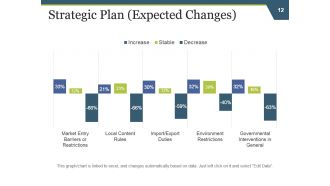
Slide 12: This slide shows Strategic Plan (Expected Changes). These expected changes are- Market Entry Barriers or Restrictions, Local Content Rules, Import/Export Duties, Environment Restrictions, Governmental Interventions in General.
Slide 13: This slide shows Step 2- Scan the Internal & External Environment.
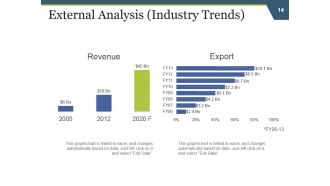
Slide 14: This slide presents External Analysis (Industry Trends) graphically.
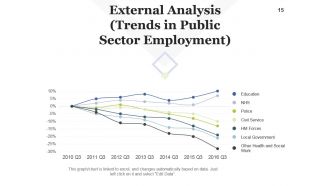
Slide 15: This slide shows a graphical presentation of External Analysis (Trends in Public Sector Employment).
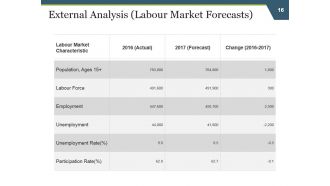
Slide 16: This slide showcases External Analysis (Labour Market Forecasts) table.
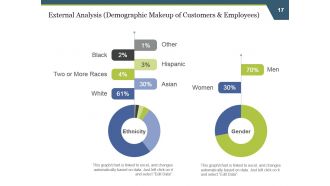
Slide 17: This slide displays External Analysis (Demographic Makeup of Customers & Employees) in a pie chart/ graph form. Use it to present the stats of Ethnicity, Gender.
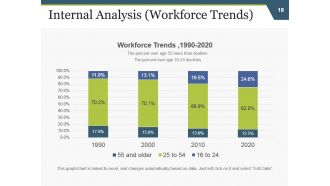
Slide 18: This slide showcases Internal Analysis (Workforce Trends) in a bar chart/ graph form. You can depict your yearly stats here and use it accordingly.
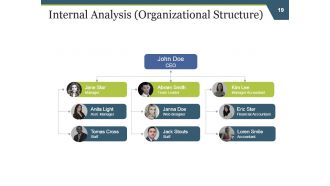
Slide 19: This slide showcases Internal Analysis (Organizational Structure). You can display your company's organizational structure here.
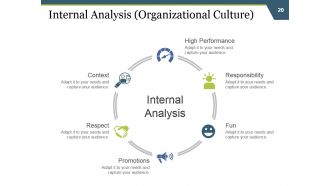
Slide 20: This slide showcases Internal Analysis (Organizational Culture) in a circular image form. It consists of the following 6 components- High Performance, Responsibility, Fun, Promotions, Respect, Context.
Slide 21: This slide showcases Internal Analysis (Employee Morale) categorized into- Productivity, Profitability, Turnover.
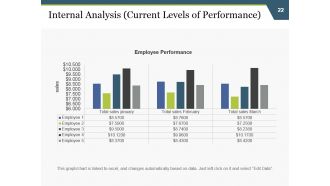
Slide 22: This slide present Internal Analysis (Current Levels of Performance) graphically.
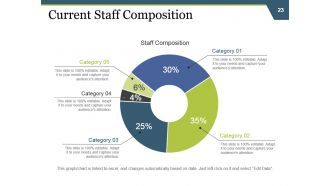
Slide 23: This slide showcases Current Staff Composition in a pie chart/ graph form.
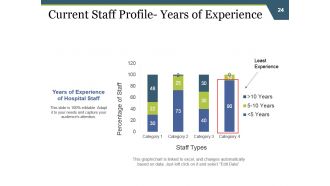
Slide 24: This slide presents Current Staff Profile- Years of Experience graphically. It shows Staff types on the x- axis and Percentage of staff on the y-axis.
Slide 25: This slide shows Step 3- Assess Future Workforce Needs.
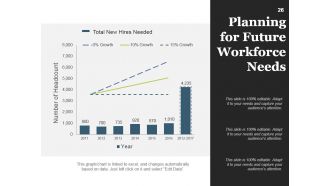
Slide 26: This slide shows a graphical representation of Planning for Future Workforce Needs with years depicted on the x axis and number of headcounts to be shown on the y axis simultaneously.
Slide 27: This slide shows Step 4- Gap Analysis.
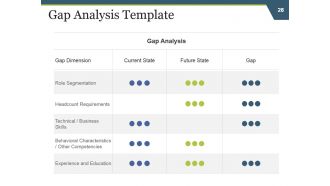
Slide 28: This is a Gap Analysis Template slide showing- Gap Dimension, Current State, Future State, Gap.
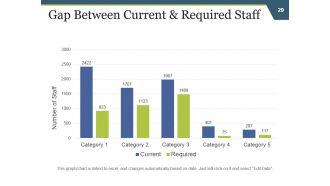
Slide 29: This slide presents a bar chart/ graph to show Gap Between Current & Required Staff.
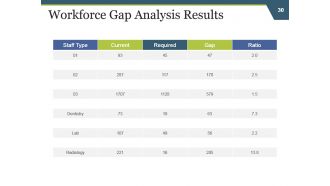
Slide 30: This slide showcases Workforce Gap Analysis Results table.
Slide 31: This slide shows Step 5- Workforce Action Planning.
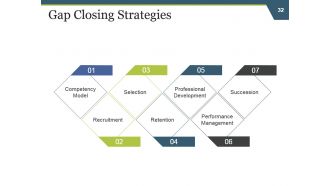
Slide 32: This slide shows six Gap Closing Strategies which are- Selection, Competency Model, Professional Development, Succession, Performance Management, Retention, Recruitment.
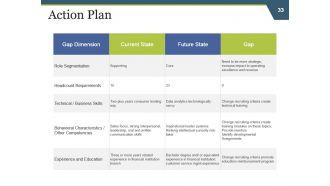
Slide 33: This slide showcases Action Plan table with the following sub headings- Gap Dimension, Current State, Future State, Gap.
Slide 34: This slide shows Step 6- Execute & Monitor.
Slide 35: This slide is tiled Additional Slides to move ahead. Alter as per need.
Slide 36: This is Our Vision slide with text boxes. State your vision here.
Slide 37: This is Our Team slide. Mention name, designation etc. of your members here.
Slide 38: This is an About Us slide. Provide a brief introduction about company/ team here.
Slide 39: This is Our Goal slide to state company goals, aspirations etc.
Slide 40: This is a Comparison slide to compare two products/ entities etc.
Slide 41: This is a Financial stats slide to state financial aspects etc.
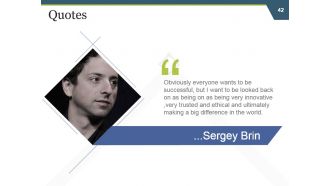
Slide 42: This slide presents Quotes. Sate your inspirational quotes here. You may change the slide content as per need.
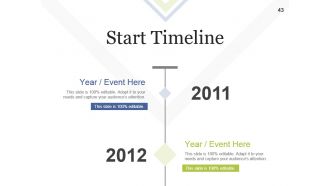
Slide 43: This is a Start Timeline slide to show important milestones, highlights etc.
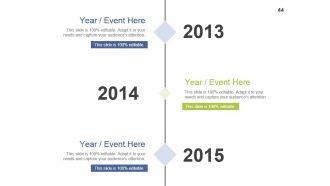
Slide 44: This is also a Timeline slide to present important dates, journey, evolution, milestones etc.
Slide 45: This slide presents Finish Timeline.
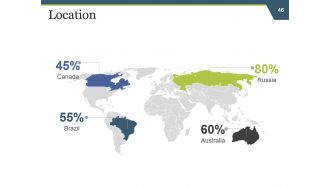
Slide 46: This is a Location slide to show global segregation, presence etc. on a world map image and text boxes to make it explicit.
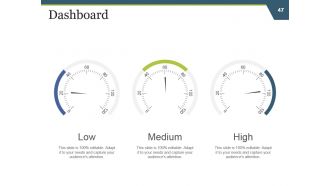
Slide 47: This is a Dashboard slide to state Low, Medium and High aspects, kpis, metrics etc.
Slide 48: This is Important Notes slide to be displayed. Show events, important piece of information, events etc. here.
Slide 49: This is a Puzzle image slide to show information, specifications etc.
Slide 50: This is a Target slide to state your Achievements etc.
Slide 51: This is a Newspaper image slide. Show events, important piece of information, events etc. here.
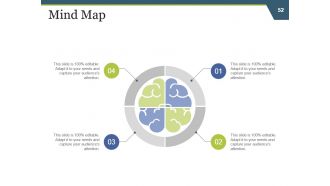
Slide 52: This is a Mind map image slide to show information, segregation, specifications etc.
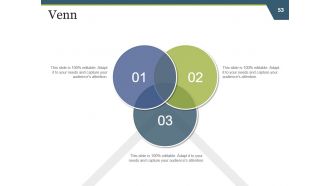
Slide 53: This is a Venn diagram image slide to show information, specifications etc.
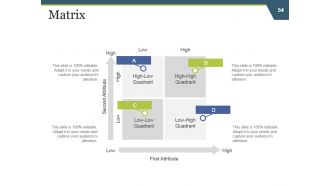
Slide 54: This is a Matrix slide to show information, comparison specifications etc.
Slide 55: This slide forwards to Our Charts. Alter as per need.
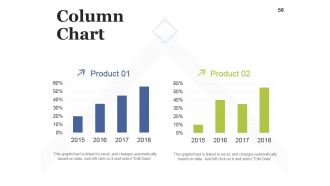
Slide 56: This slide presents a Column Chart for showcasing product/ company growth, comparison etc.
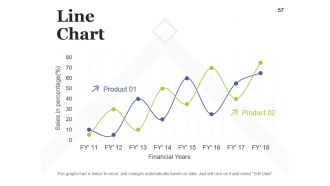
Slide 57: This slide presents a Line Chart for showcasing product/ company growth, comparison etc.
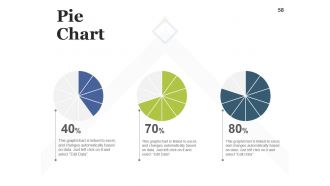
Slide 58: This is a Pie Chart slide to show product comparison etc.
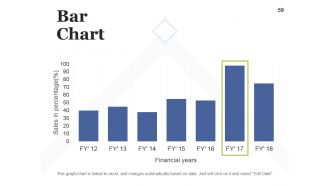
Slide 59: This is a Bar Chart slide to present product/ entity comparison, specifications etc.
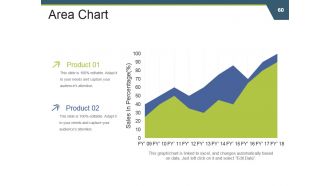
Slide 60: This is an Area Chart slide to present product/ entity comparison, specifications etc.
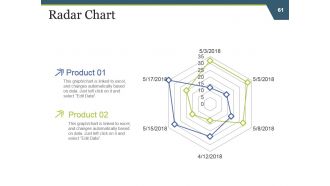
Slide 61: This is a Radar Chart slide to present product/ entity comparison, specifications etc.
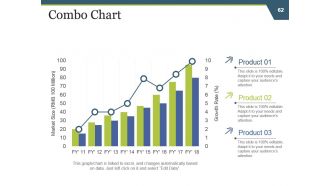
Slide 62: This is a Combo Chart slide to present product/ entity comparison, specifications etc.
Slide 63: This is a Stacked Line slide to present product/ entity comparison, specifications etc.
Slide 64: This is a Contact Us slide with Email, Address# street number, city, state, Contact Numbers.
Slide 65: This is a Thank You slide for acknowledgement or to end the presentation.
Strategic Work Force Planning Powerpoint Presentation Slides with all 65 slides:
Avert half measures with our Strategic Work Force Planning Powerpoint Presentation Slides. They ensure every action is complete.





FAQs for Strategic Work Force Planning
Strategic workforce planning includes workforce analytics, talent gap analysis, succession planning, competency mapping, and demand forecasting. These components work together by identifying future skill requirements, assessing current capabilities, and developing targeted recruitment strategies, with many organizations finding that this integrated approach ultimately delivers improved retention, reduced hiring costs, and enhanced competitive positioning.
Demographic analysis influences workforce planning by revealing age distributions, skill gaps, retirement timelines, diversity patterns, and succession needs across different organizational levels. Through comprehensive demographic insights, companies can proactively develop targeted recruitment strategies, create mentorship programs, and implement knowledge transfer initiatives, ultimately ensuring seamless transitions and maintaining competitive advantage in an increasingly dynamic talent landscape.
Technology enhances strategic workforce planning by enabling data-driven decision making, predictive analytics for future talent needs, automated recruitment processes, and real-time performance tracking. Through AI-powered platforms and workforce management systems, organizations streamline talent acquisition, optimize resource allocation, and anticipate skill gaps, ultimately delivering improved operational efficiency and competitive advantage in talent management.
Organizations align workforce planning with long-term business goals by conducting comprehensive skills gap analyses, forecasting future talent needs based on strategic objectives, and developing targeted recruitment and training programs. Through strategic workforce modeling, companies anticipate market changes, identify critical roles, and build talent pipelines, with many finding that proactive planning delivers enhanced operational efficiency and sustainable competitive advantage.
Effective workforce planning metrics include employee retention rates, time-to-fill vacancies, internal mobility percentages, skill gap assessments, and succession planning coverage ratios. These measurements enable organizations to track talent pipeline effectiveness, optimize resource allocation, and reduce recruitment costs, with many companies finding that comprehensive metrics deliver improved operational efficiency and stronger competitive positioning in increasingly dynamic markets.
Talent shortages significantly disrupt strategic workforce planning by forcing organizations to reassess skill requirements, accelerate upskilling initiatives, and explore alternative sourcing strategies including automation and partnerships. Industries like healthcare, technology, and manufacturing face particularly acute challenges, with many companies finding that strategic combinations of talent development, competitive compensation, and operational flexibility ultimately deliver sustainable workforce solutions and competitive advantage.
Organizations can address skill gaps through comprehensive training programs, strategic hiring initiatives, internal mobility programs, partnerships with educational institutions, and skills assessment frameworks. These approaches enhance workforce capabilities by reskilling existing employees, attracting external talent, and promoting cross-functional development, with many companies finding that strategic workforce planning ultimately delivers improved productivity and competitive advantage.
Data analytics enhances workforce planning decision-making by identifying skills gaps, predicting turnover patterns, and optimizing resource allocation across departments. Through predictive modeling and real-time dashboards, organizations streamline recruitment processes, reduce hiring costs, and improve employee retention rates, with many companies finding that data-driven insights ultimately deliver competitive advantage in talent management.
Best practices for forecasting future workforce needs include analyzing historical data trends, conducting skills gap assessments, leveraging predictive analytics, evaluating market conditions, and aligning projections with strategic business goals. These approaches enable organizations to anticipate talent requirements, optimize resource allocation, and maintain competitive advantage, with many companies finding that comprehensive forecasting ultimately delivers improved operational efficiency and reduced recruitment costs.
Strategic workforce planning enhances diversity and inclusion by identifying skill gaps across demographics, setting targeted recruitment goals, and creating equitable career pathways for underrepresented groups. Through data-driven analysis, organizations can proactively address representation imbalances, design inclusive succession plans, and build diverse talent pipelines, ultimately delivering stronger innovation, better decision-making, and competitive advantage in increasingly diverse markets.
Organizations should approach workforce planning during economic downturns by prioritizing strategic talent retention, cross-training employees for versatility, implementing flexible staffing models, and investing in upskilling critical personnel. While companies may need to make difficult staffing decisions, those that maintain focus on core competencies and employee development often emerge stronger, with many finding that strategic workforce investments during downturns create competitive advantages when markets recover.
Implementing agile workforce planning in dynamic environments presents challenges including rapid skill evolution, unpredictable demand forecasting, resource allocation complexities, technology integration hurdles, and cultural resistance to change. While these obstacles require strategic navigation, organizations increasingly find that embracing flexible frameworks, investing in continuous learning platforms, and fostering adaptive leadership ultimately delivers enhanced responsiveness and competitive advantage.
Employee feedback integrates into workforce planning through regular surveys, focus groups, exit interviews, performance reviews, and one-on-one discussions with managers. These insights enable organizations to identify skill gaps, predict turnover patterns, and understand career aspirations, while informing succession planning and training investments, ultimately delivering more accurate forecasting and enhanced employee retention strategies.
Managing the transition to remote or hybrid work requires comprehensive change management, flexible technology infrastructure, clear communication protocols, and revised performance metrics that focus on outcomes rather than hours. Organizations across industries streamline this shift by implementing digital collaboration platforms, establishing structured check-in processes, and providing remote work training, ultimately delivering enhanced employee flexibility and operational resilience while maintaining productivity standards.
Workforce planning in small businesses focuses on immediate needs and flexible roles, while large enterprises emphasize long-term strategic alignment, formal succession planning, and complex organizational structures. Small businesses typically rely on cross-functional employees and rapid adaptation, whereas enterprises use sophisticated analytics, dedicated HR teams, and structured career pathways, with many large organizations finding that systematic planning delivers competitive advantage and operational efficiency.
-
Editable templates with innovative design and color combination.
-
Qualitative and comprehensive slides.