


Strategies To Achieve Sustainable Development In Pharmaceutical Company Case Competition Complete Deck




Try Before you Buy Download Free Sample Product
 Impress Your
 Audience
 100%
100% Editable
 Save Hours
 of Time


As it expands, the pharmaceutical industry is now faced with new problems regulating and avoiding environmental contamination. Today, the question is how will the global pharmaceutical firms cope with rising productions environmental impacts. Check out our professionally designed Strategies to Achieve Sustainable Development in Pharmaceutical Company template that is helpful for pharmaceutical companies facing environmental and operational challenges in their production. This will help the companies identify the new strategies, recommendations, and solutions to overcome the difficulties related to production, distribution, transportation, and patients. The main objective of this presentation is to identify the effective strategies for environmental and operational challenges in a pharmaceutical company. This presentation includes various slides such as company details, company financials, facts and figures, problems faced by the company with their effective solutions, potential partners, key achievements, etc. In the end, this presentation covers the financial forecast of the pharmaceutical company for the next five years. It also covers profitability analysis after implementing strategies, key performance indicators, and dashboards. Get access to this 100 percent editable template now.
People who downloaded this PowerPoint presentation also viewed the following :
Content of this Powerpoint Presentation
Slide 1: This slide displays title i.e. 'Strategies to Achieve Sustainable Development in Pharmaceutical Company (Case Competition)' and your Company Name.
Slide 2: This slide presents table of contents.
Slide 3: This slide shows the company details, founded year, headquarter, CEO, total employees, purpose etc.
Slide 4: This slide shows the company financial of the pharmaceutical company which includes the total revenue and total income.
Slide 5: This slide shows the decline in the total number of patients from the year 2017 to 2021.
Slide 6: This slide shows the facts and figures related to the pharmaceutical company which includes usage of products by patients, total market, etc.
Slide 7: This slide shows the various problems related to environmental and operational programs of the pharmaceutical company.
Slide 8: This slide shows the various solutions related to the pharmaceutical company operations which includes focus on production, etc.
Slide 9: This slide shows the financial performance of the pharmaceutical company from last five years 2021 to 2022.
Slide 10: This slide shows the potential partners of pharmaceutical company which includes their names, total number of employees, etc.
Slide 11: This slide shows the goals and partnerships for zero emission of the pharmaceutical company.
Slide 12: This slide shows various sustainable development goals and targets related to pharmaceutical company.
Slide 13: This slide shows the various achievements of the pharmaceutical company which includes world leading healthcare business, creativity, etc.
Slide 14: This slide shows the potential partnership of pharmaceutical company.
Slide 15: This slide shows the new business model of pharmaceutical company.
Slide 16: This slide shows the Customer Journey map of pharmaceutical company which includes package received, dispenses affixed, recycle and reused process of disposals.
Slide 17: This slide shows the process of recycling and refuse production of pharmaceutical company.
Slide 18: This slide shows the key strengths related to pharmaceutical company such as cost structure, diversified workforce, brand awareness and many more.
Slide 19: This slide shows the various Weakness related to pharmaceutical company such as less investment in research and development, low brand image, etc.
Slide 20: This slide shows the various Opportunities for the pharmaceutical company such as Internet, technological developments, etc.
Slide 21: This slide shows the various threats related to pharmaceutical company such as high level of competition, suppliers, etc.
Slide 22: The slide explains the Focus on production process strategy of the company.
Slide 23: The slide explains the Focus on Distribution and Transportation Process strategy of the company.
Slide 24: The slide explains the Focus on Patient’s Needs and Demands strategy of the company.
Slide 25: This slide shows the various key impacts on the pharmaceutical company’s operations after the successful implementation of strategies.
Slide 26: This slide shows the key impacts of the strategies on company’s operations.
Slide 27: This slide shows the various risks and their mitigation strategies related to pharmaceutical company.
Slide 28: This slide shows the timeline related to the strategies of pharmaceutical company for the years 2020 to 2024.
Slide 29: This slide shows the financial forecast of the pharmaceutical company which includes the total revenue and total income for the years 2020 to 2024.
Slide 30: This slide shows the financial forecast of the pharmaceutical company for the years 2021 to 2026.
Slide 31: This slide shows the financial forecast of the pharmaceutical company for the years 2021 to 2026.
Slide 32: The slide shows the profitability of the company (after implementing the strategy).
Slide 33: The slide shows the key Performance Indicator (KPI) s which will help the company to track the success rate of implemented strategies.
Slide 34: This slide shows the dashboard/KPI related to the pharmaceutical company which includes payments, shipments, total status, total count by phase, etc.
Slide 35: This slide shows the dashboard/KPI related to pharmaceutical company which includes sales summary, number of units sold, status for latest month, etc.
Slide 36: This is the icons slide.
Slide 37: This slide presents title for additional slides.
Slide 38: This slide shows about your company, target audience and its client's values.
Slide 39: This slide depicts posts for past experiences of clients.
Slide 40: This slide shows puzzle for displaying elements of company.
Slide 41: This slide exhibits yearly timeline of company.
Slide 42: This slide presents targets of the company.
Slide 43: This slide depicts 30-60-90 days plan for projects.
Slide 44: This slide shows roadmap of company.
Slide 45: This is thank you slide & contains contact details of company like office address, phone no., etc.
Strategies To Achieve Sustainable Development In Pharmaceutical Company Case Competition Complete Deck with all 50 slides:
Use our Strategies To Achieve Sustainable Development In Pharmaceutical Company Case Competition Complete Deck to effectively help you save your valuable time. They are readymade to fit into any presentation structure.
-

Strategies to Achieve Sustainable Development in Pharmaceutical Company Case Competition
-
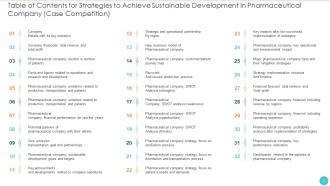
Table of Contents for Strategies to Achieve Sustainable Development in Pharmaceutical Company Case Competition
-
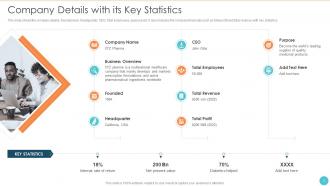
Company Details with its Key Statistics
-
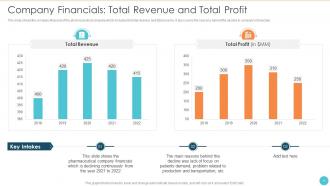
Company Financials Total Revenue and Total Profit
-
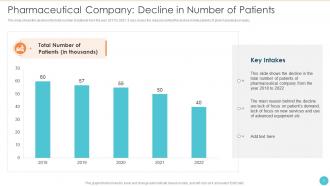
Pharmaceutical Company Decline in Number of Patients
-
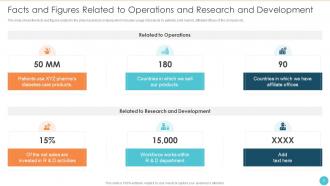
Facts and Figures Related to Operations and Research and Development
-
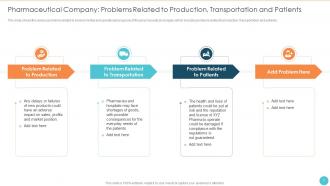
Pharmaceutical Company Problems Related to Production Transportation and Patients
-
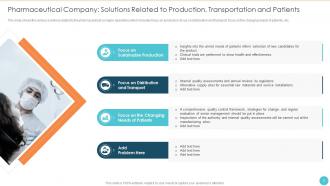
Pharmaceutical Company Solutions Related to Production Transportation and Patients
-
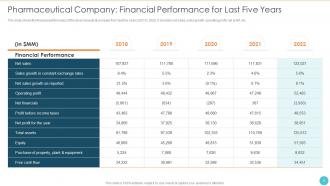
Pharmaceutical Company Financial Performance for Last Five Years
-
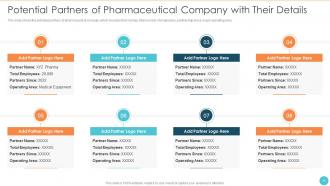
Potential Partners of Pharmaceutical Company with Their Details
-
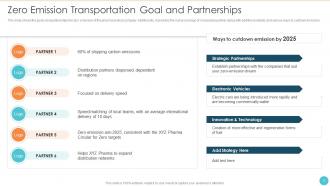
Zero Emission Transportation Goal and Partnerships
-
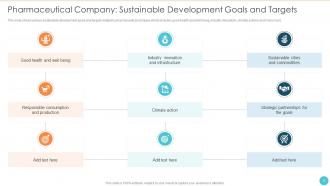
Pharmaceutical Company Sustainable Development Goals and Targets
-
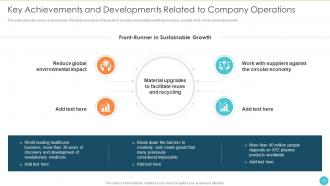
Key Achievements and Developments Related to Company Operations
-
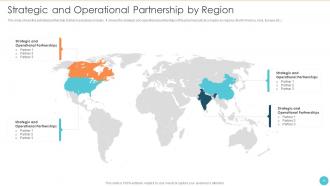
Strategic and Operational Partnership by Region
-
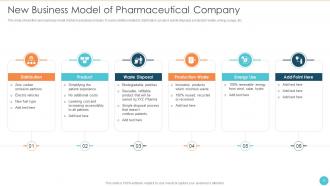
New Business Model of Pharmaceutical Company
-
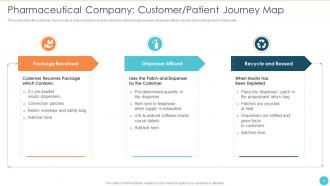
Pharmaceutical Company Customer Patient Journey Map
-
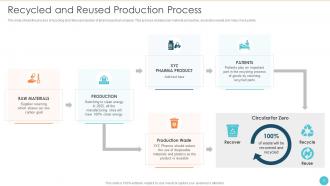
Recycled and Reused Production Process
-
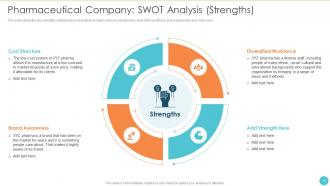
Pharmaceutical Company SWOT Analysis Strengths
-
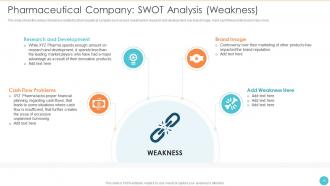
Pharmaceutical Company SWOT Analysis Weakness
-
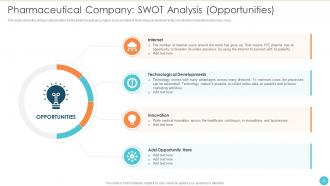
Pharmaceutical Company SWOT Analysis Opportunities
-
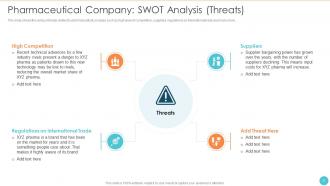
Pharmaceutical Company SWOT Analysis Threats
-
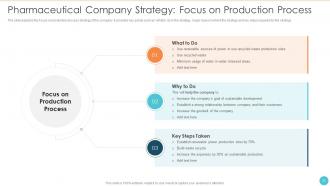
Pharmaceutical Company Strategy Focus on Production Process
-
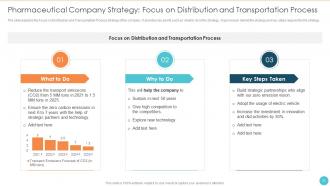
Pharmaceutical Company Strategy Focus on Distribution and Transportation Process
-
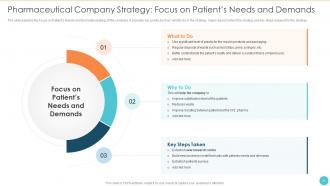
Pharmaceutical Company Strategy Focus on Patient s Needs and Demands
-
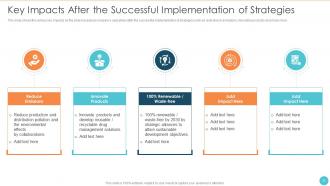
Key Impacts After Successful Implementation of Strategies
-
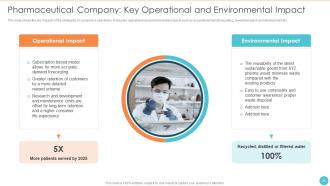
Pharmaceutical Company Key Operational and Environmental Impact
-
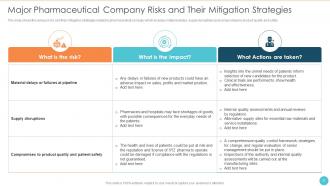
Major Pharmaceutical Company Risks and Their Mitigation Strategies
-
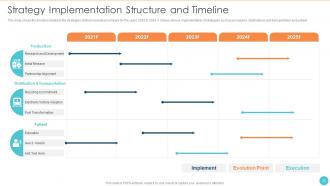
Strategy Implementation Structure and Timeline
-
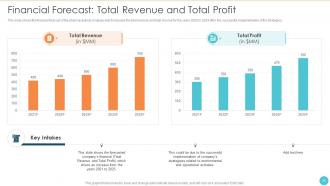
Financial Forecast Total Revenue and Total Profit
-
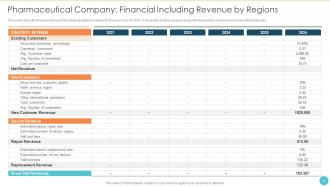
Pharmaceutical Company Financial Including Revenue by Regions
-
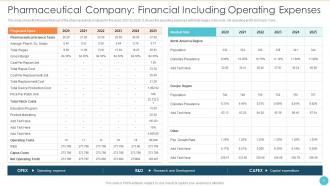
Pharmaceutical Company Financial Including Operating Expenses
-
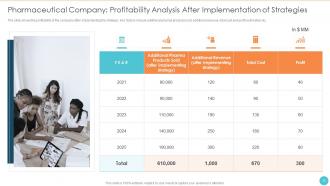
Pharmaceutical Company Profitability Analysis After Implementation of Strategies
-
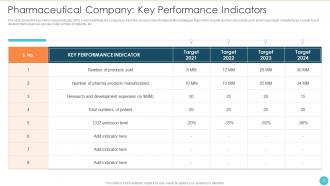
Pharmaceutical Company Key Performance Indicators
-
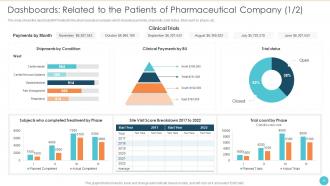
Dashboards Related to the Patients of Pharmaceutical Company 1 2
-
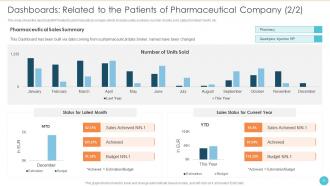
Dashboards Related to the Patients of Pharmaceutical Company 2 2
-
Icons Slide for Strategies to Achieve Sustainable Development in Pharmaceutical Company Case Competition
-

Additional Slides
-

About Us
-
Post it Notes
-
Puzzle
-
Timeline
-
Our Target
-
30 60 90 Days Plan
-
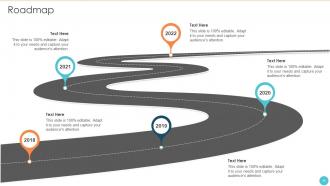
Roadmap
-

Thanks for Watching
-

-

-

-

-

FAQs for Strategies To Achieve Sustainable Development In Pharmaceutical Company Case
Key principles include environmental stewardship through green chemistry and waste reduction, ethical sourcing of raw materials, energy-efficient manufacturing processes, and responsible product lifecycle management. These principles enable pharmaceutical companies to minimize their carbon footprint, reduce operational costs, and enhance regulatory compliance, with many organizations finding that sustainable practices ultimately deliver competitive advantage while meeting increasingly stringent environmental standards.
Pharmaceutical companies integrate sustainability into supply chains through green procurement practices, renewable energy adoption, waste reduction initiatives, and ethical sourcing protocols. These strategies streamline operations by minimizing environmental impact, reducing regulatory compliance costs, and enhancing brand reputation, with many organizations finding that sustainable supply chains ultimately deliver competitive advantages and improved stakeholder relationships.
Regulatory compliance drives pharmaceutical sustainability by mandating environmental impact assessments, waste reduction protocols, and green manufacturing standards across development and production processes. These requirements enable companies to minimize carbon footprints, reduce chemical waste, and adopt cleaner technologies, with many pharmaceutical organizations finding that compliance-driven sustainability initiatives ultimately deliver cost savings and enhanced market competitiveness.
Drug manufacturers reduce their carbon footprint through energy-efficient equipment upgrades, renewable energy adoption, waste stream optimization, and sustainable raw material sourcing. These strategies enable companies to minimize emissions by streamlining manufacturing processes, implementing circular economy principles, and leveraging green chemistry innovations, with many pharmaceutical organizations finding that sustainable practices ultimately deliver significant cost reductions while enhancing competitive advantage.
**INPUT**: What innovative technologies are transforming sustainability practices in the pharmaceutical sector? **OUTPUT**: Innovative technologies transforming pharmaceutical sustainability include green chemistry platforms, continuous manufacturing systems, AI-driven waste reduction algorithms, renewable energy integration, and biodegradable packaging solutions. These technologies streamline operations by minimizing chemical waste, reducing energy consumption, and optimizing resource allocation, with many pharmaceutical companies finding that sustainable practices ultimately deliver significant cost reductions while enhancing their competitive advantage. [Word count: 59 words]
The pharmaceutical industry can promote environmentally friendly packaging through biodegradable materials, reduced plastic usage, recyclable components, sustainable labeling systems, and innovative delivery mechanisms that minimize waste. These approaches streamline environmental compliance while maintaining product integrity, with many healthcare organizations finding that sustainable packaging reduces operational costs, enhances brand reputation, and delivers competitive advantage in increasingly eco-conscious markets.
Pharmaceutical companies face regulatory compliance complexities, high implementation costs for green technologies, supply chain transformation requirements, and balancing sustainability with drug affordability. While these challenges present significant operational hurdles, many organizations find that strategic sustainability investments ultimately deliver cost reductions, enhanced brand reputation, and competitive advantages in an increasingly environmentally-conscious healthcare landscape.
CSR initiatives enhance pharmaceutical sustainability through ethical sourcing, environmental stewardship, community health programs, transparent reporting, and stakeholder engagement across global operations. These strategic approaches streamline regulatory compliance, reduce operational costs, and strengthen brand reputation, with many pharmaceutical companies finding that comprehensive CSR frameworks ultimately deliver competitive advantage while addressing pressing healthcare access challenges in underserved markets.
Data analytics supports sustainable pharmaceutical decision-making by optimizing resource allocation, predicting demand patterns, and minimizing waste throughout production cycles. Through predictive modeling and real-time monitoring, pharmaceutical companies streamline manufacturing processes, reduce energy consumption, and enhance supply chain efficiency, with many organizations finding that data-driven insights ultimately deliver significant cost reductions while advancing their environmental sustainability goals.
Collaborations between pharmaceutical companies, regulatory agencies, academic institutions, environmental organizations, and healthcare providers can drive sustainable development through shared research initiatives, standardized green manufacturing protocols, and coordinated waste reduction programs. These strategic partnerships enable accelerated development of eco-friendly drug formulations, streamlined regulatory pathways for sustainable practices, and comprehensive supply chain optimization, with many pharmaceutical organizations finding that collaborative approaches significantly reduce environmental impact while maintaining competitive advantage.
Sustainable R&D transforms pharmaceutical pipelines by integrating green chemistry principles, reducing environmental impact during compound synthesis, and prioritizing resource-efficient development processes that minimize waste and energy consumption. This approach enables companies to accelerate regulatory approvals, reduce manufacturing costs, and enhance market competitiveness, while many pharmaceutical organizations finding that sustainable practices ultimately deliver faster time-to-market and improved stakeholder confidence.
Eco-labeling for pharmaceuticals delivers enhanced brand reputation, improved regulatory compliance, increased consumer trust, competitive market differentiation, and streamlined sustainability reporting. Through transparent environmental disclosure, pharmaceutical companies enable healthcare providers and patients to make informed purchasing decisions while reducing environmental impact, ultimately achieving cost savings and stronger stakeholder relationships in an increasingly sustainability-focused healthcare landscape.
Pharmaceuticals balance cost-effectiveness with sustainable practices through strategic resource optimization, circular economy principles, and long-term operational planning that reduces waste while controlling expenses. By implementing green manufacturing processes, sustainable supply chain management, and energy-efficient production methods, companies like GSK and Novartis achieve significant cost reductions, enhanced regulatory compliance, and competitive market positioning, ultimately delivering improved profitability alongside environmental responsibility.
Small and medium-sized pharmaceutical companies can adopt sustainability practices including energy-efficient manufacturing processes, waste reduction programs, green chemistry approaches, sustainable packaging solutions, and responsible supply chain management. These strategies enable organizations to reduce operational costs, enhance regulatory compliance, and improve market positioning, with many companies finding that sustainable practices ultimately deliver competitive advantages while meeting increasingly stringent environmental standards.
Key metrics include carbon footprint reduction, waste minimization rates, water usage efficiency, renewable energy adoption, and sustainable packaging percentages across manufacturing operations. These measurements enable pharmaceutical companies to track environmental impact while monitoring cost savings, regulatory compliance, and brand reputation enhancement, with many organizations finding that comprehensive sustainability reporting ultimately delivers competitive advantage and stakeholder trust.
-
You know what? I'm so glad I opted for this PPT design. It has been a total game-changer for me and my presentations. Thank you!
-
Top Quality presentations that are easily editable.