

Surgical Site Infection After Craniotomy PPT Designs ACP





Try Before you Buy Download Free Sample Product
 Impress Your
Audience
 100%
Editable
 Save Hours
of Time


Step up your game with our enchanting Surgical Site Infection After Craniotomy PPT Designs ACP deck, guaranteed to leave a lasting impression on your audience. Crafted with a perfect balance of simplicity, and innovation, our deck empowers you to alter it to your specific needs. You can also change the color theme of the slide to mold it to your companys specific needs. Save time with our ready-made design, compatible with Microsoft versions and Google Slides. Additionally, its available for download in various formats including JPG, JPEG, and PNG. Outshine your competitors with our fully editable and customized deck.
People who downloaded this PowerPoint presentation also viewed the following :
Surgical Site Infection After Craniotomy PPT Designs ACP with all 37 slides:
Use our Surgical Site Infection After Craniotomy PPT Designs ACP to effectively help you save your valuable time. They are readymade to fit into any presentation structure.

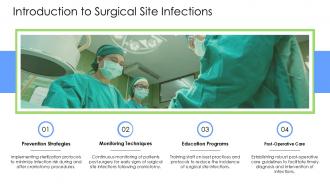


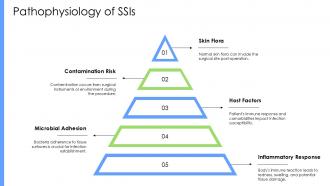

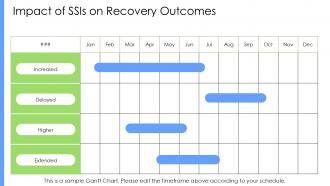










FAQs for Surgical Site Infection After Craniotomy
The most common SSI pathogens include Staphylococcus aureus, coagulase-negative staphylococci, Enterococcus species, Escherichia coli, and Pseudomonas aeruginosa. These pathogens vary by surgical procedure and patient factors, with orthopedic surgeries typically seeing more gram-positive bacteria while abdominal procedures encounter more gram-negative organisms, ultimately requiring targeted antibiotic protocols and enhanced surveillance systems.
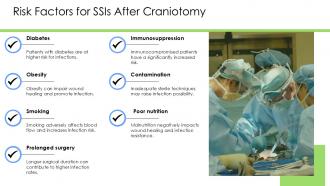
Risk factors for developing SSIs include patient comorbidities like diabetes and obesity, surgical factors such as prolonged procedures and contaminated wounds, and environmental elements including inadequate sterilization and poor ventilation. These factors compound in healthcare settings, with many hospitals finding that comprehensive infection control protocols, preoperative optimization, and enhanced surgical techniques significantly reduce SSI rates while improving patient outcomes.
Preoperative screening and preparation reduce SSI incidence by identifying high-risk patients, optimizing medical conditions like diabetes or malnutrition, and implementing targeted prophylactic measures. These comprehensive protocols enable surgical teams to address infection risk factors before procedures, ultimately delivering improved patient outcomes, reduced hospital readmissions, and lower healthcare costs across medical institutions.
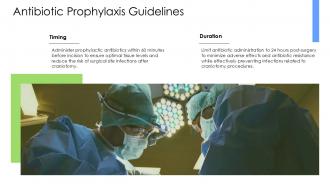
Antibiotic prophylaxis significantly reduces surgical site infection risk by delivering targeted antimicrobial protection during the critical perioperative window, typically administered 30-60 minutes before incision. This strategic approach prevents bacterial colonization at surgical sites, with many hospitals finding that proper prophylactic protocols reduce infection rates by 40-60%, ultimately delivering faster patient recovery, reduced readmissions, and lower healthcare costs.
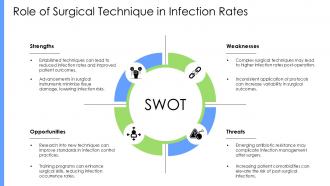
Surgical techniques significantly influence SSI rates through meticulous tissue handling, minimizing operative time, maintaining hemostasis, and ensuring proper wound closure techniques. Advanced approaches like minimally invasive procedures, antibiotic prophylaxis protocols, and sterile field maintenance reduce infection risk by 30-50%, with many hospitals finding that standardized surgical practices, combined with enhanced recovery protocols, ultimately deliver improved patient outcomes and reduced healthcare costs.
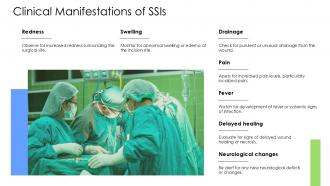
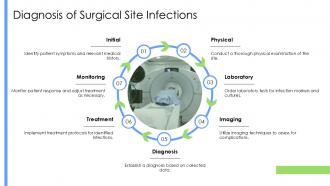
Signs and symptoms of surgical site infection include redness and swelling around the incision, increased pain or tenderness, warmth at the surgical site, purulent discharge, and fever. These indicators enable healthcare teams to identify infections early through systematic monitoring, prompt diagnostic protocols, and structured assessment procedures, ultimately delivering faster treatment interventions and improved patient outcomes across surgical departments.
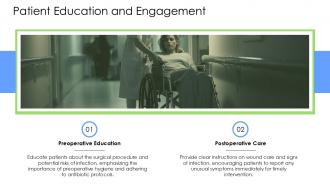
Healthcare providers can effectively educate patients about SSI prevention through comprehensive preoperative consultations, visual aids explaining infection risks, detailed post-operative care instructions, and follow-up communication protocols. These educational approaches enhance patient compliance by demonstrating proper wound care techniques, antibiotic adherence, and warning signs recognition, ultimately reducing infection rates while improving surgical outcomes and patient satisfaction across healthcare institutions.
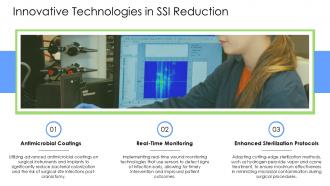
Innovations include antimicrobial surgical meshes, real-time air filtration systems, UV-C disinfection robots, smart wound monitoring sensors, and AI-powered infection prediction algorithms. These technologies enhance sterile environments by eliminating airborne pathogens, detecting early infection markers, and automating sterilization protocols, with many hospitals finding significantly reduced infection rates and improved patient outcomes.
Surgery timing significantly impacts SSI rates, with elective procedures during optimal patient health yielding lower infection rates compared to emergency operations when patients are compromised. Through strategic scheduling, hospitals can optimize patient conditions by managing diabetes, nutritional status, and immunosuppression beforehand, ultimately reducing complications by 30-40% and enhancing surgical outcomes across specialties.
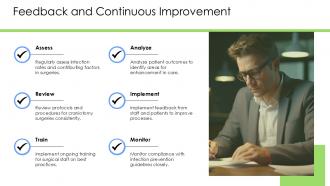
Post-operative wound care guidelines include maintaining sterile dressing changes, monitoring for infection signs, ensuring proper hand hygiene, keeping wounds clean and dry, and following prescribed antibiotic protocols. These practices streamline recovery by reducing complications, minimizing hospital readmissions, and enhancing patient outcomes, with many healthcare facilities finding that standardized protocols ultimately deliver faster healing and improved surgical success rates.
**INPUT**: How does the length of hospital stay correlate with the risk of developing an SSI? **OUTPUT**: Extended hospital stays significantly increase SSI risk through prolonged exposure to healthcare-associated pathogens, compromised immune responses, and increased opportunities for bacterial colonization. Healthcare facilities are increasingly implementing enhanced discharge protocols, targeted infection prevention measures, and patient monitoring systems, with many hospitals finding that streamlined care pathways reduce both length of stay and infection rates, ultimately delivering improved patient outcomes. [Word count: 60 words]
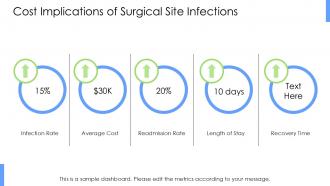
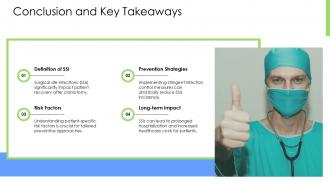
Surgical site infections significantly increase healthcare costs through extended hospital stays, additional treatments, and readmissions, while severely impacting patient outcomes via delayed recovery, increased mortality risk, and long-term complications. Healthcare systems experience cost increases of $10,000-25,000 per infection case, with patients facing prolonged pain, reduced quality of life, and potential permanent disability, ultimately straining both institutional resources and patient wellbeing.
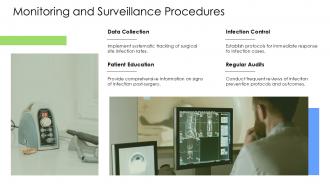
Data analytics and surveillance systems help track and reduce SSIs by monitoring infection patterns, identifying high-risk procedures, and analyzing patient outcomes in real-time. Through predictive modeling and automated reporting, hospitals can implement targeted interventions, optimize surgical protocols, and enhance antibiotic stewardship, ultimately delivering lower infection rates and improved patient safety across their surgical departments.
Ethical considerations include comprehensive risk disclosure, ensuring patient understanding of SSI probabilities, respecting autonomy in treatment decisions, maintaining transparency about prevention measures, and balancing hope with realistic expectations. Healthcare institutions increasingly find that detailed consent processes, coupled with clear communication about surgical protocols and post-operative care requirements, ultimately enhance patient trust and treatment outcomes.
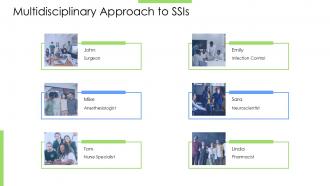
Interdisciplinary collaboration improves SSI outcomes by integrating surgical, nursing, pharmacy, and infection control expertise throughout patient care, ensuring comprehensive wound monitoring, optimized antibiotic protocols, and coordinated discharge planning. Through shared decision-making platforms, healthcare teams streamline communication, reduce treatment delays, and enhance patient education compliance, with many hospitals finding that collaborative protocols significantly decrease readmission rates while improving recovery times.
-
Amazing product with appealing content and design.
-
I am so thankful for all of the templates I've found on your site. They have saved me hours every week and helped make my presentations come alive. Keep up with these amazing product releases!