


Technology Platform Powerpoint Ppt Template Bundles




Try Before you Buy Download Free Sample Product
 Impress Your
 Audience
 100%
100% Editable
 Save Hours
 of Time


Our Technology Platform Powerpoint Ppt Template Bundles are topically designed to provide an attractive backdrop to any subject. Use them to look like a presentation pro.
People who downloaded this PowerPoint presentation also viewed the following :
Technology Platform Powerpoint Ppt Template Bundles with all 25 slides:
Use our Technology Platform Powerpoint Ppt Template Bundles to effectively help you save your valuable time. They are readymade to fit into any presentation structure.







FAQs for Technology Platform Powerpoint
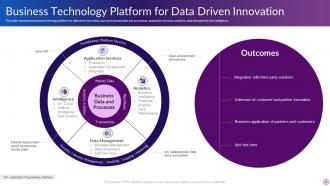
Successful technology platforms include scalability, interoperability, robust APIs, security frameworks, and user-friendly interfaces. These features streamline operations by enabling seamless integration across systems, facilitating third-party development, and supporting business growth, with many organizations finding that well-designed platforms ultimately deliver enhanced efficiency and competitive advantage.
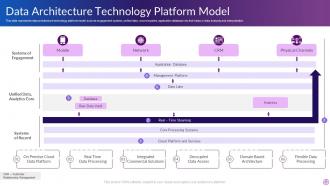
Technology platforms facilitate interoperability by providing standardized APIs, shared data formats, integration protocols, and middleware solutions that enable seamless communication between disparate applications. Through cloud-based integration hubs and microservices architectures, organizations streamline data exchange, reduce system silos, and enhance operational efficiency, with many enterprises finding that unified platforms significantly accelerate digital transformation initiatives.
APIs serve as the foundational connectors that enable technology platforms to integrate with third-party services, share data seamlessly, and expand functionality through external partnerships. Through strategic API implementation, organizations streamline development processes, accelerate innovation cycles, and create comprehensive ecosystems, with many businesses finding that robust API strategies ultimately deliver enhanced scalability and competitive market positioning.
Businesses leverage technology platforms to enhance scalability by automating processes, integrating systems, and centralizing data management across operations. These platforms enable organizations to handle increased workloads without proportional resource increases, with companies in retail, healthcare, and financial services finding that cloud-based infrastructure delivers cost efficiency, seamless expansion capabilities, and improved operational agility.
Organizations face challenges including legacy system compatibility, data migration complexities, employee training requirements, security vulnerabilities, and budget constraints when integrating new technology platforms. While these hurdles can slow implementation, many companies find that strategic planning, phased rollouts, and comprehensive change management ultimately deliver enhanced operational efficiency, streamlined workflows, and competitive advantage in increasingly digital markets.
User experience and design significantly impact technology platform adoption by determining ease of navigation, learning curve reduction, and overall user satisfaction. Intuitive interfaces with streamlined workflows enhance employee productivity and minimize training costs, while poor design creates resistance and low engagement rates, with many organizations finding that platforms featuring clean dashboards and responsive design achieve faster implementation and higher user acceptance across departments.
Data analytics enhances technology platforms by enabling personalized user experiences, optimizing system performance, predicting maintenance needs, identifying usage patterns, and automating resource allocation. Through real-time insights and predictive modeling, organizations across retail, healthcare, and financial services streamline operations, reduce downtime, and deliver faster services, ultimately gaining competitive advantage.
Technology platforms support collaboration and communication through integrated messaging systems, shared workspaces, real-time document editing, video conferencing tools, and project management dashboards. These solutions streamline workflows by centralizing team interactions, enabling seamless file sharing, and providing transparent progress tracking, with organizations across sectors like consulting, healthcare, and manufacturing finding enhanced productivity and faster project delivery.
Essential security measures for technology platforms include multi-factor authentication, end-to-end encryption, regular security audits, access controls, and real-time threat monitoring. These protective layers work together to safeguard sensitive data and maintain operational integrity, with financial institutions and healthcare organizations finding that comprehensive security frameworks ultimately enhance customer trust while minimizing breach risks.
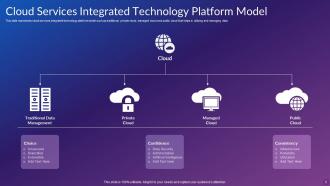
Cloud computing and technology platforms create a symbiotic relationship where cloud infrastructure enables platforms to scale globally, reduce operational costs, and deliver seamless user experiences. Through cloud services, technology platforms enhance accessibility, streamline resource allocation, and accelerate innovation cycles, with many organizations finding that this strategic combination ultimately delivers competitive advantage and operational efficiency.
Open-source technology platforms present both significant cost advantages and strategic considerations for businesses, including reduced licensing fees, enhanced customization capabilities, accelerated innovation cycles, and improved vendor independence. While organizations benefit from community-driven development and transparent security protocols, they must also navigate support complexities and integration challenges, with many enterprises finding that strategic open-source adoption ultimately delivers competitive advantage and operational flexibility.
Technology platforms can be tailored through customizable APIs, industry-specific modules, configurable workflows, flexible data models, and specialized integration capabilities. Banks leverage customized platforms for regulatory compliance and fraud detection, while healthcare organizations utilize tailored solutions for patient management and telemedicine, ultimately delivering enhanced operational efficiency and competitive advantage.
**INPUT**: What metrics should businesses track to evaluate the success of their technology platform? **OUTPUT**: Key metrics include system uptime, user adoption rates, performance speed, integration efficiency, and cost per transaction. These measurements enable organizations to assess operational effectiveness, identify optimization opportunities, and demonstrate ROI, with many enterprises finding that tracking customer satisfaction scores alongside technical performance delivers comprehensive insights into platform success and competitive positioning. **Word count: 54 words**
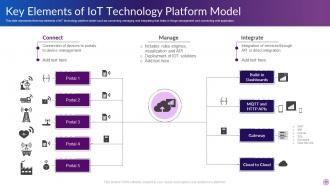
Emerging technologies like AI and IoT fundamentally transform existing platforms by enabling predictive analytics, real-time data processing, automated decision-making, and seamless device connectivity. These integrations streamline operations across manufacturing, healthcare, and retail sectors, with many organizations finding that strategic combinations deliver enhanced operational efficiency, reduced costs, and ultimately competitive advantage in increasingly data-driven markets.
Organizations should watch for AI-driven automation, cloud-native architectures, low-code development platforms, edge computing capabilities, and enhanced cybersecurity frameworks when investing in technology platforms. These trends enable businesses to streamline operations, accelerate digital transformation, and reduce development costs, with many enterprises finding that early adoption delivers significant competitive advantages in an increasingly digital marketplace.
-
“I've always gotten excellent slides from them and the customer service is up to the mark.”
-
Love the template collection they have! I have prepared for my meetings much faster without worrying about designing a whole presentation from scratch.