

Test And Learn Powerpoint PPT Template Bundles





Try Before you Buy Download Free Sample Product
 Impress Your
Audience
 100%
Editable
 Save Hours
of Time


Our Test And Learn Powerpoint PPT Template Bundles are topically designed to provide an attractive backdrop to any subject. Use them to look like a presentation pro.
People who downloaded this PowerPoint presentation also viewed the following :
Test And Learn Powerpoint PPT Template Bundles with all 16 slides:
Use our Test And Learn Powerpoint PPT Template Bundles to effectively help you save your valuable time. They are readymade to fit into any presentation structure.


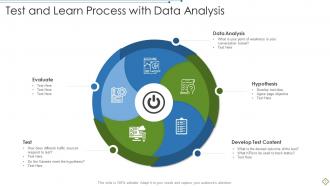
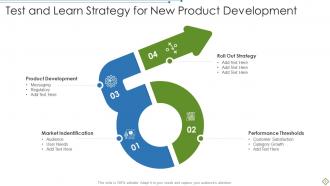

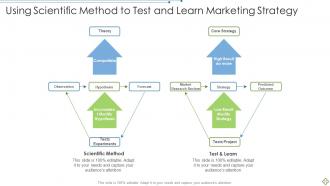






FAQs for Test And Learn Powerpoint
Honestly, just figure out what you're actually trying to test first - sounds obvious but you'd be surprised. Set up a control group vs test group, then here's the hard part: don't get impatient and cut it short! I've watched so many people do this and totally screw themselves over. Let it run long enough to actually mean something. After that, look at your data honestly (even when it sucks). Either go with what worked or tweak based on what didn't. The whole thing only works if you keep doing it regularly though.
First thing - figure out what you're actually trying to measure before you start. Conversion rates, engagement, revenue, whatever makes sense for your situation. Then track it consistently, not just when you remember to check. Honestly, I've watched so many teams get pumped about testing and then completely wing the measurement part. Use proper A/B testing tools and set up dashboards. Oh, and don't forget to loop in your stakeholders for feedback - they'll have opinions anyway. Document everything though. You'll thank yourself later when you're trying to remember what actually worked.
Honestly, the worst thing you can do is test a million changes at once without any real plan - you'll just get garbage data that tells you nothing. Companies love doing this lol. Don't skip analyzing WHY something worked before you scale it up. I've seen teams rush to implement winning tests without understanding the actual reason, then act shocked when it flops later. Test stuff that actually matters, not just random button colors. Give tests enough time to get real results. Oh and write everything down! Your team will thank you when they're not running the same pointless experiments again in six months.
Honestly, Test and Learn is just running mini experiments before you commit to anything big. You pick one thing to test - maybe your audience or messaging - then see what actually works instead of guessing. Way better than A/B testing because you can experiment with pretty much anything. The whole point is catching failures early before they drain your budget (learned that one the hard way). Start with small tests and let the data tell you what to do next. Sounds boring but it's way smarter than throwing money at campaigns and hoping they stick.
Look, data analytics is what actually makes Test and Learn work - without it you're just throwing stuff at the wall. You need the numbers to see your starting point, track how things go during tests, and figure out if results are actually meaningful or just random noise. Analytics show you which versions win and help you understand why (super useful for future tests). The key is defining your success metrics before you start testing - I learned this the hard way when I had to backtrack on a project once. Kill the losers fast, scale the winners. Pretty straightforward once you get the hang of it.
Honestly, the key is making people feel safe to mess up. Celebrate what they learned, not just when things go perfectly. I'd start with tiny experiments where failing won't hurt much - nobody wants to feel like their career's on the line, you know? Always debrief the insights instead of pointing fingers. Teams get weirdly obsessed with the failure part when the real value is what you discovered. Maybe set up regular reviews where everyone shares results - the disasters AND the wins. People will only take risks if they know learning matters more than being right all the time.
Honestly, just go with Optimizely or VWO for real-time testing - Google Optimize works too if you're on a budget. Split your traffic right away and pick your main metric upfront (conversion rate, clicks, whatever). The sample size thing is annoying because you really do need to wait for statistical significance. I get tempted to call winners early all the time, but don't do it! Check your results daily though. Oh, and write everything down - I can't tell you how many times I've forgotten what actually worked in past tests. Trust me on that one.
Make your testing cycles super short - like 2-4 weeks tops. That way when stuff changes (and it always does), you're not stuck. Don't fall in love with your first ideas either... I've watched so many teams drag out tests that clearly aren't working. Set regular check-ins where you can actually kill experiments or pivot hard if needed. Your whole framework should evolve too. Document what you're doing now, then tweak small pieces to see what helps you move faster. The goal is staying nimble when everything shifts under you.
Honestly, just pick your main metric first - whatever you're actually trying to improve. Then grab 1-2 early signals that'll show if things are moving in the right direction. I learned this the hard way, but don't chase shiny metrics that make you feel good but don't mean anything real. Been there! Watch for any weird side effects too. The trick is deciding all this stuff before you start testing, not picking winners after you see results. Keep it simple - 2-3 metrics tops. You can always dig deeper later if something's actually working.
Dude, you gotta set up a sandbox environment first - somewhere you can mess around without nuking your main system. Start with tiny user groups and use feature flags so you can flip stuff on/off quickly. Always have a rollback ready because trust me, things will go sideways at some point. I've watched teams dive headfirst into experiments and completely wreck everything (been there myself honestly). Pick your success metrics beforehand and don't be afraid to axe experiments that aren't working. Your ops people will actually like you if you're careful about this stuff instead of just winging it.
Yeah, so Google and Facebook started this whole thing, but now everyone's doing it. Amazon A/B tests everything, Capital One constantly tests different credit offers. Gaming companies are absolutely nuts about it - makes sense though since they live and die by metrics. Even healthcare and government agencies jumped on board, which honestly surprised me. The ones crushing it all do the same stuff: test small changes one at a time, leadership doesn't freak out when experiments fail. My advice? Focus on getting your team comfortable with testing first. Don't blow your budget on fancy tools until you've got that culture down.
Honestly, customer feedback is like your BS detector for testing - it shows you what's really happening vs what you think is happening. I've watched entire teams spend forever building stuff literally no one asked for (painful to watch). The trick is weaving feedback right into your test phases instead of waiting until everything's done. Quick surveys work great, or just hop on calls with users while you're still experimenting. Short bursts of real input beat months of guessing. Otherwise you end up iterating on your own assumptions, which... yeah, that rarely goes well.
Dude, automation is a total game changer for testing stuff quickly. Set up A/B tests that automatically split your traffic and pause the crappy variants without you babysitting them. Real-time dashboards beat waiting around for reports - though I'll admit I refresh those numbers way too much lol. Machine learning spots patterns faster than doing it manually. Just make sure whatever tools you pick actually talk to each other. Nobody wants data scattered everywhere making you piece things together like some weird puzzle.
So test and learn basically changes depending on what department you're in. Marketing teams do A/B tests on campaigns and messaging - they get results super fast, like within days or weeks. HR takes way longer since they're testing stuff like new hiring processes or benefits programs. Product teams fall somewhere in the middle with feature tests and user experience stuff. Honestly, the timeline is the biggest difference - some things you'll know worked right away, others take months to play out. My advice? Pick one thing to test at a time and make sure you can actually track whether it's working before you start.
First thing - write down everything that made your test work. Like, literally everything: team size, conditions, resources, metrics. Don't go big right away though. Roll it out in phases instead. I've watched so many companies blow this by rushing and totally killing what made the original experiment special. Figure out what's absolutely essential vs what's just fluff, since you'll probably need to tweak things for different situations anyway. Oh and definitely track the same numbers during rollout - catches problems before they get ugly.
-
Awesome presentation, really professional and easy to edit.
-
Their professional templates are very impressive, even my manager was curious about the source. I am very grateful.