


Traceability Process Evaluation Technology Product Manufacturing Growth Business





Try Before you Buy Download Free Sample Product
 Impress Your
 Audience
 100%
100% Editable
 Save Hours
 of Time


Our Traceability Process Evaluation Technology Product Manufacturing Growth Business are topically designed to provide an attractive backdrop to any subject. Use them to look like a presentation pro.
People who downloaded this PowerPoint presentation also viewed the following :
Traceability Process Evaluation Technology Product Manufacturing Growth Business with all 12 slides:
Use our Traceability Process Evaluation Technology Product Manufacturing Growth Business to effectively help you save your valuable time. They are readymade to fit into any presentation structure.




FAQs for Traceability Process Evaluation Technology Product
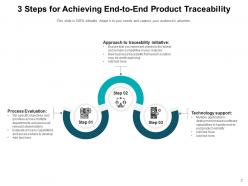
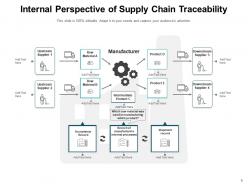
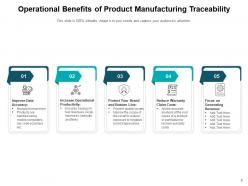
A traceability system in manufacturing comprises raw materials tracking, in-process component monitoring, finished product identification, and comprehensive documentation. These technologies enable manufacturers to pinpoint the origin of materials, monitor production stages, and identify finished goods with precision, ultimately enhancing product quality control, streamlining recalls, and boosting customer confidence.
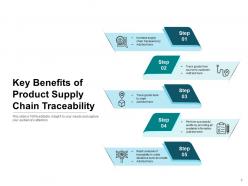
Traceability in manufacturing enhances product quality and safety by providing a complete history of materials and processes throughout the production lifecycle. It enables manufacturers to quickly identify the source of defects or contamination, allowing for targeted corrective actions and preventing widespread recalls, as seen in the food and pharmaceutical industries where ensuring product safety is paramount. This proactive approach minimizes risks, builds consumer trust, and ultimately strengthens brand reputation.
Traceability in manufacturing is enhanced by technologies like RFID, blockchain, GPS tracking, and cloud-based data management systems. These technologies enable real-time tracking of materials and products from origin to delivery, providing transparency and accountability throughout the supply chain. With many manufacturers finding that improved traceability leads to reduced waste, enhanced product safety, and strengthened brand reputation, these solutions are becoming increasingly essential for organizations across industries.
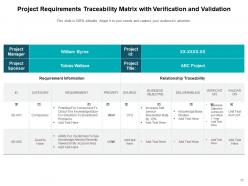
Regulations and standards like ISO 9001 significantly influence traceability practices in manufacturing by mandating robust documentation and tracking systems. These standards require manufacturers to clearly document material flows, production processes, and product information, enabling them to trace components, products, and their history back to their origin. This enhanced traceability not only helps meet regulatory compliance but also facilitates faster issue resolution, reduces product recalls, and strengthens customer trust, ultimately enhancing operational efficiency and brand reputation.
Barcoding and RFID technology play a crucial role in effective traceability by providing a unique identifier for each item throughout the manufacturing process. These technologies enable real-time tracking of products from raw materials to finished goods, allowing manufacturers to monitor inventory levels, identify potential bottlenecks, and quickly pinpoint the source of any issues. Through seamless integration with ERP systems, barcoding and RFID streamline processes, enhance efficiency, and ensure regulatory compliance, ultimately delivering improved product quality and customer satisfaction.
Data analytics empowers manufacturers to enhance traceability by providing real-time visibility into every stage of the production process, from raw materials to finished goods. Through the analysis of sensor data, production logs, and supply chain information, manufacturers can identify bottlenecks, optimize inventory management, and quickly pinpoint the source of any quality issues, ultimately leading to improved product quality, reduced waste, and faster response times to customer inquiries.
Implementing traceability systems in manufacturing presents several challenges, including high initial investment costs, the need for robust data management infrastructure, and the complexity of integrating with existing systems. While these technologies offer significant benefits like improved product safety and reduced recalls, manufacturers often struggle to justify the expense, especially in industries with tight margins. Many companies, however, find that the long-term cost savings and enhanced customer trust outweigh the initial hurdles, ultimately leading to improved operational efficiency and a stronger competitive advantage.
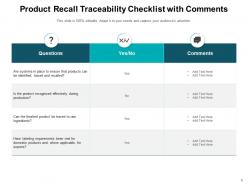
Traceability in manufacturing enables streamlined recall management by providing a clear, real-time view of a product's journey from raw materials to the end consumer. This granular visibility allows manufacturers to quickly identify affected batches, minimize product distribution, and target recalls precisely, significantly reducing costs associated with product removal, investigation, and reputational damage. While recalls can be disruptive, traceability empowers businesses to respond efficiently, minimize financial losses, and ultimately strengthen consumer trust.
Traceability in manufacturing has a significant impact on consumer trust and brand loyalty by providing transparency into product origins, production processes, and quality control measures. This transparency allows consumers to make informed purchasing decisions, knowing that products meet their ethical and sustainability standards, while also fostering a sense of confidence in the brand's commitment to quality and accountability. With many consumers increasingly prioritizing ethical and sustainable consumption, brands that embrace traceability can build stronger relationships and cultivate lasting loyalty.
Traceability in manufacturing takes on different forms depending on the industry's needs. In the food industry, traceability focuses on ensuring product safety and recall management, often utilizing blockchain technology to track ingredients and production processes from farm to table. Conversely, in electronics manufacturing, traceability emphasizes product authenticity and intellectual property protection, employing RFID tags and serial numbers to monitor components throughout the supply chain. These distinct approaches highlight how traceability systems adapt to specific industry challenges, ultimately delivering enhanced safety, security, and efficiency.
Training staff on traceability protocols and technologies involves a multi-faceted approach that combines clear communication, practical demonstrations, and ongoing reinforcement. Best practices include comprehensive onboarding materials covering traceability principles, data management systems, and specific technologies like RFID or barcode scanning. In addition, hands-on workshops simulating real-world scenarios within manufacturing environments help staff understand how to accurately track materials and products, ultimately ensuring compliance and reducing errors, while enhancing product quality and customer confidence.
Traceability in manufacturing enables SMEs to enhance product quality and comply with regulations without hefty investments by leveraging readily available technologies. Through simple barcode systems and cloud-based inventory management software, SMEs can track materials and products throughout the production process, identifying potential bottlenecks and ensuring product safety. Many smaller manufacturers are finding that these cost-effective solutions deliver significant ROI through reduced waste, faster issue resolution, and improved customer confidence.
Future trends in traceability technology, including blockchain and IoT, will focus on real-time visibility, enhanced data security, and seamless integration across the supply chain. These technologies will enable manufacturers to track products from raw materials to finished goods, providing increased transparency and accountability while minimizing risks of fraud and counterfeit products, ultimately leading to improved customer trust and brand reputation.
Traceability in manufacturing significantly impacts sustainability efforts by enabling the tracking of materials and products throughout their lifecycle. This transparency allows manufacturers to identify areas for waste reduction, optimize resource allocation, and ensure ethical sourcing practices, ultimately minimizing environmental impact and promoting circular economy initiatives. With many companies increasingly prioritizing sustainable practices, traceability delivers a competitive advantage by enhancing brand reputation and consumer trust.
Effective traceability in manufacturing offers numerous benefits, including improved quality control, reduced waste, and enhanced supply chain visibility. Case studies from the automotive industry demonstrate how traceability systems can pinpoint defects and expedite recalls, minimizing financial losses and reputational damage. Similarly, food manufacturers have leveraged traceability to quickly identify and isolate contaminated products, safeguarding consumer health and maintaining brand trust. These examples showcase how traceability streamlines operations, mitigates risks, and ultimately enhances customer confidence.
-
Great designs, really helpful.
-
Great product with highly impressive and engaging designs.
-
Excellent template with unique design.
-
I discovered this website through a google search, the services matched my needs perfectly and the pricing was very reasonable. I was thrilled with the product and the customer service. I will definitely use their slides again for my presentations and recommend them to other colleagues.
-
Commendable slides with attractive designs. Extremely pleased with the fact that they are easy to modify. Great work!