


Traditional and administrative decision making model powerpoint presentation with slides




Try Before you Buy Download Free Sample Product
 Impress Your
 Audience
 100%
100% Editable
 Save Hours
 of Time


Want to leave a lasting impression on audience with an example of great PPT about administrative decision making model? No problem! To take your sample of PPT presentation to the next level, we have come up with a pre built traditional and administrative decision making model complete PowerPoint show. Coming to use, then our presentation deck supports to motivate administrative executives for selection of the best alternatives during policy framing process. Hence, by making such a visual communication you can promote culture of prompt decision making among your administrative executives. Furthermore, our PowerPoint slide deck helps to cast spotlight on the policy making process, administrative theories, decision making techniques etc. for better utilization of resources and accomplishment of business goals. Innovative template designs like decision making process, purpose of the decision, evaluate alternatives, contingency plan, analyze results, evaluation of results etc. add a new dimension to this PPT sample file. In short, our readymade PPT example has everything to take your administrative decisions to next level. So, what are you waiting for? Avoid harping on any aspect with our Traditional And Administrative Decision Making Model Complete Powerpoint Deck With Slides. They ensure every angle is covered.
People who downloaded this PowerPoint presentation also viewed the following :
Content of this Powerpoint Presentation
Slide 1: This slide introduces Traditional And Administrative Decision Making Model with relative imagery. State Your Company Name and begin.
Slide 2: This is an Agenda slide. State your agendas here.
Slide 3: This is Our Mission slide. State mission aspects here.
Slide 4: This is Our team slide with names and designation to fill information for.
Slide 5: This is an About us slide. State team/company specifications here.
Slide 6: This slide showcases Decision Making Process. State its prospects, information etc. here.
Slide 7: This slide presents Purpose of the Decision.
Slide 8: This slide presents Identifying the Purpose.
Slide 9: This slide showcases Gather Information.
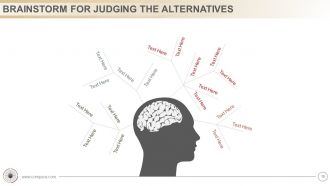
Slide 10: This slide presents Brainstorm For Judging The Alternatives.
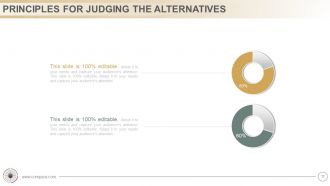
Slide 11: This slide presents Principles For Judging The Alternatives.
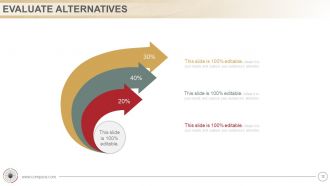
Slide 12: This slide shows Evaluate Alternatives. Present alternatives here.
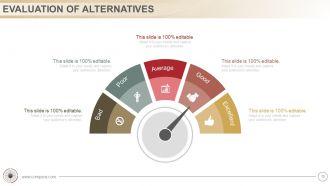
Slide 13: This slide shows Evaluation Of Alternatives. Evaluate alternatives here.
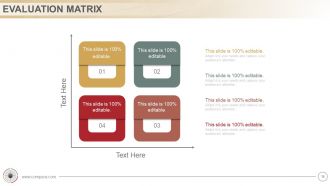
Slide 14: This slide shows Evaluation Matrix. Present relative aspects etc. here.
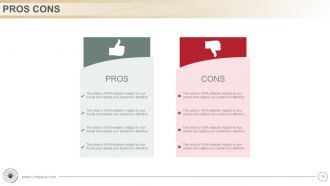
Slide 15: This is a Pros and Cons slide. Showcase advantages, disadvantages etc. here.
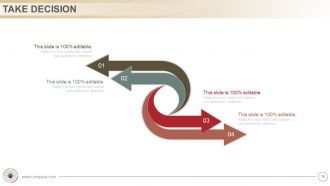
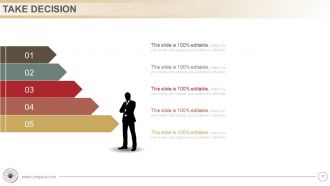
Slide 16: This slide showcases Take Decision.
Slide 17: This slide showcases Take Decision.
Slide 18: This slide shows Arriving At Decision.
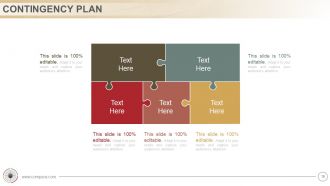
Slide 19: This slide shows a Contingency plan to be made.
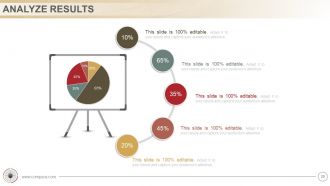
Slide 20: This is Analyze Results slide.
Slide 21: This slide showcases Evaluation of Results.
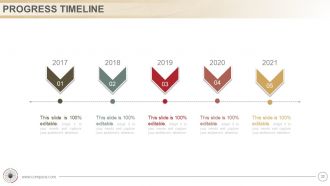
Slide 22: This is a Progress Timeline. Present journey, process, milestones etc. here.
Slide 23: This slide present Business Circle with Icons.
Slide 24: This slide showcases Process adopted, followed.
Slide 25: This slide shows Bulbs for Option representation.
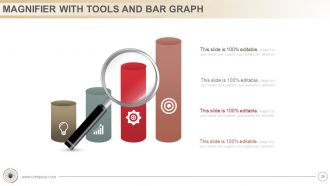
Slide 26: This slide shows Magnifier With Tools and Bar Graph.
Slide 27: This slide showcases Narrowing Down Options in funnel image form.
Slide 28: This slide displays Business Person with Post It Notes.
Slide 29: This is a Newspaper slide to show important information etc. You may alter/modify the slide content as per need.
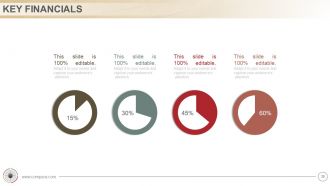
Slide 30: This is Key Financial Score slide. State financial aspects etc. here.
Slide 31: This is a Business Quotes slide. Convey message, beliefs etc. here. You may change the slide content as desired.
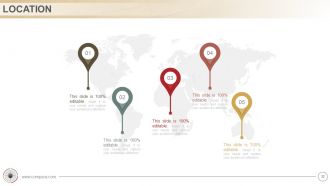
Slide 32: This is a Locations slide of world map top show global marketing, growth, presence etc.
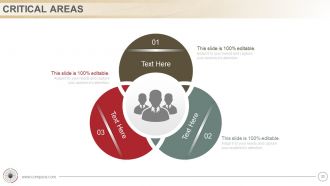
Slide 33: This is Critical Areas in Venn diagram image slide. State information, specifications etc. here.
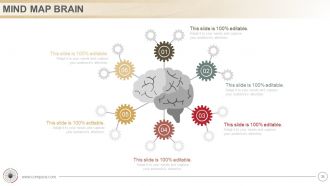
Slide 34: This is a Mind Map Brain image slide to show information, specifications etc.
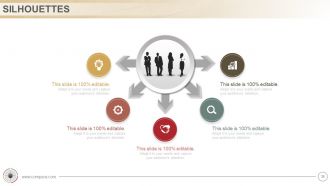
Slide 35: This is a Silhouettes slide to show people related information etc.
Slide 36: This is a Thank You slide for acknowledgement and ending a presentation.
Traditional and administrative decision making model powerpoint presentation with slides with all 36 slides:
Instruct folks on avoiding harm with our Traditional And Administrative Decision Making Model Complete Powerpoint Deck With Slides. Clearly explain how to jog.





FAQs for Traditional and administrative decision making model powerpoint
Okay so there's a few main types you'll run into. Rational decision-making is the classic one - you know, weighing all the pros and cons systematically. Then there's intuitive, which is basically trusting your gut when you've got experience to back it up. Bounded rationality is just making "good enough" choices when you don't have perfect info (which is most of the time, let's be honest). Design thinking's huge right now for creative stuff. Honestly, the best leaders I've seen just mix and match depending on what they're dealing with. For big decisions I'd go rational first, but don't totally ignore that gut feeling either.
You know what? The Rational Model is actually perfect for complex stuff - just break it into chunks. First, nail down what your actual problem is (seriously, this saves so much time later). List out what you need from a good solution, then brainstorm every option you can think of. Even the crazy ones! Score each choice against your must-haves. More complexity just means more criteria to juggle, but that's totally manageable. I'd throw it all in a spreadsheet honestly - keeps my brain from spiraling when there's too much going on. Works way better than trying to hold everything in your head.
Honestly, it depends on what kind of decision-making you're talking about. Some approaches want you to ignore gut feelings and stick to hard data. But then you've got behavioral research - like Kahneman's stuff - showing your intuition's always there whether you acknowledge it or not. There's this model called recognition-primed decision making that's pretty cool. Experienced people actually lean into pattern recognition and gut instincts, especially when they're under pressure. I'd say trust your intuition but back it up with some real thinking when things matter. Don't overthink every little choice though.
Oh man, group dynamics are such a pain but they totally shape how teams decide stuff. You know groupthink, right? Where everyone just nods along to avoid rocking the boat. Then you've got social loafing - people basically check out because they figure someone else will do the work. The loudest person always dominates too (ugh, we all know that guy). Power stuff gets weird - junior people won't speak up even when they have solid ideas, and senior folks accidentally bulldoze discussions. But honestly? Structure helps. Try anonymous input first or switch up who runs meetings.
Honestly, bounded rationality is pretty great because it matches how we actually make decisions - you've got limited time and info, so why pretend otherwise? Sometimes "good enough" beats waiting forever for the perfect choice. But here's the thing - you might miss better options by not digging deeper. Also kinda awkward when someone asks why you picked something and you're like "well, I didn't really check everything else." I'd say use it when you need to decide fast. Perfect for everyday stuff where speed trumps perfection.
Look, scenario planning is basically playing "what if" games before you're forced to. You build 3-4 different futures - maybe the economy tanks, maybe some startup disrupts everything, whatever. Then test your strategy against each one. Honestly, trying to predict the future is pointless anyway. The real win? Your team gets flexible and you spot warning signs early. Don't overthink it - just grab one big decision you're facing and sketch out three ways it could go sideways. You'll be surprised how much it shifts your perspective.
Oh man, our brains are terrible at this stuff! You've got confirmation bias where we just hunt for info that proves we're right. Anchoring bias makes us obsessed with whatever we heard first. Then there's availability bias - basically thinking plane crashes happen constantly because they're on the news all the time, you know? My trick is slowing way down when I'm deciding something big. Find people who'll tell you you're wrong (annoying but helpful). Make those cheesy pros/cons lists - they actually work. The hardest part is catching yourself when you're in rush mode and just... stopping.
Okay so AHP basically makes you compare stuff two at a time instead of trying to weigh everything at once. Like "is Option A or B better for cost?" then you move on. Way less mental overload than those endless pros/cons lists that never actually help lol. Your comparisons get turned into numbers and priority scores. The whole thing gives you a clear ranking that actually matches what matters to you. Honestly, the pairwise thing is genius because you can't overthink it. Next time you're paralyzed between options, try it - having that structure makes your brain work way clearer.
Dude, culture totally changes how people make decisions at work. Americans and Europeans? They want data, fast choices, individual calls. Asian teams usually need group buy-in and care way more about relationships - takes forever but honestly it's probably smarter long-term. Latin American and Middle Eastern folks lean heavy on personal connections and who's in charge. African cultures think about community impact first. My advice? Just ask upfront how they like making decisions. Seriously saves so much headache later when you're not sitting there wondering why everything's moving so slow.
Honestly, tech has completely changed how I make decisions now. You're not just going off hunches anymore - you can actually see patterns in huge amounts of data that would be impossible to catch otherwise. Machine learning gets scary accurate at predicting stuff and showing you options you never would've thought of. Plus you get real-time info instead of working with outdated numbers from weeks ago. I still think there's something to be said for trusting your gut though, since computers can totally miss obvious context clues that make perfect sense to us. It's all about mixing both approaches.
Look, stakeholder analysis basically saves you from making decisions that'll blow up in your face later. You gotta figure out who's affected and who has actual power to kill your idea. Best decision in the world means nothing if you ignored key people - it's like throwing that surprise party without checking if your friend's even in town, right? Map out everyone involved first. What do they each care about? Where might you hit resistance? Honestly, this step feels tedious but it's saved me so many headaches. Don't skip it.
So most decision-making frameworks build ethics in as checkpoints throughout the process, not just at the end. You'll assess outcomes against your values and how they affect stakeholders - way beyond just the money side of things. Some frameworks get crazy complicated with scoring systems, but honestly? A simple gut check works too. I always tell people to add mandatory pause points where you ask "is this right?" instead of only "does this work?" My old boss used to say ethics should be a hard stop before any big decision gets finalized, and he was pretty much spot on about that.
Look, feedback is basically your reality check - shows you what actually went down vs what you thought would happen. I started keeping this super basic decision journal (just what I decided, why, and how it turned out) and wow, the patterns you notice are... enlightening? Like I'm apparently terrible at estimating how long things take. You'll spot your own blind spots too - maybe you always underestimate certain risks or whatever. It's honestly pretty humbling sometimes, but that's how you get better at this stuff. The data helps you adjust for next time.
Honestly, you gotta decide what "success" looks like before you pull the trigger - otherwise you're just making stuff up later. Pick some actual numbers to track, like revenue or whatever makes sense for your situation. Don't forget the softer stuff too though, like whether people are actually happy with the outcome. I'd check in at 30, 90, and 180 days - that rhythm works pretty well for most things. The hardest part? Figuring out if your decision actually caused the results or if other random stuff happened at the same time. Keep notes somewhere so you're not repeating the same mistakes twice.
Honestly, the big difference is who's actually making the decision. Traditional approaches? One person or maybe a small leadership team calls the shots. Collaborative models pull in everyone who'll be affected or has to implement it. Yeah, it's way messier and takes forever. But here's the thing - you avoid that annoying "this won't work because you don't get our day-to-day reality" pushback later. Plus you catch blind spots you'd totally miss otherwise. If it's a complex decision that needs solid execution, map out who should actually be sitting at that table with you. The buy-in is usually worth the extra hassle.
-
Understandable and informative presentation.
-
Understandable and informative presentation.