

Advantages Of Transdisciplinary Team In Special Education PPT Summary ACP





Try Before you Buy Download Free Sample Product
 Impress Your
Audience
 100%
Editable
 Save Hours
of Time


Step up your game with our enchanting Advantages Of Transdisciplinary Team In Special Education PPT Summary ACP deck, guaranteed to leave a lasting impression on your audience. Crafted with a perfect balance of simplicity, and innovation, our deck empowers you to alter it to your specific needs. You can also change the color theme of the slide to mold it to your companys specific needs. Save time with our ready-made design, compatible with Microsoft versions and Google Slides. Additionally, its available for download in various formats including JPG, JPEG, and PNG. Outshine your competitors with our fully editable and customized deck.
People who downloaded this PowerPoint presentation also viewed the following :
Advantages Of Transdisciplinary Team In Special Education PPT Summary ACP with all 42 slides:
Use our Advantages Of Transdisciplinary Team In Special Education PPT Summary ACP to effectively help you save your valuable time. They are readymade to fit into any presentation structure.














FAQs for Advantages Of Transdisciplinary Team In Special Education
Effective transdisciplinary teams in special education are characterized by shared decision-making, role release across disciplines, integrated service delivery, collaborative goal-setting, and unified assessment approaches. These teams enhance student outcomes by eliminating service fragmentation, streamlining communication between families and professionals, and ensuring consistent intervention strategies, with many schools finding that this collaborative model delivers more comprehensive support and accelerated progress for students with diverse learning needs.
Collaboration among diverse professionals enhances special education outcomes by combining specialized expertise, creating comprehensive intervention strategies, and ensuring consistent support across all environments. Through integrated approaches, students receive coordinated services from speech therapists, occupational therapists, psychologists, and educators simultaneously, while families benefit from unified communication and goal-setting, ultimately delivering more effective individualized education plans and measurably improved academic progress.
Transdisciplinary teams address individual learning challenges more effectively by integrating expertise from therapists, educators, psychologists, and specialists into unified intervention strategies, eliminating service fragmentation and communication gaps. This collaborative approach enables real-time strategy adjustments, comprehensive assessment of cognitive and behavioral factors, and coordinated support delivery, ultimately creating more personalized learning experiences and faster progress for students with diverse needs.
Communication serves as the foundation for transdisciplinary team success in special education, enabling seamless information sharing, coordinated intervention strategies, and unified goal setting across disciplines. Effective communication protocols streamline collaboration between therapists, educators, and families, ultimately delivering more comprehensive student support, faster progress tracking, and enhanced educational outcomes, with many schools finding that structured communication frameworks significantly improve IEP implementation.
Transdisciplinary teams ensure optimal expertise utilization by establishing collaborative assessment protocols, implementing shared decision-making frameworks, and creating integrated service delivery models where specialists contribute simultaneously rather than sequentially. Through structured team meetings and unified documentation systems, educators, therapists, and support specialists collaboratively develop comprehensive IEPs that address academic, behavioral, and developmental needs, ultimately delivering more cohesive and effective individualized programming.
Effective conflict resolution strategies include establishing clear communication protocols, implementing structured problem-solving frameworks, conducting regular team debriefings, and creating shared decision-making processes that prioritize student outcomes. These approaches enable teams to address disagreements constructively while maintaining focus on individualized education plans, with many special education programs finding that collaborative conflict resolution ultimately strengthens team cohesion and improves student support services.
Transdisciplinary teams contribute to holistic understanding by integrating diverse professional perspectives, sharing expertise across disciplines, conducting collaborative assessments, and developing unified intervention strategies that address cognitive, physical, social, and emotional dimensions simultaneously. Through this strategic combination of knowledge from educators, therapists, psychologists, and medical professionals, schools can deliver more comprehensive support services, minimize fragmented approaches, and ultimately enhance individualized learning outcomes for students with special needs.
Transdisciplinary teams face challenges including communication barriers, conflicting perspectives on interventions, scheduling coordination across multiple professionals, and varying levels of family engagement in collaborative processes. These obstacles can be overcome through structured family meetings, shared digital platforms for seamless communication, cultural competency training for team members, and flexible service delivery models that accommodate family schedules, ultimately enhancing trust and delivering more cohesive support for children's developmental needs.
Involving parents and caregivers in transdisciplinary team meetings enhances communication, ensures home-school consistency, provides crucial insights into student behavior patterns, and increases intervention effectiveness. This collaborative approach streamlines goal alignment across environments, with many educational institutions finding that parental engagement ultimately delivers improved student outcomes and stronger support networks.
Transdisciplinary teams adapt to diverse cultural backgrounds by incorporating culturally responsive assessment tools, collaborating with community leaders and families, and integrating culturally relevant teaching methods into individualized education plans. Through partnerships with cultural liaisons, these teams enhance communication across language barriers, respect traditional healing practices, and develop interventions that honor students' cultural identities, ultimately delivering more effective educational outcomes.
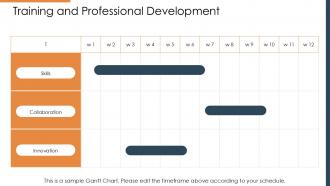
Educators need training in collaborative communication, shared decision-making protocols, cross-disciplinary terminology, and role flexibility to effectively participate in transdisciplinary teams. Professional development programs should emphasize active listening, conflict resolution, and understanding diverse therapeutic approaches, with many special education programs finding that ongoing workshops in team dynamics and integrated service delivery ultimately enhance student outcomes and streamline intervention strategies.
Technology facilitates collaboration within transdisciplinary teams in special education through cloud-based platforms, real-time communication tools, digital documentation systems, and integrated assessment applications. These solutions streamline information sharing between therapists, educators, and specialists, while enabling coordinated intervention tracking and family engagement, ultimately delivering more cohesive student support and improved educational outcomes.
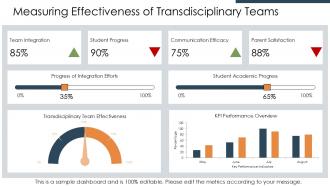
Effectiveness metrics include student progress data, IEP goal attainment rates, family satisfaction surveys, team collaboration assessments, and standardized achievement measures. These evaluation methods enable schools to track academic improvements, social skill development, and behavioral outcomes while measuring team communication efficiency, ultimately delivering enhanced educational experiences and demonstrating measurable student success across multiple developmental domains.
Transdisciplinary teams handle legal and ethical considerations by ensuring collaborative compliance with IDEA regulations, maintaining comprehensive documentation standards, and establishing unified consent protocols across all disciplines. Through integrated case management systems, teams in school districts and rehabilitation centers streamline IEP development, coordinate family communication, and maintain confidentiality standards, while ultimately delivering consistent legal adherence and ethical transparency.
Success stories include autism spectrum students achieving significant communication breakthroughs through integrated speech-language pathology and behavioral interventions, children with cerebral palsy gaining mobility independence via coordinated physical therapy and assistive technology programs, and students with intellectual disabilities developing vocational skills through collaborative academic-therapeutic approaches. These transdisciplinary models streamline service delivery, enhance family engagement, and accelerate student progress, with many school districts finding that coordinated teams reduce therapy wait times while delivering more comprehensive, individualized outcomes.
-
Great combination of visuals and information. Glad I purchased your subscription.
-
The presentations are very helpful. I am always able to get appropriate templates for the different topics related to my profession.