

Understanding Bioconcentration Impact On Ecosystems PPT Slides ST AI





Try Before you Buy Download Free Sample Product
 Impress Your
Audience
 100%
Editable
 Save Hours
of Time


Explore the intricate relationship between bioconcentration and ecosystem health with our comprehensive PowerPoint presentation. This deck offers insightful slides that delve into the mechanisms, effects, and implications of bioconcentration on various ecosystems, making it an essential resource for environmental professionals and educators alike.
People who downloaded this PowerPoint presentation also viewed the following :
Understanding Bioconcentration Impact On Ecosystems PPT Slides ST AI with all 40 slides:
Use our Understanding Bioconcentration Impact On Ecosystems PPT Slides ST AI to effectively help you save your valuable time. They are readymade to fit into any presentation structure.


















FAQs for Understanding Bioconcentration Impact On Ecosystems PPT
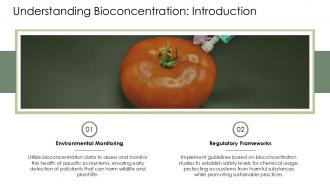
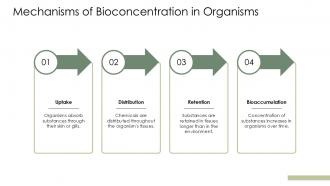
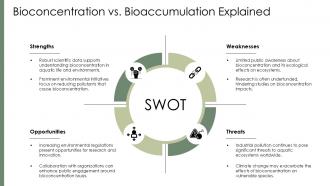
Bioconcentration is the direct uptake and accumulation of chemicals from environmental media into organisms, typically through respiratory or dermal absorption rather than dietary sources. Unlike biomagnification, which involves increasing concentrations through food chains, bioconcentration presents both environmental monitoring challenges and opportunities for industries like pharmaceuticals, agriculture, and environmental consulting to develop strategic assessment protocols, ultimately delivering enhanced regulatory compliance and risk management capabilities.
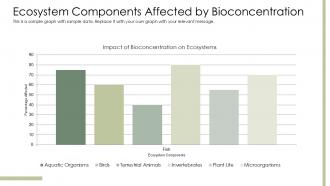
Aquatic organisms, particularly fish, shellfish, and marine mammals, are most commonly affected by bioconcentration, along with predatory species at higher trophic levels like birds of prey and large carnivorous fish. These organisms accumulate lipophilic contaminants through continuous exposure to contaminated water or prey, with many ecosystems finding that apex predators face the highest contamination levels, ultimately threatening biodiversity and food chain stability.
Pollutants accumulate differently through bioaccumulation in water versus soil absorption and plant uptake in terrestrial systems, with aquatic environments showing faster concentration through food chains. Marine ecosystems experience rapid bioconcentration as toxins move from plankton to fish to predators, while terrestrial accumulation occurs more gradually through soil contamination and plant absorption, ultimately affecting agricultural productivity and food safety across both environments.
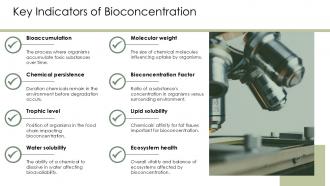
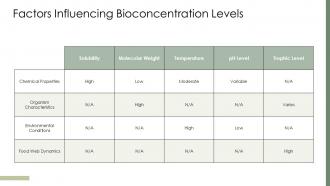
Lipid solubility and chemical properties determine how readily substances accumulate in organisms, with lipophilic compounds easily crossing cell membranes and concentrating in fatty tissues. These characteristics enable chemicals to bioaccumulate through food chains, particularly affecting aquatic ecosystems and wildlife populations, while helping environmental scientists predict contamination patterns and develop targeted remediation strategies for sustainable ecosystem management.
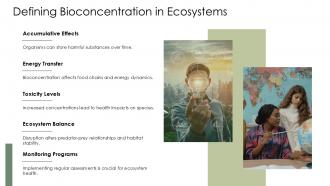
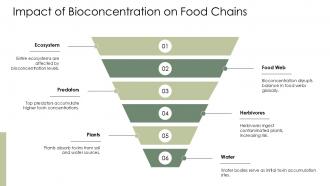
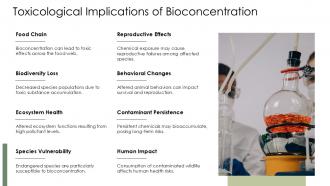
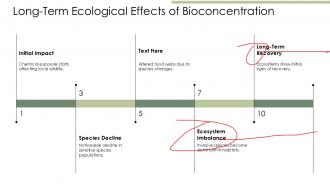
Bioconcentration impacts food chains through biomagnification, where toxic substances accumulate at higher concentrations in predators, affecting reproduction, immunity, and survival rates across species. This process can disrupt ecosystem balance, reduce biodiversity, and compromise food safety for humans, with aquatic ecosystems particularly vulnerable to industrial pollutants and agricultural chemicals.
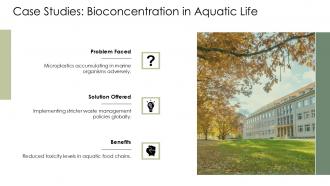
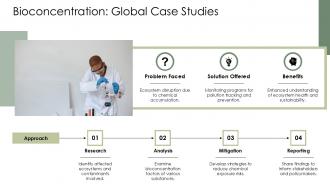
Real-world bioconcentration examples include mercury accumulating in fish muscle tissue, DDT concentrating in bird egg shells, PCBs building up in marine mammal blubber, and heavy metals concentrating in shellfish tissues. These cases demonstrate how pollutants magnify through biological systems, with aquatic ecosystems, migratory birds, and coastal wildlife populations showing significant contamination levels that ultimately impact food safety and ecosystem health.
Bioconcentration affects human health by accumulating toxic substances like heavy metals, pesticides, and industrial chemicals in fish, shellfish, and agricultural products consumed regularly. Through dietary exposure, these concentrated contaminants can cause neurological disorders, reproductive issues, and cancer risks, while compromising food safety standards, ultimately requiring enhanced monitoring systems and regulatory frameworks across food production industries.
Species metabolism rates, lipid content, body size, gill surface area, and environmental conditions significantly influence bioconcentration rates. Aquatic organisms with higher lipid content, like certain fish species, typically accumulate more lipophilic contaminants, while faster metabolisms in smaller organisms can reduce bioconcentration through enhanced elimination processes, ultimately affecting environmental monitoring strategies.
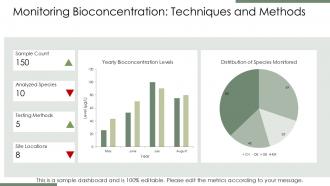
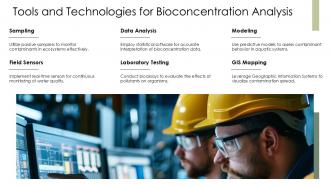
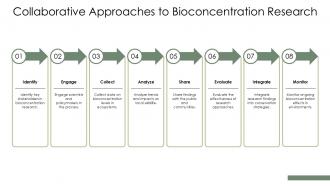
Effective bioconcentration monitoring involves laboratory bioaccumulation studies, field sampling of organism tissues, mathematical modeling using partition coefficients, and regular environmental surveillance programs. These comprehensive approaches enable regulatory agencies, environmental consultants, and research institutions to track pollutant accumulation patterns, assess ecosystem health risks, and develop targeted remediation strategies, ultimately delivering enhanced environmental protection and informed policy decisions.
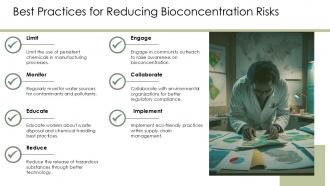
Mitigation strategies include habitat restoration, pollution source controls, regulatory monitoring, bioremediation technologies, and protective buffer zones around sensitive ecosystems. These approaches work by reducing contaminant inputs, enhancing natural detoxification processes, and creating protective barriers, with marine reserves and wetland restoration projects finding significant reductions in bioaccumulation rates.
Climate change affects bioconcentration through altered temperature patterns, precipitation changes, ocean acidification, and shifting ecosystem dynamics that influence organism metabolism and contaminant uptake. Warmer temperatures accelerate bioaccumulation in aquatic species like fish and marine mammals, while changing precipitation patterns affect contaminant distribution in freshwater systems, ultimately creating more complex environmental risk assessments for regulatory agencies.
Bioconcentration significantly influences environmental policy by providing critical data for chemical regulation, risk assessment protocols, and contamination thresholds across ecosystems. Through bioconcentration factors, regulatory agencies establish safety standards, chemical approval processes, and monitoring requirements, with environmental protection agencies increasingly using this data to develop comprehensive policies that balance industrial innovation with ecological protection, ultimately delivering more effective environmental safeguards.
Regulatory agencies assess bioconcentration risks through standardized testing protocols, environmental monitoring, and bioaccumulation factor calculations that measure chemical uptake in organisms. These comprehensive evaluations enable agencies like EPA and ECHA to establish safety thresholds, implement usage restrictions, and require industry reporting, ultimately delivering enhanced environmental protection and public health safeguards while ensuring regulatory compliance.
Successful bioconcentration prevention includes Sweden's mercury reduction in fish through industrial controls, the Great Lakes' PCB cleanup through sediment remediation, Japan's cadmium mitigation in rice via soil treatment, and Europe's pesticide restrictions protecting aquatic food webs. These initiatives demonstrate how regulatory frameworks, technological interventions, and monitoring systems work together, with many regions finding that proactive environmental management ultimately delivers healthier ecosystems and safer food supplies.
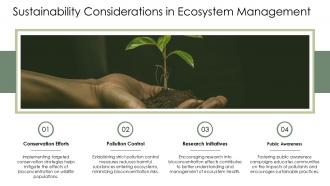
Bioconcentration influences sustainable practices by highlighting how pollutants accumulate in organisms, prompting industries to adopt cleaner production methods, reduce toxic discharges, and implement circular economy principles. Through enhanced monitoring and green chemistry approaches, sectors like manufacturing, agriculture, and pharmaceuticals minimize environmental impact while achieving regulatory compliance, ultimately delivering competitive advantage through responsible resource management.
-
I am a big fan of their newsletters because that is how I found my perfect requirement at the time of urgency. Thank God, I kept opening those.
-
The templates are easy to get, and the chat customer support is excellent.