

Understanding Micropollutants Impact On Water Quality PPT PowerPoint ST AI





Try Before you Buy Download Free Sample Product
 Impress Your
Audience
 100%
Editable
 Save Hours
of Time


Explore the critical effects of micropollutants on water quality with this comprehensive PowerPoint presentation. Delve into sources, detection methods, and mitigation strategies, empowering professionals to address environmental challenges. Enhance your knowledge and drive impactful discussions on safeguarding our water resources for a sustainable future.
People who downloaded this PowerPoint presentation also viewed the following :
Understanding Micropollutants Impact On Water Quality PPT PowerPoint ST AI with all 40 slides:
Use our Understanding Micropollutants Impact On Water Quality PPT PowerPoint ST AI to effectively help you save your valuable time. They are readymade to fit into any presentation structure.













FAQs for Understanding Micropollutants Impact On Water Quality PPT
Micropollutants are trace contaminants including pharmaceuticals, personal care products, pesticides, industrial chemicals, and endocrine disruptors found in water systems at extremely low concentrations. These substances present both regulatory challenges and monitoring opportunities, with water treatment facilities, pharmaceutical companies, and environmental agencies increasingly finding that advanced detection technologies and treatment solutions deliver significant public health protection while creating competitive advantages in environmental compliance markets.
Micropollutants enter aquatic ecosystems through wastewater discharge, agricultural runoff, industrial emissions, stormwater systems, and atmospheric deposition. These contaminants accumulate through multiple pathways, with water treatment facilities, pharmaceutical manufacturing, and intensive farming operations finding that conventional filtration methods often fail to capture these compounds, ultimately requiring advanced treatment technologies and comprehensive monitoring strategies.
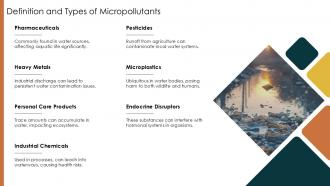
Common micropollutants in water bodies include pharmaceuticals, personal care products, pesticides, industrial chemicals, and endocrine disruptors. These contaminants increasingly challenge water treatment facilities, utilities, and environmental agencies by requiring advanced filtration technologies, specialized monitoring systems, and enhanced regulatory compliance, ultimately driving innovation in water purification and delivering safer water supplies for communities.
Analytical methods for detecting micropollutants in water include liquid chromatography-mass spectrometry, gas chromatography-mass spectrometry, high-performance liquid chromatography, immunoassays, and advanced spectroscopic techniques. These technologies enhance water quality monitoring by delivering precise detection capabilities, enabling real-time assessment, and streamlining regulatory compliance, with utilities and environmental agencies finding that comprehensive analytical approaches ultimately provide competitive advantage in maintaining safe water standards.
Micropollutants disrupt aquatic ecosystems by interfering with fish reproduction, altering behavioral patterns, weakening immune systems, and contaminating food chains through bioaccumulation. These contaminants particularly impact sensitive species like amphibians and shellfish, ultimately reducing biodiversity, disrupting ecosystem balance, and threatening commercial fisheries, with many coastal communities finding that comprehensive water treatment becomes essential for preserving marine resources.
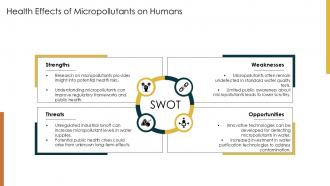
Micropollutants present significant health implications including endocrine disruption, antibiotic resistance development, carcinogenic effects, neurological impacts, and reproductive system interference. These contaminants, increasingly detected in drinking water and food chains, create cumulative exposure risks that healthcare systems and water treatment facilities are addressing through advanced filtration technologies, ultimately driving innovation in public health monitoring and environmental remediation strategies.
Current wastewater treatment processes show variable effectiveness at removing micropollutants, with conventional methods achieving 20-90% removal rates depending on the specific contaminant and treatment technology employed. Advanced treatment systems combining membrane bioreactors, activated carbon, and ozonation deliver significantly higher removal efficiencies, with many municipal facilities finding that strategic upgrades enhance water quality while meeting increasingly stringent regulatory requirements.
Pharmaceuticals significantly contribute to environmental micropollutants through incomplete metabolism in humans and animals, improper disposal of unused medications, and inadequate treatment processes at wastewater facilities. These compounds persist in water systems, affecting aquatic ecosystems and potentially entering drinking water supplies, with hospitals, pharmaceutical manufacturing, and agricultural operations increasingly implementing advanced treatment technologies to minimize their environmental impact.
Micropollutants can accumulate through bioaccumulation and biomagnification, where organisms absorb contaminants faster than they eliminate them, concentrating levels up the food chain. Agricultural runoff, pharmaceutical residues, and industrial chemicals enter water systems and crops, with predatory fish, livestock, and ultimately humans experiencing highest concentrations, ultimately presenting significant health risks requiring enhanced monitoring and treatment technologies.
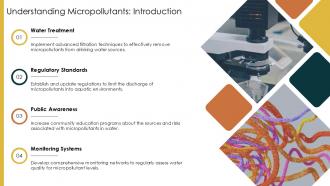
Regulatory frameworks governing micropollutants include the EU Water Framework Directive, US Clean Water Act, WHO drinking water guidelines, national pharmaceutical disposal regulations, and emerging contaminant monitoring protocols. These frameworks increasingly require water utilities, pharmaceutical companies, and industrial facilities to implement advanced treatment technologies, conduct regular monitoring, and establish source control measures, ultimately delivering enhanced water safety and environmental protection.
Innovative technologies for micropollutant mitigation include advanced oxidation processes, membrane bioreactors, electrochemical treatment, nanofiltration systems, and photocatalytic degradation methods. These approaches streamline water treatment by targeting trace contaminants, enhancing removal efficiency, and enabling real-time monitoring, with many municipalities and industrial facilities finding that strategic technology combinations ultimately deliver cleaner water and regulatory compliance advantages.
Public awareness drives micropollutant reduction through informed consumer choices, proper medication disposal, reduced chemical usage, and support for sustainable practices. Communities increasingly implement household hazardous waste programs, pharmaceutical take-back initiatives, and eco-friendly product campaigns, with many municipalities finding that education-focused approaches deliver measurable water quality improvements and enhanced environmental protection outcomes.
Micropollutants significantly impact terrestrial ecosystems by altering soil microbial communities, reducing beneficial organism populations, and disrupting nutrient cycling processes. These contaminants accumulate in agricultural soils through wastewater irrigation and industrial runoff, with many farming operations finding that contaminated soils ultimately deliver reduced crop yields and compromised food safety standards.
Climate change significantly alters micropollutant behavior through increased temperatures, changing precipitation patterns, extreme weather events, and rising sea levels, which affect their distribution, degradation, and concentration. These environmental shifts enhance pollutant mobility in water systems, accelerate chemical breakdown processes, and intensify contamination in vulnerable ecosystems, with coastal regions and urban watersheds finding increasingly complex remediation challenges requiring adaptive monitoring strategies.
Future research directions in micropollutants include advanced detection technologies, ecosystem impact assessments, treatment innovation, regulatory framework development, and human health longitudinal studies. These research priorities enhance environmental monitoring, treatment efficiency, and risk mitigation strategies, with water utilities, pharmaceutical companies, and regulatory agencies increasingly finding that comprehensive micropollutant research delivers safer water systems and competitive environmental compliance advantages.
-
Great quality slides in rapid time.
-
Love the template collection they have! I have prepared for my meetings much faster without worrying about designing a whole presentation from scratch.