


Venture capital fundraising powerpoint presentation slides
Be it early-stage finance or expansion financing; Venture Capital Fundraising PowerPoint presentation slides effectively represent private equity financing. This startup fundraising PPT covers fundamentals like the business problem, solution, company overview, revenue model, and others. Thorough research and expert visual layout of the seed funding slideshow conveys a professional approach. This capital fundraising PPT deck also displays important venture milestones and technical abilities with visual excellence. These hedge funding PowerPoint templates aptly demonstrate your shareholding pattern, financial projections, growth strategy, competitive landscape, and other related vital components. Discover additional slides to highlight your products, the team, company ethics, and much more. Moreover, the professional equity fundraising PPT theme attracts investors to drive your venture business towards prosperity. These private equity financing PPT slides are a readymade business solution to showcase how to convert venture capitalists into stakeholders. Illustrate the exit strategy with the help of seed funding PPT diagrams. Download our equity crowdfunding PowerPoint presentation now to expand your business network.
Be it early-stage finance or expansion financing; Venture Capital Fundraising PowerPoint presentation slides effectively re..













-

- Google Slides is a new FREE Presentation software from Google.
- All our content is 100% compatible with Google Slides.
- Just download our designs, and upload them to Google Slides and they will work automatically.
- Amaze your audience with SlideTeam and Google Slides.
-

Want Changes to This PPT Slide? Check out our Presentation Design Services
-

- WideScreen Aspect ratio is becoming a very popular format. When you download this product, the downloaded ZIP will contain this product in both standard and widescreen format.
-

- Some older products that we have may only be in standard format, but they can easily be converted to widescreen.
- To do this, please open the SlideTeam product in Powerpoint, and go to
- Design ( On the top bar) -> Page Setup -> and select "On-screen Show (16:9)” in the drop down for "Slides Sized for".
- The slide or theme will change to widescreen, and all graphics will adjust automatically. You can similarly convert our content to any other desired screen aspect ratio.
Compatible With Google Slides

Get This In WideScreen
You must be logged in to download this presentation.


Do you want to remove this product from your favourites?
PowerPoint presentation slides
Presenting Venture Capital Fundraising PowerPoint Presentation Slides with a deck of 54 slides. Every slide in the set represents a core area of private equity financing. This PPT deck is equipped with informative graphs, diagrams, and charts with high eye appeal. Fully editable design elements enable you to alter font size, shapes, color scheme, and text to match your company persona. Download Google Slides-compatible venture capital presentation in widescreen or standard formats.

People who downloaded this PowerPoint presentation also viewed the following :
Content of this Powerpoint Presentation
Slide 1: This slide introduces Venture Capital Fundraising. Mention your Company name and begin.
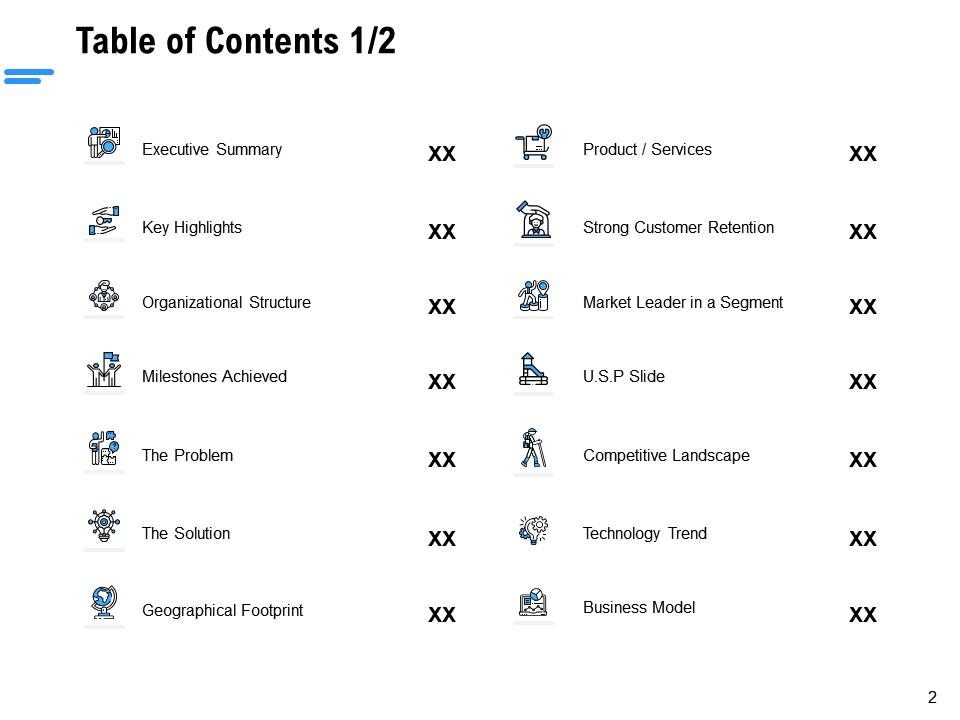
Slide 2: This slide displays the Table of Contents of the presentation.
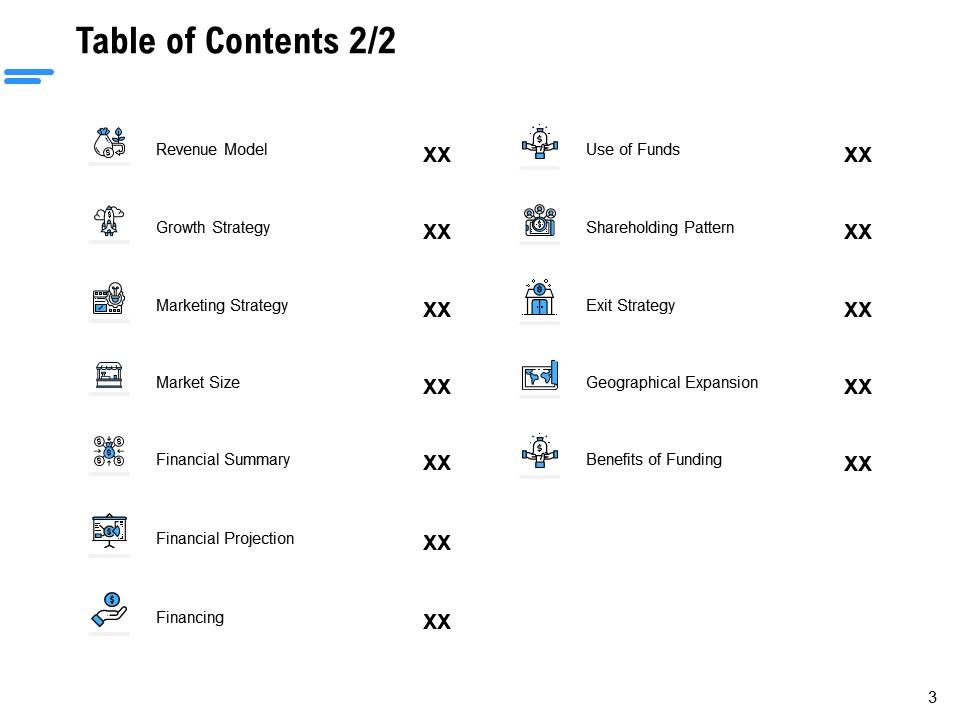
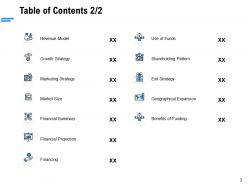
Slide 3: This slide displays Table of Contents.
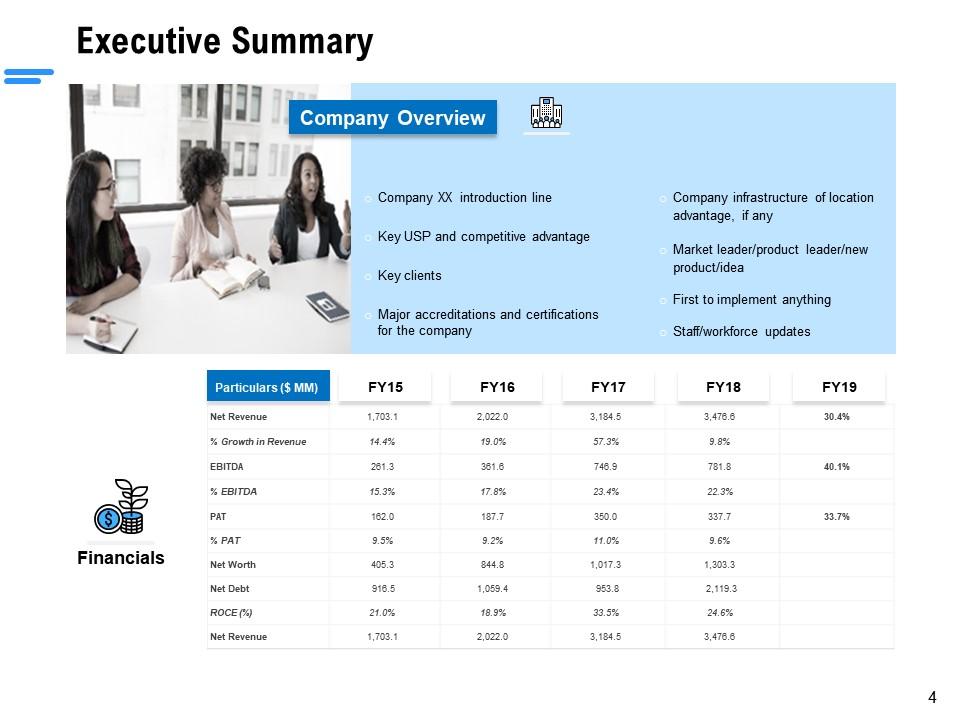
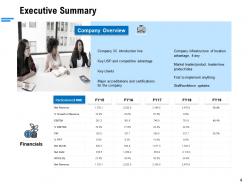
Slide 4: This slide depicts Executive Summary with Company Overview and Financials.
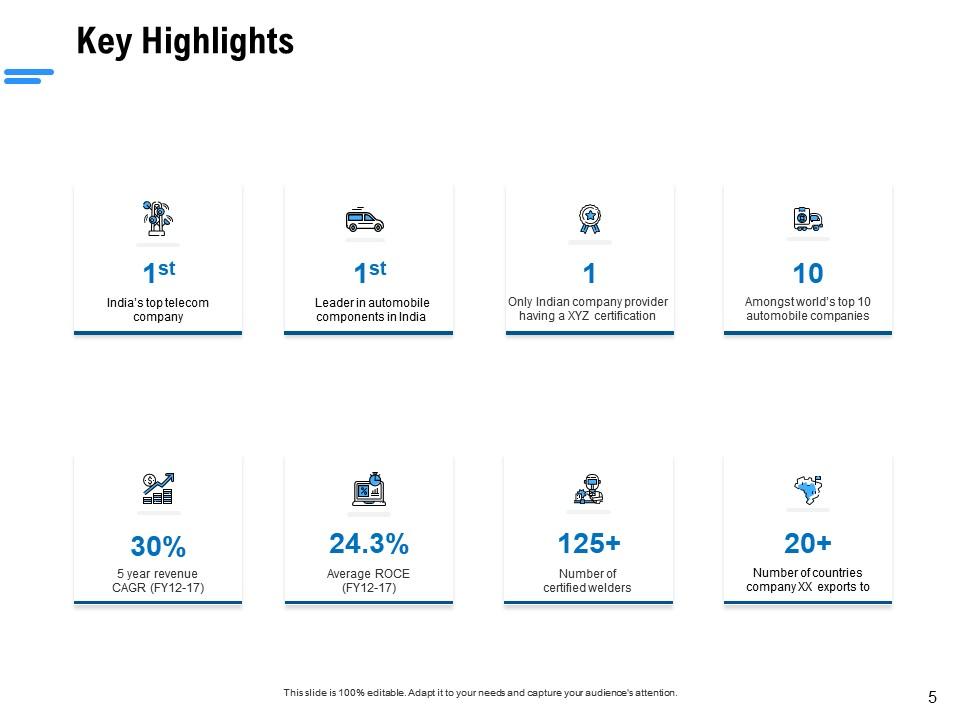
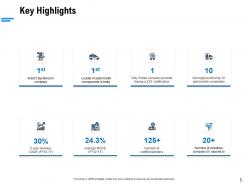
Slide 5: This slide presents the Key Highlights of the company.
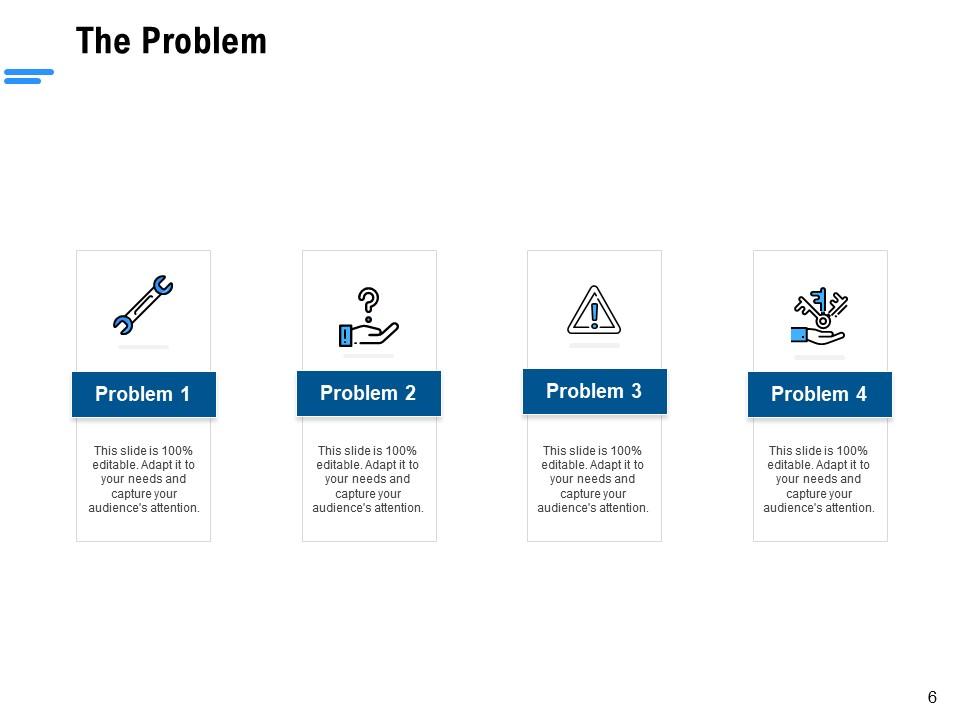
Slide 6: This slide depicts The Problem.
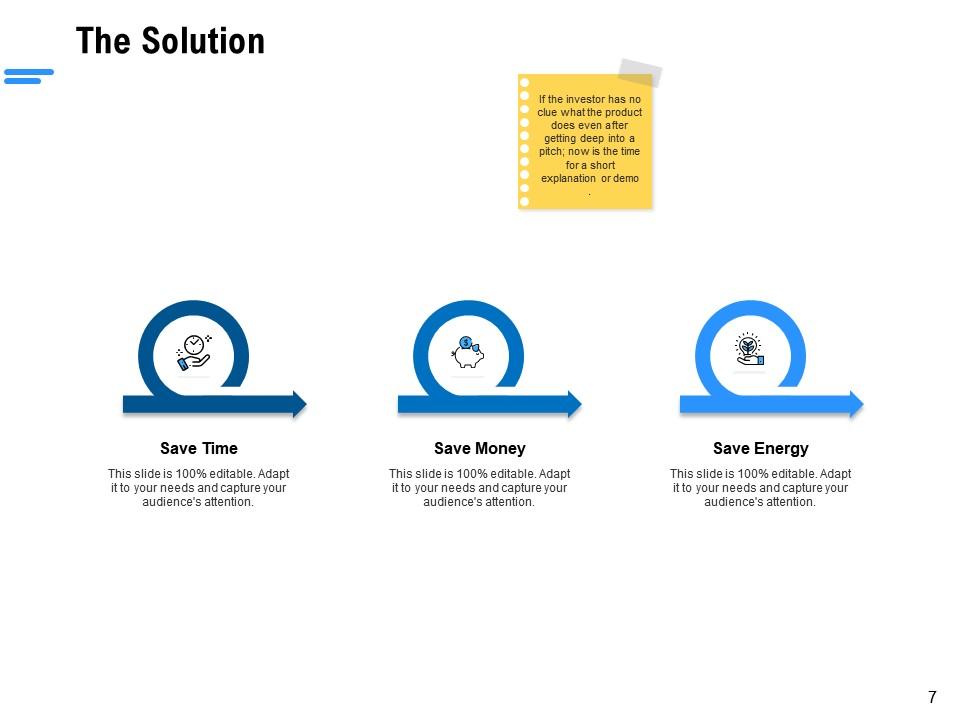
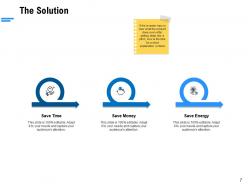
Slide 7: This slide depicts The Solution of the Problem.
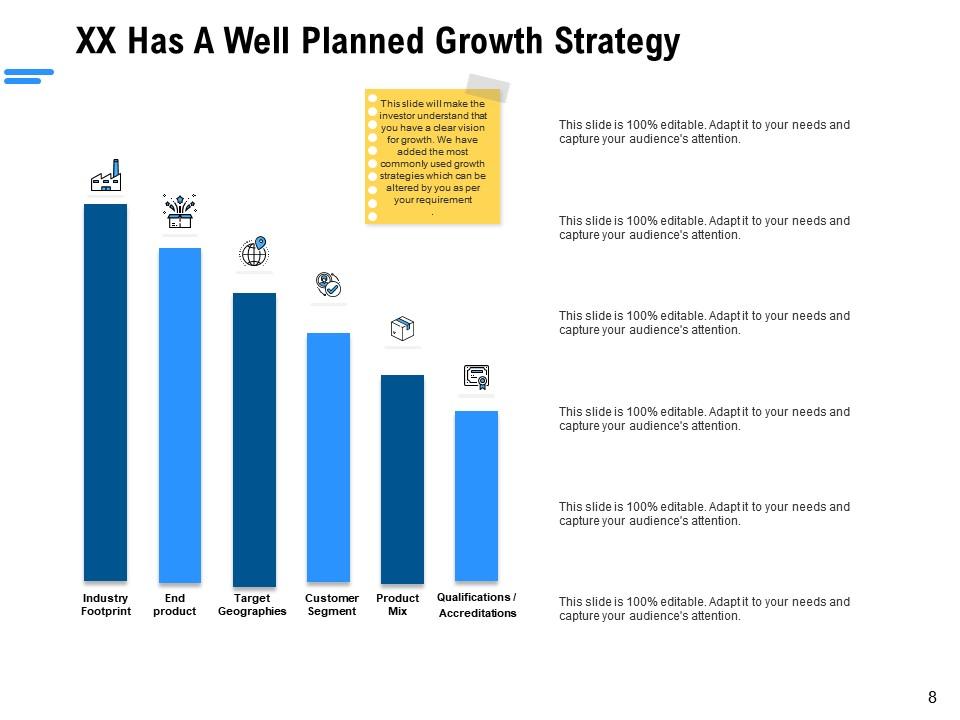
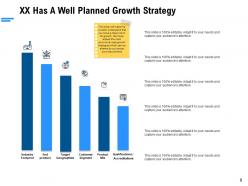
Slide 8: This slide describes Well Planned Growth Strategy of the Company.
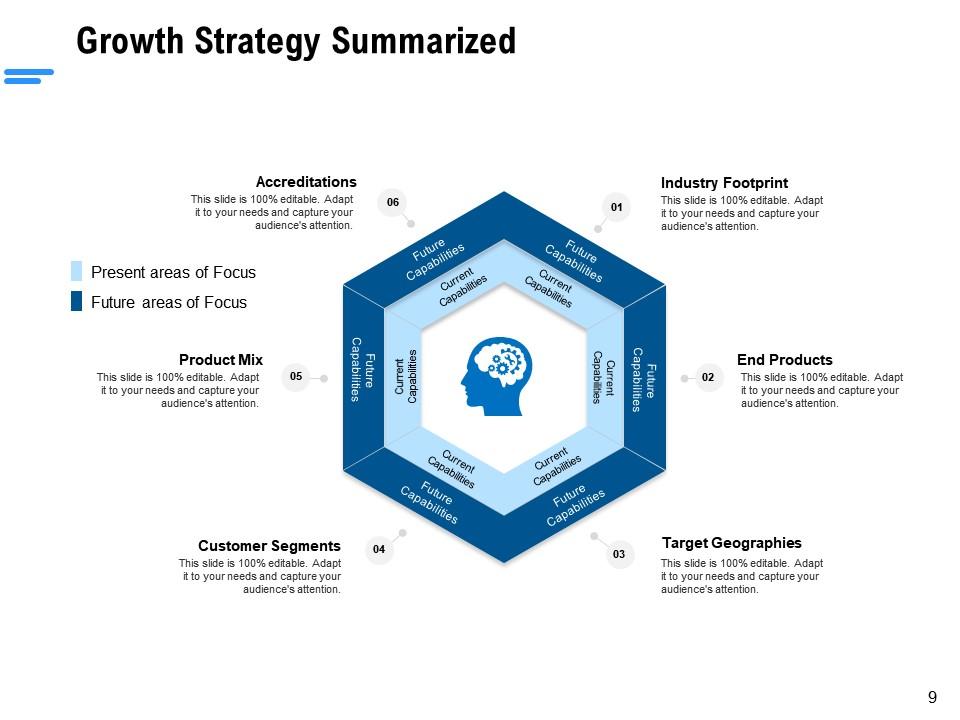
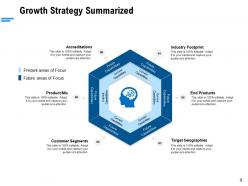
Slide 9: This slide showcases Growth Strategy Summarized with- Future Capabilities, Current Capabilities.
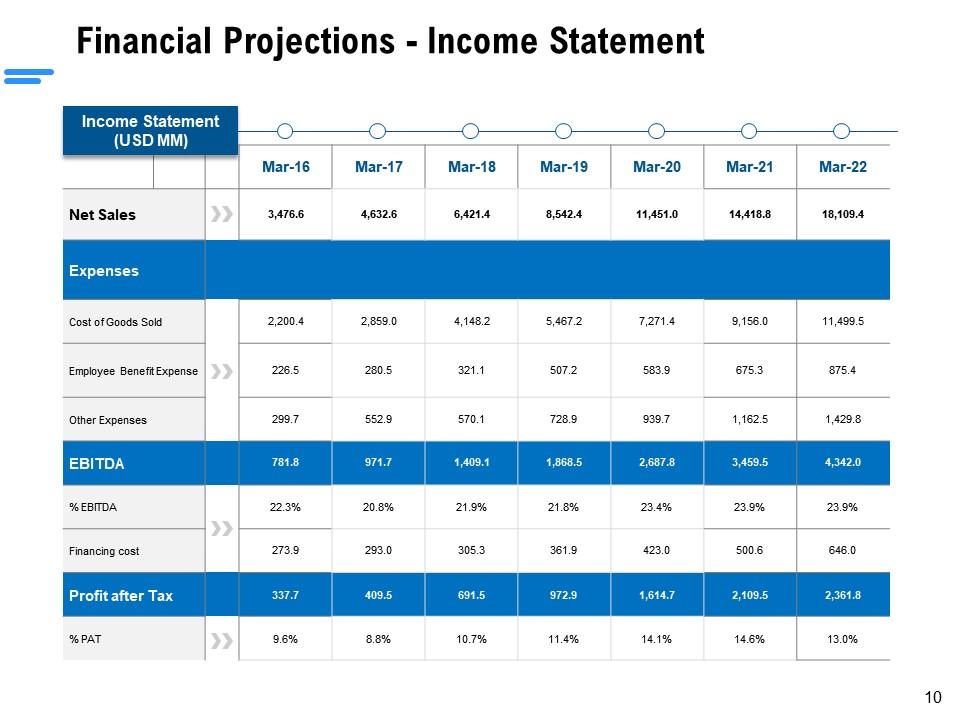
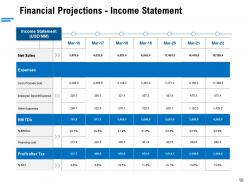
Slide 10: This slide displays Financial Projections - Income Statement
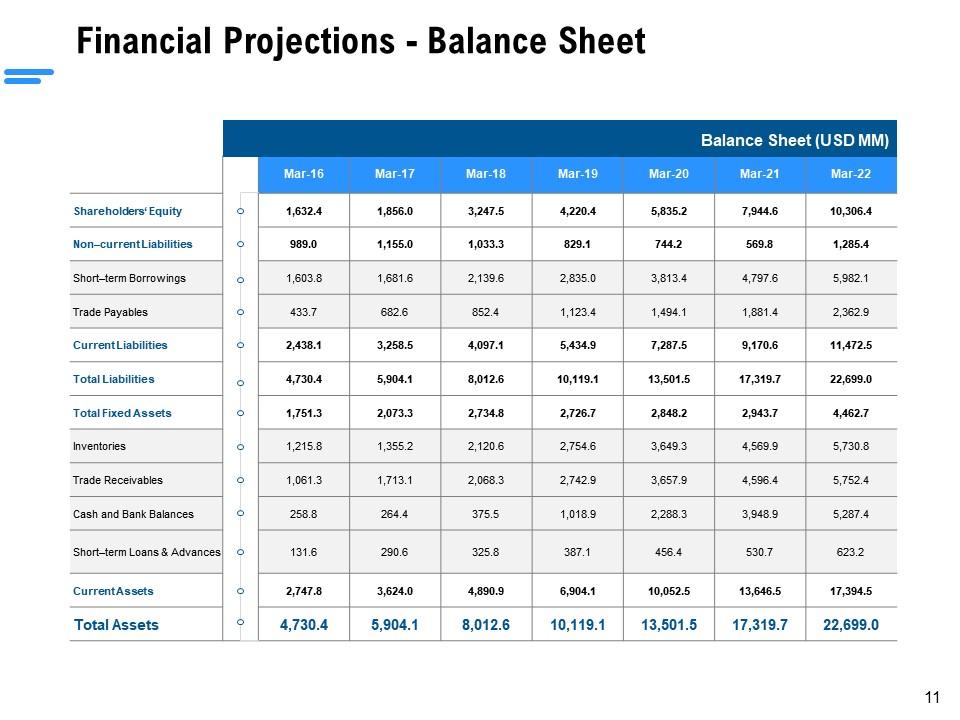
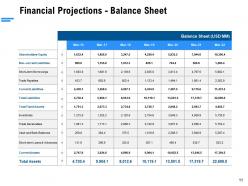
Slide 11: This slide depicts Financial Projections - Balance Sheet.
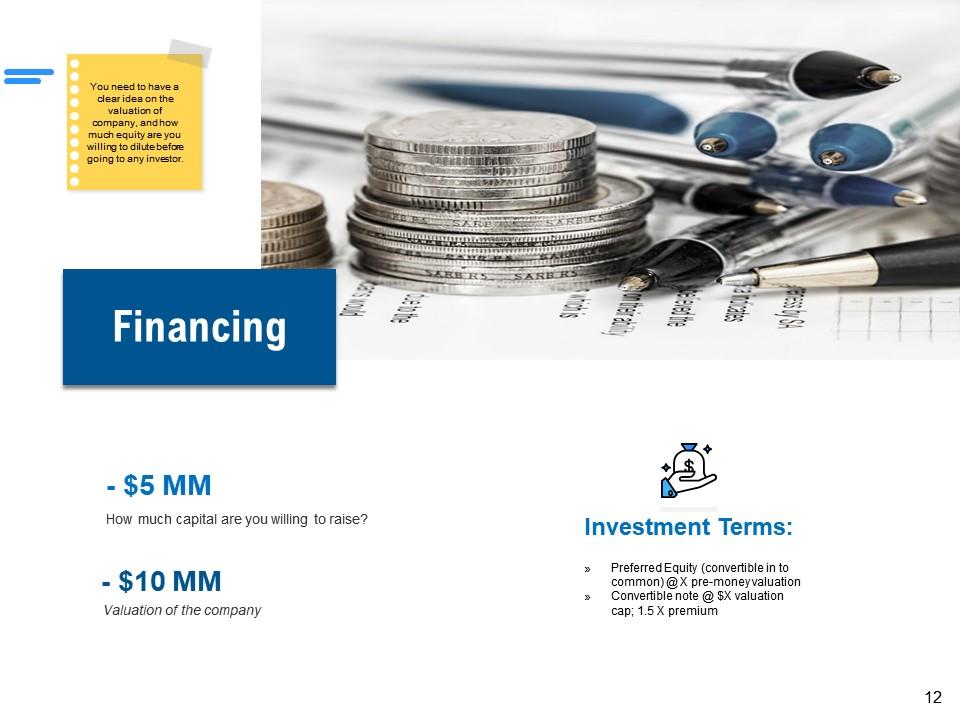
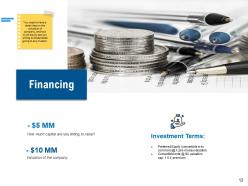
Slide 12: This slide describes How much capital are you willing to raise?
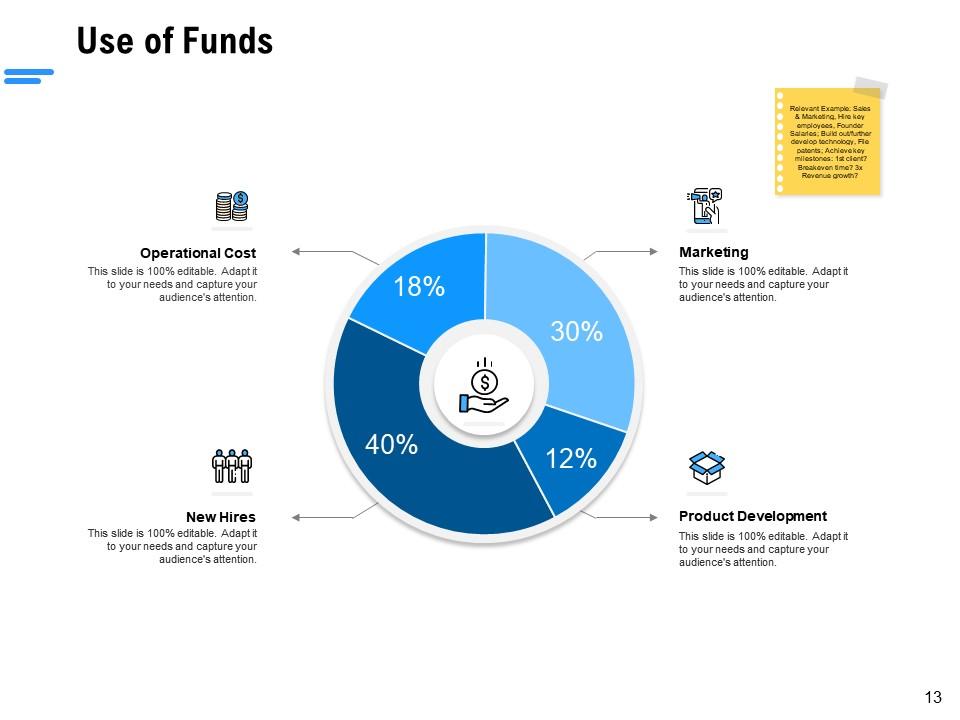
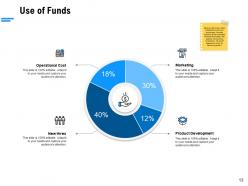
Slide 13: This slide showcases Use of Funds.
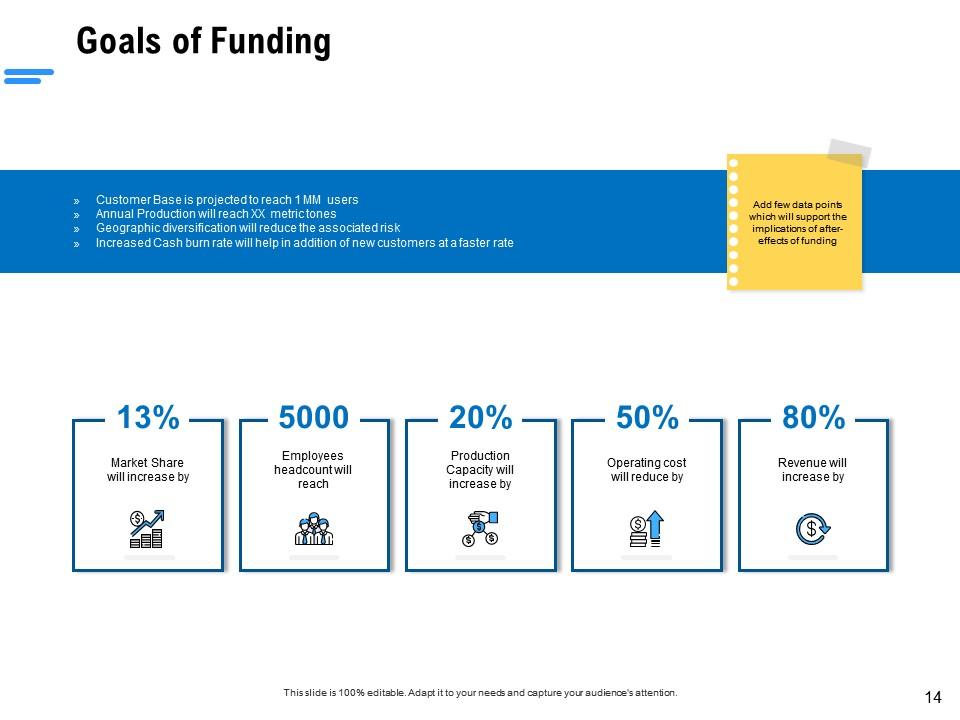
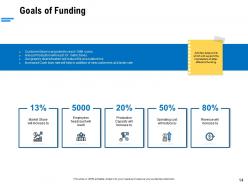
Slide 14: This slide represents Goals of Funding.
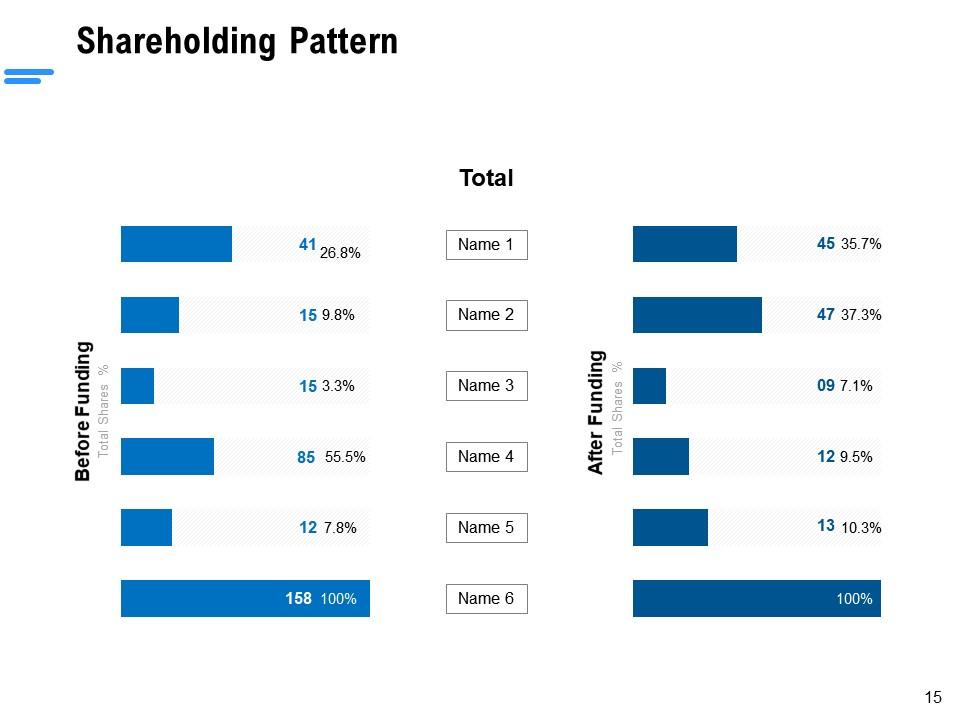
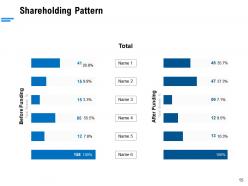
Slide 15: This slide describes Shareholding Pattern.
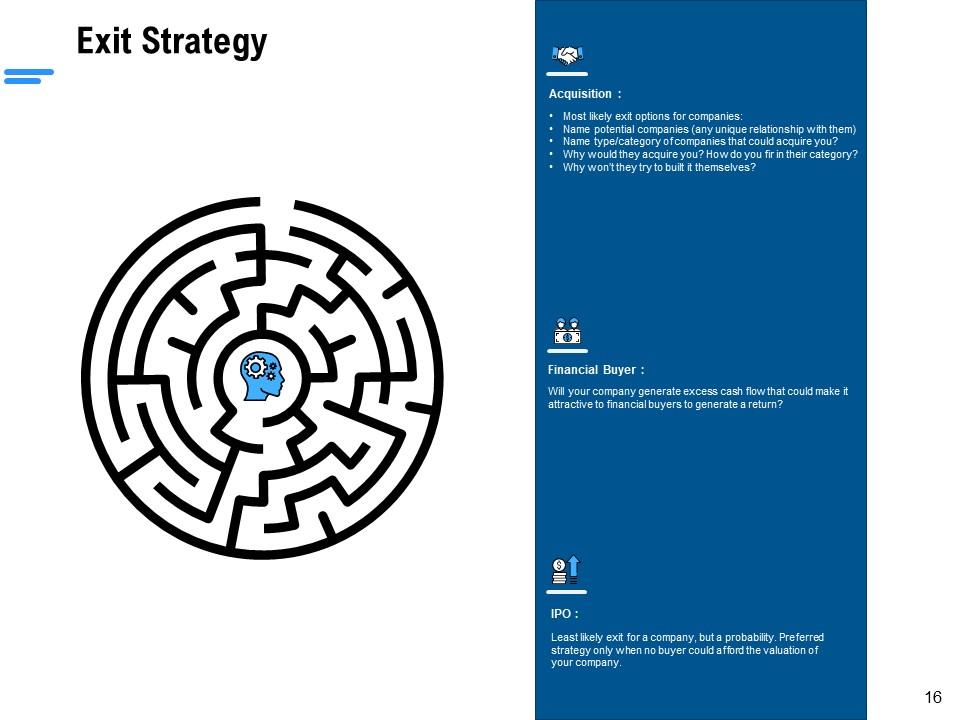
Slide 16: This slide depicts Exit Strategy.
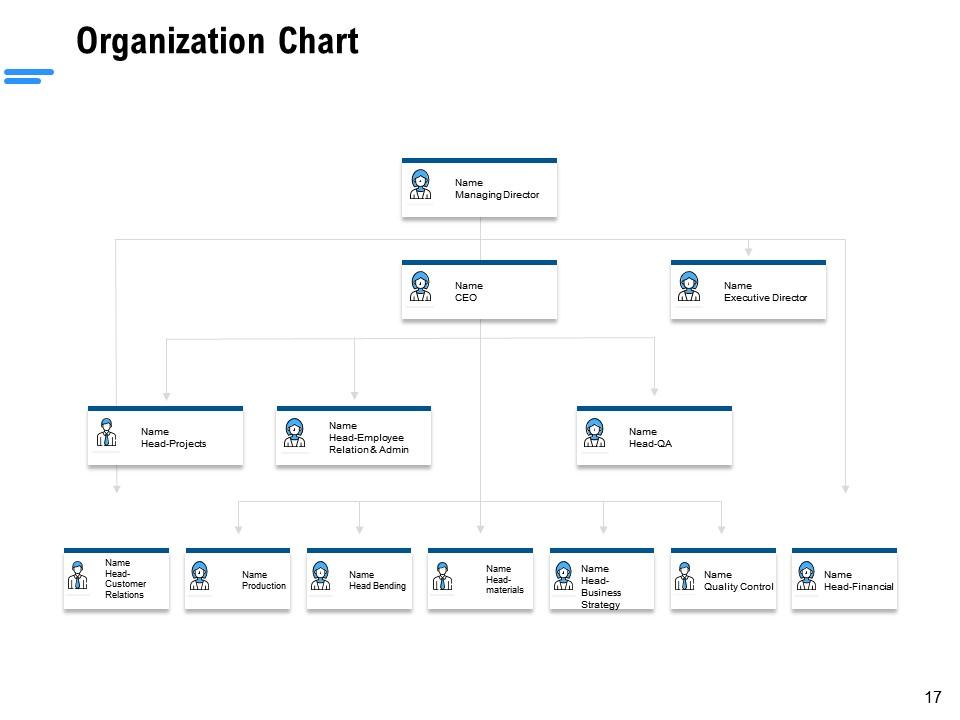
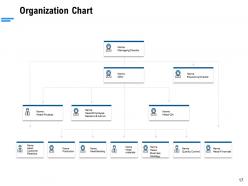
Slide 17: This slide represents the Organization Chart with names and designations.
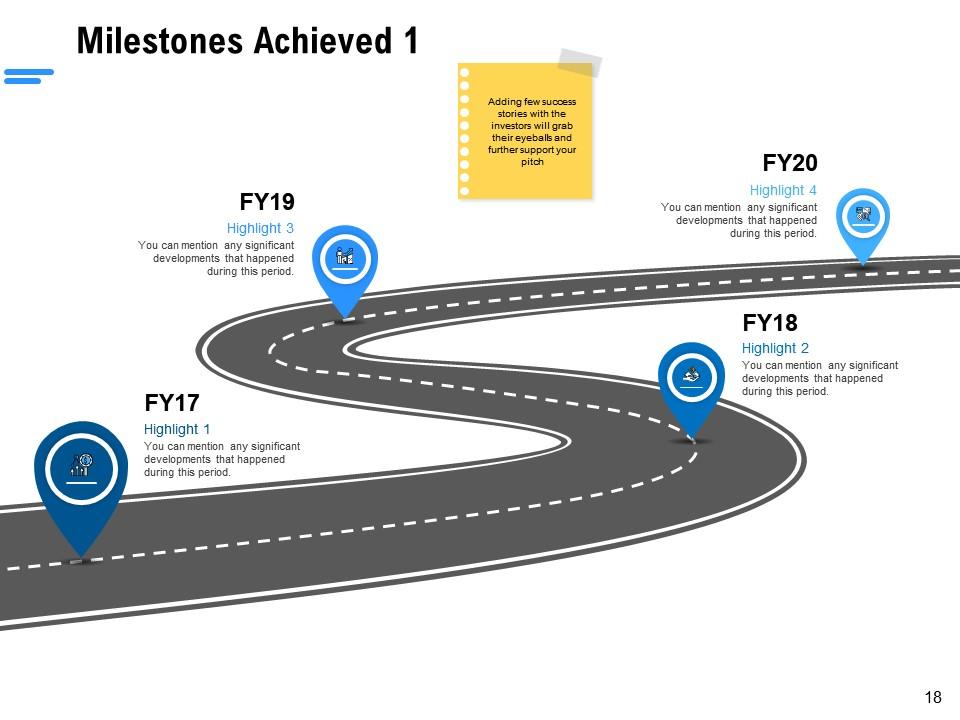
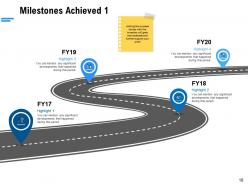
Slide 18: This slide showcases the Milestones Achieved 1
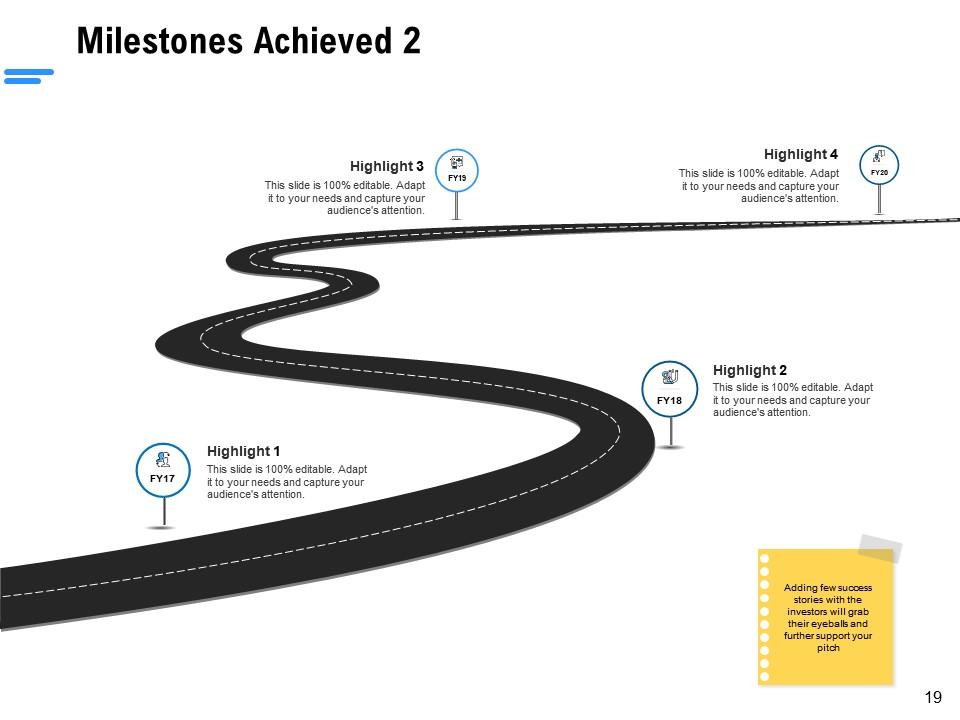
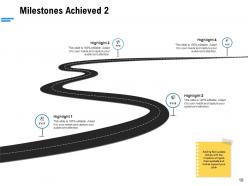
Slide 19: This slide depicts the Milestones Achieved 2 with highlights.
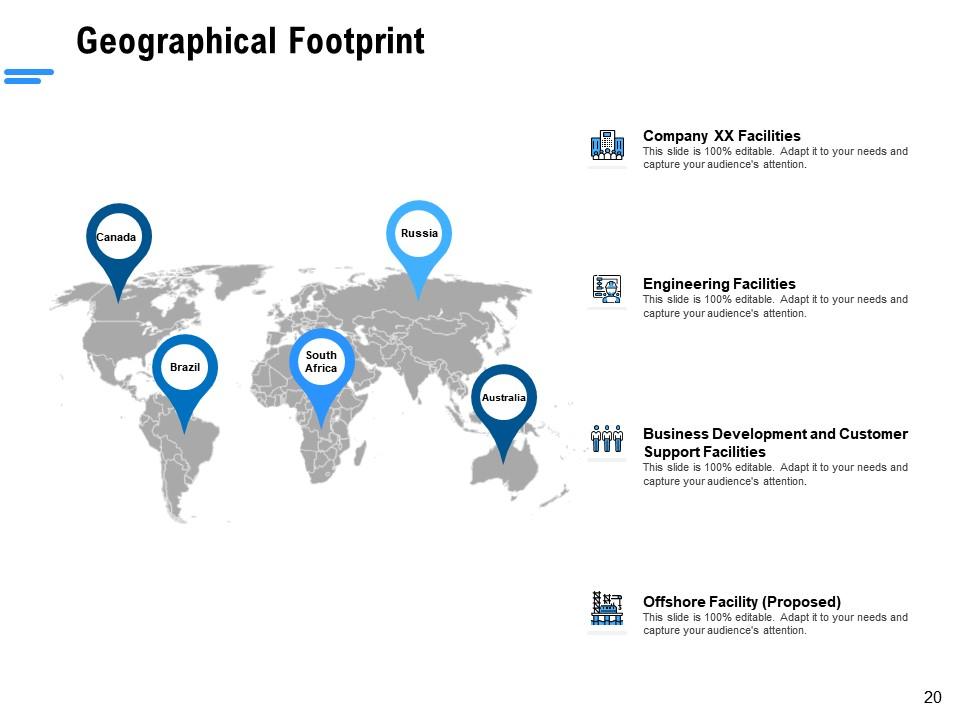
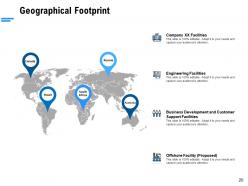
Slide 20: This slide showcases Geographical Footprint.
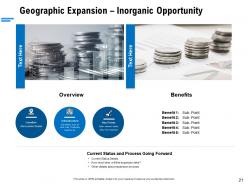
Slide 21: This slide presents Geographic Expansion – Inorganic Opportunity.
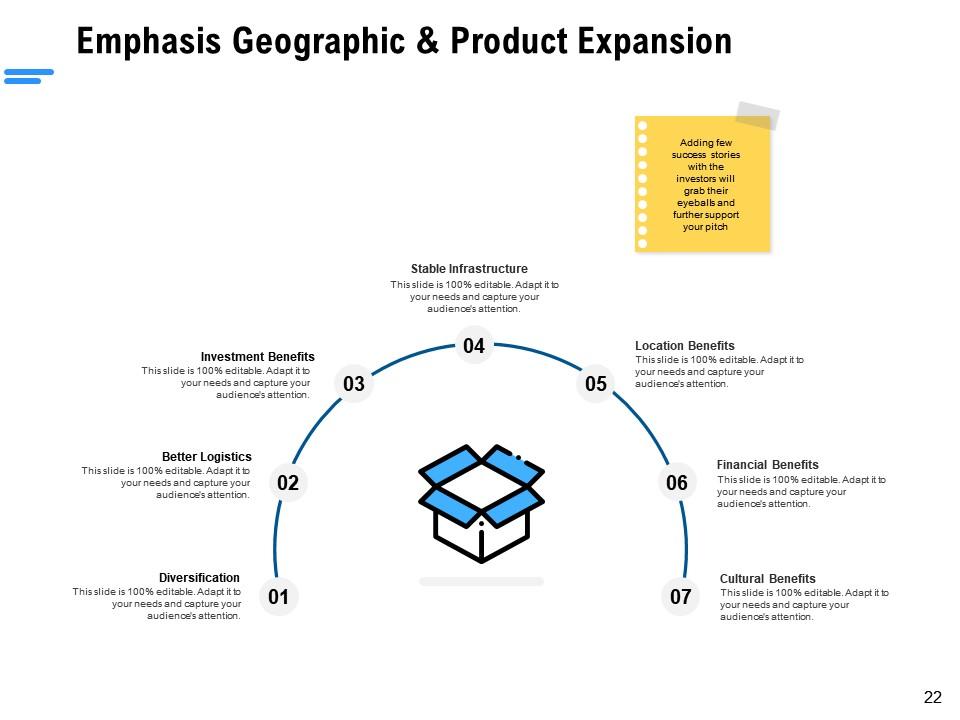
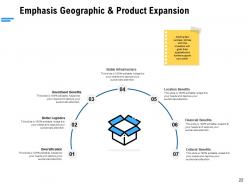
Slide 22: This slide represents Emphasis Geographic & Product Expansion.
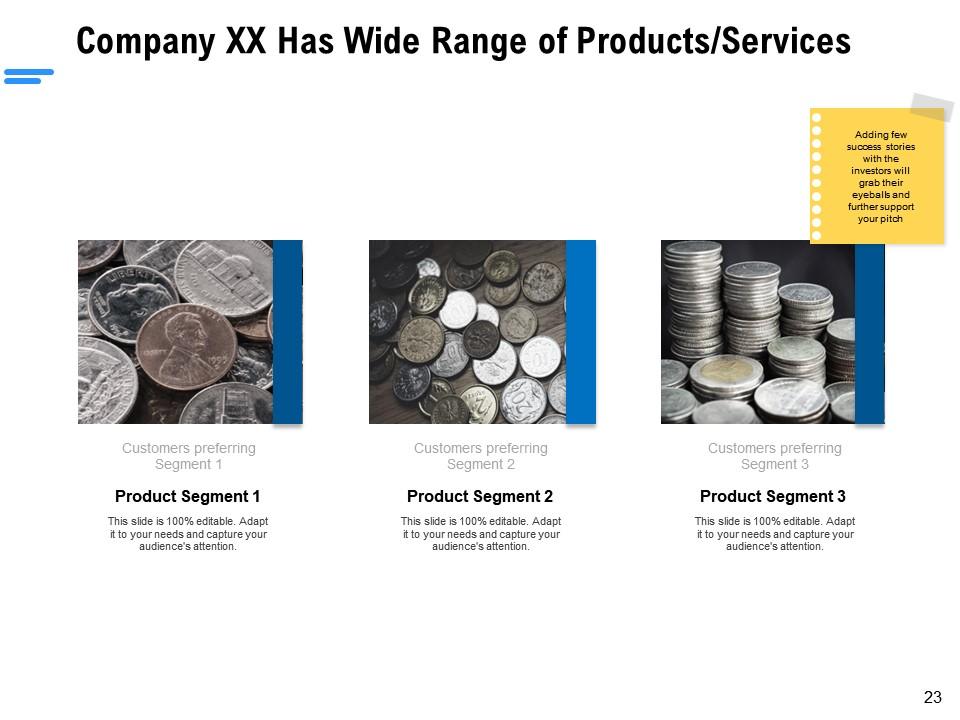
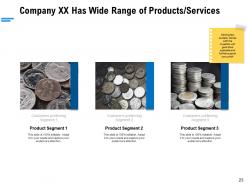
Slide 23: This slide shows Wide Range of Products/Services of the Company.
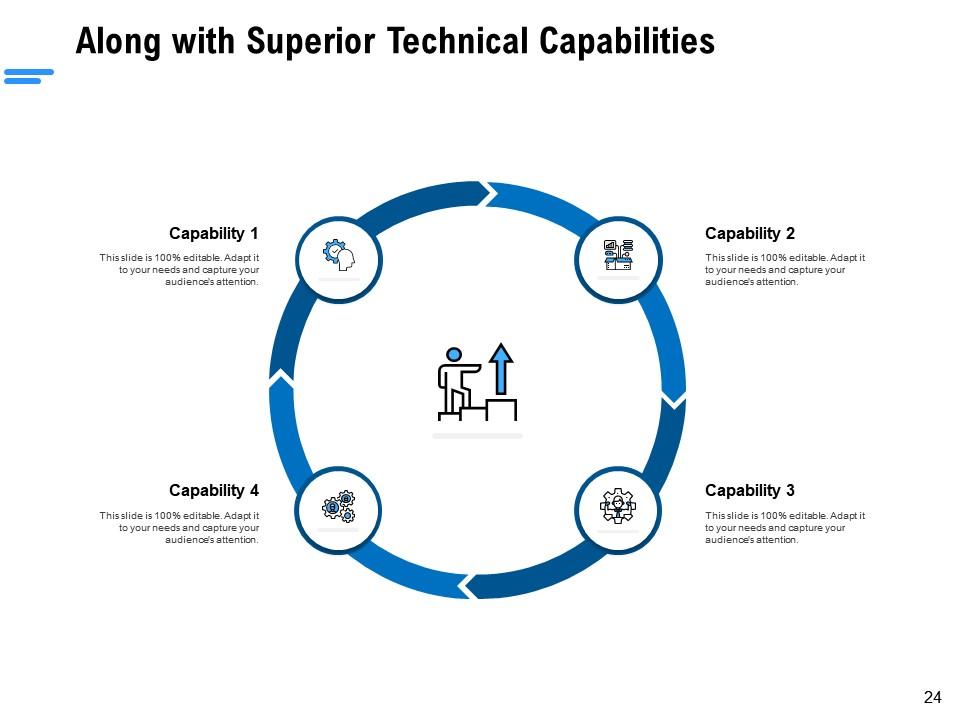
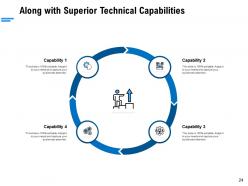
Slide 24: This slide showcases products Along with Superior Technical Capabilities
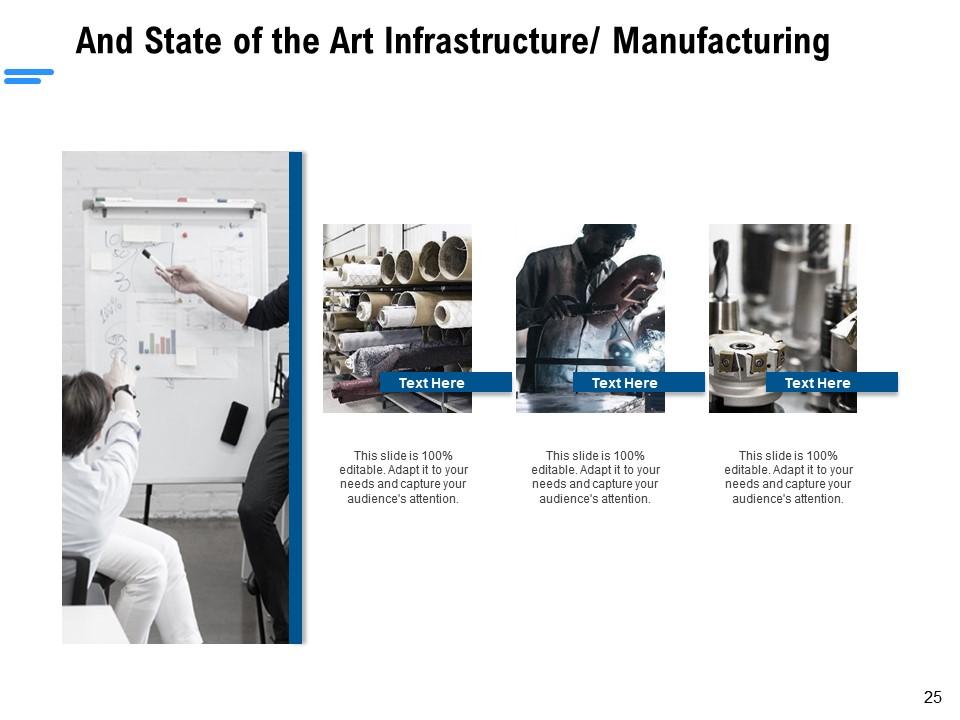
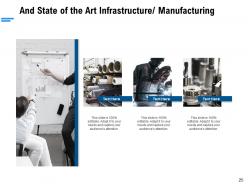
Slide 25: This slide showcases State of the Art Infrastructure/ Manufacturing of the product.
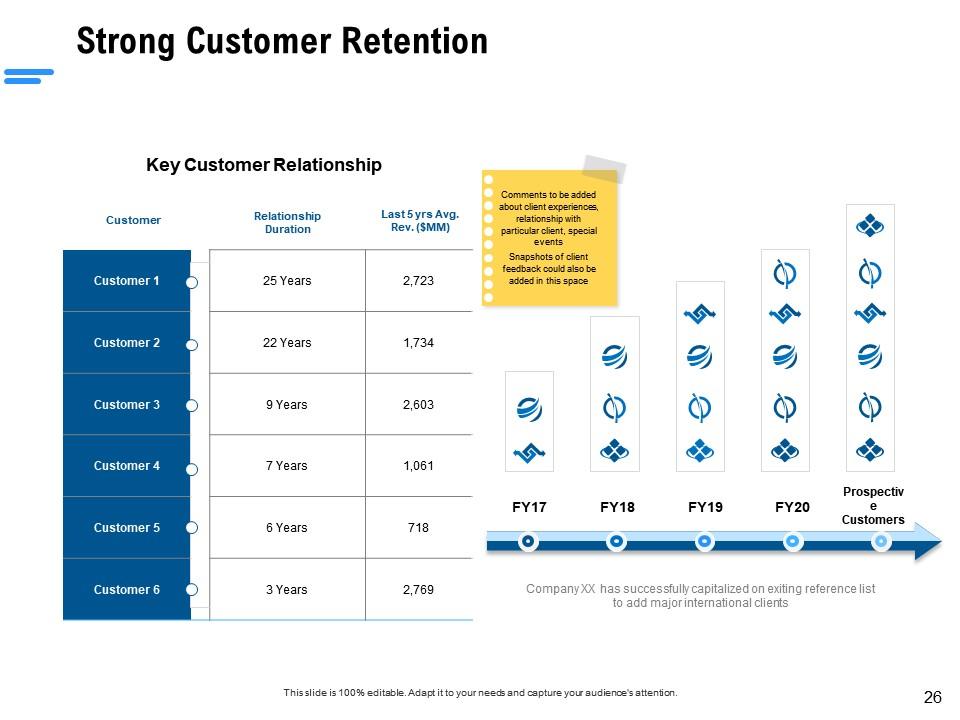
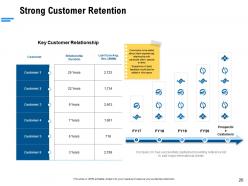
Slide 26: This slide depicts Strong Customer Retention.
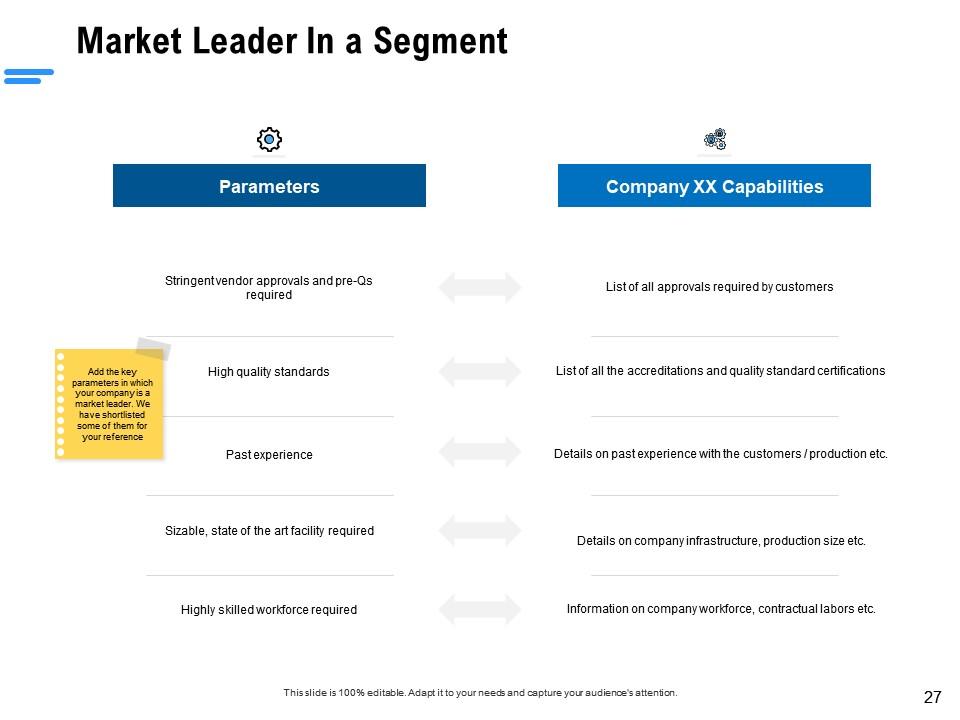
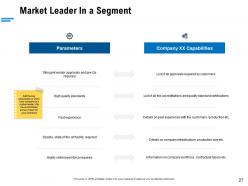
Slide 27: This slide presents Market Leader In a Segment. Add the key parameters in which your company is a market leader. We have shortlisted some of them for your reference
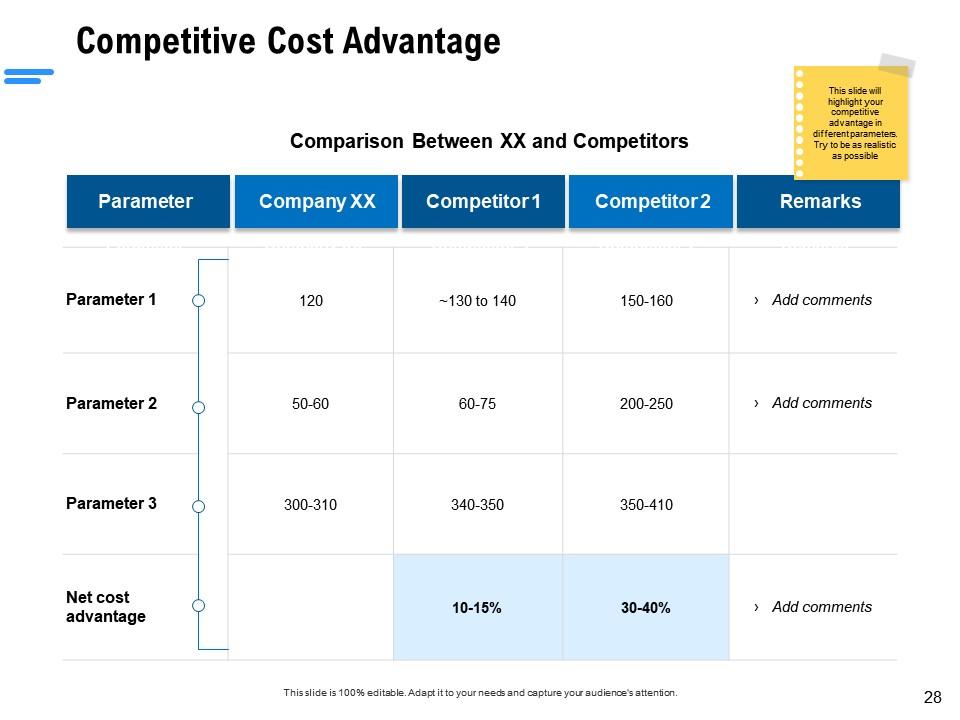
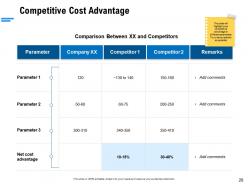
Slide 28: This slide shows Competitive Cost Advantage. This slide will highlight your competitive advantage in different parameters. Try to be as realistic as possible
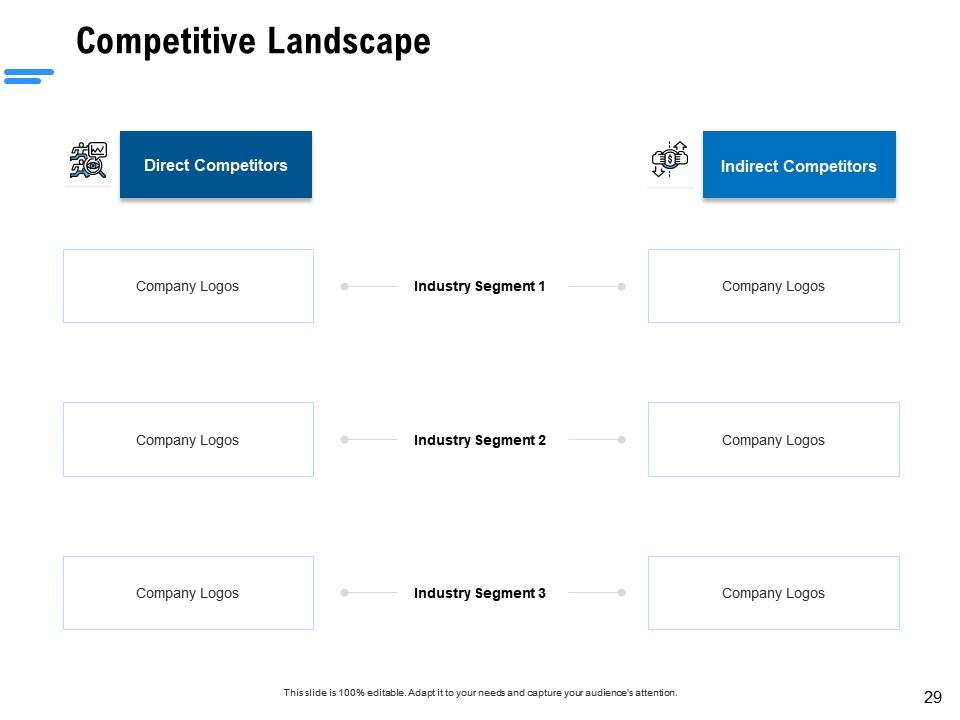
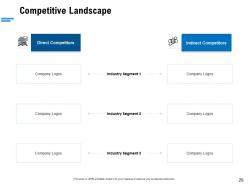
Slide 29: This slide depicts Competitive Landscape.
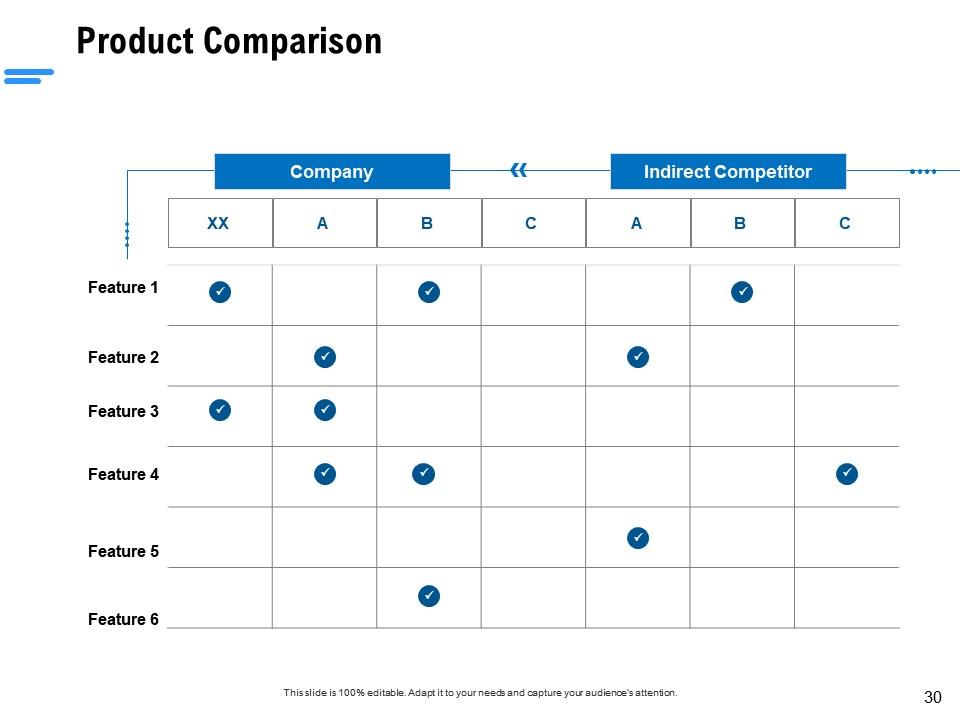
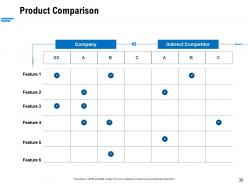
Slide 30: This slide shows the Product Comparison with features.
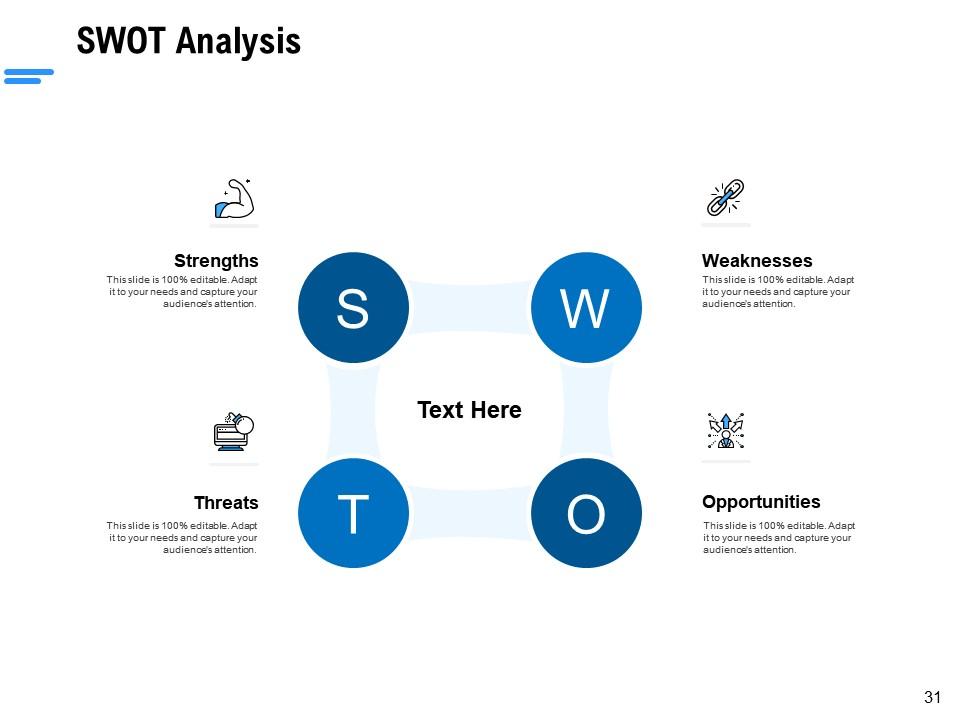
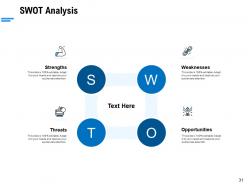
Slide 31: This slide represents SWOT Analysis. Analyze Strength, Weaknesses, Threats and Opportunities.
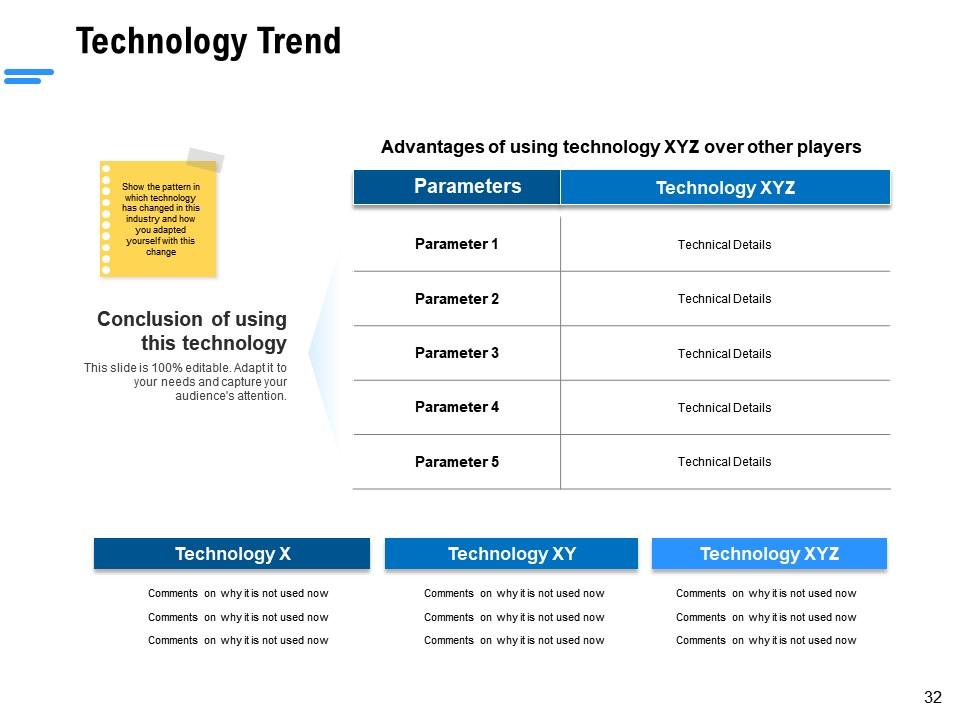
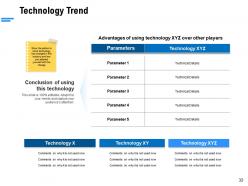
Slide 32: This slide depicts the Technology Trend.
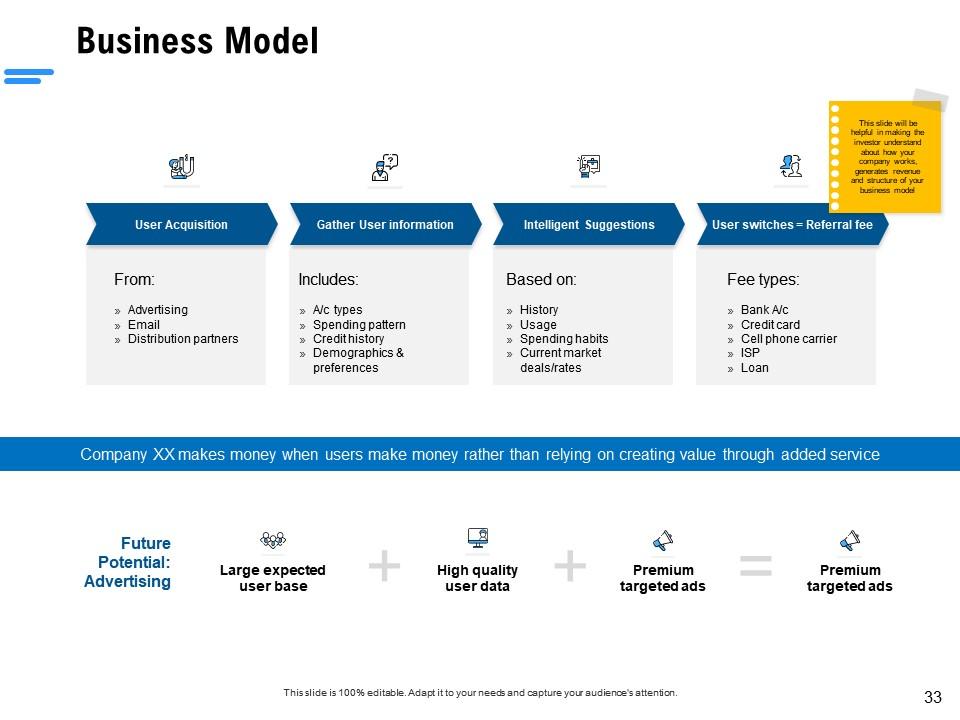
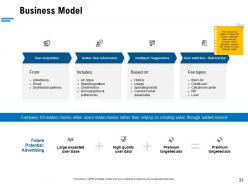
Slide 33: This slide represents Business Model.
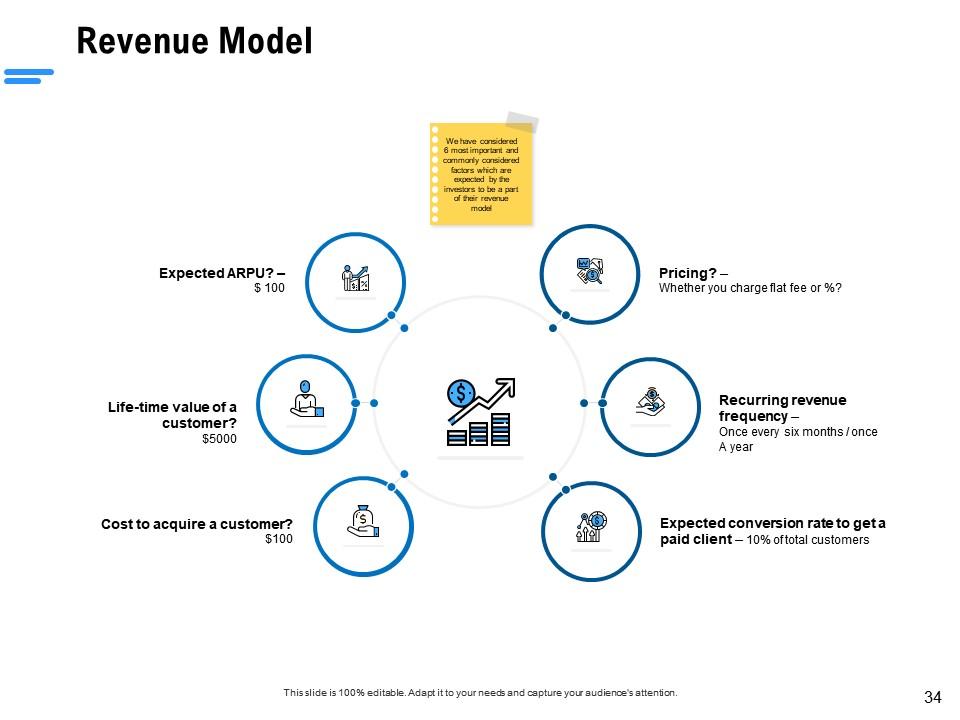
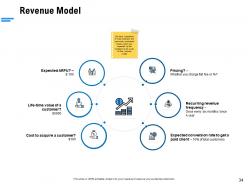
Slide 34: This slide depicts the Revenue Model.
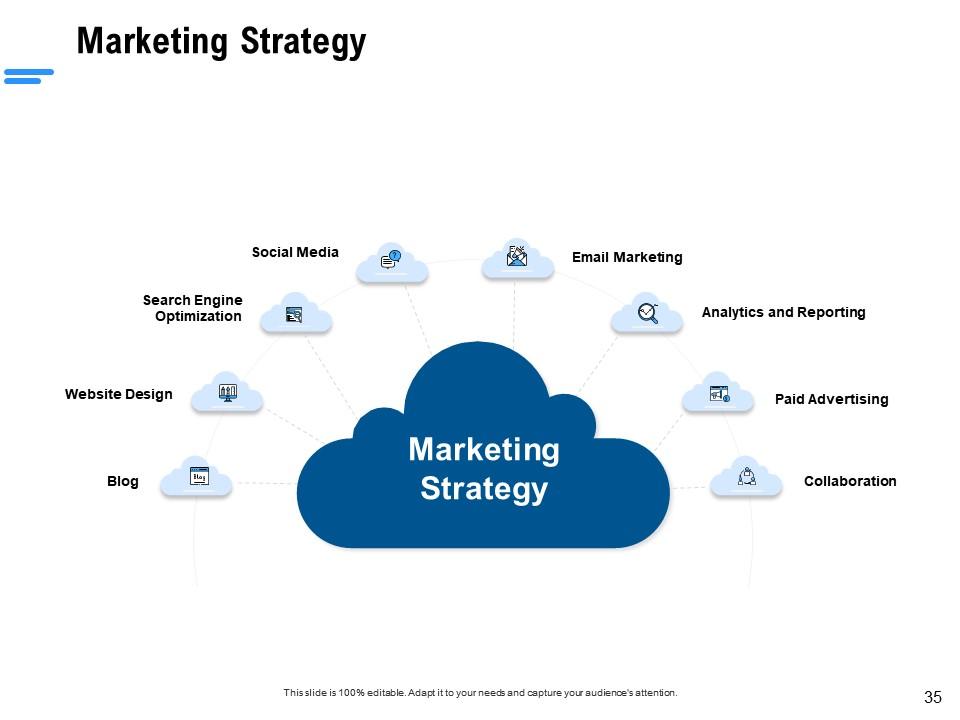
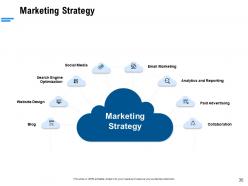
Slide 35: This slide presents Marketing Strategy.
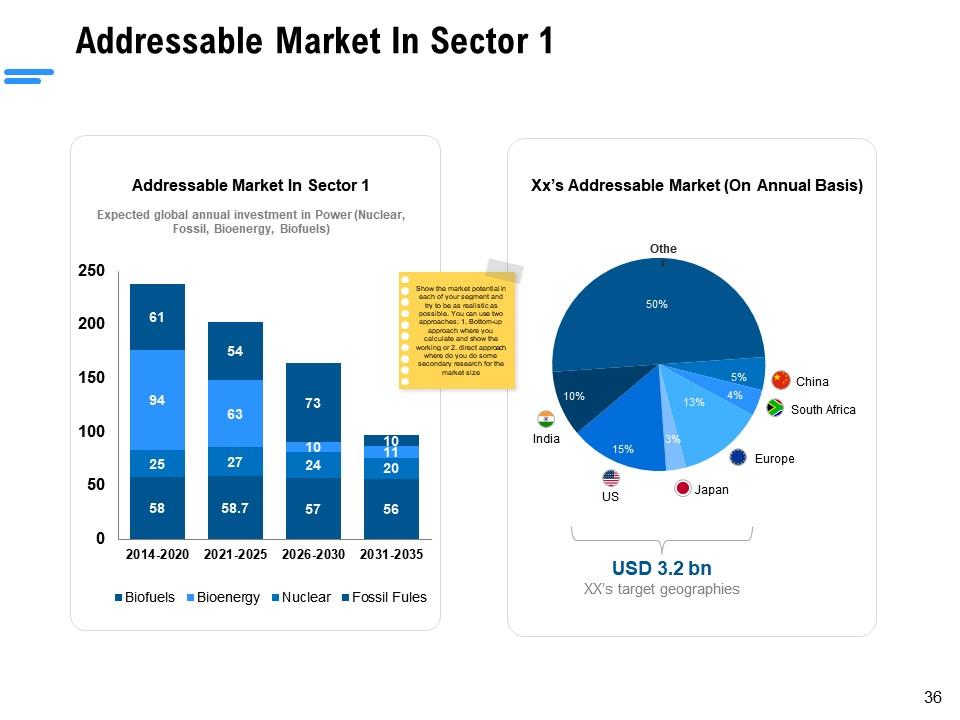
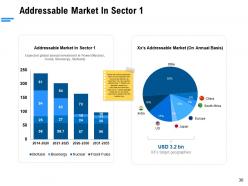
Slide 36: This slide shows Addressable Market In Sector 1.
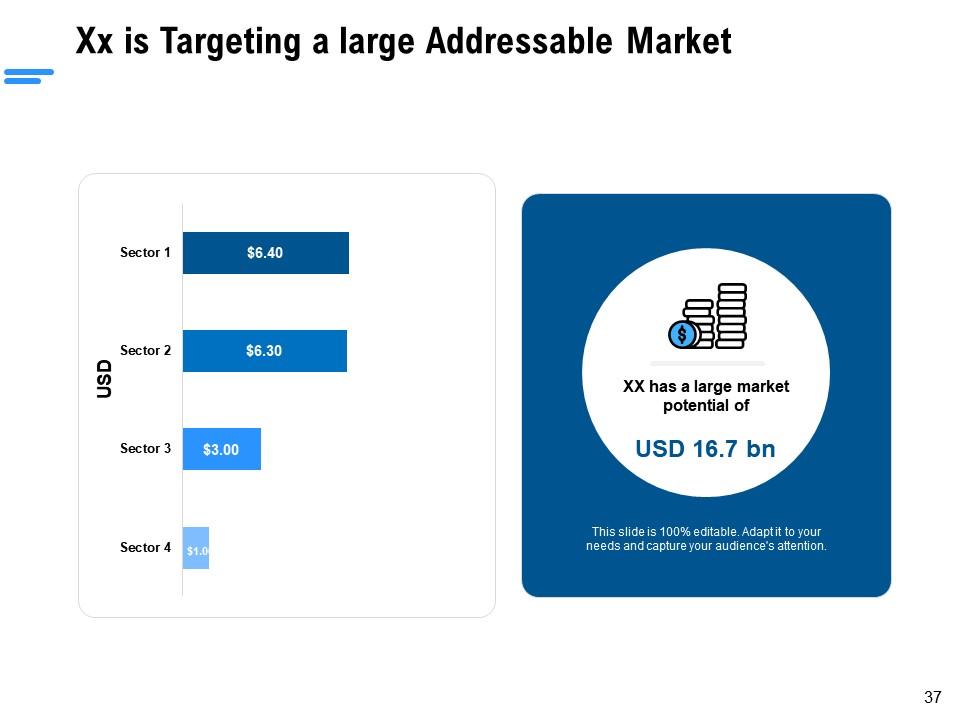
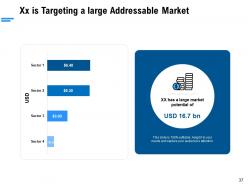
Slide 37: This slide shows Targeting a large Addressable Market by the Company.
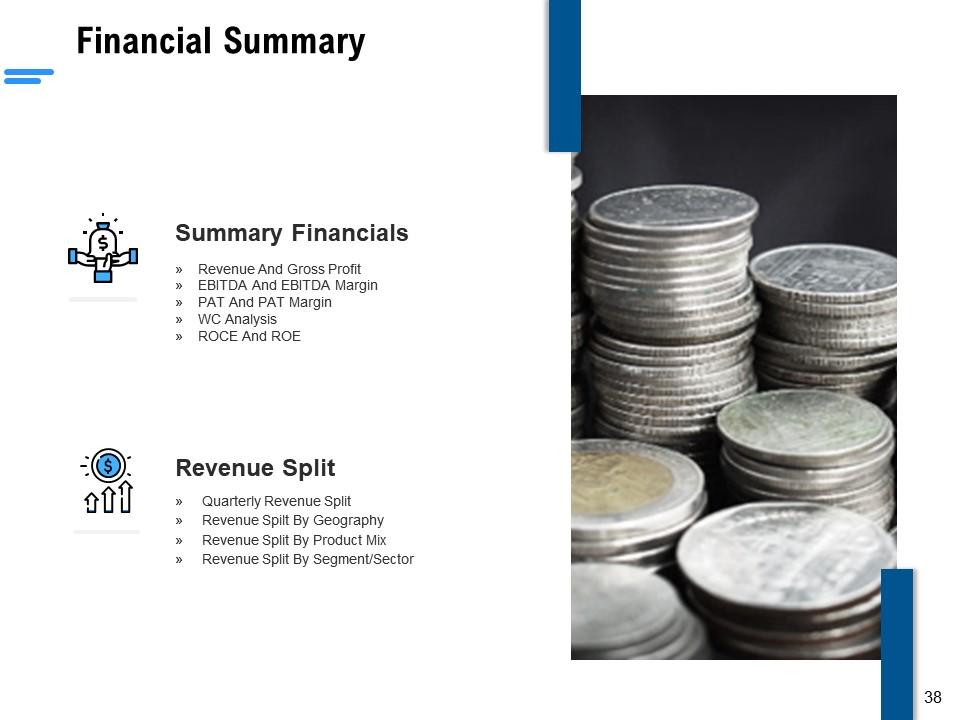
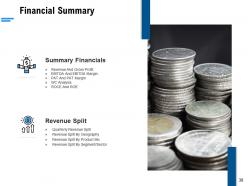
Slide 38: This slide displays the Financial Summary.
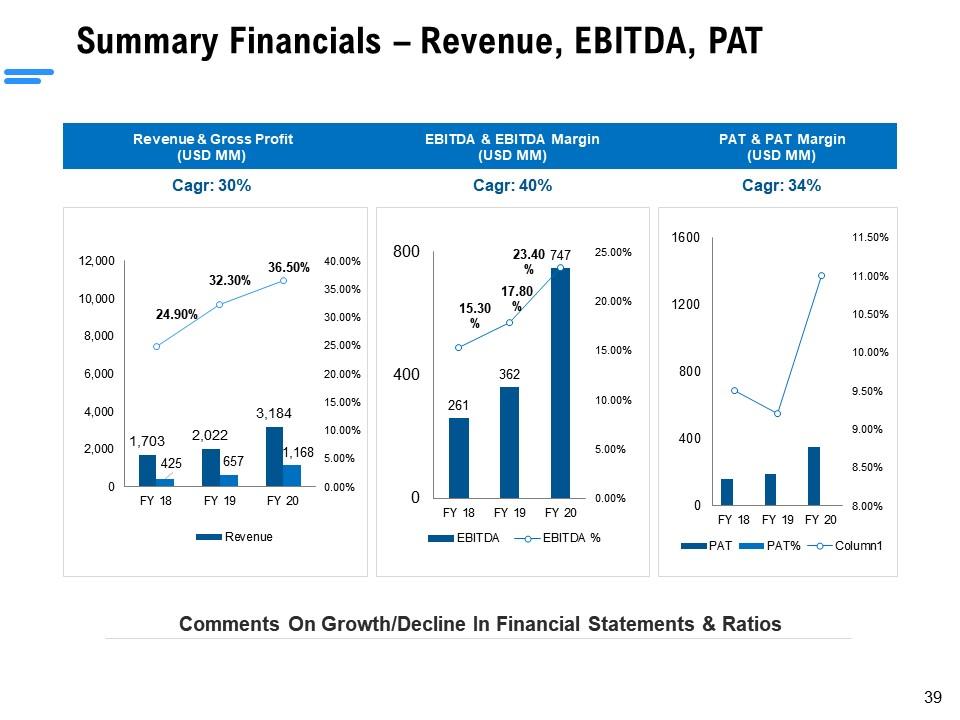
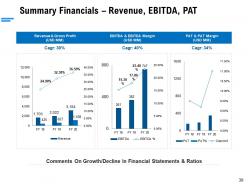
Slide 39: This slide presents Summary Financials – Revenue, EBITDA, PAT.
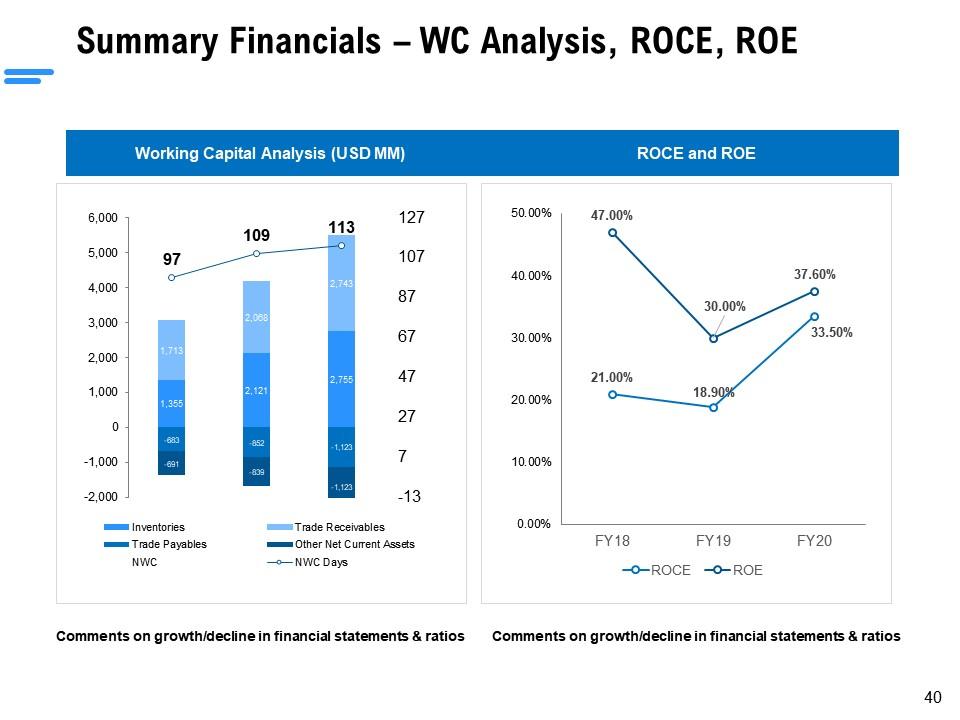
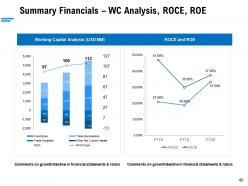
Slide 40: This slide depicts Summary Financials – WC Analysis, ROCE, ROE.
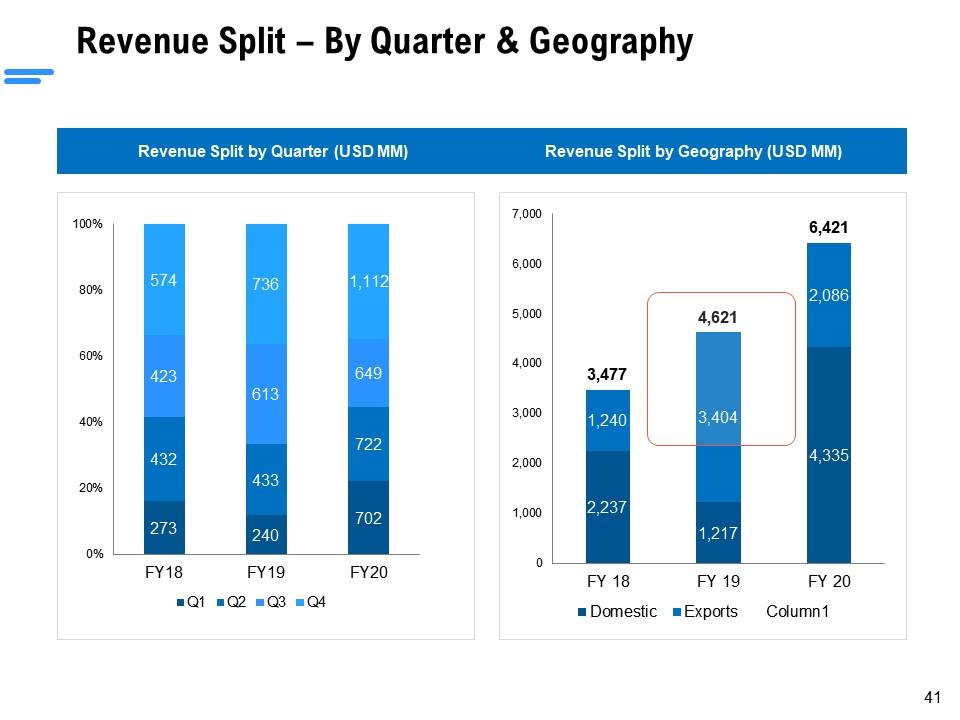
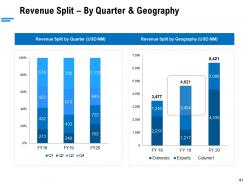
Slide 41: This slide showcases Revenue Split – By Quarter & Geography.
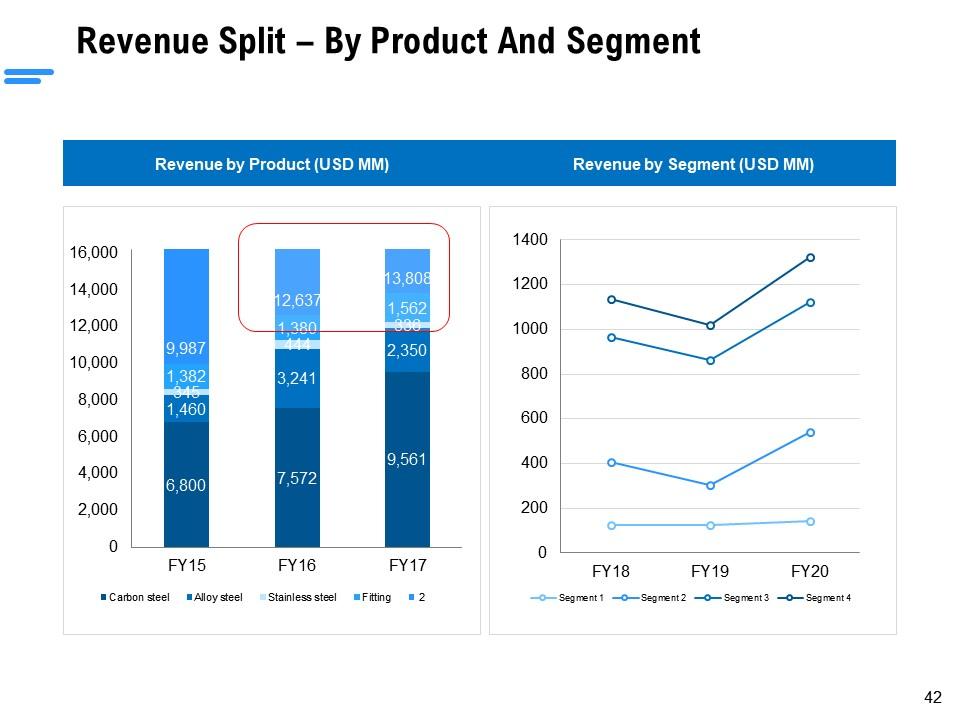
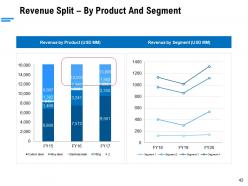
Slide 42: This slide shows Revenue Split – By Product And Segment.
Slide 43: This slide represents Client Testimonials.
Slide 44: This is Venture Capital Fundraising Icons Slide.
Slide 45: This slide is titled as Additional Slides for moving forward.
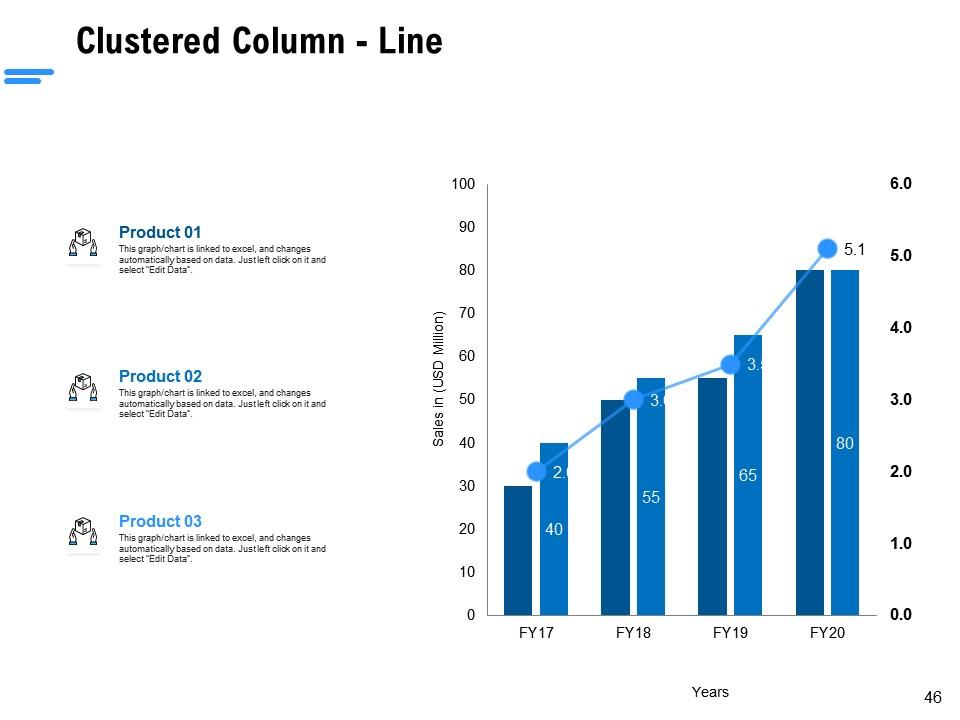
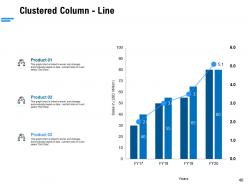
Slide 46: This slide displays Clustered Column - Line chart with product comparison.
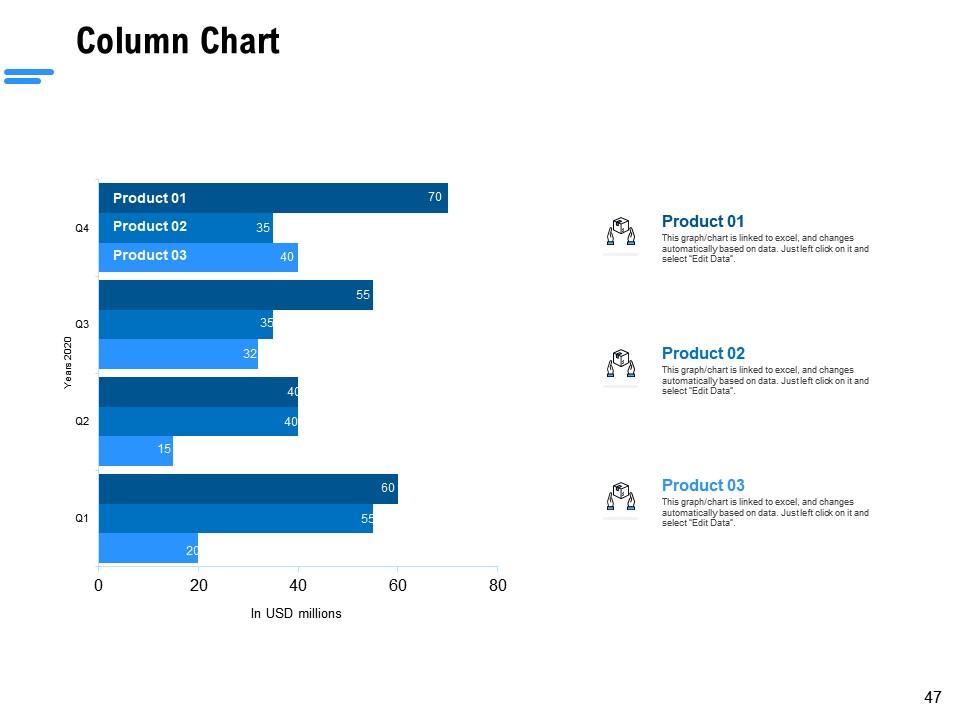
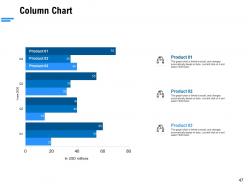
Slide 47: This slide displays Column Chart with product comparison.
Slide 48: This is Our Team slide with Names and Designations.
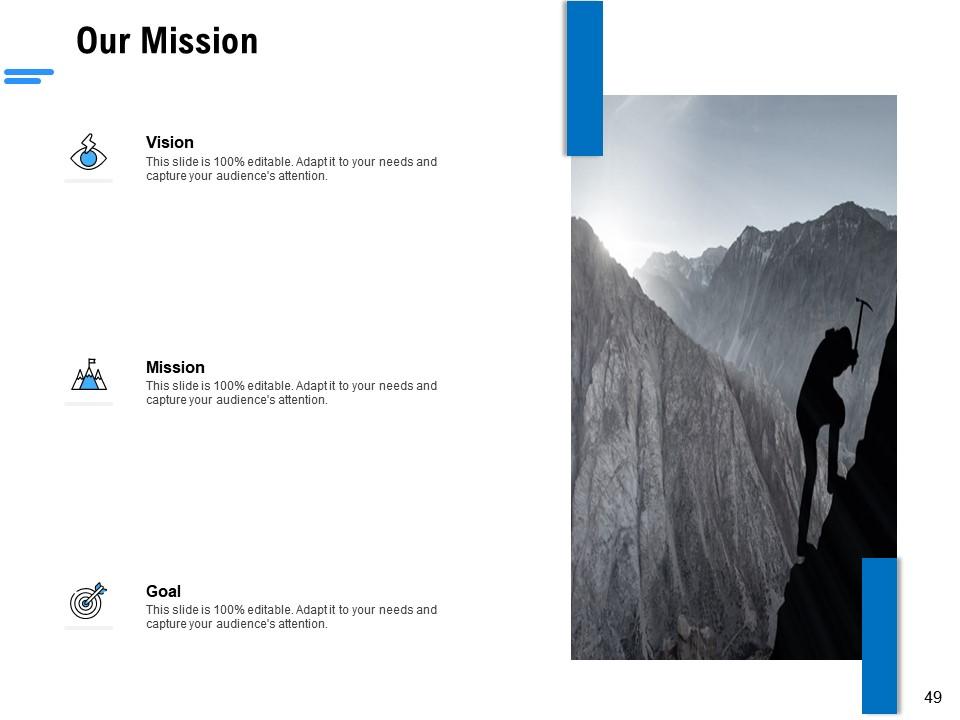
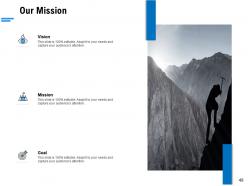
Slide 49: This is Our Mission slide with Vision, Mission and Goal.
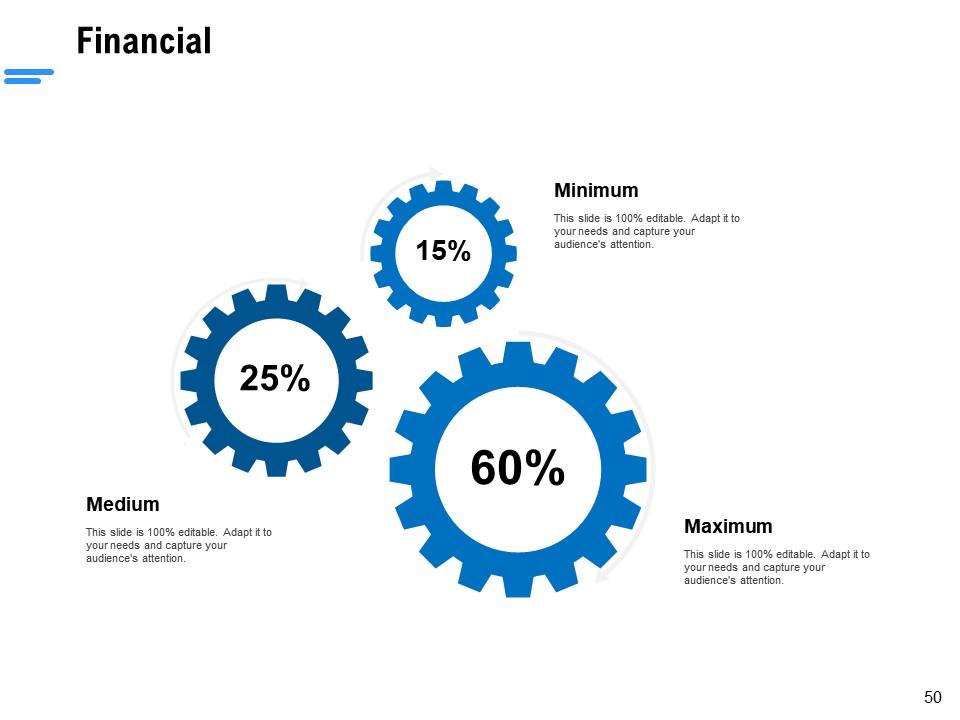
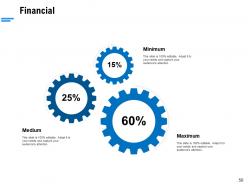
Slide 50: This is Financial slide. Showcase finance related stuff here.
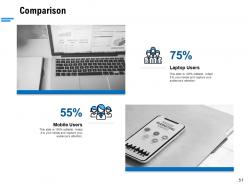
Slide 51: This is Comparison slide showcasing comparison between Mobile users and Laptop users.
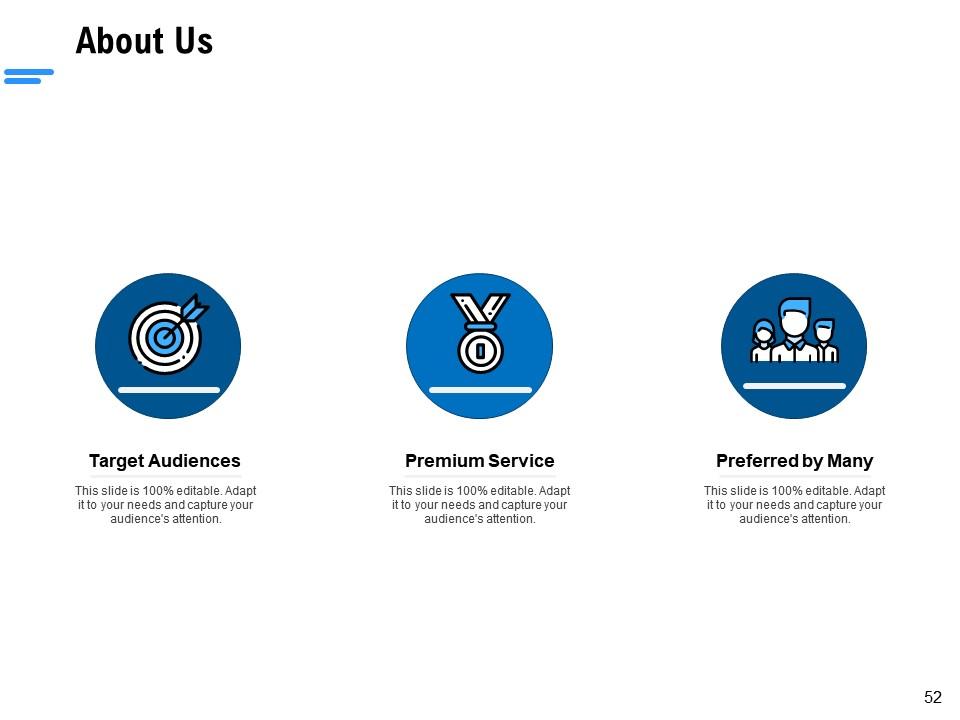
Slide 52: This is About Us slide to showcase Company specifications.
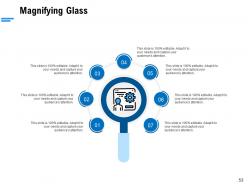
Slide 53: This slide displays Magnifying Glass to highlight the important content.
Slide 54: This is Thank You slide with Email address, Address, and Contact number.
Venture capital fundraising powerpoint presentation slides with all 54 slides:
Use our Venture Capital Fundraising Powerpoint Presentation Slides to effectively help you save your valuable time. They are readymade to fit into any presentation structure.
-
Visually stunning presentation, love the content.
-
Appreciate the research and its presentable format.
-
Content of slide is easy to understand and edit.
