


Wedding Catering Business Plan Powerpoint Presentation Slides




Try Before you Buy Download Free Sample Product
 Impress Your
 Audience
 100%
100% Editable
 Save Hours
 of Time


Discover our professionally designed Wedding Catering Business Plan PPT, which provides detailed information on the catering services industry. This business plan covers essential topics such as industry statistics, growth drivers, market trends, and key challenges, including lucrative opportunities. The plan outlines marketing, financial, and operational standpoints of the catering business, which is always in demand, especially for special events, weddings, and corporate events. Starting a catering business offers the benefits of being your own boss and having control over your work schedule. The business plan provides an overview of the companys vision, mission, goals, start up expenses, key services offered, and success factors. It also includes customer analysis for the catering industry in the USA, buyers persona, and market sizing. Furthermore, it covers competitor analysis, SWOT analysis, PORTERS framework, and a detailed marketing plan. The financial summary section portrays a revenue model, economic impact, profit and loss statement, and break even analysis. Download this editable presentation and create a successful business strategy for your catering business.
People who downloaded this PowerPoint presentation also viewed the following :
Content of this Powerpoint Presentation
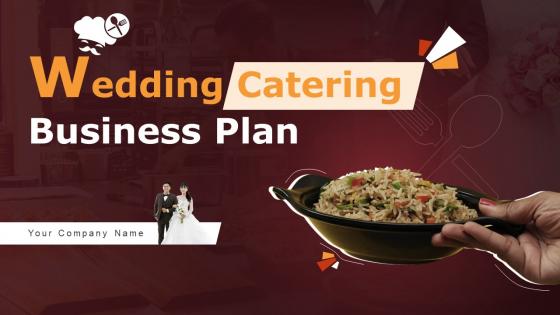
Slide 1: This slide introduces Wedding Catering Business Plan. State your company name and begin.
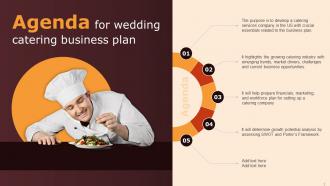
Slide 2: This slide states Agenda of the presentation.
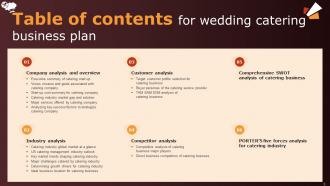
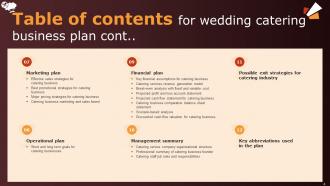
Slide 3: This slide shows Table of Content for the presentation.
Slide 4: This slide highlights title for topics that are to be covered next in the template.
Slide 5: This slide presents Executive summary of catering start-up.
Slide 6: This slide displays Vision, mission and goals associated with catering company.
Slide 7: This slide represents Start-up cost summary for catering company.
Slide 8: This slide showcases Catering industry market gap and solution.
Slide 9: This slide shows Major services offered by catering company.
Slide 10: This slide presents Analyzing key success factors to strategize catering company.
Slide 11: This slide highlights title for topics that are to be covered next in the template.
Slide 12: This slide displays Catering industry global market at a glance.
Slide 13: This slide represents US catering management industry outlook.
Slide 14: This slide showcases Key market trends shaping catering industry.
Slide 15: This slide shows Major challenges catered by catering industry.
Slide 16: This slide presents Determining growth drivers for catering industry.
Slide 17: This slide displays Ideal business location for catering business.
Slide 18: This slide highlights title for topics that are to be covered next in the template.
Slide 19: This slide represents Target customer profile selection for catering business.
Slide 20: This slide showcases Buyer personas of the catering service provider.
Slide 21: This slide shows TAM SAM SOM analysis of catering business.
Slide 22: This slide highlights title for topics that are to be covered next in the template.
Slide 23: This slide presents Competitive analysis of catering business major players.
Slide 24: This slide displays Direct business competitors of catering business.
Slide 25: This slide highlights title for topics that are to be covered next in the template.
Slide 26: This slide represents Comprehensive SWOT analysis of catering business.
Slide 27: This slide highlights title for topics that are to be covered next in the template.
Slide 28: This slide showcases PORTER’S five forces analysis for catering industry.
Slide 29: This slide highlights title for topics that are to be covered next in the template.
Slide 30: This slide shows Effective for catering business.
Slide 31: This slide presents Best promotional strategies for catering business.
Slide 32: This slide displays Major pricing strategies for catering business.
Slide 33: This slide represents Catering business marketing and sales funnel.
Slide 34: This slide highlights title for topics that are to be covered next in the template.
Slide 35: This slide showcases Short and long term goals for catering businesses.
Slide 36: This slide highlights title for topics that are to be covered next in the template.
Slide 37: This slide shows Key financial assumptions for catering business.
Slide 38: This slide presents Catering services revenue generation model.
Slide 39: This slide displays Break-even analysis with fixed and variable cost.
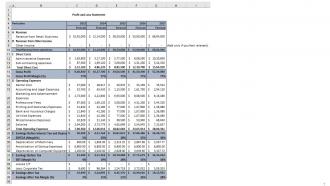
Slide 40: This slide represents Projected profit and loss account statement.
Slide 41: This is another slide continuing Projected profit and loss account statement.
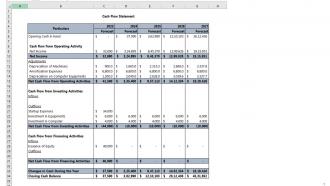
Slide 42: This slide showcases Projected cash flow statement for catering business.
Slide 43: This is another slide continuing Projected cash flow statement for catering business.
Slide 44: This slide shows Catering business comparative balance sheet statement.
Slide 45: This slide presents Catering business comparative balance sheet statement.
Slide 46: This slide displays Scenario-based analysis with realistic, optimistic, and pessimistic cases.
Slide 47: This is another slide continuing Scenario analysis with realistic, optimistic, and pessimistic cases.
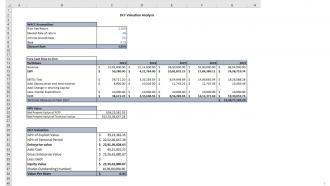
Slide 48: This slide represents Discounted cash flow valuation for catering business.
Slide 49: This slide highlights title for topics that are to be covered next in the template.
Slide 50: This slide showcases Catering service company organizational structure.
Slide 51: This slide shows Professional summary of catering business founder.
Slide 52: This slide presents Catering staff job roles and responsibilities.
Slide 53: This is another slide continuing Catering staff job roles and responsibilities.
Slide 54: This slide highlights title for topics that are to be covered next in the template.
Slide 55: This slide displays Possible exit strategies for catering industry.
Slide 56: This slide highlights title for topics that are to be covered next in the template.
Slide 57: This slide represents Key abbreviations used in the plan.
Slide 58: This slide contains all the icons used in this presentation.
Slide 59: This slide is titled as Additional Slides for moving forward.
Slide 60: This is About Us slide to show company specifications etc.
Slide 61: This slide provides Clustered Column chart with two products comparison.
Slide 62: This is a Comparison slide to state comparison between commodities, entities etc.
Slide 63: This slide depicts Venn diagram with text boxes.
Slide 64: This is Our Mission slide with related imagery and text.
Slide 65: This slide presents Roadmap with additional textboxes.
Slide 66: This is a Financial slide. Show your finance related stuff here.
Slide 67: This is an Idea Generation slide to state a new idea or highlight information, specifications etc.
Slide 68: This slide contains Puzzle with related icons and text.
Slide 69: This is a Timeline slide. Show data related to time intervals here.
Slide 70: This is a Thank You slide with address, contact numbers and email address.
Wedding Catering Business Plan Powerpoint Presentation Slides with all 79 slides:
Use our Wedding Catering Business Plan Powerpoint Presentation Slides to effectively help you save your valuable time. They are readymade to fit into any presentation structure.








































































FAQs for Wedding Catering Business Plan
A wedding catering business plan should include market analysis, target customer profiles, menu offerings and pricing strategies, operational logistics, staffing requirements, and comprehensive financial projections. These components work together by establishing clear service parameters, defining competitive positioning, and ensuring sustainable profitability, with many catering businesses finding that detailed venue partnerships and seasonal demand planning ultimately deliver consistent bookings and enhanced customer satisfaction.
Market research helps identify target clients by analyzing demographics, income levels, wedding spending patterns, venue preferences, and seasonal trends in your service area. Through surveys, competitor analysis, and local wedding industry data, catering businesses can pinpoint couples seeking specific service levels, dietary preferences, and budget ranges, ultimately enabling targeted marketing strategies and service packages that resonate with their ideal clientele.
Differentiation strategies include signature menu offerings, specialized dietary accommodations, personalized service packages, unique presentation styles, and technology-enhanced planning experiences. These approaches streamline client interactions while enhancing memorable moments, with many catering businesses finding that combining locally-sourced ingredients with customizable service tiers ultimately delivers competitive advantage and higher client satisfaction rates.
Essential budgeting considerations include commercial kitchen equipment, food inventory costs, staffing expenses, liability insurance, transportation vehicles, and marketing investments. These foundational elements require significant upfront capital, with many catering entrepreneurs finding that allocating 30-40% for equipment, 25% for initial inventory, and maintaining cash reserves for seasonal fluctuations ensures sustainable growth and competitive service delivery.
A wedding catering business can establish pricing by calculating food costs, labor expenses, overhead, equipment rentals, and desired profit margins, typically using cost-plus or value-based pricing strategies. Through detailed menu costing, competitive market analysis, and seasonal adjustments, catering companies streamline operations while delivering exceptional service experiences, ultimately ensuring sustainable profitability and competitive positioning.
Couples increasingly prefer customizable menus featuring seasonal ingredients, dietary accommodations, interactive stations, signature cocktails, and fusion cuisine options that reflect their personal story. These offerings can be effectively marketed through styled photography showcasing plated presentations, vendor partnerships with wedding planners, social media testimonials from real couples, and tasting events that demonstrate culinary creativity, ultimately delivering memorable experiences while building competitive advantage in an increasingly personalized wedding market.
Wedding catering services require business licenses, food service permits, liquor licenses for alcohol service, health department certifications, and liability insurance coverage. These regulatory requirements vary by state and municipality, with many catering entrepreneurs finding that early compliance with food safety protocols, vendor permits, and commercial kitchen certifications streamlines operations and ultimately delivers client confidence and competitive credibility.
A wedding catering business can leverage social media through visually stunning food photography, client testimonials, behind-the-scenes content, targeted Facebook and Instagram advertising, and strategic partnerships with wedding vendors. These digital marketing approaches streamline client acquisition by showcasing culinary expertise, building trust through reviews, and expanding reach within engaged couples' networks, ultimately delivering higher booking rates and competitive market positioning.
Customer feedback serves as a critical tool for refining menu selections, service protocols, presentation styles, staff training, and operational efficiency in wedding catering businesses. Through post-event surveys and client consultations, catering companies can identify popular dishes, service gaps, and emerging trends, ultimately delivering more personalized experiences and competitive advantage in an increasingly demanding market.
Partnerships with venues, event planners, and vendors enable wedding caterers to access steady referral streams, expand service offerings, and reduce marketing costs through collaborative promotion. These strategic relationships streamline operations by creating integrated service packages, while venues benefit from trusted catering partners, ultimately delivering seamless wedding experiences and increased booking opportunities for all parties involved.
Wedding catering logistics include menu planning, ingredient procurement, kitchen scheduling, food preparation timing, transportation coordination, and on-site service management. These operations streamline event execution by coordinating staff assignments, maintaining food safety standards, and ensuring seamless delivery schedules, with many catering businesses finding that systematic logistics planning ultimately delivers consistent service quality and enhanced client satisfaction.
Hiring skilled staff is crucial for wedding catering success, as experienced chefs, servers, and coordinators directly impact food quality, service efficiency, and client satisfaction. Essential training should cover food safety protocols, presentation standards, dietary restriction management, and wedding-specific service etiquette, with many catering businesses finding that comprehensive staff development programs ultimately deliver enhanced client experiences and competitive differentiation.
Current trends influencing wedding catering include farm-to-table sourcing, interactive food stations, dietary accommodations like vegan and gluten-free options, sustainable practices, and personalized menu experiences reflecting couples' cultural backgrounds. These trends enable caterers to differentiate their services by offering customizable packages, partnering with local suppliers, and incorporating experiential dining elements, ultimately delivering enhanced guest satisfaction and competitive positioning in an increasingly personalized wedding market.
A wedding catering business can measure success through revenue growth, client retention rates, average contract values, profit margins, and customer satisfaction scores. These metrics enable caterers to track operational efficiency, service quality, and market positioning, with many successful catering companies finding that consistent measurement of booking frequency and referral rates ultimately delivers sustainable growth and competitive advantage.
Best practices include personalized service consultations, transparent communication throughout planning, flexible menu customization, timely vendor coordination, and post-event follow-ups with couples and their families. These approaches enhance client satisfaction by building trust, managing expectations effectively, and creating memorable experiences, with many catering businesses finding that exceptional service delivery and genuine relationship-building ultimately drives referrals and repeat bookings for future family celebrations.
-
It's always a delight to see new templates from you! I am extremely pleased with the fact that they are easy to modify and fit any presentation layout in seconds!
-
Unique design & color.