

Workers Compensation And Incentives Powerpoint Presentation Slides





Try Before you Buy Download Free Sample Product
 Impress Your
 Audience
 100%
100% Editable
 Save Hours
 of Time


Defining a compensation strategy is an important activity for all companies, including start-ups. The worker's incentive strategy must be affordable, structured and reasonably competitive. Use our content ready workers compensation and incentives PowerPoint presentation to showcase the benefits of incentives and compensation offered to your employees. This content ready complete deck has 40 slides like basic employee compensation layout, employee compensation components, employee compensation breakup, employee compensation system, employee compensation plan types, employee compensation package, employee compensation structure, list of employee benefits and many other important slides. This PowerPoint template could be very useful for HR department to explain the benefits of working in the company for new employees as well as to retain existing employees. Download our employee benefits and compensation policy PowerPoint templates to keep your employees aware of what they are being offered. Identify different factions with our Workers Compensation And Incentives Powerpoint Presentation Slides. Figure out the factors causing differences.
People who downloaded this PowerPoint presentation also viewed the following :
Content of this Powerpoint Presentation
Slide 1: This slide introduces Worker’s Compensation and Incentives. State Your Company Name and begin.
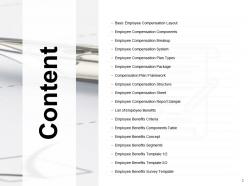
Slide 2: This slide shows Content of the presentation.
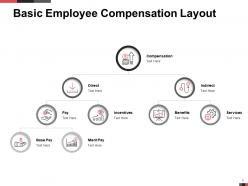
Slide 3: This slide shows Basic Employee Compensation Layout.
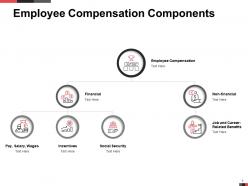
Slide 4: This slide presents Employee Compensation Components describing- Pay, Salary, Wages, Incentives, Social Security, Job and Career-related Benefits.
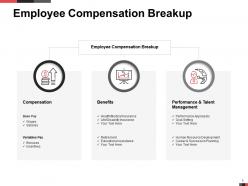
Slide 5: This slide displays Employee Compensation Breakup describing- Benefits, Compensation, Performance & Talent Management.
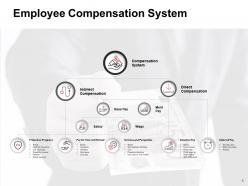
Slide 6: This slide represents Employee Compensation System describing- Protection Program, Pay for Time Not Worked, Services and Perquisites, Base Pay, Merit Pay, Incentive Pay, Deferred Pay.
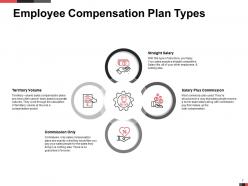
Slide 7: This slide showcases Employee Compensation Plan Types as Territory Volume, Straight Salary, Salary Plus Commission, Commission Only.
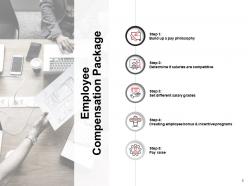
Slide 8: This slide shows Employee Compensation Package describing- Build up a Pay Philosophy, Set Different Salary Grades, Determine if Salaries are Competitive, Pay Raises, Creating Employee Bonus & Incentive Programs.
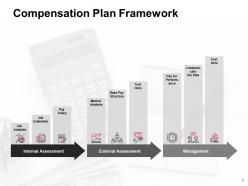
Slide 9: This slide presents Compensation Plan Framework with Internal Assessment, External Assessment, Management.
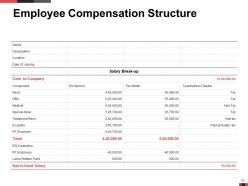
Slide 10: This slide displays Employee Compensation Structure describing salary break-up.
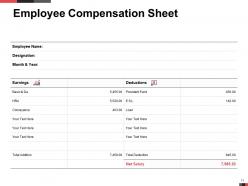
Slide 11: This slide represents Employee Compensation Sheet showing earnings, deductions and net salary.
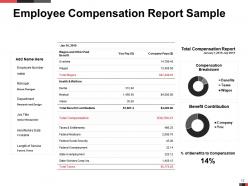
Slide 12: This slide showcases Employee Compensation Report Sample.
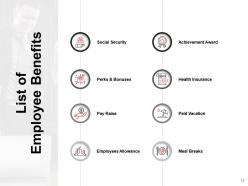
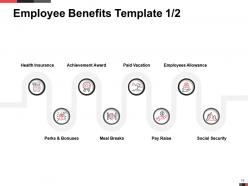
Slide 13: This slide shows List of Employee Benefits describing- Meal Breaks, Social Security, Perks & Bonuses, Pay Raise, Employees Allowance, Health Insurance, Paid Vacation, Achievement Award.
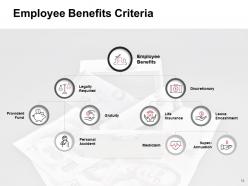
Slide 14: This slide presents Employee Benefits Criteria in hierarchy form.
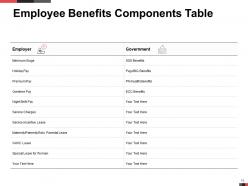
Slide 15: This slide displays Employee Benefits Component Table describing benefits provided by employer and government.
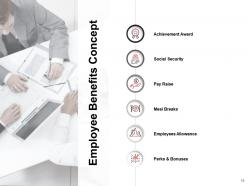
Slide 16: This slide represents Employee Benefits Concept with- MEAL BREAKS, SOCIAL SECURITY, PARKS & BONUSES, PAY RAISE, EMPLOYEES ALLOWANCE, ACHIEVEMENTS AWARD.
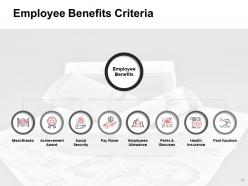
Slide 17: This slide showcases Employee Benefits Criteria describing- Meal Breaks, Social Security, Perks & Bonuses, Pay Raise, Employees Allowance, Health Insurance, Paid Vacation, Achievement Award.
Slide 18: This slide shows Employee Benefits Template. You can add or edit data as per requirements.
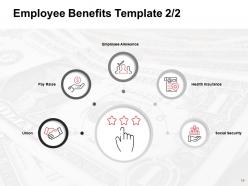
Slide 19: This is another slide presenting Employee Benefits Template.
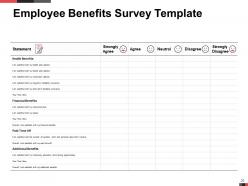
Slide 20: This slide represents Employee Benefits Survey Template with scale range from strongly agree to strongly disagree.
Slide 21: This slide displays Employee Compensation and Benefits Icons.
Slide 22: This slide reminds about a Coffee Break.
Slide 23: This slide is titled as Additional Slides for moving forward.
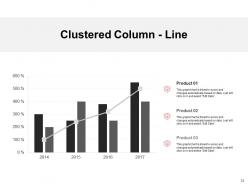
Slide 24: This slide shows Clustered Column - Line chart. You can change the data as per requirements.
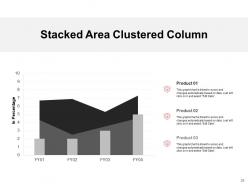
Slide 25: This slide presents Stacked Area Clustered Column chart with three products comparison.
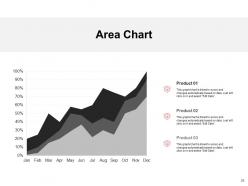
Slide 26: This slide displays Area Chart for different products comparison.
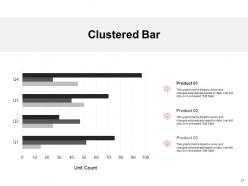
Slide 27: This slide showcases Clustered Bar chart with three products comparison.
Slide 28: This is Our Mission slide with related imagery and text.
Slide 29: This is Meet Our Team slide with names and designation.
Slide 30: This is About Us slide to show company specifications etc.
Slide 31: This is a Quotes slide to convey message, beliefs etc.
Slide 32: This slide is titled as Post It Notes. Post your important notes here.
Slide 33: This is a Puzzle slide with additional text boxes.
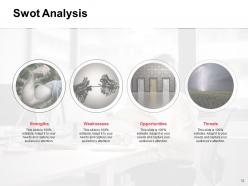
Slide 34: This slide shows Swot Analysis describing- Strengths, Weaknesses, Opportunities and Threats.
Slide 35: This is a Target slide. State your targets here.
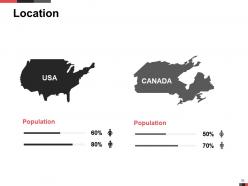
Slide 36: This is a Location slide with maps to show data related with different locations.
Slide 37: This is a Venn with text boxes.
Slide 38: This slide displays Magnifying Glass to highlight information.
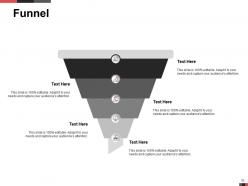
Slide 39: This slide shows Funnel diagram with text boxes to show information, specifications etc.
Slide 40: This is a Thank You slide with address, contact numbers and email address.
Workers Compensation And Incentives Powerpoint Presentation Slides with all 40 slides:
Launch your crusade on our Workers Compensation And Incentives Powerpoint Presentation Slides. Your thoughts will be blessed with success.







FAQs for Workers Compensation And Incentives
So workers' comp is basically insurance that covers you if you get hurt at work - doesn't matter whose fault it is. You'll get your medical bills paid and some of your wages covered while you recover. Companies love it too because it stops employees from suing them over workplace injuries, which honestly could bankrupt smaller businesses. The whole thing works because injured workers get help fast, and employers don't have to worry about massive lawsuits. Just make sure you know how your company handles reporting accidents beforehand - way easier than figuring it out when you're already hurt.
Yeah, workers' comp is all over the place depending on your state. Each one makes their own rules, so you might get 60% of your pay in one place but 80% somewhere else. The benefit caps are totally different too. California's way more generous than like, Alabama - it's kinda crazy honestly. Medical coverage, what injuries count, how long benefits last, dispute process... all depends where you work. I'd definitely check your state's workers' comp website if you need specifics. Way better than guessing.
Yeah, workers' comp covers pretty much what you'd think - slips, falls, back injuries from lifting heavy stuff, cuts, burns. Repetitive stuff like carpal tunnel too. Machine accidents? Yep. Chemical exposure? Also covered. Occupational diseases that build up over time are included, plus hearing loss if your workplace is super loud. Some states even cover mental health claims now, which is honestly about time. The main thing is you gotta prove it happened because of work. So if something goes down, document everything - dates, what happened, witnesses if there were any. Makes the whole process way smoother.
First thing - tell your boss today if you can, don't wait around. They'll hand you some claim forms to fill out. Get to a doctor right away so there's a paper trail of everything. Your employer sends the claim to their insurance company, then those people investigate and decide if they're gonna approve it or not. Honestly the whole thing takes forever and is kind of a pain. But keep copies of every single document and bug them regularly for updates. Oh and if they say no to your claim, you can fight it - just don't sit on it too long because deadlines are real.
Look, preventing accidents is way smarter than dealing with lawsuits later - trust me on this one. You've got to identify hazards, train people properly, and actually enforce safety rules (not just have them on paper). Regular inspections are huge, plus making sure everyone has the right protective gear. Oh, and create an environment where workers can speak up about dangerous stuff without getting in trouble. My old boss learned this the hard way after a preventable accident cost them big time. Document everything you do safety-wise. It's honestly your best protection against workers' comp claims down the road.
Look, workers' comp is for when your own employees get hurt at work - pays their medical bills and wages even if they screwed up. Liability insurance? That's when you accidentally hurt someone else or wreck their stuff. Like if a customer slips in your store vs. your worker breaks their arm. Two totally different things, but honestly you'll go broke without both. Workers' comp doesn't care whose fault it was, but liability only kicks in when you're the one who messed up. Different problems, different coverage.
So workers' comp - there's basically three things that'll actually move the needle. Safety training is huge, and I mean like real training, not just checking boxes. Get your job classifications right too because that's literally how they set your rates. Your claims history follows you around forever, so document everything properly when stuff happens. Oh and definitely get a broker who knows workers' comp inside and out - they'll audit your policy yearly and catch when you're getting screwed on classifications. It's way less complicated than people make it sound, but those details matter.
Don't mess around with this - states will absolutely crush you with fines, sometimes daily ones that add up fast. Criminal charges are possible too, which... yeah, no thanks. Without coverage, you're on the hook for everything if someone gets hurt - medical bills, lost wages, the whole nightmare. Some places will literally shut you down until you comply. My cousin learned this the hard way and ended up paying way more in penalties than insurance would've cost. Just get the coverage, it's so much cheaper than dealing with the fallout later.
Ugh, workers' comp stuff is such a pain. First thing - grab every piece of paper you can find. Medical records, incident reports, literally anything related to your claim. Make copies because I swear documents just vanish when you need them. You'll need to file an appeal through your state's comp board pretty quick - they give you like 30-90 days depending where you live. Honestly? Get a lawyer who handles this stuff. They usually don't charge upfront and actually know how to navigate all the bureaucratic nonsense. Don't let those insurance people push you around either.
Look, medical records are everything for workers' comp - seriously can't stress this enough. Your doctor needs to clearly connect your injury to work, show how bad it is, and document all treatment. Insurance companies will shut you down fast without solid paperwork (they love finding excuses to deny claims). These records also decide how much money you get and for how long. Be totally upfront with your doctor about what happened at work. Oh, and definitely keep copies of everything they give you - trust me on this one.
Dude, return-to-work programs are a game changer for workers' comp. They get people back faster, which cuts your claim costs big time. Modified duty is key - start it early. Injured workers actually heal better when they're not just stuck at home doing nothing (learned this the hard way at my last job). Medical bills drop, claim duration shrinks, and here's the thing - you avoid those messy fights between worker and company that drag everything out. People stay connected to work, relationships don't turn toxic. Your metrics will look way better across the board. Trust me on this one.
Ugh, it's such a mess honestly. Most gig workers get labeled as "independent contractors" which basically screws you over - no workers' comp like regular employees get. So if you crash your car doing DoorDash or whatever, you're stuck with the medical bills and can't work. Some apps are finally adding coverage but it's pretty bare-bones compared to real jobs. I'd definitely look into what your platform actually covers (might be less than you think) and maybe get your own disability insurance. It's annoying you have to do that but better safe than sorry.
Pull your incident reports from last year and map them by location, time, and task - you'll probably spot obvious trends immediately. Look for patterns in departments, shifts, or even weather conditions that correlate with more incidents. Track near misses and safety training completion too, not just actual injuries. Some companies go full data nerd with predictive models to flag high-risk employees before anything happens. Honestly, that's getting pretty sophisticated though. Start simple first - the low-hanging fruit is usually right there in your basic data once you actually look at it systematically.
Keep it simple - nobody's reading through pages of boring policy stuff. Hit them during new hire training, team meetings, and stick it somewhere obvious on your intranet. Break it down: how to report, what's covered, who to call. Honestly, flowcharts work way better than walls of text for the reporting process. People forget this stuff until they're bleeding, so do quarterly safety meetings to review everything. Maybe throw in some quick Q&A too. The whole point is getting everyone prepped before something actually goes wrong.
Yeah, it's gotten way messier lately. Premiums are through the roof because medical costs are insane and people know their rights better now. The whole remote work thing is a nightmare - like if someone trips over their cat while working from home, is that covered? Who knows. States keep changing rules about mental health claims and gig workers too. Oh, and with the labor shortage, insurance companies are being super picky about who they'll even cover. Honestly, I'd call your broker ASAP, especially if you've got remote people or contractors.
No Reviews