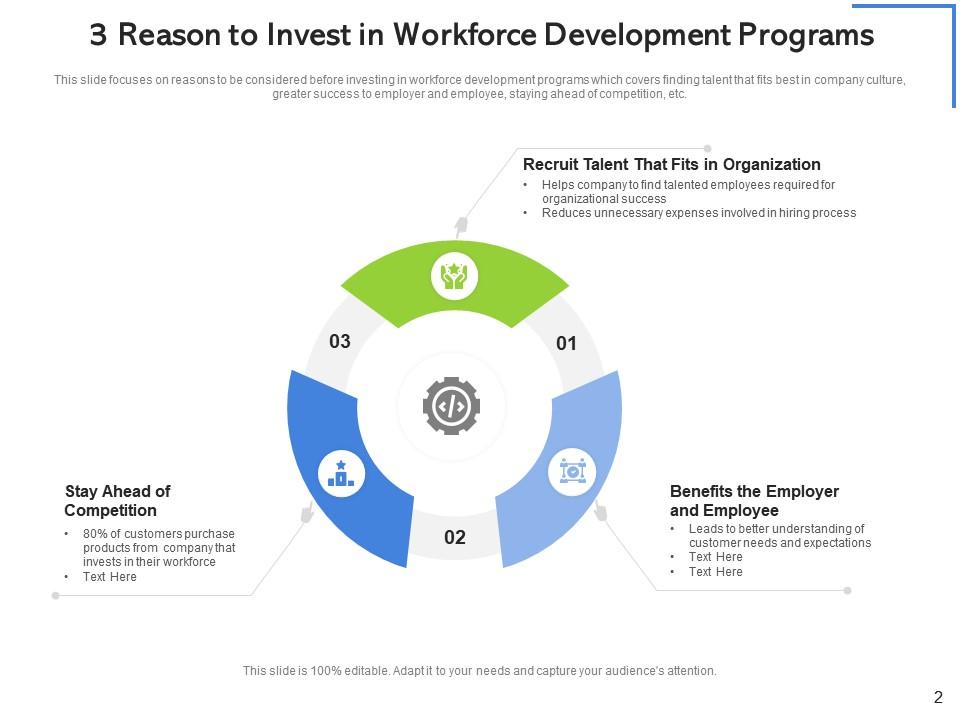
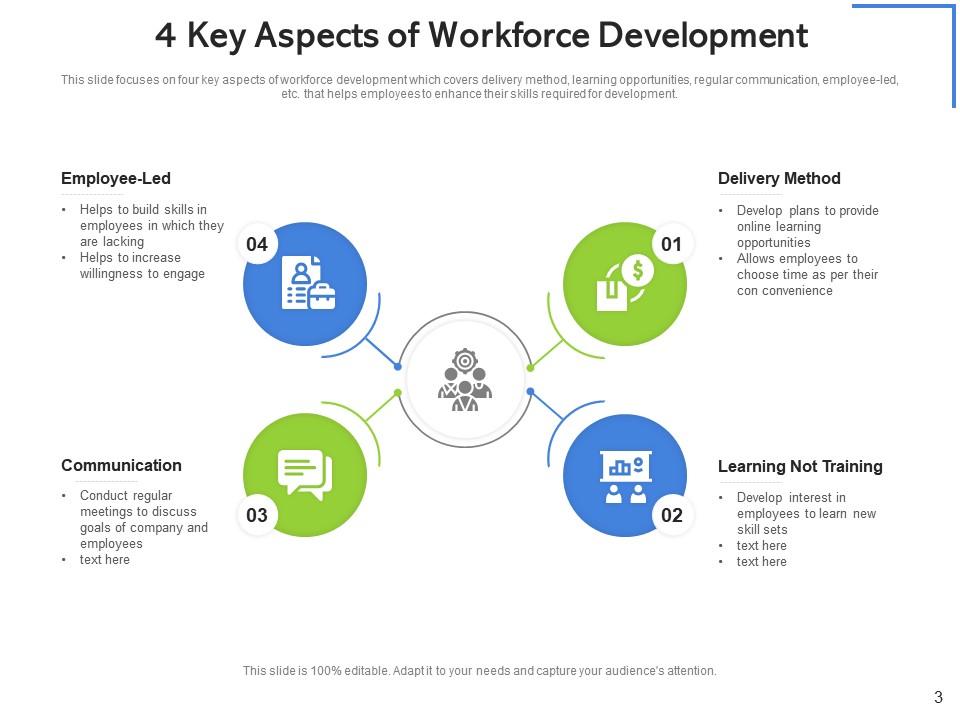
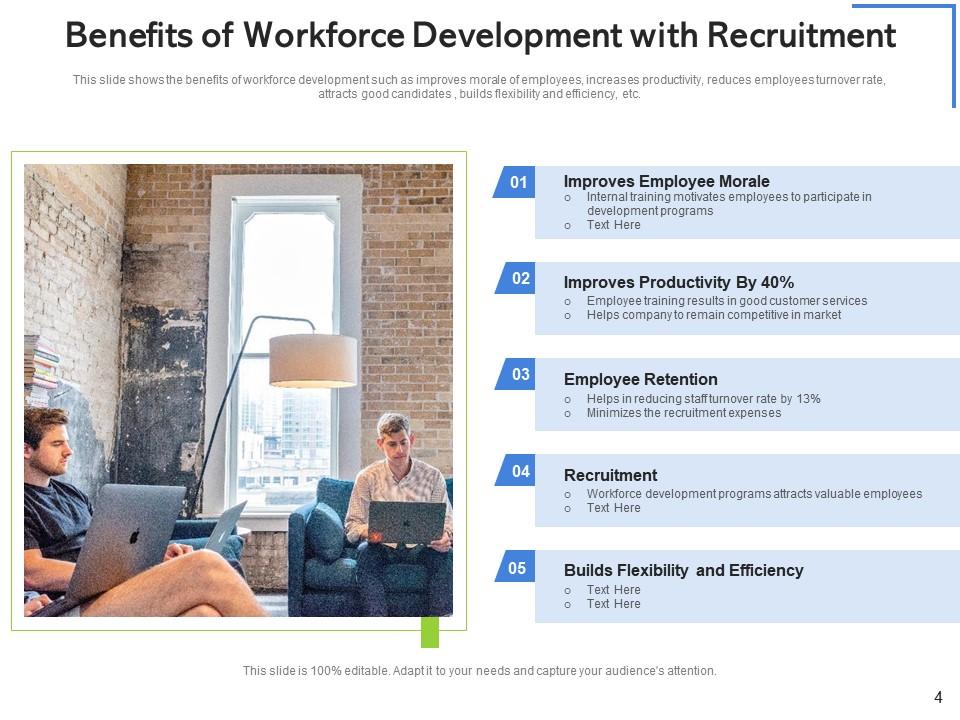
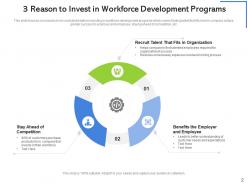
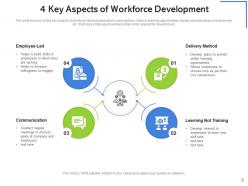
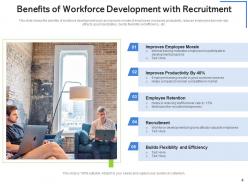
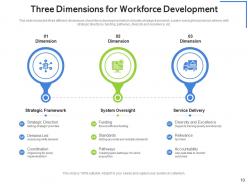
Workforce Development Organization Communication Recruitment Workforce Improvement
Try Before you Buy Download Free Sample Product
Audience
Editable
of Time
Our Workforce Development Organization Communication Recruitment Workforce Improvement are topically designed to provide an attractive backdrop to any subject. Use them to look like a presentation pro.
People who downloaded this PowerPoint presentation also viewed the following :
Workforce Development Organization Communication Recruitment Workforce Improvement with all 12 slides:
Use our Workforce Development Organization Communication Recruitment Workforce Improvement to effectively help you save your valuable time. They are readymade to fit into any presentation structure.
FAQs for Workforce Development Organization Communication
Honestly, focus on digital stuff and working with AI instead of fighting it. Data analysis is clutch right now. Communication skills matter more than ever since everyone's still doing remote work - and let's be real, most people are terrible at it. You need critical thinking too because there's so much AI-generated garbage online now. Project management and basic coding are becoming standard even outside tech. Oh, and adaptability obviously. My take? Don't try to learn everything at once. Pick one technical skill and one people skill, then actually stick with it through courses or real projects.
Honestly, just start by figuring out what skills your team actually has versus what you'll need down the road. Ask your people straight up where they feel lost - they'll tell you! Get managers to flag the gaps they're seeing too. Oh, and don't skip looking at your business strategy (I know, sounds boring but people forget this all the time). Check what's happening in your industry and what new tech might shake things up. The magic happens when you combine what employees are saying with your bigger picture planning. Focus groups work great for getting the real dirt from different departments.
Tech is honestly game-changing for workforce training these days. Learning platforms let you train people remotely, which is clutch. AI can personalize what each person learns based on their gaps. Data shows you what's actually moving the needle vs what you assume is working - and trust me, those are usually totally different things. VR training is blowing up too, especially for hands-on stuff. But here's the thing - don't just grab whatever's trendy. Map out your real training problems first, then find tech that fixes those specific issues. Way more effective than chasing every shiny new tool.
Honestly, most feedback forms are trash - just generic 1-5 ratings that tell you nothing. Ask employees specific stuff about whether the content actually applies to their job, if the delivery method worked, things like that. Focus groups are clutch too since people get way more honest in discussions. Then actually do something with what they tell you! Switch up formats, ditch programs that suck, whatever needs fixing. Oh and circle back to let them know what changed based on their input - people love seeing their feedback mattered.
Honestly, just weave learning into your regular work instead of making it this separate thing. Block out 15 minutes daily - sounds small but it adds up fast. Get your team sharing what they pick up, maybe quick lunch sessions or a Slack channel. One thing that actually works? "Failure parties" where people talk about their screwups. Sounds ridiculous but teams love it. Give people challenging projects and don't freak when they stumble. Here's the kicker though - you gotta do it too. If you're not obviously learning new stuff, they won't bother either. Start by booking 30 minutes this week for yourself.
Working with schools is honestly a game-changer for hiring. You get direct access to people who actually know the latest tech (sometimes better than us old-timers lol). The smart move? Be super specific about what skills you need when you reach out. Career services departments are your best bet - they love connecting students with jobs. You can even help shape their programs to match what you actually need. Internships work great too since you're basically test-driving potential hires. Oh, and don't sleep on their research capabilities if that's relevant to your business.
Track the obvious stuff first - completion rates, job placements, salary bumps, retention. Leadership eats that up. But honestly? The soft metrics matter just as much. Employee surveys and skills assessments tell you if people actually feel more confident. Career progression tracking is huge too. Oh, and if you're training new hires, definitely measure how fast they get up to speed - that one's a goldmine. Mix quarterly check-ins with yearly deep dives. Always connect everything back to business results though, especially when you need budget approval.
Target underrepresented groups during recruiting and team up with orgs that actually serve diverse communities. Your training materials need diverse examples and case studies - honestly should be a no-brainer. Flexible schedules help a ton, plus multiple locations and language support when needed. Set up mentoring with professionals from different backgrounds. Oh and definitely track your demographic data because you'll want to know if this is working or if you're just patting yourself on the back. Most companies think they're doing great until they actually look at the numbers.
Ugh, money and time are your biggest enemies here. You can't afford fancy training programs like the big guys. Finding decent trainers who actually get small businesses? Good luck with that mess. Pull someone for training and suddenly you're drowning in backed-up work. Then there's the whole retention nightmare - you spend money developing people and they bolt for corporations with actual benefits packages. Pretty frustrating cycle. My advice? Pick one skill area first. Don't try to fix everything at once or you'll burn out fast.
Mentorship programs are honestly a game-changer for developing your workforce. Experienced people directly share knowledge with newer hires, which speeds up skill building like crazy. Retention gets way better too - makes sense since employees feel more supported. The mentors actually benefit just as much by building leadership skills and getting fresh perspectives from younger staff. Oh, and the internal networks that form are super valuable. I'd say start small though - maybe just voluntary participation at first with clear expectations. That way you can show it works before rolling it out company-wide. People just perform better when someone's genuinely invested in their success.
Honestly, remote work flips everything upside down for training people. Digital skills become huge - way more important than before. Your team needs to master virtual collaboration and actually manage themselves without someone looking over their shoulder. The whole mentoring thing where you'd shadow someone? Basically dead now. You'll need online learning platforms and communication training that doesn't suck. Oh, and your managers? They're probably struggling too since leading remote teams is totally different. I'd take a hard look at what you're doing now and scrap anything that won't work remotely. The skills gap is no joke.
Honestly, hybrid learning is where it's at right now. Survey your team first to see what skills they're actually missing. Then focus on training the people you already have instead of hiring - the job market is still crazy expensive. Microlearning and online platforms work great because people can go at their own pace. Don't sleep on soft skills either, especially remote collaboration stuff. I know it sounds obvious but adaptability training has been huge for companies I've seen. Make everything as flexible as possible. Oh, and self-paced options are clutch - nobody wants to sit through another mandatory workshop at 3pm on Friday.
Honestly, soft skills are where the real career magic happens. Communication, problem-solving, teamwork - that stuff matters way more than I thought it would when I first started working. You can't just wait for them to develop naturally (I tried that, didn't work lol). Pick one thing to focus on for like a month - maybe active listening or handling conflict better. Practice in actual situations, then ask your manager or teammates for feedback. The reflection part after projects is huge too. I used to skip that step but it's where you actually learn what worked and what didn't.
Honestly, data analytics is a game-changer for figuring out your actual workforce needs instead of just winging it. You can see which roles are bleeding people, where productivity tanks, and what training actually works. Once you start spotting patterns in those dashboards, it gets weirdly addictive - trust me on this one. The trick is connecting your current talent data with where the business is headed. Check out industry trends, map internal promotion paths, see what skills you'll need before it becomes a crisis. I'd bet you're already sitting on more workforce data than you think. Start there and dig into what you've got.
Remote work isn't going anywhere - it's just how we work now. The skills gap thing is getting crazy though, like tech moves so fast that training can't even catch up. People want learning that actually fits them, not some generic course everyone has to sit through. AI won't steal all the jobs, but it'll definitely change what we do day-to-day. Mental health support? Yeah, that's basically required now if you want to keep good people. Oh, and start thinking about what skills your team needs in a couple years instead of just focusing on this quarter's stuff.
-
Wonderful templates design to use in business meetings.