


Annual Operating Plan Powerpoint Ppt Template Bundles




Try Before you Buy Download Free Sample Product
 Impress Your
 Audience
 100%
100% Editable
 Save Hours
 of Time


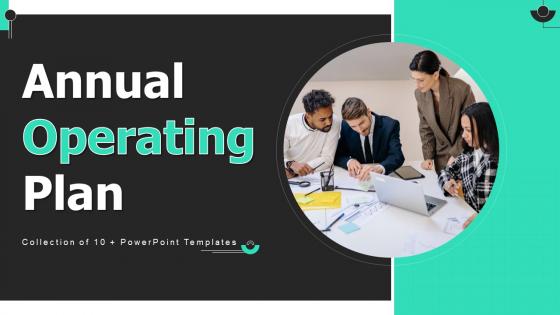
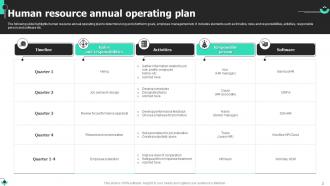
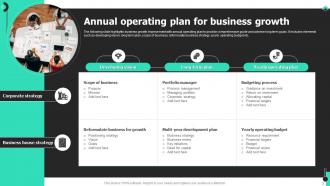
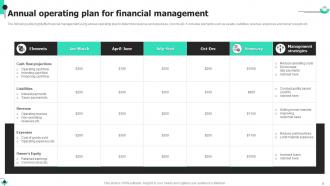
Introducing our comprehensive Annual Operating Plan AOP PowerPoint template, designed to streamline your strategic planning process and optimize organizational performance. This dynamic PPT equips your team with the tools to align Human Resources, Financial Management, and Sales Improvement initiatives seamlessly. Effortlessly outline your companys vision, goals, and budget allocation while focusing on core objectives. Showcase targeted initiatives and action plans to ensure every team member understands their role in achieving milestones. Emphasize key performance indicators and leverage data-driven insights to monitor progress effectively. With a visually engaging layout and intuitive interface, our annual operating plan template ppt empowers your business to navigate challenges and seize opportunities, fostering a path towards sustainable growth and success. Maximize productivity and stay ahead in todays competitive landscape with this indispensable planning tool.
People who downloaded this PowerPoint presentation also viewed the following :
Annual Operating Plan Powerpoint Ppt Template Bundles with all 20 slides:
Use our Annual Operating Plan Powerpoint Ppt Template Bundles to effectively help you save your valuable time. They are readymade to fit into any presentation structure.








FAQs for Annual Operating Plan Powerpoint
Honestly? Start with your revenue forecasts and expense budgets - though don't get too obsessed perfecting numbers that'll probably change in three months anyway. You'll need strategic objectives, operational goals, and how you're planning to allocate resources. Map out your departmental goals, headcount planning, and major initiatives. Define your KPIs and timeline milestones too. The tricky part is making it detailed enough to actually guide decisions but flexible when reality inevitably smacks you in the face. I always tell people to start with their biggest revenue drivers and work backwards. Oh, and don't skip accountability measures - learned that one the hard way.
Here's what I'd do - create a simple matrix showing how your major projects connect to those 3-5 year goals. Map each strategic objective to actual operational work that'll move things forward. Honestly, most people overcomplicate this part. Just make sure your budget and quarterly targets actually support where you're headed long-term. I review mine every quarter and tweak as needed. Quick test: if you can't draw a straight line from an AOP item back to a strategic goal, it probably doesn't belong. Sounds obvious but you'd be surprised how much random stuff creeps in otherwise.
Track your financial stuff first - revenue, margins, cash flow, hitting budget. But don't sleep on the operational metrics either. Customer acquisition costs, employee turnover, market share... that's where you really see what's happening. Oh and mix in some leading indicators too, not just the backwards-looking ones. Honestly, most people get way too metric-happy and track like 15 things. Stick to 5-7 max or you'll just confuse yourself trying to optimize everything at once.
Quarterly reviews are what most people do officially, but let's be real - you'll be obsessing over the numbers way more than that. I'd block out those quarterly dates right now before you forget. Monthly check-ins on your biggest KPIs aren't a bad idea either. During quarterly reviews, you can see if you're hitting goals, mess with budgets, maybe shift strategy when the market does something weird. The trick is staying flexible without completely overthinking every little thing. Actually, that's harder than it sounds - there's this temptation to constantly tweak stuff.
Honestly, cross-departmental stuff is what makes or breaks your AOP. Get sales and operations chatting about what's actually doable. Finance needs to loop in HR early for headcount decisions. Marketing and product better sync up on those launch dates too - I've seen that go sideways so many times. Without this, you'll have these random departmental wish lists that make zero sense together. My advice? Book those cross-functional meetings ASAP before everyone disappears into their own planning bubbles. Trust me, fixing disconnected plans later is way more painful than just doing it right upfront.
Dude, honestly just stick with Excel unless it's driving you crazy. Most teams I know still use it because everyone gets how it works and you can model pretty much anything. Google Sheets is solid too if people need to jump in from different places. There's fancier stuff like Adaptive Insights or Anaplan if you want automated workflows and better collaboration features, but they cost more obviously. I've worked with teams that spent months picking the "perfect" tool when their basic Excel setup was doing fine. My take? Don't overthink it - upgrade when your current thing actually breaks down.
So when you're putting together your AOP, inflation's gonna hit your cost projections hard. Interest rates matter if you've got debt or big investments planned. GDP growth affects whether people actually want to buy your stuff - honestly, this one's huge but everyone underestimates it. Currency swings can wreck your margins if you're selling internationally. Don't forget employment rates either - they mess with both what you pay workers and how much customers spend. Oh, and definitely run a few different scenarios. Trust me, the economy loves throwing curveballs mid-year and you don't want to be scrambling.
Honestly, most people get way too excited and set completely unrealistic goals. Like, I get it - you want to shoot for the moon, but come on. Vague objectives are another killer since you can't actually track anything meaningful. Don't make your plan so locked down that it breaks the second something changes (and trust me, things will change). Getting stakeholders on board early saves so much headache later. Oh, and this one's huge - actually tie your plan to real budget numbers or you're basically writing fiction. Look at what happened last year first, then build from there.
Scenario planning basically saves your ass when your AOP inevitably hits reality. You're not just making one perfect plan - you're building backup versions for different situations. Market crashes, supply chain issues, whatever could mess things up. Yeah, it's more work at first (and honestly kind of a pain), but you'll thank yourself later. When something goes sideways, you won't be scrambling to figure out Plan B. You'll already know which budget areas are sketchy and can shift gears fast. Pick your three biggest nightmare scenarios and sketch out quick plans for each.
Honestly, don't try to cram everyone into the same presentation - it never works. Executives just want the big picture stuff and financial targets. Department heads need the nitty-gritty operational details and budget breakdowns. Make your executive summary super visual with charts that actually tell a story. Trust me, nobody wants to sit through another death-by-PowerPoint situation. Split your audiences into separate sessions instead. Oh, and prep for the hard questions about your assumptions - people will definitely grill you on those. Be upfront about the risks and give each group clear action items they can actually run with.
Figure out your main goals first, then work backwards from there. Revenue stuff gets funded before everything else, obviously. Then cover your basic operations and compliance (yawn, but you gotta). The 70-20-10 split works pretty well - most of your money goes to keeping things running, some for big strategic moves, and a little chunk for trying new things. Always leave yourself a buffer though. Seriously, something random will definitely blow up your budget halfway through the year and you'll be scrambling if you don't have wiggle room. Growth projects come after you've got the essentials locked down.
Get your employees involved through surveys, focus groups, and one-on-ones while you're still planning. Most companies totally skip this part - then act surprised when nothing gets done properly. Your front-line people will catch bottlenecks that executives miss every time. They're actually in the trenches doing the work daily. Set up feedback sessions by department so you get specific input about operational issues and what resources they really need. Oh, and definitely circle back to show how their suggestions made it into the final plan. People need to see their input mattered.
Your Annual Operating Plan is honestly like a safety net for your business. I always tell people to spot potential risks early and build your mitigation strategies right into the budget from the start. You're basically creating insurance for your goals - setting aside resources and backup plans before anything goes sideways. Plus you get those regular check-ins throughout the year to reassess as things change (and they always do). Look, don't make risk management an afterthought. Build it into your planning process from day one - trust me on this.
Okay so competitive analysis is basically your sanity check for AOP planning. It keeps you from setting completely unrealistic revenue targets or pricing yourself out of the market. You'll dig into what competitors are actually doing - their pricing, new product launches, how they position themselves. This stuff helps you spot real threats to your numbers and find gaps where they're screwing up (which is honestly pretty satisfying). Plus leadership loves when you can back up budget requests with solid competitor intel. Oh and it guides where you put resources too. Just don't skip this step - setting goals without knowing your competitive landscape is asking for trouble.
Look, data analytics is a game-changer for forecasting - you'll spot patterns in your historical data that would take forever to find manually. Machine learning algorithms are pretty sweet because they keep learning from new info and auto-adjust predictions. You can analyze seasonal stuff, customer behavior changes, market cycles, all that good stuff. Honestly, the scenario testing feature is clutch - lets you see how different factors mess with your projections. Just grab 2-3 years of historical data first, then use some predictive tools to build your models. Quality data in, better predictions out. Keep tweaking as you go!
-
SlideTeam has helped me take my presentation to the next level. Everyone at the office is impressed! I’ll be using their designs for a long-long time.
-
Well-designed and informative templates. Absolutely brilliant!