


 0 Comment
 Customer Reviews

How do you protect your firefighters when you can't predict what the next call will bring? That's the question fire chiefs wrestle with on a daily basis. Firefighting isn't just dangerous; it's unpredictably dangerous. One shift brings a routine car fire; the next sends crews into a collapsing warehouse or a building loaded with unknown chemicals. Without a solid Fire Department Risk Management Plan in place, departments are essentially operating blind and, in fact, are risking everything.
A clear, written plan helps spot threats early and set real priorities. It also helps firefighters make safer choices without having to rely on guesswork during stressful moments. That's precisely what SlideTeam's Fire Department Risk Management Plan Templates do. They give you structured, ready-to-use frameworks designed by people who understand emergency response.
Additionally, if you’re focused on sharpening how your crews learn, drill, and qualify, you should explore SlideTeam’s fire department training plan templates. They show you how to turn training from a checkbox into a strategic safety tool.
Why Risk Management Happens Long Before the Sirens
Nobody gets excited about risk management. It's unglamorous work: reviewing building layouts, digging into close calls, and updating protocols. In the movie Ladder 49, the big rescue scenes get all the attention, but real safety comes from the quiet work behind the scenes: planning, preparing, and checking risks again and again.
The numbers showcase how scary and costly it is to ignore the detail and the repetition. In 2022, 365 firefighters died in the line of duty. Slips, falls, structural collapses, and disorientation in smoke topped the cause list. Many of those deaths were preventable. Departments with actual Fire Department Risk Management Plan systems in place see a 40% drop in preventable injuries. They also respond to calls roughly 30% faster. Fire service guidance now expects every department to have a written Fire Department Risk Management Plan. It should cover everything from basic facilities and admin work through apparatus operations, training, PPE, emergency response planning, and both emergency and routine calls.
Think about a concrete scenario: Crew gets a call for a fire at a commercial building they've never seen before. They don't know if load-bearing walls are where they think they are or what's stored on the upper floors. They also don't know if that structure has a history of collapse. Crew just go in with incomplete information. Now, picture the same scene with a department that does pre-incident planning and risk assessment. They pull up building data and know the layout. They understand the likely hazards and make better decisions in seconds. That difference in knowledge saves lives. Can there be a bigger incentive to get a fire department risk plan up and going?
SlideTeam templates handle this complexity, starting with hazard identification and continuing through formal risk assessment procedures. These Fire Department Risk Management Plan templates give you organized, visually clear frameworks to map operational risks and communicate firefighter safety protocols to everyone, from rookies to veterans. They also help you check equipment readiness and present data to city officials so resource allocation decisions make sense. Whether you're training new people, conducting safety audits, or pitching budget requests, these templates cut through the noise.
The real challenge most departments face isn't understanding risk management conceptually; it is turning that understanding into actual working systems. These systems need documented procedures, regular reviews, and visual aids. SlideTeam’s best-in-class templates give you that. They offer structured formats your team can adapt and build on instead of starting from a blank page.
Furthermore, if you want to go deeper into systematically spotting and rating hazards across your district, explore SlideTeam’s fire risk assessment templates. They help you map, prioritize, and document risks before they turn into emergencies.
So, are you ready to give your department the edge it needs? Download the complete Fire Department Risk Management Plan Templates deck and see how SlideTeam can help your department operate smarter and safer. You can also check out our pricing page to find the right plan for your needs.
Template 1. Fire Department Risk Management Plan PPT Cover Template
Use this SlideTeam deck when you have to sit across from council members, senior staff, or new officers and explain how your department manages risk. It walks through the basics of what can go wrong in your district, how likely it is, what you plan to do about it, and how you will check if those actions work. The calm blue layout and meeting-room cover photo suit a formal briefing. Pull real incidents from your own runs as you talk, so people see a repeatable system, not just talk that is far away from action.

Template 2. Key Components of a Risk Management Plan PPT Template
Building a solid risk strategy doesn't have to feel overwhelming. This slide breaks down five essential pieces you need. These are spotting what could go wrong, training your team to handle it, getting the right resources in place, keeping everyone in the loop, and reviewing what is working. The circular design shows how these elements connect and strengthen each other instead of existing in isolation. It's straightforward enough that people new to a Fire Department Risk Management Plan get it. Use it to make your case clear and get stakeholders on board with your approach.
Template 3. Identifying Risks in Fire Operations PowerPoint Template
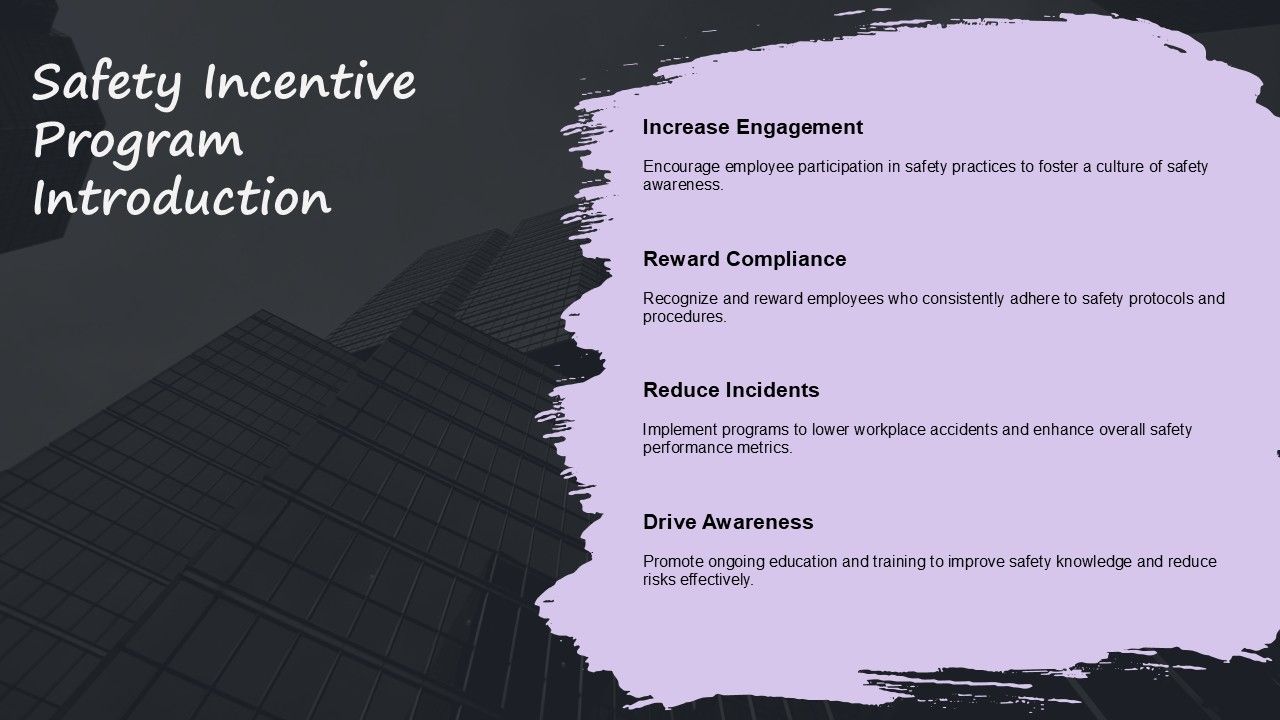
Take out this SlideTeam template when you need the room to stop thinking about risks one at a time. You've got seven areas of concern: your crew's training, your equipment, and what fires exist in your neighborhood. You also see response times, community makeup, firefighter health, and what your incident reports show. Start on the left with what you control: people and gear. By the time you're done, people get it: you can't just fix staffing or equipment in isolation and call it solved. It's all pieces of the same puzzle.

Template 4. Assessing and Analyzing Identified Risks PPT Template
Use this slide when you feel buried in risk data and don't know where to start. It gives you a way to line up your operational headaches, safety concerns, and money problems side by side. You look at how likely each one is, what happens if it hits, and whether they're connected, so you're not just guessing. Instead of throwing numbers at leadership, this layout shows them which risks are keeping you up at night and need attention first. That's how you get buy-in for spending.

Template 5. Risk Mitigation Strategies for Fire Departments PPT Template
This Risk Mitigation Strategies template gives you four things that move the needle. First, run drills that look like real calls, not just checking boxes. Second, keep your equipment working. Third, get your radios and procedures locked in so when it gets loud and chaotic, everyone knows what to do without thinking. Fourth, after a bad call or close call, sit down and walk through what happened and what you'd do differently next time. That is how you turn a slide into actual change instead of being content with vague safety talk.

Template 6. Emergency Response Planning and Procedures PowerPoint Template
This SlideTeam template is your go-to when crisis hits and confusion spreads fast because people don't know what they're supposed to do. It walks you through eight steps that take you from spotting trouble to telling people what's happening. First, you've got the planning side, where you figure out what to do and get gear ready. Then you have the doing side, where you train folks, run drills, test systems, and keep everyone informed. Use it to show your team and leadership what happens in an emergency. When people see you've thought through every step, they trust that you're ready.

Template 7. Developing a Risk Management Policy PPT Template
Need to show leadership, the city, or your own team why a risk management policy matters? This slide helps you spot hazards, figure out how bad they are, decide what you're going to fix, then check if it's working. The right circle shows what you need to make it stick. A policy buried in a binder does nothing. By the end, everyone sees how you move from just fighting fires to actually preventing them. That's the difference between a department that reacts versus one that responds.

Template 8. Analyzing Incident Reports for Risk Insights PPT Template
Bring in this SlideTeam template for the moments when you've got incident reports piling up and need to know what they tell you. You can see what kind of incidents are happening, how often, and whether things are getting better or worse. Instead of just listing incidents, this layout lets you point to key patterns and explain where action is overdue. When you can walk leaders through the numbers and show them where problems can turn into disasters, getting approval to fix them becomes a lot easier.

Template 9. Public Awareness Campaigns on Fire Risks PowerPoint Template
Need to explain why you're spending department time on fire safety classes, Facebook posts, and community partnerships instead of just sitting at the station? On the right, you see what happens because of it: fewer fires, people using extinguishers, kids pushing their parents to check alarms, neighbors spotting hazards. When you pitch the city council for a budget hike or ask for volunteers, use this slide to shift the conversation away from “we held ten events” and toward the real results your work is creating. That's the difference between spinning activities and showing results.

Template 10. Crisis Communication Plans for Fire Emergencies PPT Template
When a fire breaks out, messages get mixed up fast and people panic. This SlideTeam template lays out six clear steps. You start by identifying your communication weak spots and getting staff trained, then build your messaging plan. You then put it into action, watch how it's working, and figure out what to improve. It's the kind of thing that saves lives because everyone knows who says what, when, and through which channel. That's how you build trust in your emergency response.

Secure Your Team's Future With Smart Risk Planning
A Fire Department Risk Management Plan isn't a box you check and move on from; it's what keeps firefighters coming home. SlideTeam's Fire Department Risk Management Plan Templates turn messy, real-world risks into clear plans and presentations your whole department can work with. Instead of staring at a blank screen or wrestling with generic frameworks, you get slide decks with layouts, talking points, and visuals built for how fire services operate. Use them to brief leadership, train new crews, present to the city council, or conduct safety audits. Your team deserves better than guesswork when it comes to safety.
To make sure those plans translate into calm, coordinated action when things go wrong, pair them with our fire emergency plan templates, which help you spell out roles, routes, and communication steps for the worst-case scenarios.
FAQs on Fire Department Risk Management Plan
What does a fire department try to achieve with a risk management plan?
A fire department’s risk management plan exists to keep firefighters and civilians alive, limit damage to property and the environment, and keep engines rolling even on the worst day. It covers both big-picture strategy and daily routines. Station practices, training, operations, budgeting, legal exposure, community outreach, major incidents, and long-term recovery all sit under this umbrella.
What kinds of real-world risks and hazards does a typical fire department deal with?
Modern fire departments handle far more than simple house fires. Crews face structural and wildland fires, vehicle fires, explosions, and a range of hazmat incidents involving chemicals or other dangerous substances. Add in floods, storms, heatwaves, and occasional earthquakes, plus quieter threats like traffic at scenes, equipment breakdowns, crowd issues, smoke exposure, stress, and infectious diseases.
How does a fire department go about judging and managing the risks tied to its equipment, people, and day-to-day operations?
Risk assessment blends routine checks with lessons pulled from real calls. Gear is tracked through inspections, maintenance logs, and patterns of past failures. People-related risks are reviewed using training records, fitness standards, debriefs, and near-miss reports. Operational risks are explored through pre-incident plans, hazard maps, response-time data, standard procedures, and honest post-incident evaluations.