

BMW Business Model Powerpoint Ppt Template Bundles BMC




Try Before you Buy Download Free Sample Product
 Impress Your
 Audience
 100%
100% Editable
 Save Hours
 of Time


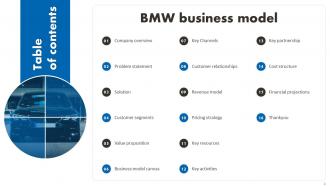
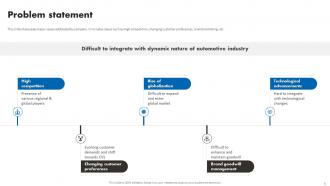
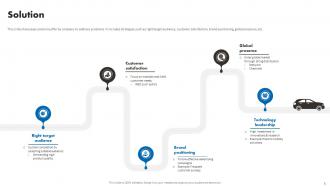
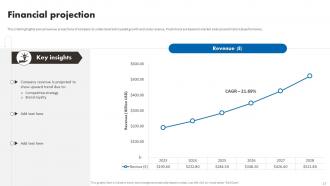
Embark on a captivating journey through the intricacies of BMW with our insightful PowerPoint presentation titled, BMW Business Model. Our Biz Model Canvas PPT uncovers the challenges encapsulated in the problem statement, and witnesses how BMW ingeniously navigates these hurdles with a strategic blend of innovation, luxury brand positioning, and global market expansion. Additionally, the Business Strategy Canvas Presentation offers a comprehensive view of the solutions employed by BMW, showcasing how the company transforms challenges into opportunities. Furthermore, our Automotive Market Strategy Deck explores the diversified revenue streams that fuel BMWs financial success, providing a holistic understanding of the brands business dynamics. Lastly, our Automobile Revenue Streams Module elevates your business acumen with a deep dive into BMWs problem-solving strategies and robust revenue generation tactics. Get access to it now.
People who downloaded this PowerPoint presentation also viewed the following :
BMW Business Model Powerpoint Ppt Template Bundles BMC with all 33 slides:
Use our BMW Business Model Powerpoint Ppt Template Bundles BMC to effectively help you save your valuable time. They are readymade to fit into any presentation structure.









FAQs for BMW Business Model Powerpoint Ppt
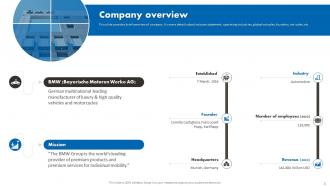
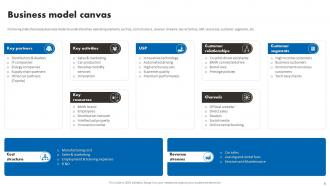
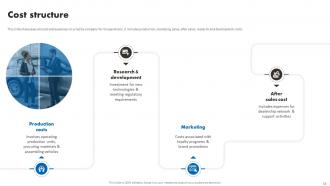
BMW's business model centers on premium positioning, engineering excellence, strategic brand portfolio management, integrated manufacturing processes, and comprehensive mobility services. Through its focus on luxury vehicle segments, advanced technology integration, and diversified offerings spanning motorcycles to financial services, BMW delivers superior customer experiences, commands premium pricing, and maintains competitive differentiation in an increasingly crowded automotive landscape.
BMW leverages technological innovation through electric vehicle development, autonomous driving systems, connected car technologies, digital manufacturing processes, and advanced materials research. These innovations streamline production efficiency, enhance customer safety and convenience, and enable personalized driving experiences, with many automotive manufacturers finding that strategic technology integration ultimately delivers competitive differentiation and sustainable growth in increasingly digital markets.
BMW's sustainability focus reshapes its business strategy through electric vehicle development, carbon-neutral manufacturing processes, circular economy initiatives, and sustainable supply chain management. This strategic pivot enables the company to meet evolving regulatory requirements, attract environmentally conscious consumers, and reduce operational costs, while positioning BMW competitively in the increasingly green automotive market.
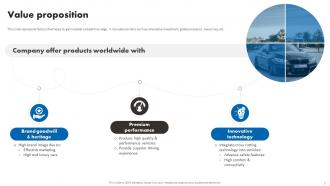
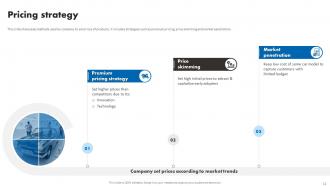
BMW's premium brand positioning enables value-based pricing above mass-market competitors, supporting higher margins through perceived luxury, performance, and engineering excellence. This positioning drives product offerings focused on innovation, advanced technology, and superior craftsmanship, with automotive, motorcycle, and financial services divisions ultimately delivering differentiated experiences that justify premium pricing across global markets.
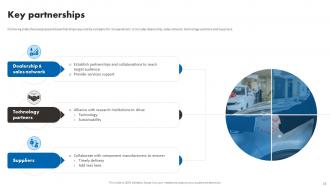
Partnerships enable BMW to accelerate innovation, share development costs, and access specialized expertise across electric vehicles, autonomous driving, and mobility services. Strategic collaborations with technology companies, suppliers, and even competitors allow BMW to enhance operational efficiency, expand market reach, and deliver cutting-edge automotive solutions while maintaining competitive advantage in an increasingly connected industry.
BMW integrates digitalization into supply chain management through IoT sensors for real-time tracking, AI-powered demand forecasting, blockchain for supplier transparency, and automated inventory systems. These technologies streamline operations by reducing lead times, minimizing waste, and enhancing quality control, with automotive manufacturers increasingly finding that digital integration delivers significant cost savings and competitive advantage.
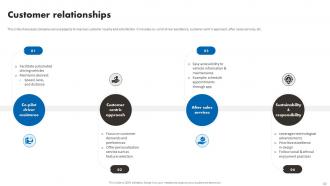
BMW maintains customer loyalty through personalized experiences, premium service networks, innovative technology integration, exclusive ownership programs, and consistent brand prestige positioning across all touchpoints. These strategies work synergistically by delivering exceptional after-sales support, cutting-edge automotive features, and membership-style benefits, with many luxury automotive brands finding that this comprehensive approach ultimately creates emotional connections and repeat purchases in increasingly competitive markets.
BMW's business model adapts to electric vehicles through strategic platform diversification, substantial R&D investments in battery technology, and expanded charging infrastructure partnerships. The company leverages its existing premium positioning while developing dedicated electric lines like the iX series, enabling seamless transitions for luxury consumers and maintaining competitive advantage in increasingly electrified automotive markets.
Global market dynamics significantly influence BMW's business model through shifting consumer preferences toward electric vehicles, varying regional regulatory requirements, supply chain disruptions, and emerging market opportunities in Asia and other developing economies. These factors drive BMW's strategic decisions around electrification timelines, manufacturing location optimization, product portfolio adjustments, and partnership formations, with the company increasingly adapting its premium positioning and operational strategies to maintain competitive advantage across diverse international markets while managing economic volatility and geopolitical uncertainties.
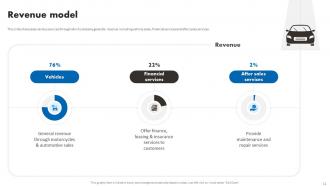
BMW's after-sales service enhances customer loyalty and generates recurring revenue through comprehensive maintenance programs, extended warranties, genuine parts supply, and premium service experiences. These services create long-term relationships beyond initial purchase, with many luxury automotive brands finding that exceptional after-sales support significantly differentiates them from competitors while maximizing customer lifetime value.
BMW faces challenges including reduced individual car ownership demand, subscription-based revenue model adaptation, fleet management complexities, and competition from mobility-as-a-service platforms. While these shifts present obstacles, BMW increasingly leverages shared mobility through strategic partnerships and digital services, ultimately delivering new revenue streams and enhanced customer touchpoints in an evolving automotive landscape.
BMW leverages data analytics across manufacturing optimization, predictive maintenance, customer behavior analysis, and supply chain management to enhance operational efficiency and personalization. Through connected vehicle telematics and production sensors, BMW streamlines quality control, reduces downtime, and delivers targeted services, ultimately improving customer experiences while maintaining competitive advantage in the premium automotive market.
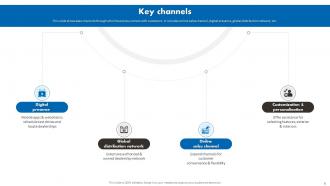
BMW's direct-to-consumer approach enhances its business model by eliminating intermediary costs, capturing higher profit margins, gaining direct customer insights, and controlling the entire brand experience. Through online configurators and flagship stores, BMW streamlines purchasing processes, personalizes customer interactions, and builds stronger brand loyalty, while reducing inventory costs and accelerating time-to-market for new models.
BMW is adapting to post-COVID consumer behavior through enhanced digital sales platforms, contactless service delivery, and accelerated electric vehicle development to meet growing sustainability demands. The company has streamlined online purchasing experiences, expanded home delivery services, and invested heavily in autonomous driving technologies, with many automotive manufacturers finding that hybrid digital-physical customer journeys ultimately deliver greater convenience and competitive advantage.
BMW's corporate culture emphasizes innovation, premium quality, and performance excellence, which directly supports its luxury positioning and engineering reputation. This culture drives continuous technological advancement, meticulous attention to detail, and employee commitment to craftsmanship, with many automotive analysts finding that BMW's cultural focus on "sheer driving pleasure" ultimately delivers brand differentiation and sustained customer loyalty in increasingly competitive premium markets.
-
SlideTeam is the best in the business. Their templates are engaging and customizable. You can rely on them.
-
Definitely recommend SlideTeam to all who need help with PowerPoint presentations. Their design team can create anything you need.