

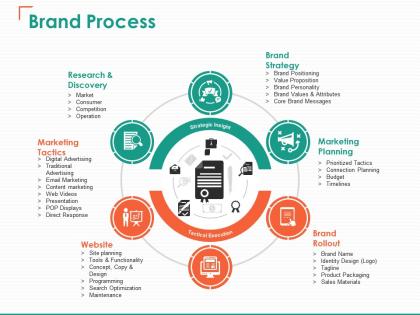
Brand process research and discovery marketing planning brand strategy




Try Before you Buy Download Free Sample Product
 Impress Your
 Audience
 100%
100% Editable
 Save Hours
 of Time


Feelings grow with our Brand Process Research And Discovery Marketing Planning Brand Strategy. Develop an attachment with your clients.
People who downloaded this PowerPoint presentation also viewed the following :
Brand process research and discovery marketing planning brand strategy with all 5 slides:
Consign your thoughts to the care of our Brand Process Research And Discovery Marketing Planning Brand Strategy. You will find them dependable custodians.
FAQs for Brand process research and discovery marketing
So you need six main things for your brand strategy. First nail down your "why" - like your actual purpose. Then figure out who you're talking to and where you fit vs competitors. Brand personality and voice come next, plus visual stuff and your key messages. Oh and values too - how they show up when customers interact with you. Honestly? Most people totally bomb the messaging part. It's way trickier than you'd think. Also don't forget to think about how your brand might change over time. Start with purpose and audience though - once you've got those solid, everything else gets way easier to figure out.
Honestly, most companies just copy what everyone else is doing and miss the obvious gaps. Check out your top 5 competitors this week—see where they're all clustered and find the empty space nobody's claiming. Don't get caught up in features and pricing wars. That's exhausting and anyone can match you there. Instead, dig into what makes your brand's story different. Maybe it's your values, your approach, or hell—even just treating customers like actual humans. The best differentiator is usually hiding in plain sight. What audience is everyone ignoring? What problems do they solve badly? Own that space completely and watch everyone else scramble to catch up.
Honestly, consumer psychology is everything when it comes to brand strategy. People don't actually buy features - they buy feelings and solutions to problems they might not even know they have. You've got to dig into their emotional triggers and how they make decisions. This stuff determines your positioning, colors, voice, even which platforms you use. I learned this the hard way on a project last year. Map out your customer's psychological profile first, before you jump into any creative work. Otherwise you're just guessing what'll resonate.
Honestly, stories beat boring feature lists every single time. People connect with narratives way more than specs - it's just how our brains work. Find 2-3 core stories that show your brand's personality, then tweak them for different platforms. Real customer moments work great, or talk about your company's actual journey. Just don't make stuff up for drama (people can smell fake from miles away). The whole point is being genuine about who you are. Oh, and make sure whatever story you're telling actually matches your values - otherwise it's just noise.
Honestly, it depends what you're trying to achieve, but I'd go with brand awareness (aided + unaided) and sentiment scores first. Share of voice is useful too. NPS is clutch - shows if people actually want to recommend you. Survey people about brand consideration and purchase intent, plus keep an eye on social mentions. Quality over quantity there though. The hard part? Connecting all this stuff to actual revenue and customer lifetime value. I learned that the hard way when my boss kept asking "but what's the ROI?" Don't track more than 3-4 metrics or you'll lose your mind trying to report on everything.
Look, social media isn't just another place to blast your ads. Think of it more like your brand's actual personality showing up to hang out. Don't try to be everywhere at once - that's exhausting and honestly kind of pointless. Pick maybe 2-3 platforms where your people actually spend time and really focus there. Listen way more than you talk (I'm terrible at this but trying to get better). Your audience will literally tell you what they want if you pay attention. Every post should feel like it's coming from the same person - that's how people start recognizing you. Quick gut check: scroll through your recent posts and ask if they all sound like the same brand talking.
Start with the basics - logo, colors, fonts, your voice, main messages. Document it all in a style guide people will actually reference (not some 50-page monster nobody opens). Templates are a lifesaver for each platform so your team isn't reinventing the wheel constantly. I'd check everything quarterly - website, socials, emails, ads - because stuff gets messy fast. Multiple personality disorder vibes are real when brands don't stay consistent! Make it stupid easy for everyone to follow rather than crossing your fingers they'll get it right.
Honestly, you've gotta be constantly checking your customer data and market research - it's like your radar for catching changes early. Skip the annual brand audits, they're pretty much pointless now. Do them quarterly instead. Keep tabs on social media chatter, watch what competitors are doing, and look out for cultural shifts that might mess with your space. Small tweaks beat massive overhauls every time - think gradual changes, not total makeovers. Oh, and definitely test new messaging with just a slice of your audience first before you go all-in.
Don't try being everything to everyone - that's death. Also stop copying competitors and find what makes you different. Here's what kills most brands: they fall in love with their own ideas without asking customers what they actually want. Do the research first, seriously. I've watched so many people skip straight to the fun creative stuff and then wonder why nothing works. Oh and consistency matters way more than you think - if your messaging is all over the place across different channels, you're basically starting from zero every time. Test your assumptions with real people before spending money on anything.
So customer feedback is like your brand's reality check – shows you how people actually see you vs what you think you're putting out there. Surveys and social listening help, but honestly? The complaints are where the gold is. I know it sounds weird but those angry reviews tell you exactly what's broken. Look for patterns in what keeps coming up – messaging that confuses people, values that don't land right, whatever. Then actually fix those things instead of just filing the feedback away somewhere. Don't just tweak your marketing either – sometimes you need to change the actual product or experience.
Honestly, pick causes that actually matter to your business - customers can totally tell when you're just hopping on whatever's trending for good PR. I'd say focus deep on one thing where you can genuinely make a difference, like sustainability or community stuff. Then weave it through everything: your messaging, who you partner with, how you treat employees. The key is backing it up with real action, not just pretty Instagram posts. Oh and transparency is huge - people want to see the actual impact you're making. Way better to champion one cause well than spread yourself thin across ten different issues.
Honestly, visual identity is everything when it comes to branding. Your logo, colors, fonts – that's how people recognize you instantly. We process visuals so much faster than text, so these elements become like shortcuts to your brand's personality. You know how you can tell it's a Nike ad before you even see the swoosh? That's what I'm talking about. Consistent visuals build trust and help you stand out from everyone else doing the same thing. My advice? Nail down your visual elements early and stick with them everywhere. Don't switch it up randomly or you'll confuse people.
First, figure out who you're actually competing with - both obvious rivals and sneaky indirect ones. Then basically become a professional stalker. Check their websites, social posts, ads, even packaging if they have it. Customer reviews are gold mines for understanding what people really think. I'd make a simple chart comparing everyone's positioning and pricing. Google Alerts will ping you when they do something new (brands change fast these days). Here's the thing though - you're not looking to copy anyone. You want to spot the gaps where nobody's playing. What can you own that's genuinely yours?
Honestly, forget pitching your product for a sec. Figure out what actually keeps your audience up at night - their worries, dreams, all that deeper stuff. Tell stories they'll recognize from their own lives. Nike's genius isn't selling sneakers, it's selling that "don't quit" moment we've all had (yeah, obvious example but whatever). Listen to how people talk about their problems on Reddit or wherever they hang out. Then create stuff that makes them think "finally, someone gets it." Your messaging should feel like you understand their world, not like you're just trying to make a sale. Short version: make them feel seen first.
Okay so brand positioning is literally your foundation for everything else. It's how you want people to see you compared to competitors. Once you nail that down, it guides your product decisions, marketing, pricing - all of it. Honestly, without it you're just winging it and hoping for the best (which never works lol). Your positioning becomes this filter for making tough calls. Like "does this fit who we are?" Start with figuring out your unique value and who exactly you're targeting. Everything else flows from there. It's way more important than most people think.
-
Unique research projects to present in meeting.
-
Great designs, really helpful.