

Business Development Strategy For Any Organization Powerpoint Presentation Slides





Try Before you Buy Download Free Sample Product
 Impress Your
 Audience
 100%
100% Editable
 Save Hours
 of Time


Our Business Development Strategy For Any Organization Powerpoint Presentation Slides are topically designed to provide an attractive backdrop to any subject. Use them to look like a presentation pro.
People who downloaded this PowerPoint presentation also viewed the following :
Content of this Powerpoint Presentation
A company’s success or failure depends on the business development strategies it follows. Strong relationships and increased revenue is the result of a robust strategy.
If you think that starting a new business is mind-numbing and complex, then think again! In essence, launching a new venture is the easy part. How you plan to extend and stay in business is the tricky part. Change is the only constant and businesses which adapt to this tumultuous time survive in this evolving world. Your business development strategy should be such that they are flexible to change as time progresses.
"It’s not the strongest species that survive, nor the most intelligent, but the most responsive to change." Charles Darwin, Naturalist
While drafting a strategy, the following actions are required:
-
Identifying what your target audience wants and their pain-point is valuable in building a successful business strategy.
-
Analyzing the competitor’s strengths and weaknesses is an essential step towards drafting a strategy.
-
Setting realistic goals and objectives. After understanding the target market and competition, setting realistic objectives help you stay focused and measure progress.
To draft and align a business development strategy that is profitable for your business, SlideTeam has curated this PPT Template bundle in 49 slides. These slides are 100% customizable and editable and provide you with much needed headstart for your organizational growth. These pre-designed slides provide a structure that gives you the flexibility to focus on what’s more important: the content, rather than the design.
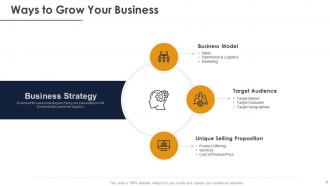
Template 1: Ways to Grow your Business
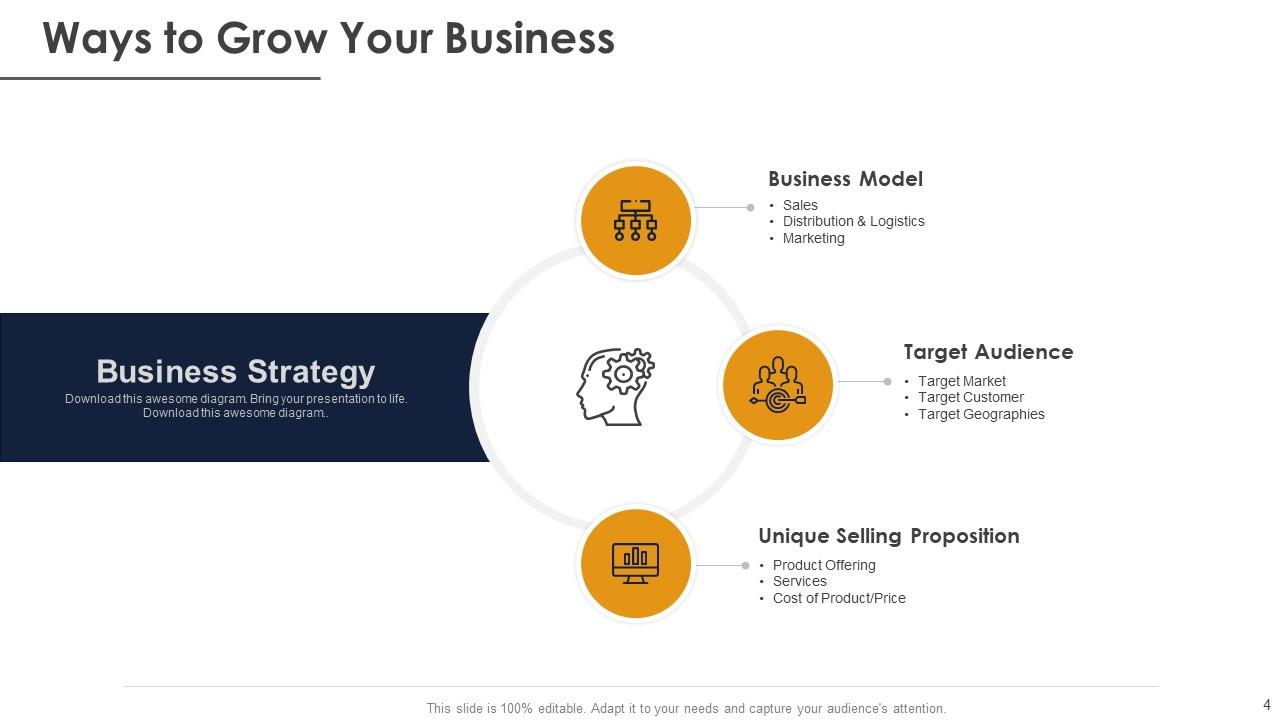
This Template discusses key strategies for business success. It includes a comprehensive business plan which encompasses sales, marketing, distribution and logistics. In addition identifying target markets, customers, and geographic locations is mentioned in this slide. Lastly, it emphasizes the need of a unique selling concept highlighting product offers and services, etc. This serves as a roadmap for long-term business expansion.
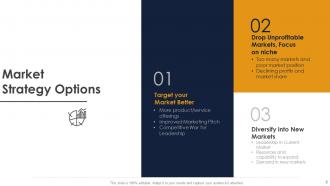
Template 2: Market Strategy Options
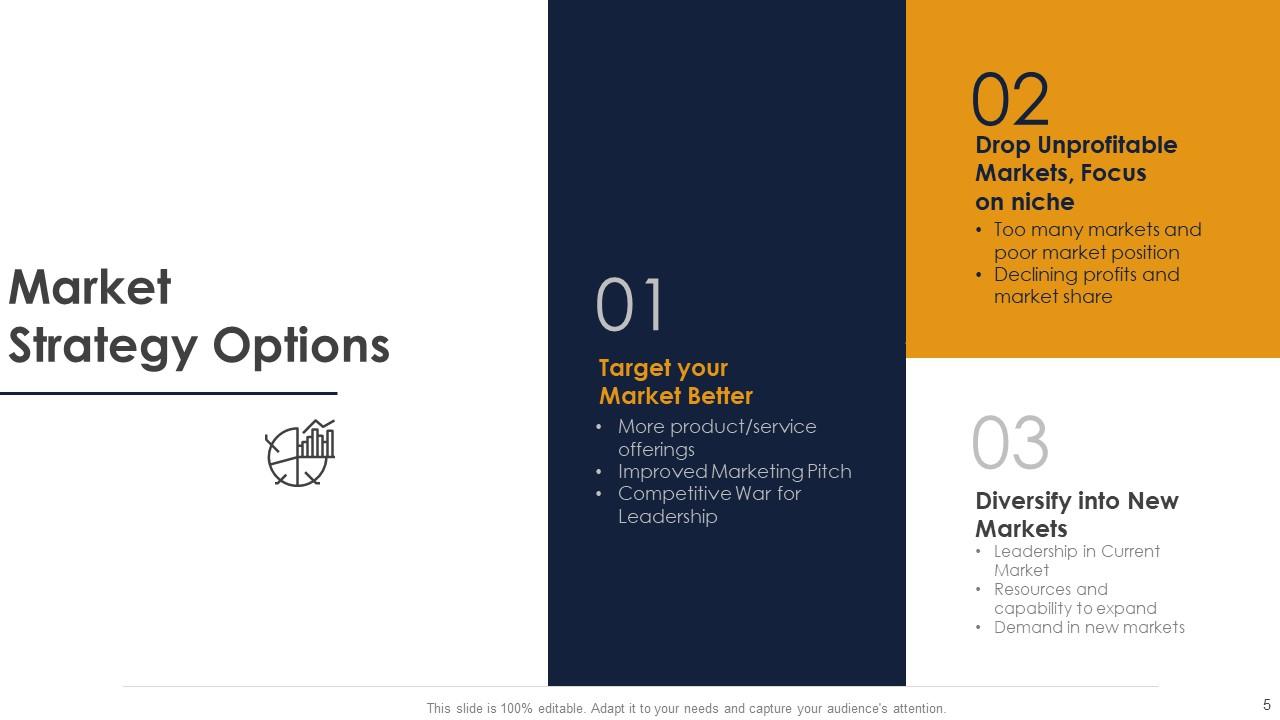
This Slide for Market Strategy Options focuses on targeting, diversification, and profitability. The template highlights the importance of market strategies and suggests getting rid of unprofitable areas, focusing on specialist areas and branching into new markets. To better target markets, you must perform profitability analysis, discover niches, and investigate growth potential. Effective strategies ensure that investments are in line with market demands and maximize their returns.
Template 3: Product Strategy Options
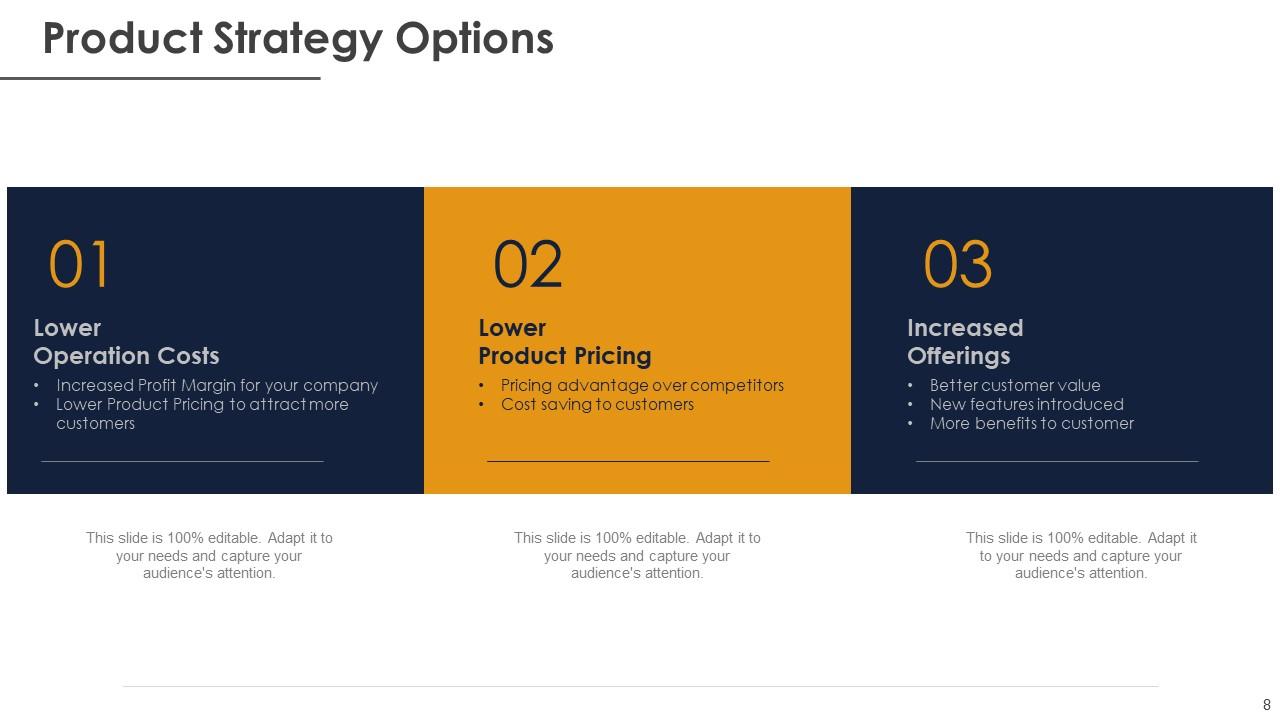
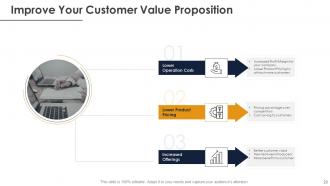
This Slide showcases Product Strategy Options, including reduced operating expenses, less costly product price, and increased offerings. It illustrates these possibilities using a color-coded comparison chart, showcasing benefits such as higher profit margins, lower consumer costs, and a competitive edge. The slide highlights that by lowering costs, more customers are attracted, while increased offerings enhance customer value. This slide helps consumers grasp a company’s strategic decisions for product enhancement and increased revenue generation.
Template 4: Pricing Strategy Options
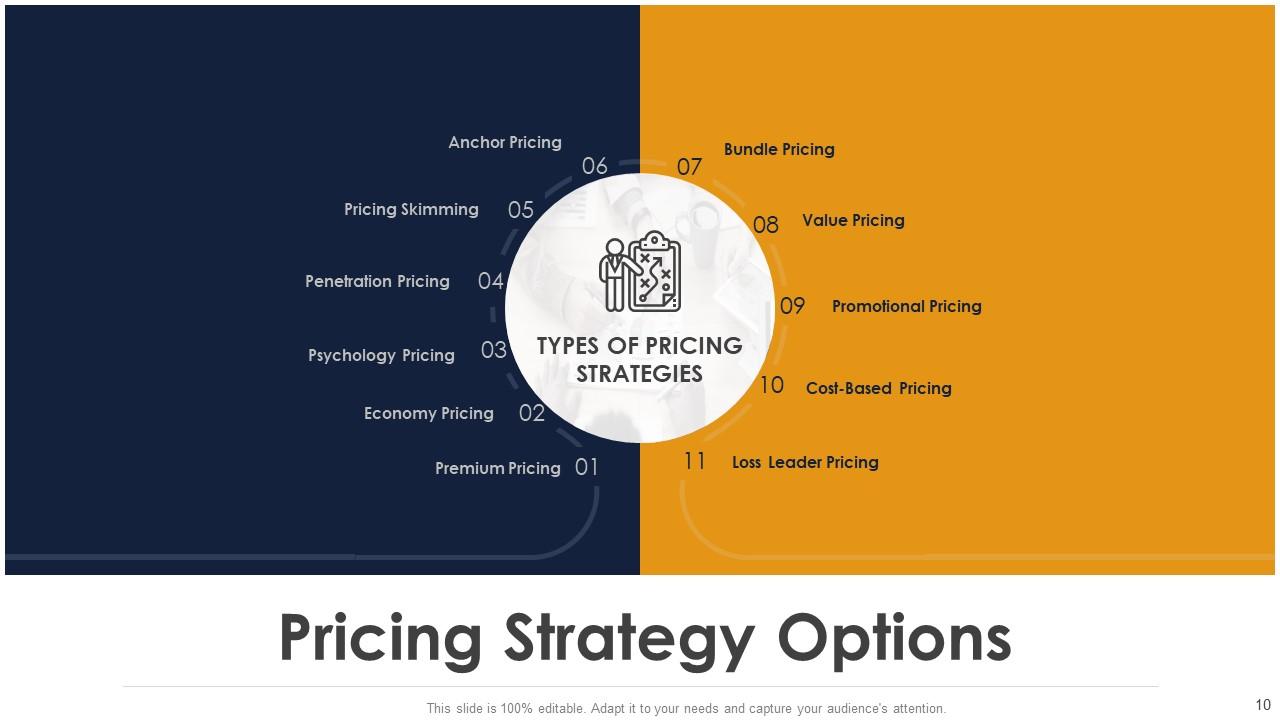
This Template displays pricing methods, including anchor, penetration, economy, cost-based, value, and package pricing, etc. It includes an appealing visual that helps in comprehension and decision making. The attractive layout increases engagement, making it a useful tool for researching and implementing price choices. This helps evaluate the influence of price on revenue, market positioning, and consumer perception.
Template 5: The Perfect Growth Strategy Formula
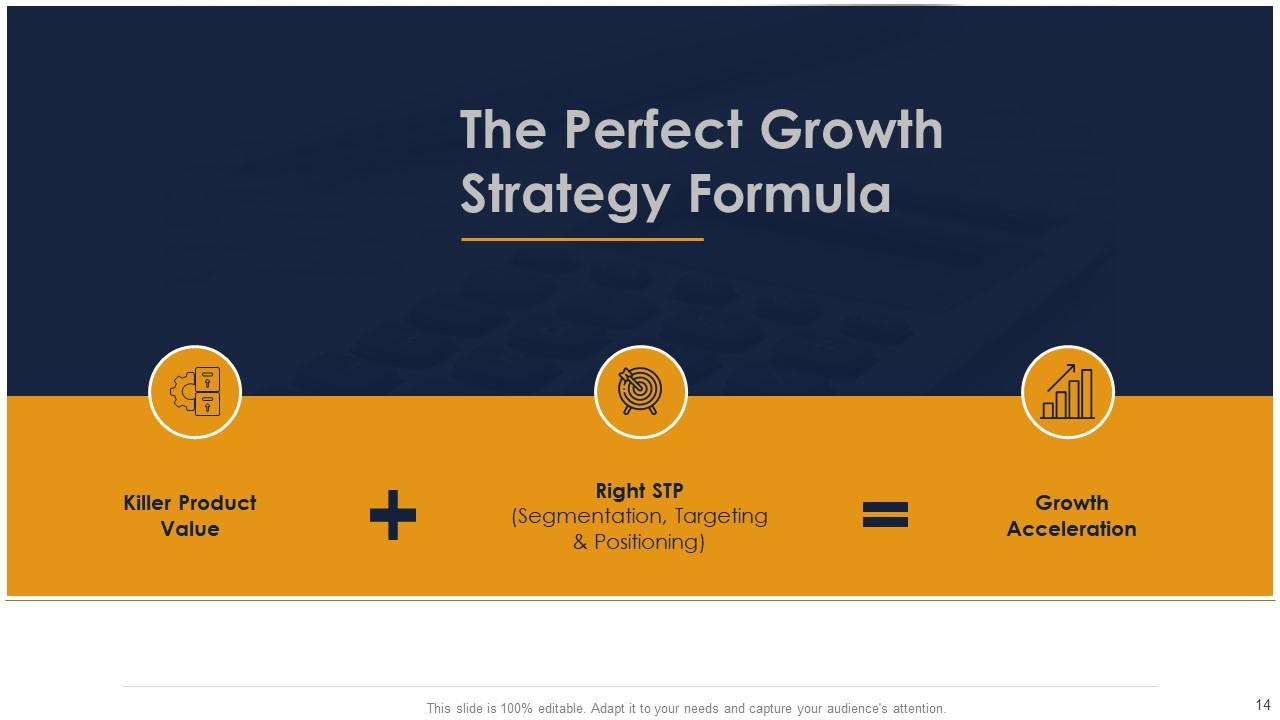
This PPT Slide includes an elaborate growth plan formula for business development. It focuses on using killer product value with accurate segmentation, targeting, and positioning (STP) to promote business growth. It discusses ways for aligning product excellence with strategic market emphasis, resulting in an ideal growth curve. Businesses that integrate these features gain a competitive advantage, attract target customers, and produce considerable growth potential.
Template 6: Eight Key Dimensions of Product You Can Improve Upon
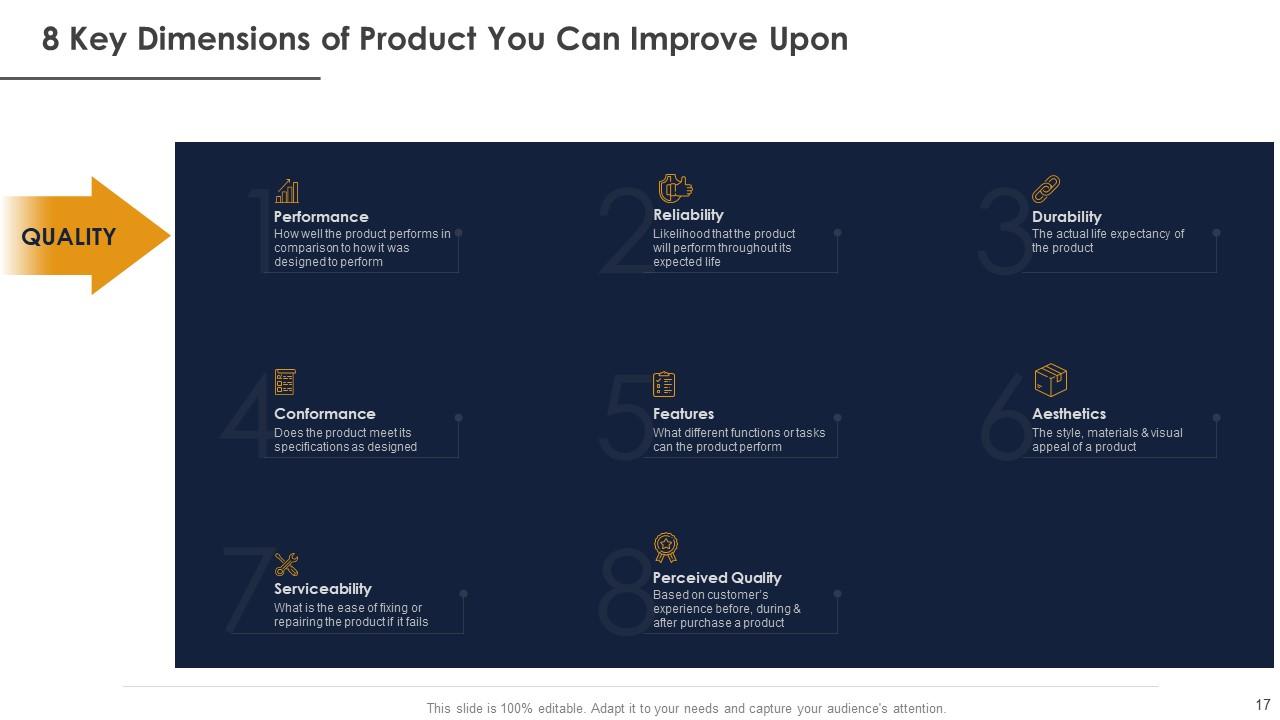
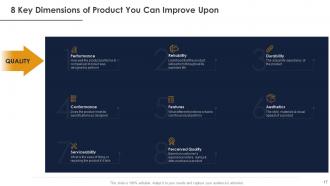
This Template presents eight essential characteristics for product evaluation: Performance, dependability, durability, conformity, features, serviceability, aesthetics, and perceived quality. Each component is essential to company success, providing a thorough framework for evaluating product quality. Employ this slide to analyze and improve many elements of product development, providing the highest market competitiveness and customer happiness.
Template 7: Acquire Competitive Advantage
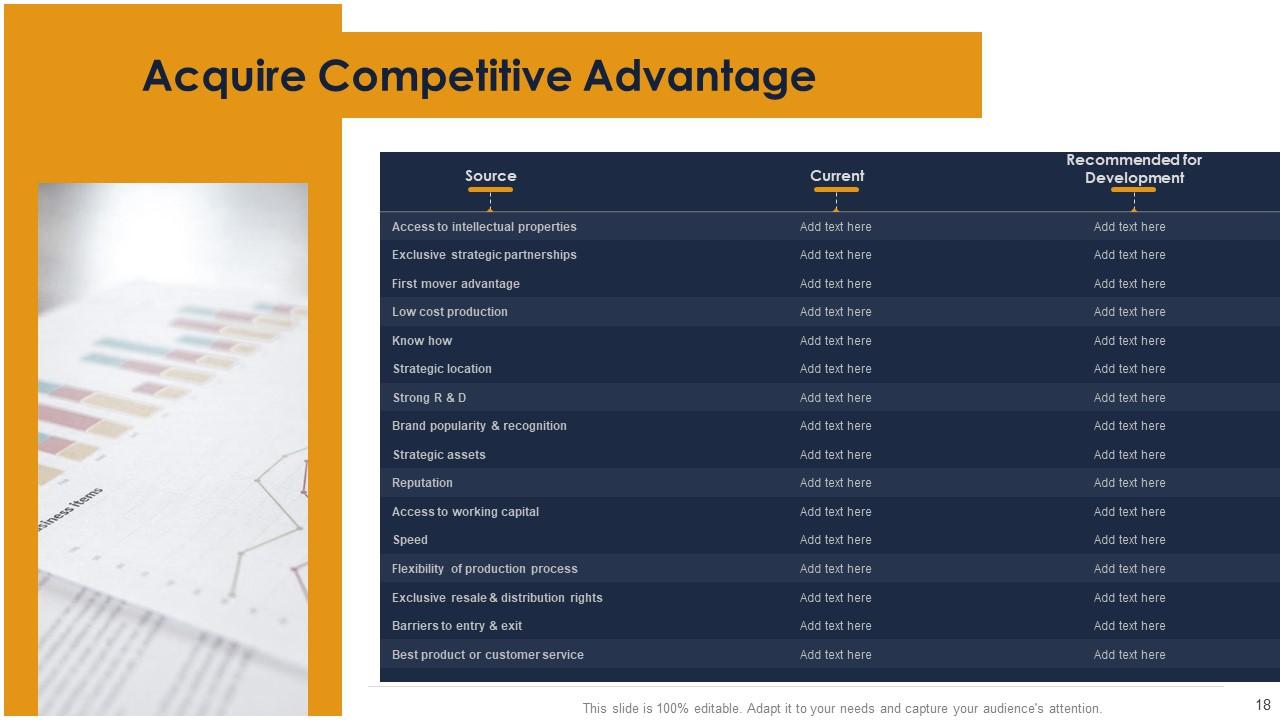
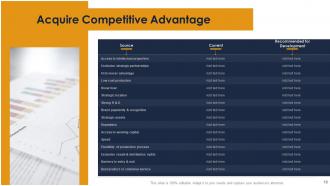
This Template comprises parts on market analysis, differentiation approaches, innovation initiatives, and optimal resource use. It comprises an appealing visual that highlights a column on sources such as first-mover advantage, low-cost, manufacturing, speed, reputation and so on, as well as a current column and a suggested for development column. The slide intends to help businesses find and capitalize on chances to surpass competitors and grow in their respective industries.
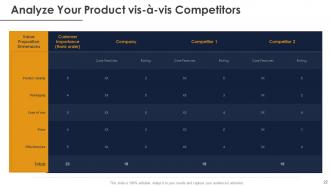
Template 8: Analyze Your Product Vis-aVis Competitors
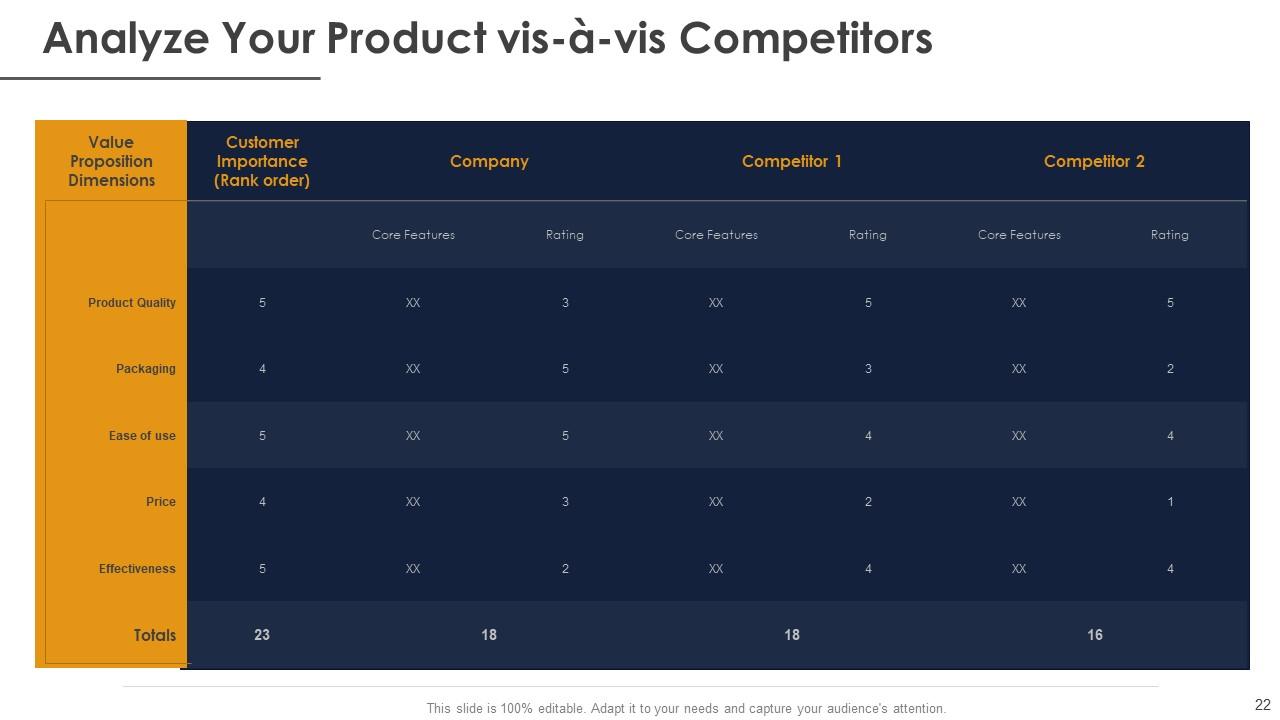
Use this Template to highlight the product analysis of your offering vis-a-vis other products. This analysis is based on product quality, packaging, ease of use, price and effectiveness. This slide also highlights the importance of the product to the customer, the product’s core features and its rating. It showcases columns for two competitors and can be customized according to requirement. This PPT Template is represented in a vibrant color combination of yellow and blue which makes it visually appealing.
Template 9: Identify Your Target Customer
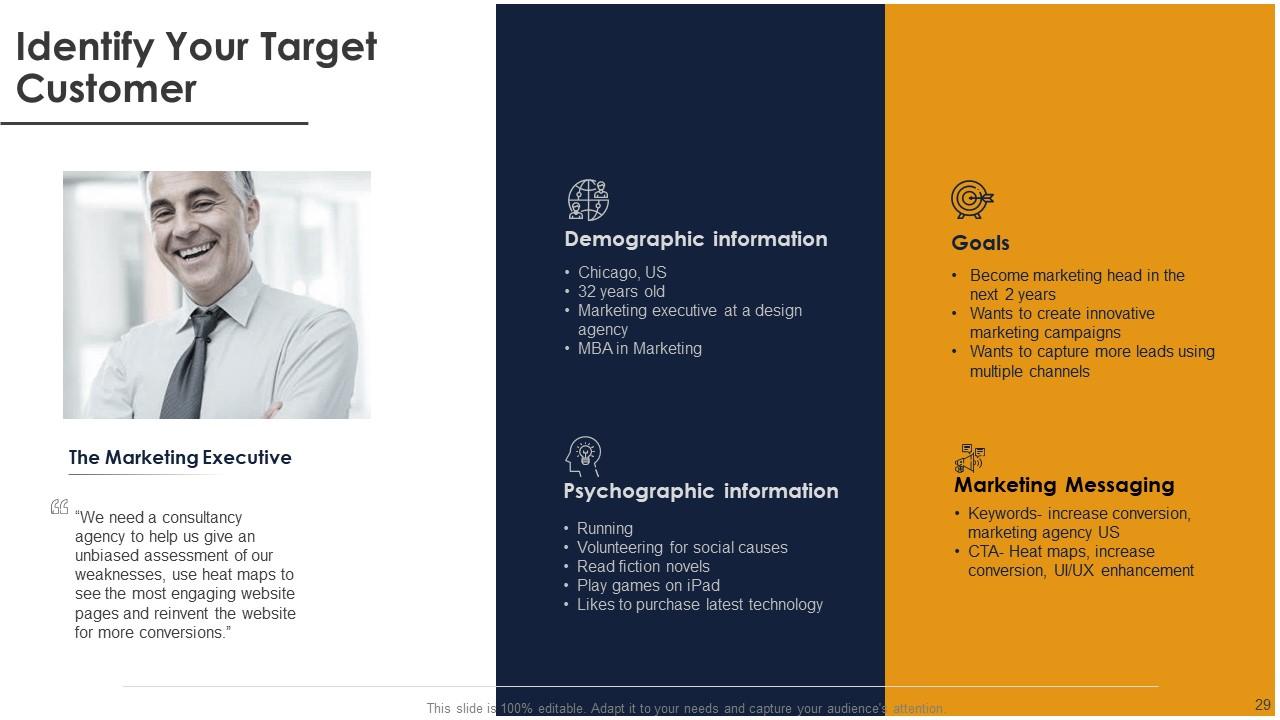
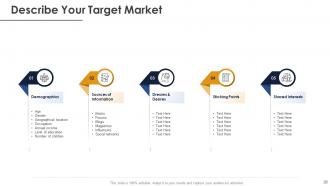
This Slide includes demographic and psychographic information as well as goals and targeted marketing messaging. It includes creating client personas that highlight age, gender, hobbies, and goals. Also, create messages that meet their wants and desires. This complete strategy enables accurate targeting and effective communication methods to increase engagement and conversion rates.
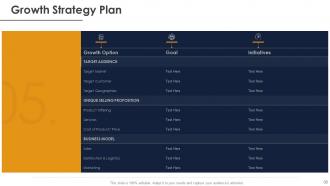
Template 10: Growth Strategy Plan
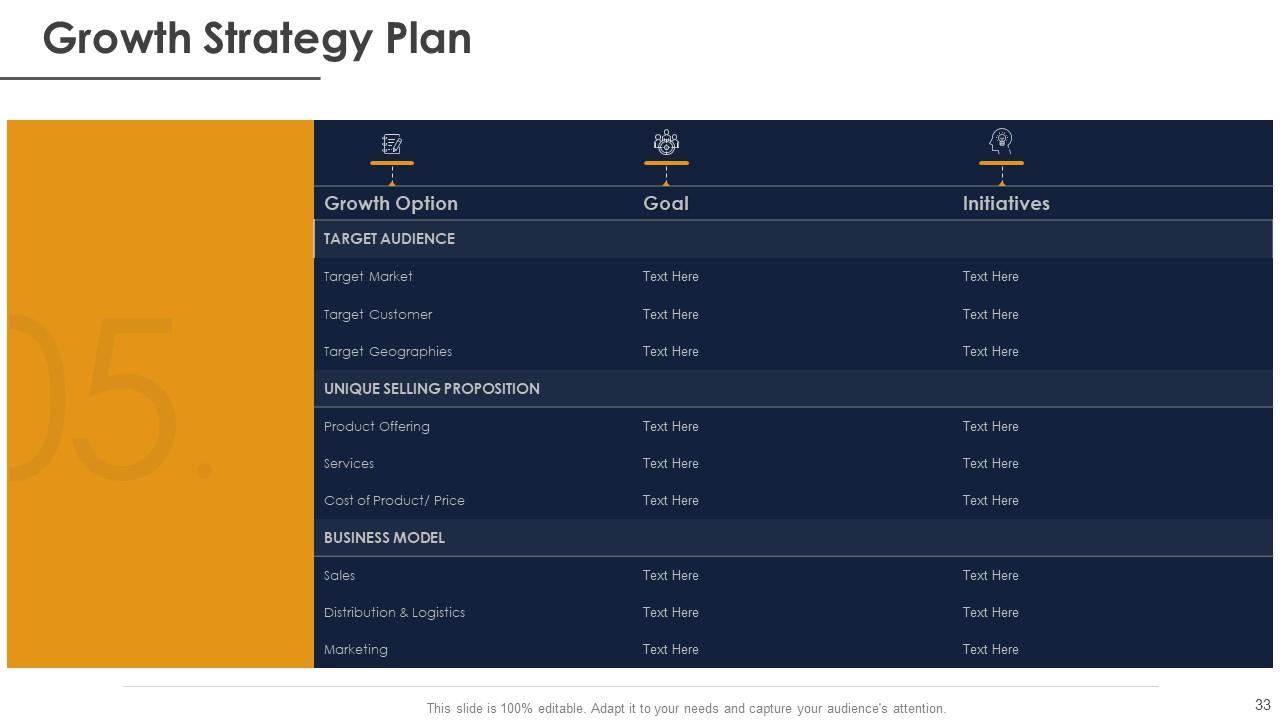
If you need growth, this slide is a must. It focuses on market analysis, competitive positioning, target audience identification, and strategic activities. A visual showing the Growth Option, Goal and Initiatives are included in this informative template. It provides guidance for developing a complete plan to sustainably increase operations and maximize profitability in ever changing business conditions.
BUSINESS DEVELOPMENT IS AKIN TO A LAUNCHING PAD
Drafting a successful business development strategy is the key to achieving progress and competitive advantage in the marketplace. A strategy is not a one-time plan, but one which continues and requires monitoring, adapting and improving. With the right resources like this PPT Template bundle, you can build a solid foundation for growth and build a booming business.
Business Development Strategy For Any Organization Powerpoint Presentation Slides with all 49 slides:
Use our Business Development Strategy For Any Organization Powerpoint Presentation Slides to effectively help you save your valuable time. They are readymade to fit into any presentation structure.
-
Business Development Strategy for Any Organization
-
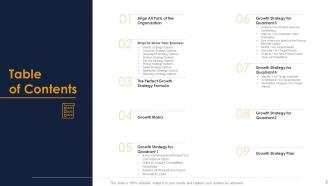
Table of Contents
-
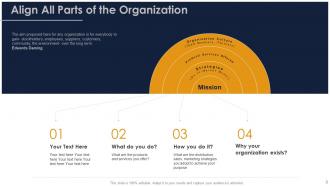
Align All Parts of the Organization
-
Ways to Grow Your Business
-
Market Strategy Options
-
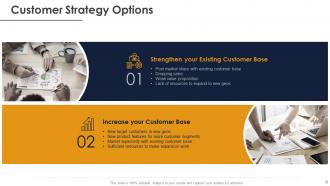
Customer Strategy Options
-

Geographic Strategy Option
-
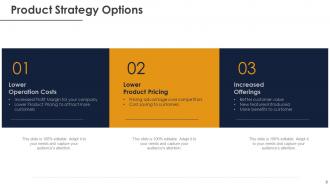
Product Strategy Options
-
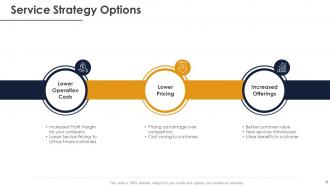
Service Strategy Options
-
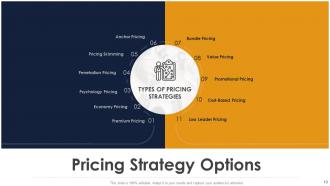
Pricing Strategy Options
-
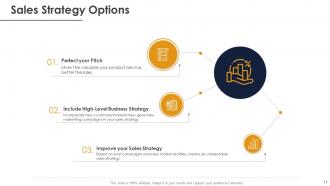
Sales Strategy Options
-
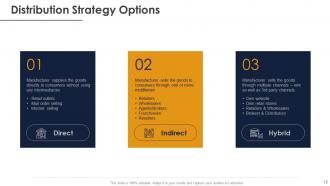
Distribution Strategy Options
-
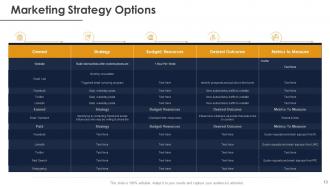
Marketing Strategy Options
-
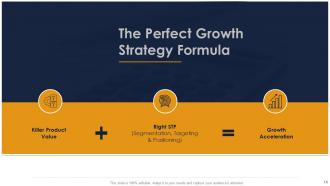
The Perfect Growth Strategy Formula
-
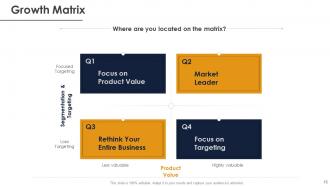
Growth Matrix
-
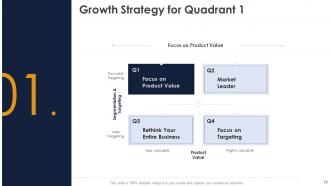
Growth Strategy for Quadrant 1
-
Business Development Strategy for Any Organization Pr
-
Acquire Competitive Advantage
-
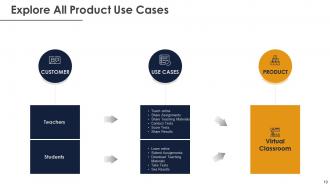
Explore All Product Use Cases
-
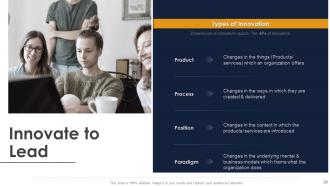
Innovate to Lead
-
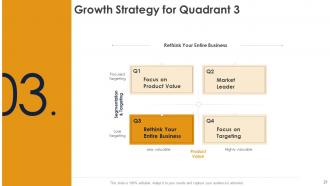
Growth Strategy for Quadrant 3
-
Analyze Your Product vis vis Competitors
-
Improve Your Customer Value Proposition
-
See where you stand on the Product Benefits Ladder
-
Refine Your Target Market
-
Describe Your Target Market
-
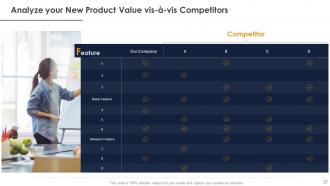
Analyze your New Product Value vis vis Competitors
-
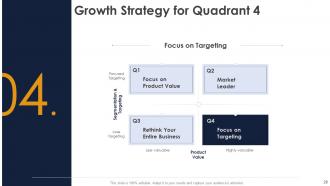
Growth Strategy for Quadrant 4
-
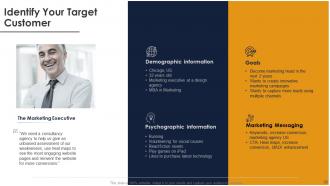
Identify Your Target Customer
-
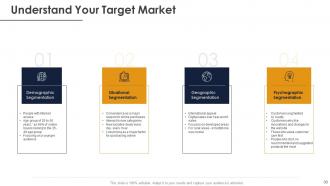
Understand Your Target Market
-
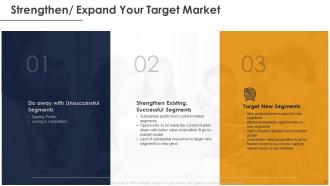
Strengthen Expand Your Target Market
-
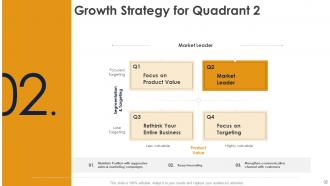
Growth Strategy for Quadrant 2
-
Growth Strategy Plan
-
Icons Slide for Business Development Strategy for Any Organization
-
Additional Slides
-
Agenda Slide
-
Company Introduction
-

Business Development Strategy for Any Organization Pr
-
Our Goals
-
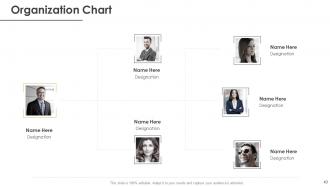
Organization Chart
-
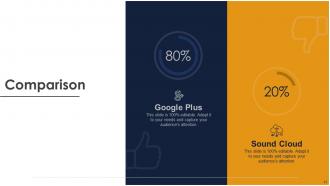
Comparison
-
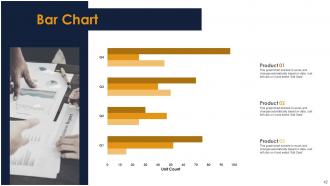
Bar Chart
-
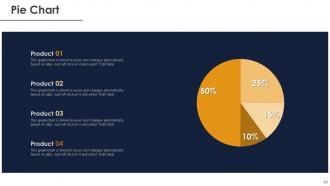
Pie Chart
-
Dashboard
-
Linear Process
-
Circular
-

Roadmap
-
Timeline
-

Thank You
FAQs for Business Development Strategy For Any Organization
Look, you need four main things for solid biz dev: know your target market, build real relationships, nail your value prop, and have a system for generating leads. Most people completely suck at follow-up though - like seriously, they'll have great conversations then just... disappear. That kills so many deals. Oh and partnerships are huge if you can swing them. Track your pipeline religiously so you actually know what's working vs what just feels productive. Start with figuring out your ideal customer first - everything else flows from there. Without that, you're basically throwing darts blindfolded.
Look at who's already buying from you first - that data is pure gold. Demographics, pain points, buying habits of similar groups come next. Honestly, I get way too into stalking competitors but it actually shows you where the gaps are. Surveys and interviews beat guessing every time. Social listening tools help too if you're not already using them. The tricky part? You want specific enough for targeted messaging but not so narrow you can't grow. Don't just assume what people want - ask them directly. Sounds obvious but most people skip this step.
Honestly, most solid partnerships come from people you actually know and trust. Your network is basically where these relationships start brewing before any formal deals happen. Don't just collect business cards (I'm terrible at following up on those anyway). Focus on real connections instead of trying to close something immediately. Short interactions work too - not everything needs to be a lengthy coffee meeting. People want to partner with folks they genuinely like working with. The trick is making networking a regular thing, not just when you desperately need something. That's when it gets weird and obvious.
Dude, you've gotta try some automation tools - they're insane for business dev. CRM systems make tracking prospects way easier, and social media tools help you find clients without manually scrolling forever. The analytics stuff is where it gets really cool though - you'll actually see what messaging works instead of just guessing. AI tools can personalize your outreach and predict conversions too. Oh, and don't go overboard at first. Pick maybe two tools max or you'll overwhelm yourself trying to learn everything at once.
Honestly, you need both the fast-moving stuff and the slower trends to really see what's happening. Focus on pipeline velocity, conversion rates per stage, deal size, and what it costs to land customers. Yeah, revenue growth matters but don't get stuck there - it's backwards-looking and won't help when things go sideways. Also track relationship stuff like how many meetings turn into real opportunities. I learned the hard way that watching 20 metrics is just noise. Stick to maybe 3-5 that you'll actually check weekly and that connect to what you're doing daily.
Look, collect feedback through surveys and interviews - the usual stuff. But here's the thing: actually analyze it for patterns instead of just grabbing the compliments. Find the pain points that keep coming up, especially ones that match what you're trying to build anyway. I've watched so many teams drown in feedback and then do absolutely nothing with it. Honestly worse than ignoring customers completely. Focus on stuff that either fixes your core product or opens up new opportunities. Set up quarterly reviews to go through everything and tweak your roadmap. Make it routine, not some random thing you do when you remember.
Honestly? The biggest mistake is not setting clear success metrics from the start. You'll chase every random opportunity that pops up instead of staying focused. Most people also suck at actually qualifying prospects - guilty as charged lol. Here's something counterintuitive: more meetings doesn't mean more deals. I learned that the hard way. Don't ignore your existing customers while hunting for new ones either. Renewals are way easier money than cold prospecting. Stick to your ideal customer profile and have some kind of system, even if it's basic. Winging it never works long-term.
Look, this might sound basic, but first figure out what your company actually wants to achieve in the next 3-5 years. So many teams just do their own thing without connecting the dots. Once you've got that mapped out, work backwards - which markets or partnerships will get you there? Everything your BD team does should tie directly to those bigger goals, not just random deals that look good. I make this simple chart showing how each BD move connects to our main metrics. We check it every quarter since priorities change (they always do). If you can't explain how your BD work moves the company forward, you're honestly just spinning your wheels.
Honestly, just figure out what actual problem you're solving first. Like, what's the one thing keeping your customer up at night? Your value prop needs to be stupid simple - one sentence max. I swear, companies love listing every feature when people just want to know "what do I get out of this?" Numbers help tons too. Save them 30% or cut 2 hours from their day, whatever. Make it real. Test different versions when you're talking to prospects. You'll know which one works because they'll start asking follow-up questions instead of checking their phone. Try A/B testing your pitch this week and see what happens.
Honestly, I use a simple scoring system - rate each deal 1-10 on size, closing probability, and timeline. Then multiply those numbers together. The highest scores get my attention first. Makes total sense, right? Don't waste time on that million-dollar pipe dream if it's never gonna close. Sometimes I'll prioritize a smaller deal with a huge brand name though - opens way more doors down the road. But yeah, start by scoring your current pipeline this way. You'll probably realize you've been chasing the wrong stuff. Focus your energy where the math actually works out.
So competitive analysis is like having a business GPS - shows you where you stand and helps you figure out better positioning. Look at what your competitors do well (and what they totally mess up) so you can find market gaps and avoid their mistakes. Honestly, it's pretty fun digging into their strategies once you get into it. The insights help you price things right and spot trends before they blow up. I'd start with maybe 3-5 direct competitors - check their messaging, pricing, and customer reviews monthly. You'll start seeing patterns pretty quick.
Dude, marketing and biz dev are like peanut butter and jelly - way better together. When marketing feeds you qualified leads, your life gets infinitely easier. You give them intel on what customers actually want, and they can stop wasting budget on terrible campaigns (we've all seen those). I swear deals close like 40% faster when both teams actually talk to each other about messaging and who you're targeting. The real win happens when you share what's in your pipeline and they tweak their stuff based on that. Just start with weekly check-ins between teams. Sounds boring but it'll save your quota.
Business development is all about mixing hard and soft skills. Communication matters most since you're always pitching and building relationships. Strategic thinking helps you find good opportunities and create solid value props. Resilience is probably underrated - rejection happens constantly, so you gotta bounce back. Analytical skills help you read market trends and track your pipeline (boring but necessary). Obviously sales skills for closing deals. Oh, and honestly? Start by figuring out what you suck at first, then work on those gaps. Way more efficient than trying to improve everything at once.
Honestly, start with making people feel safe to mess up - nobody's gonna take risks if they're terrified of getting fired. Give them actual time and money to experiment with stuff, even the weird ideas. I swear, the best teams I've worked with were the ones where managers would literally high-five people for failing smart. Bring in some outside speakers, maybe rotate people around so they're not stuck in the same bubble forever. But here's the thing - you gotta actually DO something with their suggestions. Those suggestion boxes that just collect dust? Total innovation killers. Pick one small thing to pilot this quarter and see what happens.
Here's what's worked for me - set up those quarterly check-ins to really understand what's changing for them. Show your impact with actual numbers. But honestly, the biggest mistake I see is waiting for clients to reach out when stuff goes wrong. Be the one sharing industry insights and spotting problems before they do. Oh, and this is huge - don't just talk to your main contact person. Build relationships with other people in their company too. Makes you way harder to replace and you'll discover opportunities you never knew existed. It's basically relationship management on steroids.
-
Great product with highly impressive and engaging designs.
-
The Designed Graphic are very professional and classic.
-
Appreciate the research and its presentable format.
-
Great product with highly impressive and engaging designs.
-
Unique design & color.
-
Enough space for editing and adding your own content.