


Event Management Proposal Template Powerpoint Presentation Slides




Try Before you Buy Download Free Sample Product
 Impress Your
 Audience
 100%
100% Editable
 Save Hours
 of Time


Our Event Management Proposal Template Powerpoint Presentation Slides are topically designed to provide an attractive backdrop to any subject. Use them to look like a presentation pro.
People who downloaded this PowerPoint presentation also viewed the following :
Event Management Proposal Template Powerpoint Presentation Slides with all 33 slides:
Use our Event Management Proposal Template Powerpoint Presentation Slides to effectively help you save your valuable time. They are readymade to fit into any presentation structure.















FAQs for Event Management Proposal Template
Okay so for your proposal template, start with the event overview and what you're trying to achieve. Include a solid timeline and budget breakdown - clients always want to see the numbers upfront. Venue options are crucial, plus all the logistics stuff like catering and AV needs. Honestly, contingency planning is what separates pros from amateurs, so definitely add that. Your team's background matters too. Throw in some past events you've done well - people love seeing proof you can actually pull this off. Oh, and make your payment terms crystal clear from the start. End with next steps that feel natural, not pushy.
Honestly, just tweak the key sections for each event type. Corporate stuff? Focus on ROI and networking angles. Wedding clients are totally different - they want all the emotional feels and get super detailed about timelines. I've noticed they stress about things corporate clients don't even think about. Fundraisers need donor strategy talk and sponsorship breakdowns. The basic template structure works for everything, but rewrite your service descriptions and what you're measuring for success. Keep like 2-3 versions saved so you're not rebuilding from zero each time.
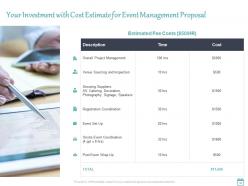
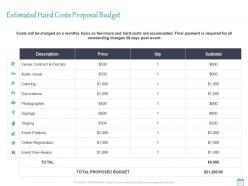
Break everything into clear categories - venue, catering, entertainment, staff, marketing, all that stuff. Line items are your best friend here! Clients need to see exactly where their cash is going. I learned this the hard way when proposals would just... die. Nobody trusts a mystery lump sum, you know? Lead with the total investment amount first, then show the breakdown in a clean table with subtotals. Always be upfront about your markup - transparency wins every time. Oh, and throw in a 10-15% contingency buffer because something always goes sideways. Trust me on that one.
Oh definitely use visuals! Floor plans are perfect for showing venue layouts, and timelines make the whole event flow super clear. Mood boards are clutch for conveying your vibe too. For budgets, charts beat wall-of-text paragraphs every time - seriously, no one wants to decipher that mess. Photos from past events you've done help clients actually picture what they're getting. Don't go crazy though. Keep it clean and maybe one visual per section so you're not overwhelming them. It's honestly the difference between getting skimmed and actually read.
Oh man, the worst thing you can do is be super vague about money and when stuff will happen. Clients absolutely hate getting blindsided later. Also don't use those obvious template proposals - they spot that garbage from a mile away. Never promise more than you can actually pull off, and honestly? Always have a backup plan because events are chaos magnets. Double-check your contact info too (I know someone who lost a huge gig because their phone number was wrong). Include 2-3 examples of similar events you've done. Basically just be upfront and detailed about everything.
Look, the executive summary is make-or-break territory. Busy clients will skim the rest but actually read this part cover to cover. It's basically your elevator pitch in writing - hit your value prop, main deliverables, timeline and budget in a way that grabs them. Don't just list what you'll do; focus on what they'll get out of it. Short, punchy sentences work better than corporate fluff. Honestly? I'd spend like 30% of my total writing time just on this section. Sounds excessive but it's where deals get made or lost.
Honestly, client feedback is everything for your proposal template. When they tell you something's confusing or missing, that's gold - fix it now so you don't lose the next deal over the same issue. I always keep track of the questions they ask during reviews and what sections they actually read (vs. what they ignore). You'll start seeing patterns pretty quickly. The templates that win business aren't the fancy ones - they're the ones that actually answer what clients care about. Update yours every few months based on what you're hearing. It's way easier than starting from scratch each time.
Definitely add a risk section - trust me on this one. Weather, vendor no-shows, low turnout, going over budget... list it all out with backup plans. I got burned when our caterer literally disappeared the day before an event (still mad about that tbh). Have backup venues ready, keep some emergency cash, build extra time into your schedule. Oh and make sure you've got emergency contacts for everything. Clients eat this stuff up because it shows you actually know what you're doing. Cover the money stuff AND the logistics - then spell out exactly what you'll do if things go sideways.
Don't forget liability insurance and indemnification stuff - that's critical. Force majeure provisions too, because weird things happen. Payment terms should be crystal clear, along with cancellation policies. Permits are a nightmare if you mess them up, trust me. City officials will shut you down fast. Who's liable if someone gets injured? Spell that out. IP rights for any content you create, data protection if you're collecting attendee details, vendor responsibilities. Honestly, just have your legal team look over the template first. Way better than scrambling to fix problems later when clients are breathing down your neck.
Track response times first - if they're not getting back to you within their stated timeframe, that's usually not promising. Keep tabs on your conversion rate from proposals to actual contracts. The average value of deals you're winning matters too. Honestly, getting cut in early rounds vs making it to finals tells you a lot about where your pitch is falling short. Any feedback is gold, even if it stings. Oh, and track revision requests - sometimes those lead to better opportunities down the road. Just throw it all in a basic spreadsheet with dates and outcomes. You'll start seeing patterns pretty quickly.
For proposal design, Canva's super user-friendly or go with Adobe InDesign if you want something more professional. PandaDoc and Proposify are solid for business proposals - they've got templates plus e-signature stuff built in. Google Docs actually works fine too if you're watching your budget (their templates aren't terrible). I'd use Monday.com or Asana to keep track of all your proposal pieces and deadlines - honestly, staying organized is half the battle. HubSpot has proposal tools if you're already in their ecosystem. Just start with whatever fits your budget right now. You can always level up later once you figure out what you actually need.
Dude, testimonials are like your proof that you actually know what you're doing. Instead of just saying "trust me, I'm great at events," you've got real clients backing you up with specifics. Numbers hit different too - like when someone says you boosted their attendance by 40% or calls your work "flawless execution." Way more convincing than empty promises. Oh, and match the testimonial to whatever type of event you're pitching. Makes sense, right? It's basically showing them you've nailed this exact thing before.
Definitely add hybrid event stuff and sustainability practices - that's baseline now. Tech integration is huge too, like AI networking and livestreaming setups. Contactless check-ins are pretty much expected at this point. Oh, and data analytics dashboards make you look super legit. Personalized attendee experiences are massive right now, so definitely highlight that capability. Virtual attendance options too, obviously. You really want to come across as someone who actually gets what events look like today, not just someone stuck in 2019 booking basic venues. Position yourself as forward-thinking and you'll stand out way more.
Honestly, templates are game-changers for keeping everyone on the same page. Your clients, vendors, and team can jump straight to what they need instead of digging through random formats. Think of it like everyone using the same playbook - way fewer miscommunications later. You can split up sections between team members and track changes without losing your mind. Oh, and clients definitely notice when your stuff looks professional and organized (learned that one the hard way). Trust me, once you start using consistent templates, those stakeholder meetings get so much less chaotic.
Your timeline is seriously the backbone of your whole proposal - shows clients you're not just throwing stuff at the wall. They need to see you get the sequencing and won't blow their deadlines. A solid timeline helps them picture everything from kickoff meetings to the final debrief. Honestly? Detailed timelines make you look way more professional than competitors tossing around random dates. Include your big milestones, when vendors need to sync up, plus buffer time because something always goes sideways. Just keep it realistic though - don't oversell what you can actually pull off.
-
Easy to edit slides with easy to understand instructions.