


Event Proposal Powerpoint Presentation Slides





Try Before you Buy Download Free Sample Product
 Impress Your
 Audience
 100%
100% Editable
 Save Hours
 of Time


SlideTeam is here to take care of all your event proposal to outline all the services you will provide for an event. Introducing you aesthetically, event proposal PowerPoint presentation slides for your marketing campaign, and your sales pitch all wrapped up into one PPT presentation. Crafted with the graphics of professional work environment, employee, desks, and bulletin, we have covered up topics which cover up, information about you, about the event, sponsorship opportunities, the benefit to sponsors, sponsorship form, event goals, target audience, objective to ensure quality, road map demonstrating, initiation of the event, to chief guest speech and closure of the programme. Various modules of sponsorship opportunities have been scripted here for your personalization. This PowerPoint template has been designed while keeping in mind that the organization has to consider viewers point of view and have to communicate with the executives through this scheme. Give your business and marketing related presentations a dauntless edge. Proceed now and download today. Impress the sponsors and get them on board with you using Event Proposal PowerPoint Presentation Slides.
People who downloaded this PowerPoint presentation also viewed the following :
Content of this Powerpoint Presentation
Slide 1: This slides introduces Event Proposal.State your company name and begin.
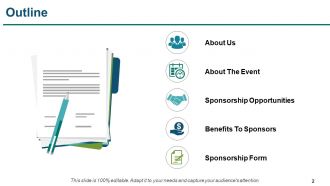
Slide 2: This slide showcase Outline and help you adding data about:- About Us, About The Event, Sponsorship Form, Sponsorship Opportunities, Benefits To Sponsors.
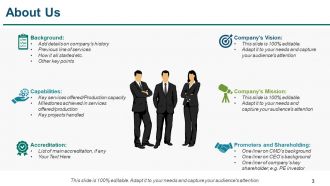
Slide 3: This slide shows About Us. You can add some points about your company in these categories like Promoters and Shareholding, Accreditation, Company’s Mission, Capabilities, Key services offered/Production capacity, Key projects handled, Company’s Vision, Background.
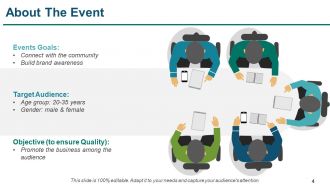
Slide 4: This slide showing about the event showing events goals, target audience, objective. You can use as per your own requirement.
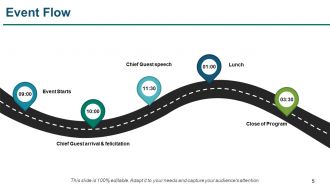
Slide 5: This slide presents Event Flow which can give the brief about the roadmap of the event that also include- Close of Program, Event Starts, Chief Guest arrival & felicitation, Lunch.
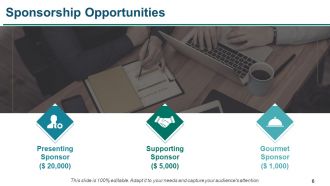
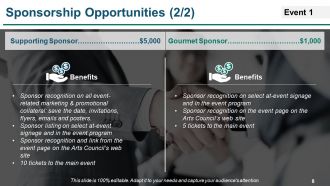
Slide 6: This slide showcase Sponsorship Opportunities Presenting Sponsor, Supporting Sponsor, Gourmet Sponsor.
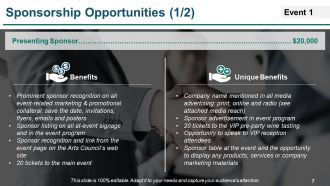
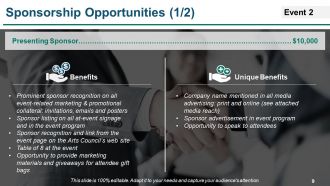
Slide 7: This slide presents Sponsorship Opportunities showing benefits and unique benefits
Slide 8: This slide displays Sponsorship Opportunities showing benefits. You can modify your benefits according to your need.
Slide 9: This slide showing Sponsorship Opportunities that includes Presenting Sponsor. It is presenting benefits and unique benefits.
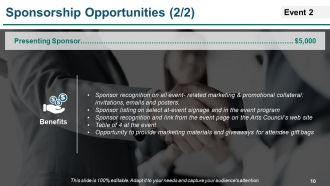
Slide 10: This slide is continuation with the above slide you can use it for benefits.
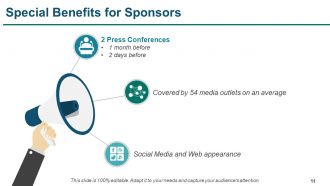
Slide 11: This slide shows Special Benefits for Sponsors which includes press conference, media, social media and web appearance.
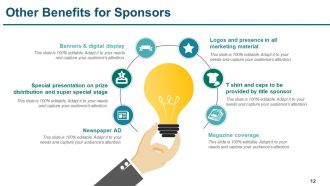
Slide 12: This slide expaining about Other Benefits for Sponsors which are as follows- Special presentation on prize distribution and super special stage, Newspaper AD, Banners & digital display, Logos and presence in all marketing material, T shirt and caps to be provided by title sponsor, Magazine coverage.
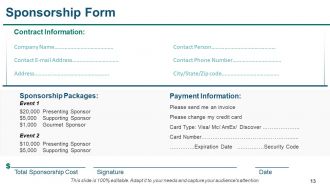
Slide 13: This slides shows up Sponsorship Form which includes contract information, sponsorship packages, payment information.
Slide 14: This is Tea Break slide to halt. You can change the slide as per your need.
Slide 15: This is a Event Proposal Icons. You can use it as per your need.
Slide 16: This slide is titled Additional Slides to move forward.
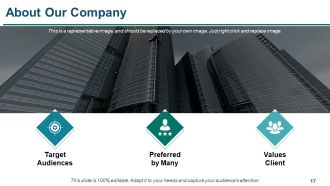
Slide 17: This slide is About Our Company that also includes- Target Audiences, Preferred by Many, Values Client.
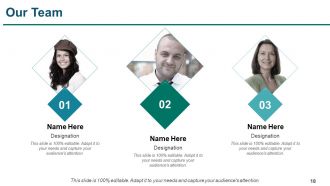
Slide 18: This slide presents Our Team with name, designation and image box.
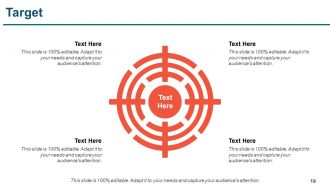
Slide 19: This is a Target slide. State them here.
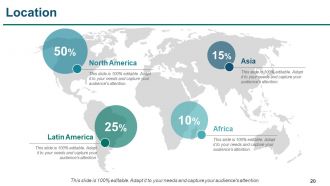
Slide 20: This slide showing segregation across the globe with various Location
Slide 21: This is a Magnifying glass image slide. State specifications, information here.
Slide 22: This slide shows post it notes you can add your notes as per your requirement.
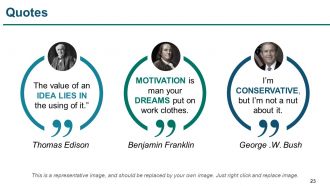
Slide 23: This slide showcases Quotes. You can add your own quotes. Also This is a representative image, and should be replaced by your own image.
Slide 24: This slide is titled as Charts And Graph to proceed to further slides. You can change content as per need.
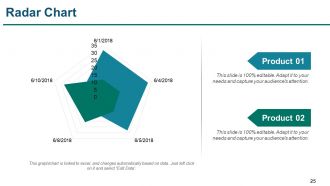
Slide 25: This slide showcase radar chart with which you can compare the two products.
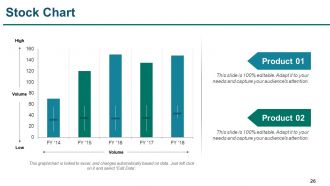
Slide 26: This slide shows Stock Chart which compare two products.
Slide 27: This is a Thank You For Watching slide with Address# Street number, city, state, Email Address, Contact Numbers.
Event Proposal Powerpoint Presentation Slides with all 27 slides:
Approach charitable institutions with our Event Proposal Powerpoint Presentation Slides. Convince them to contribute for your genuine cause.
FAQs for Event Proposal
Okay so you'll need clear objectives first - like what's the actual point of this thing? Budget breakdown is huge (this is honestly where most people screw up, so don't lowball it). Timeline with major dates, who you're targeting, and basic logistics like venue stuff. The "why" matters too - show them what they'll get back from it. Throw in a quick backup plan for when things go sideways. Keep it short though, maybe 2-3 pages tops. Oh and always end with next steps and your contact info so they can actually reach you with questions.
Oh definitely use visuals! Seriously, nobody wants to scroll through paragraphs when they're trying to picture your event. I'd swap out at least half your text for mockups of the venue setup, mood boards, maybe some clean infographics for budgets. Charts and photos from similar events you've done before work great too. Even basic color-coding helps people scan through everything faster. Makes you look way more organized and creative than just walls of text - plus stakeholders can actually visualize what you're pitching instead of having to imagine it themselves.
Don't be vague about logistics - that kills proposals instantly. Budget breakdowns need to be realistic too, not just ballpark numbers. Never over-promise on deliverables or how many people will show up, because that'll come back to haunt you later. Your timeline has to actually work, not just look good on paper. Always include contingency planning since everyone asks "what if things go wrong?" Oh and here's the thing - generic templates are so obvious. Spend like 10 minutes researching what they actually want before sending it off. Trust me, it makes a huge difference.
Honestly, just tailor each section to what that specific person actually cares about. Sponsors want ROI numbers and brand visibility stuff. Venue managers? They're worried about logistics and whether you'll trash their space, so hit the safety protocols hard. Executives are looking for how this fits their bigger strategy and what success looks like. What I do is write one master proposal, then swap out like 3-4 key paragraphs depending on the audience - total time saver. The real trick is doing your homework first. Figure out what keeps each stakeholder up at night, then position your event as fixing exactly that problem. Works every time.
Dude, the budget section can totally make or break your proposal. Break it down by line items - venue, food, entertainment, staff, all that stuff. Don't just slap down one big number (trust me on this one). They want to see exactly where their cash is going. Always add like 10-15% buffer because something random will pop up - it always does. Oh and present it as a range instead of exact figures. Gives you wiggle room when they inevitably want to negotiate everything down.
Okay so first thing - dig into their past events and see what their competitors are doing. You want to come at them with something they haven't seen before, not the same tired event planning pitch everyone else is throwing at them. Visuals are huge too. Mock-ups, mood boards, whatever helps them actually picture your idea instead of just another boring proposal. And honestly? Most people half-ass the personalization part. Make everything about their specific brand and what they're actually trying to accomplish. Throw in some ROI numbers if you can swing it, plus a timeline with clear milestones. Show them you actually understand their goals.
Make your goals super specific with numbers - like "boost brand awareness 25%" not just "get more visibility." That's what actually gets proposals approved. Connect everything back to the main business strategy so it doesn't look random. I'd break it into primary and secondary goals, then show how each part of the event hits those targets. This section honestly makes or breaks the whole thing because it proves you're not just planning some fancy party. Oh, and definitely include how you'll measure success - stakeholders love seeing clear metrics they can track.
Dude, you can't just guess at numbers - solid data is everything here. Get real attendance projections, budget breakdowns, venue capacity info, and who your audience actually is. Market research matters too: check out similar events and what they charge. I learned this the hard way watching proposals die from fake stats. Survey people who might come, grab testimonials from past events, look up your venue's history. Industry reports and census data are your friends. Oh and start this research stuff early because finding good sources takes forever - way longer than you think it will.
Okay so start with your event date and work backwards - that's the only way that actually makes sense. I always throw in 10-15% buffer time because literally something ALWAYS goes wrong. Use real dates instead of "two weeks before" or whatever - trust me, it saves so much confusion later. Break big tasks into smaller ones with specific people assigned. Oh and make two versions! Keep a detailed one for yourself with all the nitty-gritty stuff, then create a simple client version that just shows the major milestones they need to sign off on. Way less overwhelming for them.
So for metrics, you'll definitely want the obvious stuff - attendance, how many people actually showed up vs registered, social media buzz. Revenue's huge if you're charging - ticket sales, sponsorships, basic ROI math. But honestly? The survey feedback after is where you get the real gold. Brand awareness is trickier to measure but still worth tracking. Oh, and lead gen numbers if that's your thing. The key is picking KPIs that actually match what you're trying to accomplish. Don't just throw random numbers at stakeholders - explain how you'll track everything and set targets that aren't completely unrealistic.
Get super specific about who's coming - like "B2B marketing directors at mid-size SaaS companies struggling with lead gen." Then map out their whole day from registration to leaving. What happens during networking? Which sessions matter most? Include the weird stuff too, honestly - where do they grab coffee, when do they check phones? Use bullets or a timeline so it's easy to scan. Show how your event fixes their actual problems and what they'll feel walking out. Don't just say "valuable insights" - give them something concrete like "3 qualified leads plus that content template they've been needing."
Be upfront about costs and timelines from the start - budget surprises are the worst. Think about accessibility for people with disabilities and maybe environmental stuff if your company cares about that. Don't schedule during major holidays or pick venues that feel exclusive to certain groups. Honestly, I'd run it by a bunch of different colleagues first because they'll spot things you totally missed. Oh, and make sure your timeline is actually realistic - we all know how these things go. The whole point is making everyone feel welcome while delivering what you promised.
Honestly, past event feedback is pure gold when you're writing proposals. Start tracking attendance numbers, satisfaction scores, budget stuff after each event - trust me, you'll thank yourself later instead of trying to remember everything. Use those data points to back up your new ideas and show you actually listen. Did the catering suck last time? Address it head-on in your proposal. Shows you're thinking ahead. Just don't dump every piece of feedback in there though. Pick the stuff that actually supports what you're trying to do now. It's way more convincing than just throwing ideas at the wall.
Listen, most event planners just wing the marketing part and hope for the best - huge mistake. You need to show clients you've mapped out exactly how you'll pack the place. Cover your promotion strategy, timeline, messaging, the whole thing. Social media campaigns, email blasts, maybe some partnerships too. Honestly, just having a real marketing section makes you look way more professional than 90% of your competition. Clients want to see attendance numbers, not just pretty decorations. It proves you get their budget and actually care about ROI instead of just throwing a fancy party.
Think of your proposal like telling a story. Start with the problem your audience is dealing with - maybe "busy executives can't keep up with industry changes" or whatever fits. Then your event becomes the hero that saves the day. Paint a picture of what success actually looks like after they attend. Honestly, skip the boring bullet points - nobody wants to read those. Use real examples from past events if you've got them. Make readers picture themselves there having that "aha moment." Try writing your executive summary like a mini-story first. Way more engaging than the usual corporate speak.
-
Really like the color and design of the presentation.
-
Excellent Designs.
-
good