

Diapositivas de presentación de Powerpoint de propuesta de evento





Try Before you Buy Download Free Sample Product
 Impress Your
Audience
 100%
Editable
 Save Hours
of Time


SlideTeam está aquí para encargarse de toda su propuesta de evento para delinear todos los servicios que brindará para un evento. Le presentamos estéticamente, diapositivas de presentación de PowerPoint de propuesta de evento para su campaña de marketing y su argumento de venta, todo en una presentación PPT. Elaborado con los gráficos del entorno de trabajo profesional, empleado, escritorios y boletín, hemos cubierto temas que cubren, información sobre usted, sobre el evento, oportunidades de patrocinio, el beneficio para los patrocinadores, formulario de patrocinio, objetivos del evento, público objetivo, objetivo para garantizar la calidad, la hoja de ruta demostrando, el inicio del evento, el discurso del invitado principal y el cierre del programa. Aquí se han programado varios módulos de oportunidades de patrocinio para su personalización. Esta plantilla de PowerPoint ha sido diseñada teniendo en cuenta que la organización debe considerar el punto de vista de los espectadores y comunicarse con los ejecutivos a través de este esquema. Dé a sus presentaciones comerciales y relacionadas con el marketing una ventaja intrépida. Continúe ahora y descargue hoy. Impresione a los patrocinadores y hágalos participar con usted mediante las diapositivas de presentación de PowerPoint de propuesta de evento.
People who downloaded this PowerPoint presentation also viewed the following :
Contenido de esta presentación de Powerpoint
Diapositiva 1 : Esta diapositiva presenta la propuesta de evento. Diga el nombre de su empresa y comience.
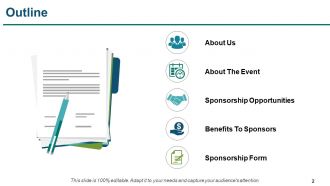
Diapositiva 2 : Este esquema de presentación de diapositivas lo ayuda a agregar datos sobre: - Acerca de nosotros, Acerca del evento, Formulario de patrocinio, Oportunidades de patrocinio, Beneficios para los patrocinadores.
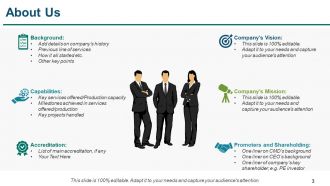
Diapositiva 3 : Esta diapositiva muestra Acerca de nosotros. Puede agregar algunos puntos sobre su empresa en estas categorías como Promotores y Participación accionaria, Acreditación, Misión de la empresa, Capacidades, Servicios clave ofrecidos / Capacidad de producción, Proyectos clave manejados, Visión de la empresa, Antecedentes.
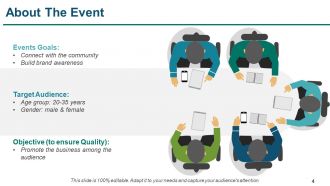
Diapositiva 4 : Esta diapositiva muestra sobre el evento y muestra las metas del evento, la audiencia objetivo y el objetivo. Puede utilizar según sus propios requisitos.
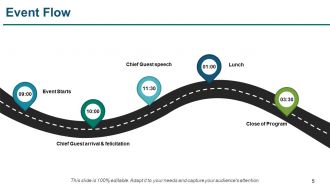
Diapositiva 5 : Esta diapositiva presenta el flujo del evento, que puede brindar un resumen sobre la hoja de ruta del evento que también incluye: cierre del programa, inicio del evento, llegada y felicitación del invitado principal, almuerzo.
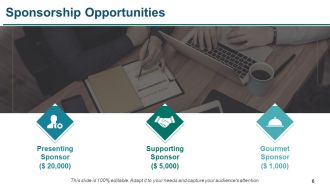
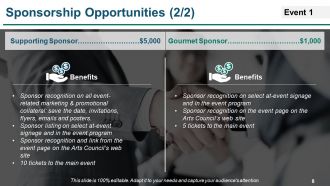
Diapositiva 6 : Esta diapositiva muestra Oportunidades de patrocinio Presentando Patrocinador, Patrocinador de apoyo, Patrocinador gourmet.
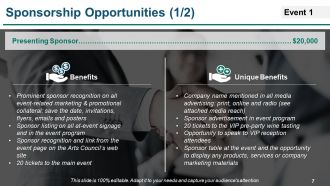
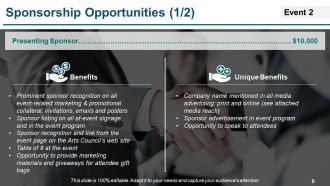
Diapositiva 7 : esta diapositiva presenta oportunidades de patrocinio que muestran beneficios y beneficios únicos
Diapositiva 8 : Esta diapositiva muestra las oportunidades de patrocinio que muestran los beneficios. Puede modificar sus beneficios según su necesidad.
Diapositiva 9 : Esta diapositiva muestra las oportunidades de patrocinio que incluye la presentación del patrocinador. Presenta beneficios y beneficios únicos.
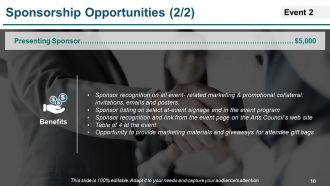
Diapositiva 10 : Esta diapositiva es la continuación de la diapositiva anterior, puede usarla para obtener beneficios.
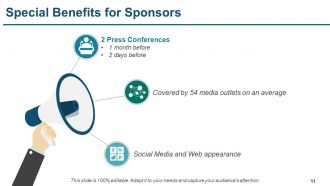
Diapositiva 11 : Esta diapositiva muestra los beneficios especiales para los patrocinadores, que incluyen conferencias de prensa, medios de comunicación, redes sociales y presencia en la web.
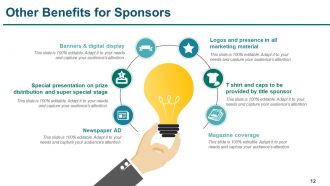
Diapositiva 12 : Esta diapositiva amplía sobre Otros Beneficios para los Patrocinadores, que son los siguientes: Presentación especial sobre distribución de premios y escenario súper especial, Anuncio de periódico, Banners y exhibición digital, Logos y presencia en todo el material de marketing, Camiseta y gorras que proporcionará patrocinador principal, cobertura de la revista.
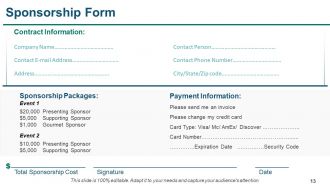
Diapositiva 13 : Esta diapositiva muestra un formulario de patrocinio que incluye información sobre el contrato, paquetes de patrocinio e información de pago.
Diapositiva 14 : Esta es la diapositiva para detener la pausa del té. Puede cambiar la diapositiva según sus necesidades.
Diapositiva 15 : Este es un ícono de propuesta de evento. Puede usarlo según sus necesidades.
Diapositiva 16 : esta diapositiva se titula Diapositivas adicionales para avanzar.
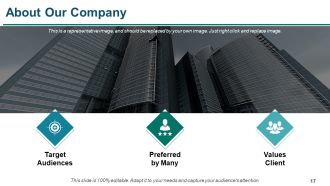
Diapositiva 17 : Esta diapositiva es Acerca de nuestra empresa y también incluye: Públicos objetivo, Preferidos por muchos, Clientes de valores.
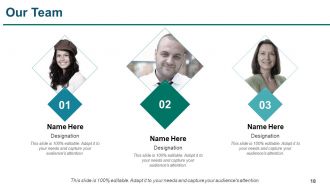
Diapositiva 18 : Esta diapositiva presenta a Nuestro equipo con el nombre, la designación y el cuadro de imagen.
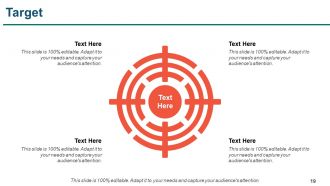
Diapositiva 19 : Esta es una diapositiva de Target. Indíquelos aquí.
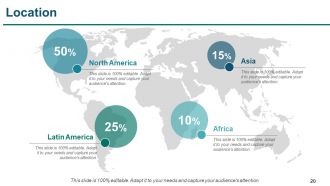
Diapositiva 20 : Esta diapositiva muestra la segregación en todo el mundo con varias ubicaciones.
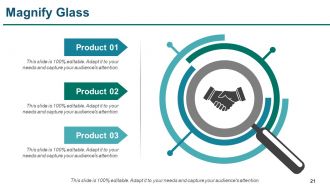
Diapositiva 21 : Esta es una diapositiva con imagen de lupa. Especificaciones estatales, información aquí.
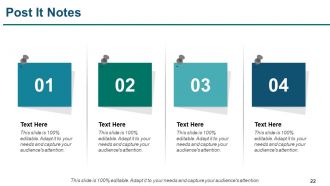
Diapositiva 22 : Esta diapositiva muestra notas de publicación que puede agregar sus notas según sus requisitos.
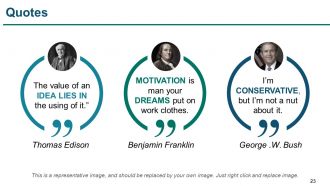
Diapositiva 23 : Esta diapositiva muestra Cotizaciones. Puede agregar sus propias cotizaciones. Además, esta es una imagen representativa y debe reemplazarse por su propia imagen.
Diapositiva 24 : esta diapositiva se titula Cuadros y gráficos para continuar con las diapositivas posteriores. Puede cambiar el contenido según sus necesidades.
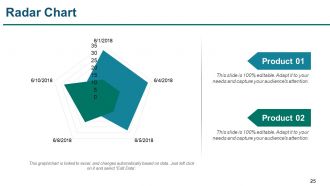
Diapositiva 25 : Este gráfico de radar de presentación de diapositivas con el que puede comparar los dos productos.
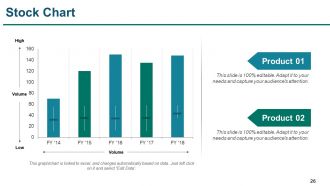
Diapositiva 26 : Esta diapositiva muestra un gráfico de acciones que compara dos productos.
Diapositiva 27 : Esta es una diapositiva de agradecimiento por mirar con número de dirección, número de calle, ciudad, estado, dirección de correo electrónico y números de contacto.
Diapositivas de presentación de PowerPoint de propuesta de evento con las 27 diapositivas:
Acérquese a instituciones benéficas con nuestras diapositivas de presentación en PowerPoint de propuestas de eventos. Convéncelos de que contribuyan por su causa genuina.
FAQs for Event Proposal
Okay so you'll need clear objectives first - like what's the actual point of this thing? Budget breakdown is huge (this is honestly where most people screw up, so don't lowball it). Timeline with major dates, who you're targeting, and basic logistics like venue stuff. The "why" matters too - show them what they'll get back from it. Throw in a quick backup plan for when things go sideways. Keep it short though, maybe 2-3 pages tops. Oh and always end with next steps and your contact info so they can actually reach you with questions.
Oh definitely use visuals! Seriously, nobody wants to scroll through paragraphs when they're trying to picture your event. I'd swap out at least half your text for mockups of the venue setup, mood boards, maybe some clean infographics for budgets. Charts and photos from similar events you've done before work great too. Even basic color-coding helps people scan through everything faster. Makes you look way more organized and creative than just walls of text - plus stakeholders can actually visualize what you're pitching instead of having to imagine it themselves.
Don't be vague about logistics - that kills proposals instantly. Budget breakdowns need to be realistic too, not just ballpark numbers. Never over-promise on deliverables or how many people will show up, because that'll come back to haunt you later. Your timeline has to actually work, not just look good on paper. Always include contingency planning since everyone asks "what if things go wrong?" Oh and here's the thing - generic templates are so obvious. Spend like 10 minutes researching what they actually want before sending it off. Trust me, it makes a huge difference.
Honestly, just tailor each section to what that specific person actually cares about. Sponsors want ROI numbers and brand visibility stuff. Venue managers? They're worried about logistics and whether you'll trash their space, so hit the safety protocols hard. Executives are looking for how this fits their bigger strategy and what success looks like. What I do is write one master proposal, then swap out like 3-4 key paragraphs depending on the audience - total time saver. The real trick is doing your homework first. Figure out what keeps each stakeholder up at night, then position your event as fixing exactly that problem. Works every time.
Dude, the budget section can totally make or break your proposal. Break it down by line items - venue, food, entertainment, staff, all that stuff. Don't just slap down one big number (trust me on this one). They want to see exactly where their cash is going. Always add like 10-15% buffer because something random will pop up - it always does. Oh and present it as a range instead of exact figures. Gives you wiggle room when they inevitably want to negotiate everything down.
Okay so first thing - dig into their past events and see what their competitors are doing. You want to come at them with something they haven't seen before, not the same tired event planning pitch everyone else is throwing at them. Visuals are huge too. Mock-ups, mood boards, whatever helps them actually picture your idea instead of just another boring proposal. And honestly? Most people half-ass the personalization part. Make everything about their specific brand and what they're actually trying to accomplish. Throw in some ROI numbers if you can swing it, plus a timeline with clear milestones. Show them you actually understand their goals.
Make your goals super specific with numbers - like "boost brand awareness 25%" not just "get more visibility." That's what actually gets proposals approved. Connect everything back to the main business strategy so it doesn't look random. I'd break it into primary and secondary goals, then show how each part of the event hits those targets. This section honestly makes or breaks the whole thing because it proves you're not just planning some fancy party. Oh, and definitely include how you'll measure success - stakeholders love seeing clear metrics they can track.
Dude, you can't just guess at numbers - solid data is everything here. Get real attendance projections, budget breakdowns, venue capacity info, and who your audience actually is. Market research matters too: check out similar events and what they charge. I learned this the hard way watching proposals die from fake stats. Survey people who might come, grab testimonials from past events, look up your venue's history. Industry reports and census data are your friends. Oh and start this research stuff early because finding good sources takes forever - way longer than you think it will.
Okay so start with your event date and work backwards - that's the only way that actually makes sense. I always throw in 10-15% buffer time because literally something ALWAYS goes wrong. Use real dates instead of "two weeks before" or whatever - trust me, it saves so much confusion later. Break big tasks into smaller ones with specific people assigned. Oh and make two versions! Keep a detailed one for yourself with all the nitty-gritty stuff, then create a simple client version that just shows the major milestones they need to sign off on. Way less overwhelming for them.
So for metrics, you'll definitely want the obvious stuff - attendance, how many people actually showed up vs registered, social media buzz. Revenue's huge if you're charging - ticket sales, sponsorships, basic ROI math. But honestly? The survey feedback after is where you get the real gold. Brand awareness is trickier to measure but still worth tracking. Oh, and lead gen numbers if that's your thing. The key is picking KPIs that actually match what you're trying to accomplish. Don't just throw random numbers at stakeholders - explain how you'll track everything and set targets that aren't completely unrealistic.
Get super specific about who's coming - like "B2B marketing directors at mid-size SaaS companies struggling with lead gen." Then map out their whole day from registration to leaving. What happens during networking? Which sessions matter most? Include the weird stuff too, honestly - where do they grab coffee, when do they check phones? Use bullets or a timeline so it's easy to scan. Show how your event fixes their actual problems and what they'll feel walking out. Don't just say "valuable insights" - give them something concrete like "3 qualified leads plus that content template they've been needing."
Be upfront about costs and timelines from the start - budget surprises are the worst. Think about accessibility for people with disabilities and maybe environmental stuff if your company cares about that. Don't schedule during major holidays or pick venues that feel exclusive to certain groups. Honestly, I'd run it by a bunch of different colleagues first because they'll spot things you totally missed. Oh, and make sure your timeline is actually realistic - we all know how these things go. The whole point is making everyone feel welcome while delivering what you promised.
Honestly, past event feedback is pure gold when you're writing proposals. Start tracking attendance numbers, satisfaction scores, budget stuff after each event - trust me, you'll thank yourself later instead of trying to remember everything. Use those data points to back up your new ideas and show you actually listen. Did the catering suck last time? Address it head-on in your proposal. Shows you're thinking ahead. Just don't dump every piece of feedback in there though. Pick the stuff that actually supports what you're trying to do now. It's way more convincing than just throwing ideas at the wall.
Listen, most event planners just wing the marketing part and hope for the best - huge mistake. You need to show clients you've mapped out exactly how you'll pack the place. Cover your promotion strategy, timeline, messaging, the whole thing. Social media campaigns, email blasts, maybe some partnerships too. Honestly, just having a real marketing section makes you look way more professional than 90% of your competition. Clients want to see attendance numbers, not just pretty decorations. It proves you get their budget and actually care about ROI instead of just throwing a fancy party.
Think of your proposal like telling a story. Start with the problem your audience is dealing with - maybe "busy executives can't keep up with industry changes" or whatever fits. Then your event becomes the hero that saves the day. Paint a picture of what success actually looks like after they attend. Honestly, skip the boring bullet points - nobody wants to read those. Use real examples from past events if you've got them. Make readers picture themselves there having that "aha moment." Try writing your executive summary like a mini-story first. Way more engaging than the usual corporate speak.
-
Really like the color and design of the presentation.
-
Excellent Designs.
-
good