

Powerpoint-Präsentationsfolien für den Homecare-Geschäftsplan





Try Before you Buy Download Free Sample Product
 Impress Your
Audience
 100%
Editable
 Save Hours
of Time


Die Gesundheitsbranche steht an einem interessanten Scheideweg. Während COVID 19 die mangelnde Bereitschaft der Industrie aufdeckte, läutete es auch eine neue Ära der medizinischen Behandlung und Pflege ein, in der jedes Zuhause in eine Gesundheitseinrichtung umgewandelt werden kann. SlideTeam präsentiert Ihnen einen detaillierten Homecare-Geschäftsplan PPT, der alle wesentlichen Details abdeckt, einschließlich Zusammenfassung, Unternehmensdetails, Branchenanalyse, Finanzzusammenfassung usw. Der PPT informiert potenzielle Kunden auch über die verschiedenen Dienstleistungen, die das Homecare-Startup anbietet. Darüber hinaus nutzt die Präsentation Kunden auch, um Marktszenarien durch eine umfassende SWOT-Analyse und ein Porter-Framework zu bewerten. Kundenprofilerstellung, geografische Analyse, Marktgröße, Verkaufstrichter, einzigartige Wertversprechen, Wettbewerbsanalyse usw. sind weitere Abschnitte, die im Geschäftsplan berücksichtigt werden. Mit diesem professionell gestalteten PPT kann der Kunde auch auf einen detaillierten Finanzzusammenfassungsabschnitt für 5 Jahre zugreifen, der das Umsatzmodell, die Szenarioanalyse, die Bilanzanalyse, die Kapitalflussrechnung und die Gewinn- und Verlustrechnung umfasst. Laden Sie jetzt den vollständig editierbaren Homecare-Businessplan PPT herunter.
People who downloaded this PowerPoint presentation also viewed the following :
Inhalt dieser Powerpoint-Präsentation
Folie 1 : Diese Folie zeigt den Titel Homecare Business Plan.
Folie 2 : Diese Folie zeigt den Titel Agenda für eine Agentur für häusliche Pflege.
Folie 3 : Diese Folie zeigt das Inhaltsverzeichnis.
Folie 4 : Diese Folie enthält ein Inhaltsverzeichnis – Unternehmensanalyse und -übersicht.
Folie 5 : Zweck dieser Folie ist es, einen breiteren Überblick über die Branche der häuslichen Pflege zu geben.
Folie 6 : Der Zweck der Folie besteht darin, Organisationsdetails darzustellen, einschließlich Name, Gründungsdatum, Webadresse, Start-up-Investition, Dienstleistungen usw.
Folie 7 : Der Zweck dieser Folie ist es, Marktlücken hervorzuheben und sich auf die Entwicklung von Lösungen zur Bewältigung dieser Herausforderungen zu konzentrieren.
Folie 8 : Der Zweck dieser Folie besteht darin, die Vorteile darzustellen, die das Unternehmen seinen Kunden oder Auftraggebern bietet.
Folie 9 : Diese Folie soll die wichtigsten Erfolgsfaktoren des Haushaltspflegeunternehmens hervorheben, die ihnen einen Wettbewerbsvorteil auf dem Markt verschaffen.
Folie 10 : Diese Folie stellt einen idealen Geschäftsstandort für Start-ups in der häuslichen Pflege dar, die das Ausfallrisiko minimieren.
Folie 11 : Diese Folie zeigt das Inhaltsverzeichnis – Branchenanalyse.
Folie 12 : Der Zweck dieser Folie ist es, zusätzlich zu ihren Markttrends eine gründliche Bewertung der Haushaltspflegebranche durchzuführen.
Folie 13 : Der Zweck dieser Folie ist es, zusätzlich zu ihren Markttrends eine gründliche Bewertung der Haushaltspflegebranche durchzuführen.
Folie 14 : Der Zweck dieser Folie ist es, zusätzlich zu ihren Markttrends eine gründliche Bewertung der Haushaltspflegebranche durchzuführen.
Folie 15 : Der Zweck dieser Folie ist es, Interessengruppen über die in der Branche vorherrschenden Probleme zu informieren.
Folie 16 : Diese Folie enthält Einzelheiten zu verschiedenen Wachstumstreibern, die zum Fortschritt des Unternehmens führen.
Folie 17 : Diese Folie zeigt das Inhaltsverzeichnis – Kundenprofilerstellung und -analyse.
Folie 18 : Auf dieser Folie wird bewertet, wie die Produkte und Dienstleistungen des Unternehmens in einen bestimmten Markt passen und wo sie bei Kunden am meisten Anklang finden werden.
Folie 19 : Auf dieser Folie wird bewertet, wie die Produkte und Dienstleistungen des Unternehmens in einen bestimmten Markt passen und wo sie bei den Kunden am meisten Anklang finden werden.
Folie 20 : Diese Folie soll das Marktpotenzial der häuslichen Pflegebranche in Bezug auf TAM, SAM und SOM darstellen, um Startups und Großunternehmen zu unterstützen.
Folie 21 : Diese Folie enthält ein Inhaltsverzeichnis – Umfassende Wettbewerbsanalyse mit Attributen.
Folie 22 : Der Zweck dieser Folie ist es, einen Einblick in die wichtigsten Wettbewerber der Branche zu geben, um einen Einblick in ihre Produkte, Dienstleistungen, Verkaufs- und Marketingtaktiken zu erhalten.
Folie 23 : Der Zweck dieser Folie ist es, einen Einblick in die wichtigsten Wettbewerber der Branche zu geben, um einen Einblick in ihre Produkte, Dienstleistungen, Verkaufs- und Marketingtaktiken zu erhalten.
Folie 24 : Diese Folie zeigt das Inhaltsverzeichnis – Detaillierte SWOT-Analyse für ein Start-up-Unternehmen für häusliche Pflege.
Folie 25 : Die Folie enthält die Stärken-, Schwächen-, Chancen- und Bedrohungsanalyse des Start-ups für häusliche Pflege.
Folie 26 : Diese Folie zeigt das Inhaltsverzeichnis: Porters Framework – Eine detaillierte Fünf-Kräfte-Analyse.
Folie 27 : Die Folie hebt das Rahmenwerk von Porter und seine Auswirkungen auf die häusliche Pflegebranche hervor.
Folie 28 : Diese Folie enthält ein Inhaltsverzeichnis – Marketingstrategien.
Folie 29 : Der Zweck dieser Folie ist die Umsetzung einer effektiven Markteinführungsstrategie, um Start-up-Dienste für die häusliche Pflege anzubieten.
Folie 30 : Diese Folie hebt das Customer Journey Mapping hervor, um die Aktionen der Benutzer und die wichtigsten Berührungspunkte auf allen Ebenen zu verfolgen.
Folie 31 : Diese Folie zeigt das Inhaltsverzeichnis – Betriebsplan.
Folie 32 : Der Zweck dieser Folie besteht darin, die Hauptziele und Ziele einer Organisation zu skizzieren und zu skizzieren, wie sie durch die Erstellung eines Betriebsplans erreicht werden können.
Folie 33 : Der Zweck dieser Folie ist es, Managern zu helfen, Projektfortschrittsaktualisierungen an Stakeholder zu übermitteln und ihre Genehmigungen einzuholen.
Folie 34 : Diese Folie zeigt das Inhaltsverzeichnis – Finanzplan.
Folie 35 : Diese Folie gibt einen Einblick in wichtige finanzielle Annahmen, die bei der Gründung des Unternehmens in Bezug auf Einnahmen, Ausgaben und Bilanz getroffen werden müssen.
Folie 36 : Die Folie zeigt das effektive Erlösmodell des Home-Care-Startups, das die anfallenden Kosten und die verschiedenen Einnahmequellen darstellt.
Folie 37 : Die Folien heben die Break-Even-Analyse des Unternehmens hervor.
Folie 38 : Die Folien geben einen Einblick in die prognostizierte Gewinn- und Verlustrechnung, um die finanzielle Leistung der Plattform für die nächsten fünf Jahre zu visualisieren.
Folie 39 : Die Folien geben einen Einblick in die prognostizierte Gewinn- und Verlustrechnung, um die finanzielle Leistung der Plattform für die nächsten fünf Jahre zu visualisieren.
Folie 40 : Die Folien zeigen die Kapitalflussrechnung des Unternehmens.
Folie 41 : Die Folien zeigen die Kapitalflussrechnung des Unternehmens.
Folie 42 : Die Folien zeigen eine Momentaufnahme der Finanzlage des Unternehmens zu einem bestimmten Zeitpunkt.
Folie 43 : Die Folien zeigen eine Momentaufnahme der Finanzlage des Unternehmens zu einem bestimmten Zeitpunkt.
Folie 44 : Zweck dieser Folie ist es, die Auswirkungen möglicher zukünftiger Ereignisse auf die Startleistung der häuslichen Pflege zu untersuchen.
Folie 45 : Zweck dieser Folie ist es, die Auswirkungen möglicher zukünftiger Ereignisse auf die Startleistung der häuslichen Pflege zu untersuchen.
Folie 46 : Mit dieser Folie wird der Geldbetrag berechnet, den ein Anleger aus einer Investition erhalten würde, nachdem er um den Zeitwert des Geldes bereinigt wurde.
Folie 47 : Diese Folie enthält ein Inhaltsverzeichnis – Management Summary.
Folie 48 : Der Zweck dieser Folie besteht darin, einen erfolgreichen hierarchischen Rahmen für das Unternehmen zu schaffen, um einen reibungslosen Betrieb zu gewährleisten.
Folie 49 : Der Zweck dieser Folie ist es, die wichtigsten Aufgaben und Verantwortlichkeiten der Mitarbeiter hervorzuheben, um die Effektivität und Effizienz des Betriebs sicherzustellen.
Folie 50 : Der Zweck dieser Folie ist es, die wichtigsten Aufgaben und Verantwortlichkeiten der Mitarbeiter hervorzuheben, um die Effektivität und Effizienz des Betriebs sicherzustellen.
Folie 51 : Diese Folie zeigt das Inhaltsverzeichnis – Mögliche Ausstiegsoptionen für Stakeholder.
Folie 52 : Diese Folie stellt die Ausstiegsstrategie für Interessengruppen wie Börsengänge, Fusionen, Übernahmen, private Angebote und Risikokapital dar.
Folie 53 : Diese Folie enthält ein Inhaltsverzeichnis – Wichtige Abkürzungen, die im Plan verwendet werden.
Folie 54 : Der Zweck dieser Folie ist es, die kürzere Version bestehender Wörter hervorzuheben, um Zeit zu sparen und weniger Platz einzunehmen.
Folie 55 : Dies ist die Symbolfolie.
Folie 56 : Diese Folie enthält Titel für zusätzliche Folien.
Folie 57 : Diese Folie enthält den Titel „Über uns“.
Folie 58 : Diese Folie präsentiert die Vision, Mission und Ziele Ihres Unternehmens.
Folie 59 : Diese Folie zeigt Posts für frühere Erfahrungen von Kunden.
Folie 60 : Diese Folie zeigt einen 30-60-90-Tage-Plan für Projekte.
Folie 61 : Diese Folie zeigt gruppierte Säulendiagramme für verschiedene Produkte.
Folie 62 : Diese Folie zeigt ein Puzzle zum Anzeigen von Unternehmenselementen.
Folie 63 : Diese Folie zeigt Details von Teammitgliedern wie Name, Bezeichnung usw.
Homecare Business Plan Powerpoint-Präsentationsfolien mit allen 68 Folien:
Verwenden Sie unsere Powerpoint-Präsentationsfolien zum Homecare-Geschäftsplan, um effektiv dabei zu helfen, wertvolle Zeit zu sparen. Sie sind gebrauchsfertig und passen in jede Präsentationsstruktur.
-

Homecare Business Plan
-

Agenda for a home care agency
-
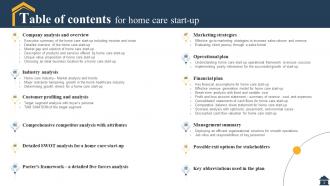
Table of contents for home care start up
-

Table of contents for home care start up
-

Profit and Loss Statement
-
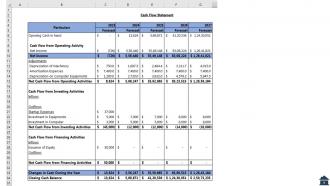
Cash Flow Statement
-

Homecare Business Plan
-

Homecare Business Plan
-

Homecare Business Plan
-

Homecare Business Plan
-

Homecare Business Plan
-

Homecare Business Plan
-

Homecare Business Plan
-

Homecare Business Plan
-

Homecare Business Plan
-

Homecare Business Plan
-

Homecare Business Plan
-

Homecare Business Plan
-

Homecare Business Plan
-

Homecare Business Plan
-

Homecare Business Plan
-

Homecare Business Plan
-

Homecare Business Plan
-

Homecare Business Plan
-

Homecare Business Plan
-

Homecare Business Plan
-

Homecare Business Plan
-

Homecare Business Plan
-

Homecare Business Plan
-

Homecare Business Plan
-

Homecare Business Plan
-

Homecare Business Plan
-

Homecare Business Plan
-

Homecare Business Plan
-

Homecare Business Plan
-

Homecare Business Plan
-

Homecare Business Plan
-

Homecare Business Plan
-

Homecare Business Plan
-

Homecare Business Plan
-

Homecare Business Plan
-

Homecare Business Plan
-

Homecare Business Plan
-

Homecare Business Plan
-

Homecare Business Plan
-

Homecare Business Plan
-

Homecare Business Plan
-

Homecare Business Plan
-

Homecare Business Plan
-

Homecare Business Plan
-

Homecare Business Plan
-

Homecare Business Plan
-

Homecare Business Plan
-

Homecare Business Plan
-

Homecare Business Plan
-

Homecare Business Plan
-

Homecare Business Plan
-

Homecare Business Plan
-

Homecare Business Plan
-

Homecare Business Plan
-

Homecare Business Plan
-

Homecare Business Plan
-

Homecare Business Plan
-

-

-

-

-

FAQs for Homecare Business Plan
Okay so first thing - figure out your market and scope out the competition. What services are you offering? Personal care, companionship, that kind of stuff. Pricing is huge too. Financial projections will make or break your plan honestly. Show realistic numbers for revenue and costs. Staffing is obviously critical since caregivers ARE your business. Don't skip the boring stuff either - licensing and insurance requirements. Oh and marketing strategy - this one's big. Getting referrals from doctors and hospitals can literally transform everything. I'd probably spend the most time on that section if I were you.
Look, you really can't wing a homecare business without doing your homework first. Research shows you who you're up against and what people actually want to pay for. I'd start by scoping out competitor prices and talking to potential clients - their real needs might surprise you. The demographics in your area matter too. All this data helps you set revenue goals that aren't just wishful thinking. Honestly, I've seen too many people skip this step and regret it later. Find those market gaps and you've got your angle.
So you'll want to map out your revenue first - client capacity, hourly rates, plus what split you're expecting between private pay and insurance clients. Startup costs are huge: licensing fees, insurance, equipment, hiring people. Then there's the monthly stuff like payroll, benefits, transportation costs. Oh and definitely plan for slow insurance payments - cash flow can get tight real quick. I'd do three years of projections but break down year one monthly so you can actually track things. Break-even analysis is clutch too. Just make sure your numbers aren't too optimistic, you know?
Honestly, competitive analysis is a game-changer for positioning your homecare business. Look at what's working (and what isn't) in your area first. Most homecare companies have pretty awful marketing - I'm not even kidding - so there's usually room to stand out. You'll find pricing gaps, underserved groups, and service areas competitors are ignoring. Map out every provider within 20 miles and dig into their services, pricing, reviews. This helps you forecast realistic revenue numbers that actually make sense to investors. Oh, and you might discover potential referral partners who aren't direct competition.
First thing - get your licensing sorted out, both state and local. Staff background checks and caregiver certs come next. Insurance is huge though, don't sleep on that part (liability, workers comp, the whole deal). HIPAA compliance is non-negotiable if you're handling client info. Oh, and if you want Medicare/Medicaid payments later, that's a whole separate headache with extra hoops. Honestly? Call your state health dept ASAP because every state's different and this stuff takes forever to process. I learned that one the hard way.
Start with your local census data - age ranges, income, health stats. People 65+ are obvious targets, but younger folks with disabilities need help too. I always snoop on competitor websites to see their angle (honestly pretty helpful). Check what insurance most people have in your area and whether families live close enough to help with decisions. Income matters more than you'd think. Then make 2-3 detailed customer profiles - actual ages, real income numbers, specific problems they're dealing with. Way better than generic "elderly people need care" marketing that nobody connects with.
Figure out what makes you different first - maybe it's dementia care, bilingual staff, or being available 24/7. Most homecare sites look exactly the same (honestly kind of boring), so this shouldn't be too hard. Higher caregiver ratios work well, or specialized certifications your team has. Tech stuff like health monitoring apps can help too. Ask your current clients what they love most about your service - that's where the good stuff is. Partner with hospitals for referrals if you can. Oh, and get real testimonials, not the generic "great service" ones. People can tell the difference.
So you'll want to map out how you're finding caregivers and what your staffing ratios look like. Budget for background checks and certs too. Training is honestly where most places screw up - it totally makes or breaks everything. Cover initial orientation plus ongoing stuff, especially if you're dealing with dementia or diabetes clients. Oh, and factor in that training time costs money since you're paying people who aren't generating revenue yet. Don't skip the retention strategies either. High turnover will destroy your profits faster than anything else in this business.
Oh man, you definitely can't run a homecare business without solid tech these days. Care management software is a must - handles scheduling, client files, all that coordination stuff. Your caregivers need mobile apps too so they can document visits on the spot. Trust me, the paperwork would absolutely bury you otherwise! You'll also want telehealth features, family portals, automated billing. The cool thing is most platforms are built just for homecare now, so setup isn't the nightmare it used to be. My advice? Figure out what's driving you crazy operationally first, then find tech that fixes those exact headaches.
Okay so break your marketing plan into three parts: who you're targeting, how you'll reach them, and what you'll spend. Figure out if you're going after seniors directly, their kids, or maybe doctors for referrals. Word-of-mouth is absolutely everything in this business - I can't stress that enough. Partner with medical offices, run Facebook ads, do community events, build referral programs. Oh and budget realistically for each thing. Set actual goals like "20 new clients per month by month six." Your investors need to see exactly how you'll connect with families when they're dealing with this stuff. It's pretty straightforward once you map it out.
Honestly, the money part is what'll get you first - insurance reimbursements are so unpredictable it's not even funny. Then there's all the regulatory headaches. Each state has different licensing requirements and compliance standards you've gotta meet. I'd definitely hit up your state health department right away to figure out what certifications you need. Market research gets weird too since you're dealing with people's personal health stuff. Oh, and established providers already have relationships locked down, which makes breaking in harder. Build your whole financial plan around those regulatory requirements once you know what they are.
Definitely throw some testimonials into your market validation section - like 2-3 solid ones with actual numbers. "Cut hospital readmissions by 40%" hits way harder than generic praise. Case studies are perfect for the service descriptions too, shows you've actually solved real problems instead of just talking theory. Investors love this stuff because it's proof you're not making things up. Oh and obviously get permission from clients first - learned that one the hard way! Focus on both the measurable wins AND the emotional side. That combo really drives home your value.
Honestly, the hardest part is keeping staff - turnover's insane, like 75% a year. Cash flow gets messy too since insurance takes forever to pay out. Plus all the regulatory stuff changes constantly, which is exhausting to track. My advice? Hire way more people than you think you need and keep at least 3-6 months of expenses saved up. Get compliance software early - trust me, it's worth it. Oh, and build solid relationships with recruiters because you'll be hiring constantly. The money side almost killed my friend's agency until she figured out the cash reserve thing.
Honestly, treat your business plan like it's alive - review it every few months because regulations change constantly. COVID taught me that lesson the brutal way when everything flipped overnight! Don't box yourself into rigid operations that can't adapt when CMS tweaks reimbursement or your state drops new licensing rules. Google alerts for healthcare policy are clutch. Join your state homecare association too. Budget an extra 10-15% for compliance costs because new regs always bring surprise expenses. Oh, and keep a regulatory consultant on speed dial - trust me on this one.
Track your revenue per client and retention rates first - those are make-or-break numbers. Staff turnover is gonna be insane initially (honestly the worst part of this business), but you need to monitor it along with caregiver utilization rates. Client satisfaction scores matter too, obviously. Oh and compliance stuff - incident reports, audit results - boring but super critical since regulators don't mess around. Start simple with these basics, then add more detailed metrics once you figure out where your biggest headaches are.
-
Love how there are no boring templates here! The design is fresh and creative, just the way I like it. Can't wait to edit and use them for my extended projects!
-
One-stop solution for all presentation needs. Great products with easy customization.