

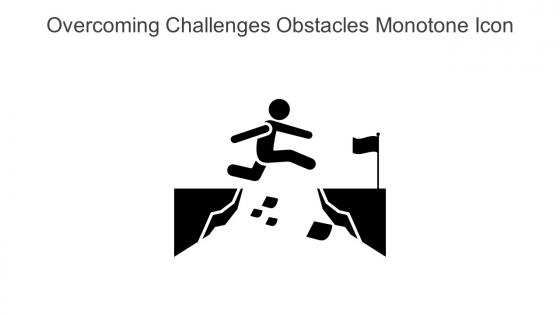
Overcoming Challenges Obstacles Monotone Icon In Powerpoint Pptx Png And Editable Eps Format




Try Before you Buy Download Free Sample Product
 Impress Your
 Audience
 100%
100% Editable
 Save Hours
 of Time


This Overcoming challenges obstacles monotone icon in powerpoint pptx png and editable eps format is a 100 percent editable icon. The downloaded file will have this icon in EPS, PNG and Powerpoint pptx format and is perfect for your next project. It has a simple yet stylish design.
People who downloaded this PowerPoint presentation also viewed the following :
Overcoming Challenges Obstacles Monotone Icon In Powerpoint Pptx Png And Editable Eps Format with all 6 slides:
Use our Overcoming Challenges Obstacles Monotone Icon In Powerpoint Pptx Png And Editable Eps Format to effectively help you save your valuable time. They are readymade to fit into any presentation structure.





FAQs for Overcoming Challenges Obstacles Monotone Icon In Powerpoint Pptx Png And
Oh man, three big things always get people. Nerves are brutal - even pros still get sweaty palms before going up there. Then there's keeping your audience awake, which honestly depends on whether you can actually connect with them or if your material's just boring. Tech problems are the worst though - your slides crash, microphone cuts out, classic Murphy's law stuff. Practice out loud beforehand (trust me on this), throw in some audience interaction so they don't zone out, and definitely have backup plans for when technology inevitably fails you.
Honestly, just practice out loud a ton - even if it's just to your mirror. Deep breathing before you start really helps, and I swear those power poses in the bathroom aren't as ridiculous as they sound. Look for the friendly faces when you're up there because most people actually want you to do well. If you screw something up, don't panic - just say "let me try that again" and keep going. The weird thing is starting with smaller meetings now will make the big presentations feel way less scary later. Your brain gets used to it.
Honestly, you've gotta read the room and switch things up constantly. Some people connect with stories, others want hard data thrown at them. I always try to mix in interactive stuff too - polls work great for keeping people awake. Here's what really works: survey your audience beforehand about their backgrounds and what they actually want from you. Visual learners need different approaches than detail-oriented folks who want every spec. Oh, and acknowledge this upfront! People appreciate when you're real about different learning styles. Short bursts, examples, big picture thinking - throw it all in there and adjust based on their reactions.
Honestly, visuals are total lifesavers when you're trying to get your point across. Like, if someone doesn't speak your language well or you're explaining something super complex, a good chart or diagram just cuts through all that confusion. I remember this one meeting where nobody was getting it until someone drew a simple flowchart - suddenly everyone was nodding along. Visual learners especially love this stuff. Even throwing in a relevant photo or basic graphic can help way more than you'd think. Words alone? Sometimes they just don't cut it, you know?
Honestly, getting feedback is a game changer for presentations. Record yourself practicing - I know it's awkward as hell, but you'll catch stuff you never notice. Ask colleagues for specifics too, not just "how'd I do?" Like, was I talking too fast? Did my main point actually make sense? Anonymous forms work well if people don't want to be brutally honest to your face. Oh, and if multiple people say the same thing, that's probably where you need to focus. I learned this the hard way after realizing I say "um" way more than I thought.
Oh man, definitely do your homework on cultural stuff first - like what's considered rude vs polite. Skip the jokes and random pop culture references since they usually bomb. Visual stuff works way better than walls of text anyway. And slow down when you talk! I swear I rushed through mine last month and could tell people were lost. Also gestures are weird - apparently thumbs up is offensive somewhere? Anyway, leave tons of time for Q&A at the end because there'll be way more questions than usual.
Honestly, analogies are your best friend here - relate tricky stuff to things people already know, like cooking or whatever. Ditch the jargon completely. I pretend I'm explaining it to my neighbor who's smart but not in my field, you know? Visual stuff works amazingly well too. Even crappy drawings help more than you'd think. Stories stick way better than just throwing facts at people - our brains are wired weird like that. Oh, and definitely test it on someone first! If they look confused, you're not there yet. Short sentences mixed with longer ones keep people awake too.
Break it into chunks and actually practice out loud with a timer running. I learned this the hard way after bombing a few presentations lol. Set deadlines for research, outline, slides, then practice - don't just wing it last minute like I used to. Record yourself to catch when you're rushing through parts. Work on your transitions between sections since that's where time gets weird. Oh and practice at 80% of your time limit, not the full amount. Leaves room for tech disasters or when someone asks a random question that derails everything for two minutes.
Okay so first thing - grab them with something unexpected right off the bat. A crazy stat, a question that makes them think, maybe a quick story. You've got like 30 seconds before everyone's scrolling Instagram, honestly. Don't waste time with those awful agenda slides nobody cares about. Jump straight into why this actually matters to THEM. Practice your opening until it sounds natural - stumbling over your first words is painful for everyone. Oh and your vibe totally sets the whole room's energy, so don't phone it in. Make eye contact, bring that genuine excitement from minute one.
Dude, stories just hit different because people actually connect with your mess-ups. Like when you totally tanked that presentation? Everyone's been there. Way better than just saying "I faced challenges" or whatever. People remember how something made them feel, not boring facts. I learned this the hard way lol. Be honest about the real moments where you screwed up, then show what you figured out after. Here's what works: tell them what went down, how it sucked, what clicked for you, and how you're different now. Vulnerability wins every time.
Honestly, cloud storage is a lifesaver - throw your slides on Google Drive so you can grab them from literally any device. Screen sharing through Zoom or whatever saved my butt when I couldn't make it to this conference last year. Those real-time polling apps like Mentimeter are clutch for big audiences too, keeps people awake. Always carry a USB backup though (learned that the hard way). Oh and definitely test your connections beforehand - hotel wifi is sketchy at best. Having multiple backup plans means you won't completely panic when something inevitably goes wrong.
Okay so you've gotta watch faces constantly - glazed eyes and fidgeting mean you're losing them. I always have backup content ready that I can skip or expand depending on how it's going. Interactive stuff saves you when energy drops, like asking direct questions or doing quick polls. Honestly? I've completely scrapped my slides halfway through when they clearly weren't working. Don't be weird about acknowledging when something's falling flat - just pivot. Keep some good stories in your back pocket for those moments when you need to wake people up again. The key is staying flexible instead of just plowing through your original plan.
Practice is seriously your best bet for avoiding disasters up there. When you rehearse a ton, the content becomes second nature - so if your mind goes blank, you can recover way easier. My old manager used to say people fail even when they know their stuff inside out because they skip actually practicing the delivery part. Run through it 3-4 times out loud minimum. I'd also do one full dress rehearsal if you can swing it. Oh, and practicing helps you spot the tricky parts beforehand so you're not scrambling to figure out transitions on the spot.
Honestly, it's mostly fear of judgment and perfectionism that mess with you - plus that inner voice saying you'll embarrass yourself. Here's what helped me though: audiences actually want you to do well, not crash and burn. Practice obviously helps, but try visualizing good outcomes instead of imagining everything going wrong. I used to suck at this until I focused on what I was saying rather than how I looked saying it. Start with easier conversations first (like ordering coffee differently or whatever), accept that some awkwardness happens to everyone, then work up to bigger moments. Building confidence just takes those small wins adding up over time.
Mix things up every 10-15 minutes with polls or quick Q&As. I'm obsessed with the "popcorn" method - people just shout out one-word reactions and it actually works! Direct questions hit different too: "Who's been through this mess before?" Small breakouts are clutch, then have groups share their best insights. Oh, and that classic "raise your hand if..." thing never gets old. Tools like Mentimeter work great for live responses. Basically don't let people zone out - keep switching between formats so they're actually participating instead of just sitting there.
-
Professional and unique presentations.
-
Unique and attractive product design.