


Performance Appraisal Powerpoint Ppt Template Bundles





Try Before you Buy Download Free Sample Product
 Impress Your
 Audience
 100%
100% Editable
 Save Hours
 of Time


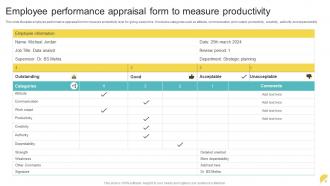
Introducing our comprehensive Performance Appraisal PowerPoint PPT presentation, designed to assist organizations in conducting effective and fair performance evaluations of their employees. This informative slide deck covers essential keywords such as Employee Appraisal, Promotion, Salary Hike, Performance Assessment, and Performance Evaluation. With visually appealing slides and concise content, our PPT offers a deep dive into the principles and best practices of performance appraisal. Whether youre an HR professional, manager, or team lead, this resource will enhance your understanding of the performance evaluation process, including goal setting, feedback mechanisms, and performance improvement plans. Gain valuable insights into recognizing top performers, identifying areas for development, and making informed decisions regarding promotions and salary adjustments. Maximize your employees potential and drive organizational success with our user-friendly Performance Appraisal PPT. Elevate your performance management practices and foster a culture of continuous improvement.
People who downloaded this PowerPoint presentation also viewed the following :
Performance Appraisal Powerpoint Ppt Template Bundles with all 25 slides:
Use our Performance Appraisal Powerpoint Ppt Template Bundles to effectively help you save your valuable time. They are readymade to fit into any presentation structure.














FAQs for Performance Appraisal Powerpoint
Honestly, start with clear goals and ditch those annual reviews for regular check-ins instead. You want real conversations going both ways, not just managers talking at people. Document everything (trust me on this one). Make your metrics actually mean something - tie them to what people do day-to-day, not fluffy stuff like "teamwork." Let employees assess themselves too since they know things you probably don't. The whole point should connect to growth opportunities and career paths. Oh, and audit what you're doing now first - figure out what's broken before you fix it.
Get multiple people doing the evaluations - that's huge for fairness. Ditch vague feedback for actual rating scales, and definitely train managers on bias (we're all way worse at this than we think). Document everything with real examples, not just "Sarah's great at teamwork" type stuff. Have HR check the appraisals before they go out, especially when ratings don't match what you're seeing performance-wise. Oh, and create clear metrics upfront so people aren't guessing what success looks like. Really, it's all about cutting out the subjective nonsense where possible.
So basically, self-assessments let your employees do some soul-searching before you meet. They get to think about their wins, what went wrong, future goals - all that stuff. Makes the actual conversation feel less like you're the judge handing down a verdict, you know? I've noticed people are way more engaged when they've already reflected on their performance. Plus you'll probably learn things you had no clue about. Oh, and definitely send the questions like a week early - nobody wants to fill that out on the spot. Trust me, it makes the whole thing so much better for everyone involved.
Your performance review is basically a cheat sheet for what to work on next. Look at the skills gaps they mentioned and turn those into actual goals with deadlines. Yeah, the criticism sucks to hear, but it's showing you stuff you probably can't see about yourself. Build on the good feedback too - that's where you shine and maybe even help other people out. I always write this stuff down because honestly, you'll forget half of it otherwise. Check back on your progress every few months to see how you're doing.
Don't just lecture them - make it a real conversation. I always start by asking them to self-assess first, gets them talking and shows you actually care what they think. Come with specific examples, but honestly? Don't overwhelm them with a massive list. Pick 2-3 things max or you'll lose them completely. Ask stuff like "what support do you need?" and then actually listen to what they say (shocking concept, I know). Oh, and definitely end with clear next steps and a timeline. Nobody should walk out wondering what the hell just happened or what they're supposed to do next.
Honestly, just digitizing your forms will save you so much time - that's where I'd start. Performance management software automates all the annoying reminder stuff and tracks goals as they happen. The 360 feedback collection is pretty smooth too. I was skeptical about analytics tools at first, but they actually help catch bias patterns you wouldn't notice otherwise. Data visualization makes presenting results way less awkward than those old spreadsheet dumps. Yeah, it feels like a lot upfront. But the whole process becomes bearable instead of that annual nightmare everyone dreads.
Mix hard numbers with the softer stuff - sales figures, project deadlines, customer ratings are obvious ones. But personality matters too, right? How do they work with the team, communicate under pressure, roll with changes. Pick maybe 4 metrics tops that actually match what good performance looks like for their job. Numbers tell you part of the story, but they're pretty useless if someone's a nightmare to work with. Be upfront about how you're measuring them from the start. Nobody likes surprises during review time.
Yeah, most companies still do the whole annual review thing, but honestly? That's pretty much useless. Your people need feedback way more often than that - I'd say quarterly at minimum, monthly is even better. Why wait a full year to tell someone they're screwing something up? By then it's this huge issue instead of something you could've fixed in like 5 minutes back in March. Plus people actually want to know how they're doing - the annual thing just feels so corporate and stale. Start with quarterly check-ins if you're not already doing regular one-on-ones. See how it goes from there.
Honestly, the biggest thing is making sure each KPI actually connects to what your company's trying to accomplish. Don't just pick random metrics - trace them back to real business goals. SMART goals work great, especially when they flow down from the top so people understand how their daily stuff impacts the bigger picture. Way too many performance reviews feel completely random! Train your managers to draw those connections explicitly because people won't just magically figure it out. Oh, and keep your rating scales consistent across teams - that's huge for fairness.
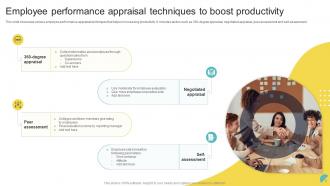
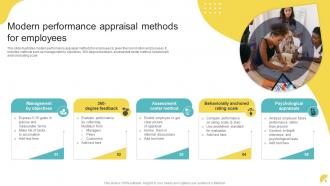
Honestly, it depends on your situation. 360-degree feedback is thorough but can feel like drinking from a fire hose - way too much info to digest. Rating scales are quick and you can easily stack people up against each other, though you lose the story behind the numbers. Narrative evals tell you *why* someone's performing well or poorly, but they're a pain to write and compare. MBO is solid if your goals are concrete (like sales targets), but good luck measuring "collaboration." I'd say start simple with what fits your bandwidth - you can always get fancier later.
Honestly, the hardest parts are staying unbiased and giving real feedback without totally crushing people. Plus finding time for proper reviews - we're all scrambling to remember what happened months ago anyway! Keep notes throughout the year, that's huge. Focus on specific examples and behaviors, not personality stuff. Make it collaborative too - ask them what they think went well first. Way better than just talking at them for an hour. Oh and prep beforehand obviously, but don't over-script it. These conversations work best when they feel natural, not like you're reading from some HR manual.
Honestly, the trick is making appraisals feel like real conversations instead of corporate BS. I focus on what my people actually want - their goals, wins, where they're headed. Most managers just dump criticism and wonder why everyone checks out. Ask what they need from you. Build development plans together. Make it collaborative, not some lecture they have to sit through. When they see you actually care about their success, engagement goes through the roof. Oh, and don't wait a whole year between check-ins - that's just setting everyone up to fail.
Document everything - that's your lifeline here. Base reviews on actual performance, not personal stuff like age or gender. The worst thing managers do? Give great feedback all year, then suddenly pile on documentation right before firing someone. Total disaster waiting to happen. Apply the same standards to everyone and tie everything back to their actual job duties. Oh, and keep consistent records throughout the year, not just during review season. If you can't back up a rating with real examples, you're probably doing it wrong.
Honestly, the biggest thing is making feedback way more casual and frequent. Train your managers to give quick, in-the-moment feedback - like "hey, that presentation went really well" or whatever. Monthly 15-minute check-ins work great too, just keep them conversational instead of feeling like a performance review. I've noticed it helps when leaders actually do this themselves first. Oh, and peer feedback is huge - try team retrospectives or just informal sessions where people can ask for input without it being weird. Really though, you want feedback to feel as normal as your regular team meetings.
Dude, the follow-up meetings are literally the only thing that matters after reviews. Most managers just do the annual sit-down and call it done - which is why nothing ever actually improves. You gotta set up monthly check-ins to see how they're doing with whatever goals you agreed on. Make them collaborative though, not you just pointing out what's still broken. I always put these in my calendar right after the review because I'll definitely forget otherwise. Trust me, skip this step and you'll be having the exact same conversations next year. Short ones work fine - even 15 minutes makes a huge difference.
-
Nothing beats the well-formatted and professionally designed templates offered. Kudos to SlideTeam for their amazing collection of PPT slides.
-
I’ve been your client for a few years now. Couldn’t be more than happy after using your templates. Thank you!