


HR KPIs Powerpoint Ppt Template Bundles





Try Before you Buy Download Free Sample Product
 Impress Your
 Audience
 100%
100% Editable
 Save Hours
 of Time


Our HR KPIs Powerpoint Ppt Template Bundles are topically designed to provide an attractive backdrop to any subject. Use them to look like a presentation pro.
People who downloaded this PowerPoint presentation also viewed the following :
HR KPIs Powerpoint Ppt Template Bundles with all 19 slides:
Use our HR KPIs Powerpoint Ppt Template Bundles to effectively help you save your valuable time. They are readymade to fit into any presentation structure.







FAQs for HR KPIs Powerpoint
Start with employee satisfaction surveys - honestly, they're your bread and butter. Turnover and absenteeism rates will show you the real picture too. eNPS is gold because it tells you if people would actually tell their friends to work there (which says everything, really). Watch how many folks get promoted internally and who's signing up for extra training. Engaged people love that stuff. Exit interviews are clutch for understanding what went wrong. Don't try to track everything at once though - pick satisfaction surveys first, then add the others as you get the hang of it.
So calculate your monthly or quarterly departure rates - just take departures divided by average headcount times 100. Break it down by department, how long people have been there, performance levels, all that. Don't let those exit interviews collect dust either! They're actually super valuable. High turnover usually means management problems, pay issues, or toxic culture. Low turnover could be good engagement or maybe people are just... stuck? Look for patterns though - are your best people bailing? Is one team getting hammered? Honestly, spotting this stuff early saves you so much headache later. Compare against industry standards too.
Think of HR KPIs as proof that what you're doing actually matters to the business. Track stuff like retention rates, how long it takes to fill roles, productivity numbers - this shows leadership that HR isn't just paperwork and birthday parties (though those matter too lol). Without real data, you're basically guessing if your strategies work. The key is picking 3-4 metrics that tie directly to whatever your company's obsessing over this year. It's honestly the fastest way to get a seat at the table when big decisions happen.
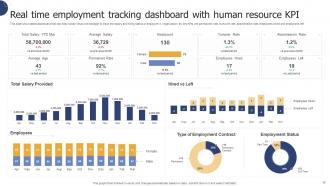
Honestly, the biggest game-changer is getting rid of all that manual data entry nonsense. Your HRIS can automatically pull turnover rates, time-to-hire, performance scores - all that stuff you're probably tracking in spreadsheets right now. Real-time dashboards beat waiting weeks to spot problems. I spent way too many Friday afternoons copying and pasting numbers before we automated our reporting. Start small though - pick whatever KPIs you're manually tracking and see if your current systems can handle those first. The time you'll save is ridiculous.
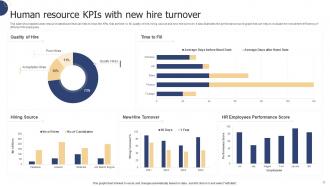
Honestly, most hiring delays come from dumb bottlenecks like slow interview scheduling or having too many people sign off on decisions. Track where you're losing time first - that's huge. Build your talent pipeline before you desperately need it, so you're not scrambling. Your job descriptions probably suck too (sorry, but they do) - ditch the "rockstar" nonsense and write something real people want to read. Skip the basic job boards and focus on employee referrals or direct LinkedIn outreach instead. Those work way better anyway. Once you know where the process drags, you can actually fix it.
So completion rates and satisfaction scores are obvious starting points, right? But here's what actually matters - do a pre/post assessment to see if knowledge stuck, then track whether people are using skills on the job. Performance improvements are huge too. Honestly, I get way too excited seeing productivity numbers jump after good training programs. Behavioral changes matter just as much though. Oh, and definitely do a 90-day follow-up - that's when you'll know if the training was worth it or just another waste of time. Employee engagement scores help too.
Start with representation metrics and retention rates broken down by demographic - those'll give you the clearest picture. Pay equity ratios are honestly where most companies get a reality check (not always pretty). Promotion rates matter too since that shows if people can actually advance. For the softer stuff, run engagement surveys about belonging and psychological safety. Oh, and track your recruiting pipeline - like how diverse your candidate pool is. Don't try measuring everything at once though. Pick 3-4 metrics, get solid baseline data, then expand from there.
Look, exit interviews are honestly where the gold is buried. People leaving? They'll actually tell you the truth about what sucked - the micromanaging boss, zero career path, insane hours. Raw turnover stats don't mean much without context. Track what people are saying and you'll start seeing patterns fast. Five exits blaming the same manager isn't random, right? I'd categorize the reasons and review them every few months. Beats guessing why everyone's bolting. You'll know exactly what needs fixing instead of throwing random perks at the wall.
Honestly, productivity tracking is one of those HR metrics that actually matters because it shows if your people stuff is working. You can figure out which teams are crushing it and who needs help. Remote work trends? New training results? It's all there. The annoying part is defining what "productive" even means for different jobs - like comparing a salesperson to a developer is weird. But once you figure that out, you've got solid data for hiring and training decisions. I'd start simple with maybe 2-3 clear measures for your main teams and build from there.
So basically, pick 3-4 KPIs that actually matter and check them monthly. Time-to-productivity is huge - like how long before newbies actually get stuff done. Also track 90-day retention and satisfaction scores from surveys. Honestly, I've watched companies mess this up so badly because their IT setup took forever (kills morale instantly). Don't forget completion rates for training and how fast managers do check-ins. Set your benchmarks first, then adjust based on what you're seeing. The data will show you exactly where things are breaking down - maybe it's week one, maybe it's month two. Just start tracking and you'll spot the patterns pretty quick.
Your satisfaction survey data is actually pretty powerful for spotting what's broken. Look at department-level breakdowns - you'll catch which managers are tanking morale or if certain teams are burning out. I've seen companies totally miss obvious patterns until they dig past the overall numbers. Track it over time to see if your "engagement initiatives" are just expensive fluff. The real gold is in specific categories like work-life balance and career growth. Honestly, sometimes the results are brutal but that's where you find what actually needs fixing. Compare against industry benchmarks too.
Check them quarterly, but do the big overhaul once a year. Those quarterly reviews help you spot weird trends early - like when turnover suddenly spikes in one department. Honestly, I've learned the hard way that waiting too long means you miss stuff that's fixable. The annual deep dive is where you'll probably discover (like I always do) that half your metrics are totally pointless now. Business changes, people change, and what felt crucial last January might be completely irrelevant by December. Plus quarterly patterns usually tell you when something's fundamentally broken, not just having an off month.
Honestly, the hardest part is that culture and employee satisfaction stuff is just... messy to measure. People's experiences don't fit neatly into spreadsheets, you know? Surveys get annoying fast - I've definitely ignored those "rate your engagement" emails before. Plus employees won't always be honest about sensitive workplace issues anyway. Mix different approaches instead. Exit interviews usually give you the real tea. Focus groups work too, along with just observing what's actually happening day-to-day. Single metrics will fool you every time.
Look at your past data and compare it to industry standards first - that'll give you solid baselines for turnover, hiring speed, employee satisfaction, all that stuff. Don't set yourself up to fail with crazy unrealistic targets though. I'd say shoot for 10-15% improvement to start. Way better to hit conservative goals and build confidence than swing for the fences and miss completely. Focus on metrics that actually move the needle for your business, not just numbers that look impressive in reports. Honestly, you can always get more aggressive with targets later once you see what's working.
Performance management is basically what makes all your other HR numbers actually work. Think about it - retention rates, productivity scores, employee satisfaction - they all come from having decent performance data. Without solid performance tracking, you're just guessing at whether people should get promoted or what training they need. Goal completion rates and review scores feed directly into your bigger KPIs. It's honestly a mess when companies skip this step. You can't really identify skill gaps for recruiting if you don't know how current employees are actually performing. Get your performance data sorted first, then build everything else around it.
-
Attractive design and informative presentation.
-
Fantastic collection. Loved how we can personalize these templates as per the requirements.