

Talent Sourcing Platform Recruitment Importance Process Comparison





Try Before you Buy Download Free Sample Product
 Impress Your
Audience
 100%
Editable
 Save Hours
of Time


Our Talent Sourcing Platform Recruitment Importance Process Comparison are topically designed to provide an attractive backdrop to any subject. Use them to look like a presentation pro.
People who downloaded this PowerPoint presentation also viewed the following :
Talent Sourcing Platform Recruitment Importance Process Comparison with all 12 slides:
Use our Talent Sourcing Platform Recruitment Importance Process Comparison to effectively help you save your valuable time. They are readymade to fit into any presentation structure.


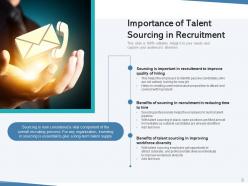
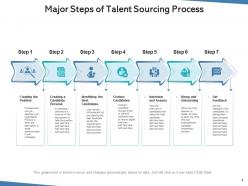
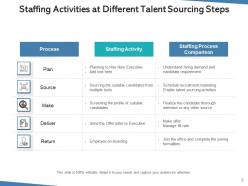

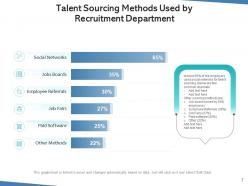


FAQs for Talent Sourcing Platform Recruitment
LinkedIn's still king, but employee referrals are honestly where the magic happens. Your team's networks are gold - just make sure you're actually paying them well for good referrals. I've been shocked how well Twitter and Instagram work for certain roles lately. Slack communities and industry groups are clutch too, way better than job boards sometimes. Oh, and definitely hit up people who aren't even looking - passive candidates usually end up being your best hires. Just don't be that recruiter who takes forever to respond when someone shows interest.
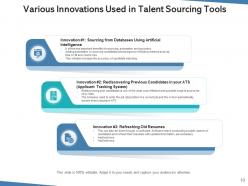
Honestly, AI is a game-changer for sourcing. It'll automate all the boring resume screening and hunt down candidates that fit your criteria across LinkedIn, GitHub, job boards - whatever. Way better than scrolling endlessly through profiles (seriously, that stuff drains your soul). The tools also analyze your outreach messages to figure out what actually gets people to respond. Oh, and predictive stuff can tell you who's likely to accept offers or not bail after six months. I'd start with something simple like a resume parser or LinkedIn automation - you'll see the time savings immediately. Trust me on this one.
Okay so employer branding is basically your rep as a workplace, and it's kind of everything now. Good branding means candidates come to you instead of the other way around - way less work for us lol. People stalk companies online before applying anyway, so make sure your Glassdoor doesn't suck and your social media actually shows real culture stuff. Show off authentic employee stories instead of just corporate fluff. Being transparent about what working there is actually like helps too. When people genuinely want to work for you, the whole hiring process gets so much smoother.
Honestly, start by looking at where you're currently finding people - I bet it's the same few places everyone uses. Try posting on different job boards that focus on underrepresented groups. Partner with HBCUs, women's coding programs, veteran orgs. Your job descriptions might be scaring people off too - check if you're asking for stuff that's not actually necessary. Go to events hosted by diverse professional groups instead of just waiting for people to come to you. Oh, and those "nice to have" requirements? Half the time they're just gatekeeping. Pick 2-3 new places to recruit from this quarter and see what happens.
Track the basics first - time-to-fill, cost-per-hire, which sources actually work. But honestly? The quality stuff matters way more. Look at 90-day retention and how new hires perform after a few months. Hiring manager satisfaction is huge too because they'll tell you if someone's actually working out. Don't sleep on candidate experience metrics either - people talk, especially in smaller industries. I'd just throw it all in a simple dashboard and check it monthly. Oh, and pipeline health is clutch for seeing problems before they bite you.
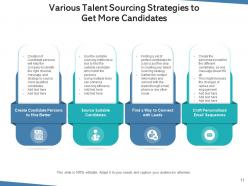
Honestly, social media is a game changer for finding talent. LinkedIn's obvious - you can search by skills, experience, location, whatever. But I've had crazy luck on Instagram and TikTok for creative roles. Found this incredible designer on IG who never would've seen our job posting otherwise. Twitter and GitHub are solid too since you actually see people's work and ideas in action. The pool is just so much bigger than job boards, plus you're reaching passive candidates who aren't even looking. Don't just slide into DMs though - engage with their stuff first or you'll come off super spammy.
Honestly, the biggest pain points are talent scarcity and trying to get passive candidates interested when they're not even job hunting. LinkedIn's become such a mess too - everyone's fighting for attention. Start building relationships way before you need people, like months ahead. Engage with their posts, hit up industry events, that whole thing. Employee referrals are gold though, seriously underrated. Oh and those niche job boards for your specific industry? Way better than the big generic ones. Don't just post and pray - you gotta be out there networking constantly.
Honestly, candidate experience makes or breaks your reputation. Quick responses matter - I've watched incredible people just disappear because companies took forever to get back to them. Use their actual name in emails (sounds obvious but you'd be surprised). Be upfront about timelines and what's happening next. Generic templates are the worst - reference something specific from their background instead. Even rejections deserve real feedback when you can swing it. And definitely close the loop on everything. Your response time is probably the easiest thing to fix first. Trust me, small personal touches go way further than most people realize.
Honestly, networking events are where I've found my best hires - way better than formal recruiting stuff. People aren't actively job hunting, so they're more relaxed and you actually get to see their personality. Instead of cold emails (ugh), you're building real connections. Here's the thing though - don't immediately pitch roles when you meet someone. That's so obvious and kinda awkward. Just focus on genuine conversation first. Then follow up within like 48 hours while they remember you. I even keep in touch with people when I don't have openings because you never know. Some random industry meetup will surprise you more than those big corporate events.
Dude, make it dead simple for people to refer candidates - like 30 seconds to forward a LinkedIn profile with a quick note. Most programs bomb because they're way too complicated and honestly, people just forget. Money's nice but mix in other stuff too - extra PTO days, shoutouts in meetings, lunch credits. I've seen teams go crazy for that recognition aspect. Keep everyone posted on where their referrals stand so they don't feel like they're shouting into the void. Oh and remove every possible friction point you can think of. People won't bother if it feels like work.
Honestly? You're probably writing job posts that sound like legal documents and wondering why nobody good applies. Stop being so picky about every little requirement - does someone really need exactly 5 years with that one program, or can they just be smart enough to learn it? Also, everyone posts on the same three job sites then acts shocked when they get the same mediocre candidates. Mix it up a little. Oh, and for the love of god, actually email people back when they apply. Even a quick "no thanks" beats radio silence. Just rewrite one job posting this week to sound normal and watch what happens.
Honestly, data analytics is a game changer for recruiting. Track your job boards, social platforms, and referral programs for a month - you'll see which ones actually deliver quality candidates who stick around. I learned this the hard way after wasting tons of time on sources that looked good but had terrible conversion rates. Look for patterns in your best hires too. Where did they come from? What skills do they share? The data might surprise you - maybe that expensive job board isn't worth it, or your employee referrals crush everything else. Numbers don't lie, and they'll save you so much wasted effort.
Look, agencies are clutch when you're trying to fill those nightmare roles nobody wants or when you need people yesterday. They've got networks we don't and honestly save your team from drowning in resumes. Yeah, the upfront cost sucks, but they usually move way faster than doing it yourself. The downside? You lose some control over how candidates see your company - and trust me, that candidate experience matters. I'd definitely use them for urgent stuff or super niche roles. But those key positions where culture fit is make-or-break? Keep those internal. You know your vibe better than they do.
Yeah so remote work totally changed the game for recruiting. You're not stuck with whoever lives nearby anymore, which is awesome but also means way more competition. Tech companies are killing it since they can grab talent from literally anywhere. Healthcare and manufacturing though? They're stuck figuring out hybrid stuff since you can't exactly do surgery over Zoom lol. I'd definitely switch up where you're posting jobs - ditch the local boards and hit LinkedIn or those remote-specific sites. First step is just being honest about which roles can actually work remote. Then go crazy with your search radius.
Honestly, bias is your biggest trap - you'll accidentally filter out great candidates without realizing it. Check your keywords and where you're sourcing from. Always get consent before messaging people, and be straight up about salary ranges from the start. Privacy matters too, so don't be creepy about how much you dig up on someone. Oh, and poaching from clients? Don't do it unless you've got that sorted contractually. People respect honesty way more than vague job descriptions. I'd start by looking at your current templates - you might be surprised what sounds biased when you read it back.
-
Illustrative design with editable content. Exceptional value for money. Highly pleased with the product.
-
Understandable and informative presentation.
-
Informative presentations that are easily editable.
-
Top Quality presentations that are easily editable.
-
Presentation Design is very nice, good work with the content as well.